How to fish for trout with a bobber
For many new anglers, or even seasoned ones looking for a relaxing day on the water, the thought of trout fishing can sometimes feel a bit intimidating. You see folks fly fishing with intricate casts or battling it out with complex lures, and it's easy to think you need years of experience and specialized gear. But what if I told you that one of the simplest, most effective, and incredibly rewarding ways to catch trout in Nevada involves a little floating indicator we all know and love: the bobber? This guide is here to break down exactly how to fish for trout with a bobber, making those beautiful rainbow and brown trout accessible to everyone.
Why a Bobber? Demystifying Trout Fishing
Let's be real, sometimes fishing feels like rocket science. You've got different depths, different retrieves, understanding fish behavior – it's a lot. A bobber simplifies so much of this, especially when you're targeting trout in the often-clear waters of Nevada's lakes and ponds. It takes the guesswork out of depth and provides a clear visual cue when a fish bites, which is incredibly satisfying, especially for kids or beginners.
Visual Bite Detection and Depth Control
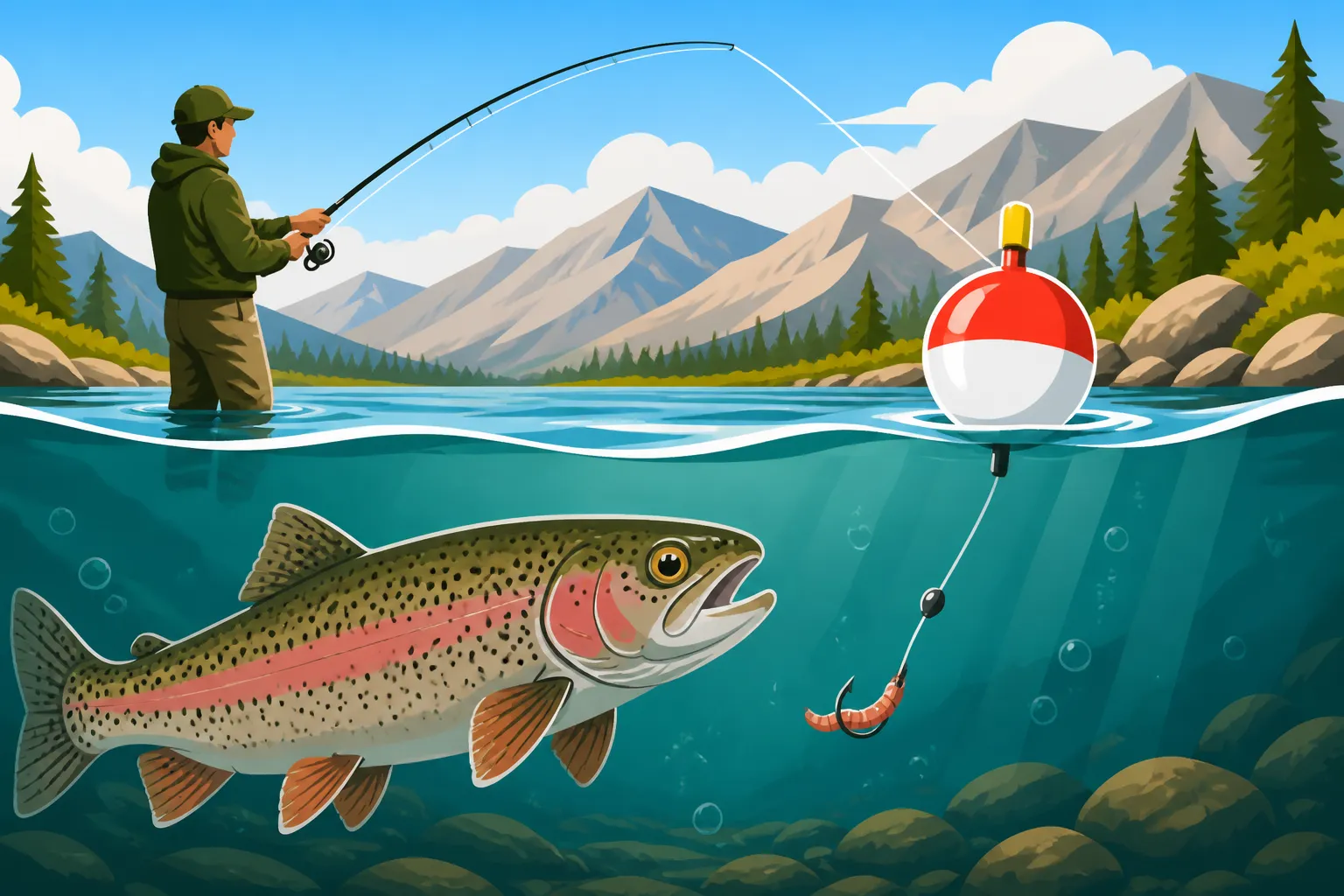
One of the biggest frustrations when you're starting out is feeling for a bite. Is that a snag? Is it just the current? Or is it a fish subtly mouthing your bait? With a bobber, all that disappears. When that bobber twitches, bobs, or outright disappears under the surface, there's no mistaking it – you've got a bite! This instant visual feedback is fantastic for building confidence and understanding what's happening beneath the surface. Plus, let's be honest, watching a bobber dance is half the fun.
Beyond the excitement of a visible bite, a bobber is your best friend for precise depth control. Trout often suspend at specific depths, especially in the cooler parts of the water column during warmer months or just off the bottom in shallower areas. Trying to consistently hit that exact depth with a bare hook and sinker can be incredibly difficult. A bobber allows you to set your bait at a fixed depth, keeping it right in the strike zone without constantly having to re-rig or guess. This is particularly useful in stocked ponds or urban lakes like those you'd find covered in our guide to Las Vegas Nevada Urban Pond Fishing Guide, where trout often cruise at predictable depths after being introduced.
Ideal Scenarios for Bobber Fishing
You might be thinking, "Is bobber fishing just for beginners?" Absolutely not! While it's fantastic for introducing newcomers to the sport, it's also a highly effective technique for experienced anglers in the right conditions.
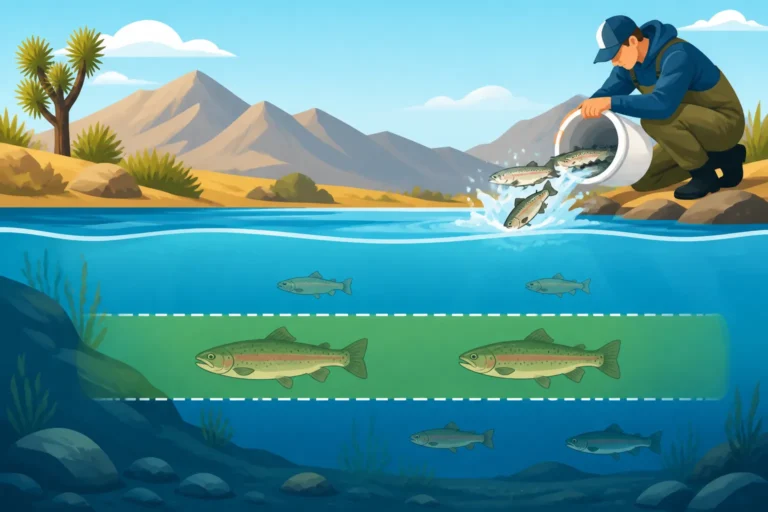
Consider still waters such as small ponds, slow-moving sections of rivers, or calm coves in larger reservoirs. These are prime locations where trout often gather, and where a drifting bobber rig can present your bait naturally. It's also incredibly effective when targeting recently stocked trout. These fish are often disoriented and tend to stay in shallower, predictable areas, making them perfect targets for a simple bobber setup. If you're wondering when and where these opportunities arise, checking the Nevada Trout Stocking Schedule can give you a significant advantage. This method also shines when fishing from shore, a dock, or even a slow-drifting boat where you want to cover a specific depth range without constant casting and retrieving. It's a low-effort, high-reward approach for a relaxed day outdoors.
Setting Up Your Bobber Rig for Nevada Trout
Alright, let's get down to the brass tacks – building your bobber rig. This isn't complicated, but having the right components and understanding how they work together makes all the difference.
Essential Gear for Your Bobber Rig
Before we start assembling, let's make sure you have the basics covered. You don't need a fancy setup; a standard spinning rod and reel combo will work wonders.
- Rod and Reel: A light to medium-light action spinning rod, around 5.5 to 7 feet long, paired with a small spinning reel (size 1000 to 2500) is perfect. This setup offers enough sensitivity to feel lighter bites and enough backbone to handle a decent-sized trout. You can find excellent, affordable combos on Amazon that are perfect for this style of fishing.
- Fishing Line: Four to six-pound test monofilament fishing line is generally ideal for trout. It's subtle enough not to spook wary fish, strong enough to land them, and floats a bit, which can help with bobber sensitivity. Fluorocarbon is another good option for its low visibility, but it sinks, so you'll want to balance that with your bobber choice.
- Bobbers: There are generally two main types of bobbers for trout fishing:
- Clip-on/Spring Bobbers: These are the classic red and white round bobbers you probably grew up with. They clip onto your line at a fixed depth. Great for shallower water, typically less than 6-8 feet, as you can't cast them easily with very deep settings.
- Slip Bobbers: These are a game-changer for deeper water. A small stopper knot or bobber stop is tied on your main line, which then slides through the bobber. This allows you to reel your bait right up to the rod tip for easy casting, and the bobber then slides down to your pre-set depth once it hits the water. A small bead is often used between the stopper knot and the bobber to prevent the knot from pulling through. For situations where trout are holding 10, 15, or even 20 feet deep, a slip bobber is essential.
- Weights (Split-shot or Worm Weights): You'll need a small amount of weight to get your bait down. Small split-shot weights (sizes BB to 7) are common. You want just enough weight to make your bobber stand upright, but not so much that it pulls it completely under.
- Hooks: Size 8 to 14 hooks are usually perfect for trout. Aberdeen or baitholder hooks are popular, but small treble hooks (especially for PowerBait) also work well. Make sure they are sharp!
- Swivels: Small barrel swivels (size 10-12) can help prevent line twist, especially if you're using rotating baits.
- Bait: This is where the fun begins! Trout love a variety of offerings. Common and effective baits include:
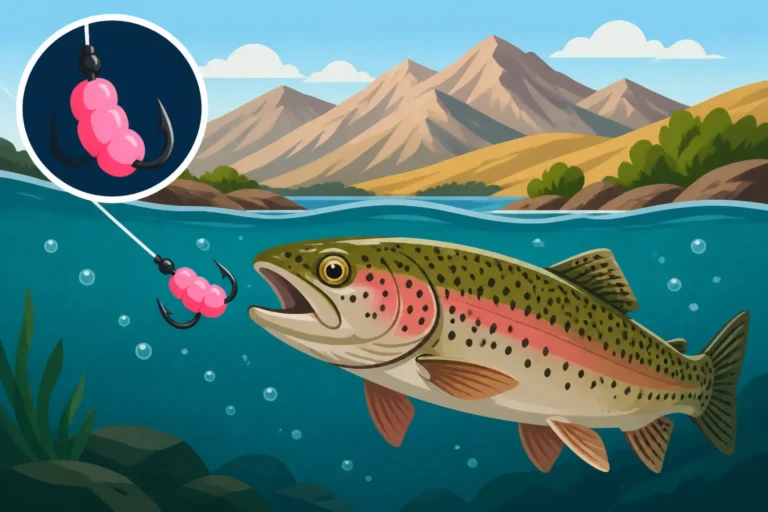
- PowerBait/PowerEggs: These colorful, scented dough baits are a staple for stocked trout. They float, which helps present your bait off the bottom when used with a small weight.
- Worms (Nightcrawlers, Mealworms, Gulp! Worms): Classic, natural, and always effective. A small piece of nightcrawler on a small hook can be deadly.
- Corn: Believe it or not, canned corn is a surprisingly effective bait for trout in many stocked waters.
- Marshmallows: Similar to PowerBait, they float and can be scented.
- Small Artificial Lures/Jigs: Tiny jigs (1/32 oz to 1/16 oz) tipped with a small piece of worm or even a Gulp! Maggot can be suspended under a bobber for a subtle presentation.
You can explore more specific options in our guide on the Best Bait for Nevada Trout.
Step-by-Step Rigging Instructions
Here’s how to put it all together:
- Attach the Bobber Stop (for Slip Bobbers only): If using a slip bobber, first slide your bobber stop (a small piece of string or rubber) onto your main line. Cinch it down lightly at this stage, you'll adjust the depth later.
- Add a Bead (for Slip Bobbers only): Slide a small plastic bead onto your line below the bobber stop. This prevents the bobber from sliding over the knot.
- Attach Your Bobber:
- Clip-on: Simply open the clip or spring, attach it to your line, and close it at your desired depth.
- Slip Bobber: Thread your main line through the eyelet at the top and bottom of the slip bobber. The bobber should slide freely on the line between the stopper knot/bead and the swivel/weight.
- Tie on a Swivel (Optional but Recommended): Tie a small barrel swivel to the end of your main line using a reliable fishing knot like a Palomar or improved Clinch knot.
- Attach Leader (Optional but Recommended): Tie a 12-24 inch piece of lighter line (e.g., 2-4 pound test fluorocarbon) to the other end of the swivel. This lighter leader is less visible to fish and acts as a break-off point if you get snagged, saving your main line.
- Add Weight: Crimp one or two small split-shot weights to your leader, about 6-12 inches above where your hook will be. You want just enough weight to pull your bait down and make your bobber stand upright without submerging it entirely.
- Tie on Your Hook: Tie your chosen hook to the end of your leader.
- Add Bait: Thread your chosen bait onto the hook. For PowerBait, use just enough to cover the hook and form a small ball. For worms, thread a small piece through once or twice, leaving a tail.
Here's a quick comparison of bobber types:
| Feature | Clip-on Bobber | Slip Bobber |
|---|---|---|
| Depth Control | Fixed depth, easily adjustable. | Adjustable to any depth, great for deep water. |
| Casting | Can be awkward to cast at deep settings. | Casts easily, bait reels up to the rod tip. |
| Sensitivity | Good, especially for subtle bites. | Excellent, especially with lighter, pencil-style bobbers. |
| Ease of Use | Simple for beginners, quick setup. | Slightly more setup, but more versatile. |
| Best For | Shallow ponds, small streams, close-range. | Deeper lakes, reservoirs, when fishing from shore/boat. |
Reading the Water and Presenting Your Bait
Once your rig is set up, it's time to understand where to cast and how to get those trout interested. Finding the fish is often more than half the battle!
Identifying Prime Trout Holding Areas
Trout, especially in Nevada's often clear and warmer waters, are constantly seeking out comfortable temperatures, food, and cover. Learning to spot these areas will significantly improve your chances.
- Structure: Look for underwater features like submerged rocks, fallen trees, weed lines, or changes in bottom contour. These provide cover and ambush points for trout.
- Shade: During sunny days, trout will often congregate in shaded areas created by overhanging trees, docks, or even steep banks. This offers them a reprieve from direct sunlight and predators.
- Inflow/Outflow Points: Where streams or creeks enter a lake or pond, the water is often cooler and carries food, making these areas highly attractive to trout. Conversely, outflows can also concentrate fish.
- Drop-offs: Areas where the bottom quickly drops from shallow to deep water are transition zones that trout frequent, especially when moving between feeding and resting areas.
- Aerators: In smaller urban ponds, aerators introduce oxygen into the water, attracting fish, especially in warmer months. The Nevada Urban Pond Fishing Rules often highlight these spots.
Take your time to observe the water before casting. Look for any signs of fish activity – rising fish, baitfish scattering, or even subtle swirls. Sometimes the best approach is to start shallow and gradually increase your depth until you find where the fish are holding.
Casting and Depth Adjustment Strategies
Casting your bobber rig is straightforward. For clip-on bobbers, just a gentle overhead cast will do. For slip bobbers, because your bobber is high up on the line, you'll feel the weight of your bait and can cast with more ease. The key is to land your bait gently, trying not to spook any fish in the immediate area.
The real trick is adjusting your depth. This is where your bobber's versatility truly shines.
- Start Shallow, Go Deeper: If you're unsure of the depth, start with your bait suspended a few feet off the bottom, or just a few feet under the surface. If you're not getting bites, slowly increase the depth by sliding your clip-on bobber further up the line or adjusting your bobber stop (for slip bobbers). A general rule of thumb for trout is to fish near the bottom in colder water and higher in the water column as temperatures rise, but always be prepared to experiment.
- Target Different Depths: If you're fishing with multiple rods or with friends, try setting your baits at different depths. One at 5 feet, one at 10 feet, for instance, until you find the sweet spot.
- Account for Structure: If you're fishing near submerged cover, set your depth so your bait is just above the snag, not in it. This prevents constant hang-ups.
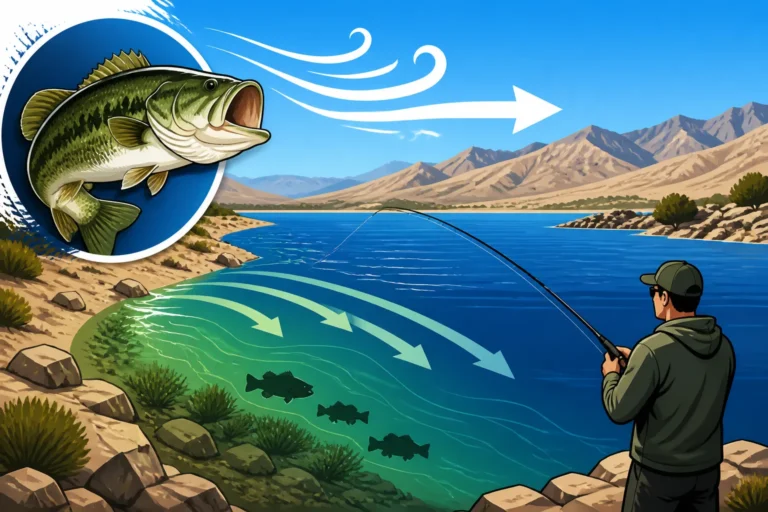
- Wind and Current: Pay attention to how the wind and current affect your bobber. A slight drift can be a good thing, presenting your bait naturally. If it's drifting too fast, you might need to move to a more sheltered area or add a bit more weight.
Remember, trout can be finicky. Don't be afraid to change your bait, adjust your depth, or even move locations if you're not having any luck after 20-30 minutes. Persistence and observation are your best allies!
Beyond the Basics: Tips for Consistent Catches
Catching trout with a bobber is simple, but consistently catching them takes a little refinement. Here are some pro tips to help you get more bites and land more fish.
Maximizing Bite Detection and Hooksets
Just because you have a visual cue with a bobber doesn't mean you can relax entirely. Trout bites can sometimes be incredibly subtle, especially if the fish are lethargic or just nipping at the bait.
- Watch for Nuances: Don't just wait for the bobber to disappear. Pay attention to any small twitches, sideways movements, or subtle dips. Sometimes a trout will just pick up the bait and swim slowly with it, causing the bobber to move horizontally rather than sink. This is especially true for larger, more cautious trout.
- The "One-Mississippi" Rule: When you see a definitive bite (the bobber goes down), resist the urge to immediately yank the rod. Give it a "one-Mississippi" count before setting the hook. This allows the trout to fully take the bait into its mouth. Then, a firm, upward sweep of the rod tip is usually all it takes. Avoid a huge, violent hookset, as this can often pull the bait right out of the fish's mouth or break your lighter line.
- Line Slack: Try to keep as much slack out of your line as possible without moving your bobber. Excessive slack creates a delay between the bite and your ability to set the hook effectively. If there's a lot of wind creating a bow in your line, try to cast cross-wind or move to a more sheltered area.
Strategic Bait Choices and Presentations
While we covered basic baits earlier, understanding how to present them strategically can make a big difference.
- Floating Baits (PowerBait, Marshmallows): When using floating baits, you want your small split-shot weight to rest on the bottom, with your PowerBait floating a foot or two above it. This makes your bait stand out and presents it naturally to cruising trout. This is often an overlooked tip for bottom-feeding trout.
- Sinking Baits (Worms, Corn): For sinking baits, you'll typically want them suspended just off the bottom or at the depth where you're seeing activity. Use just enough weight to get it down, allowing for a slower, more natural fall. Sometimes a very slow drift with a worm suspended beneath a bobber can be irresistible.
- Scent is Key: Trout rely heavily on their sense of smell. Enhance your natural baits with commercially available scents, or use pre-scented artificial options. Many anglers use garlic or anise-flavored PowerBait, which seems to drive trout wild.
- Experiment with Size: Don't be afraid to try different hook and bait sizes. If you're getting short strikes, try a smaller hook or a smaller piece of bait. If you're targeting bigger trout, you might need to offer a more substantial meal.
Environmental Considerations and Safety
Fishing, especially in Nevada, often means being out in diverse and sometimes challenging environments. Always prioritize safety and environmental responsibility.
- Sun Protection: The Nevada sun is no joke. Always wear a wide-brimmed hat, sunglasses (polarized ones, like those easily found on Amazon, help you see subsurface structure), and apply sunscreen frequently. Dehydration is a real risk.
- Layer Up: Even on warm days, mornings and evenings can be cool. Layers are your friend.
- Stay Hydrated: Bring plenty of water. More than you think you'll need.
- Leave No Trace: Pack out everything you pack in, including discarded fishing line and bait containers. Respect the natural beauty of places like Floyd Lamb Park in Las Vegas or the more remote reservoirs up north. Check for any specific rules regarding bait, tackle, or bag limits, as these can vary significantly by location (see Nevada Statewide Bag Limits Explained and Nevada Fishing License Guide for more info).
- Know the Regulations: Always, always, always check the current Nevada Fishing Regulations Explained before heading out. Things like season dates, size limits, and bait restrictions can change.
- Catch and Release: If you're not planning on keeping your catch, learn proper catch and release techniques to ensure the fish's survival. Wet your hands before handling, support the fish gently, and quickly remove the hook.
By understanding the simple mechanics of bobber fishing and applying these tips, you'll be well on your way to enjoying successful and relaxing days catching trout across the Silver State. Good luck, and happy fishing!
Disclaimer
This article is for general informational purposes only and does not constitute professional advice. Laws, prices and regulations vary by location and change over time. Consult a qualified professional for guidance on your specific situation.