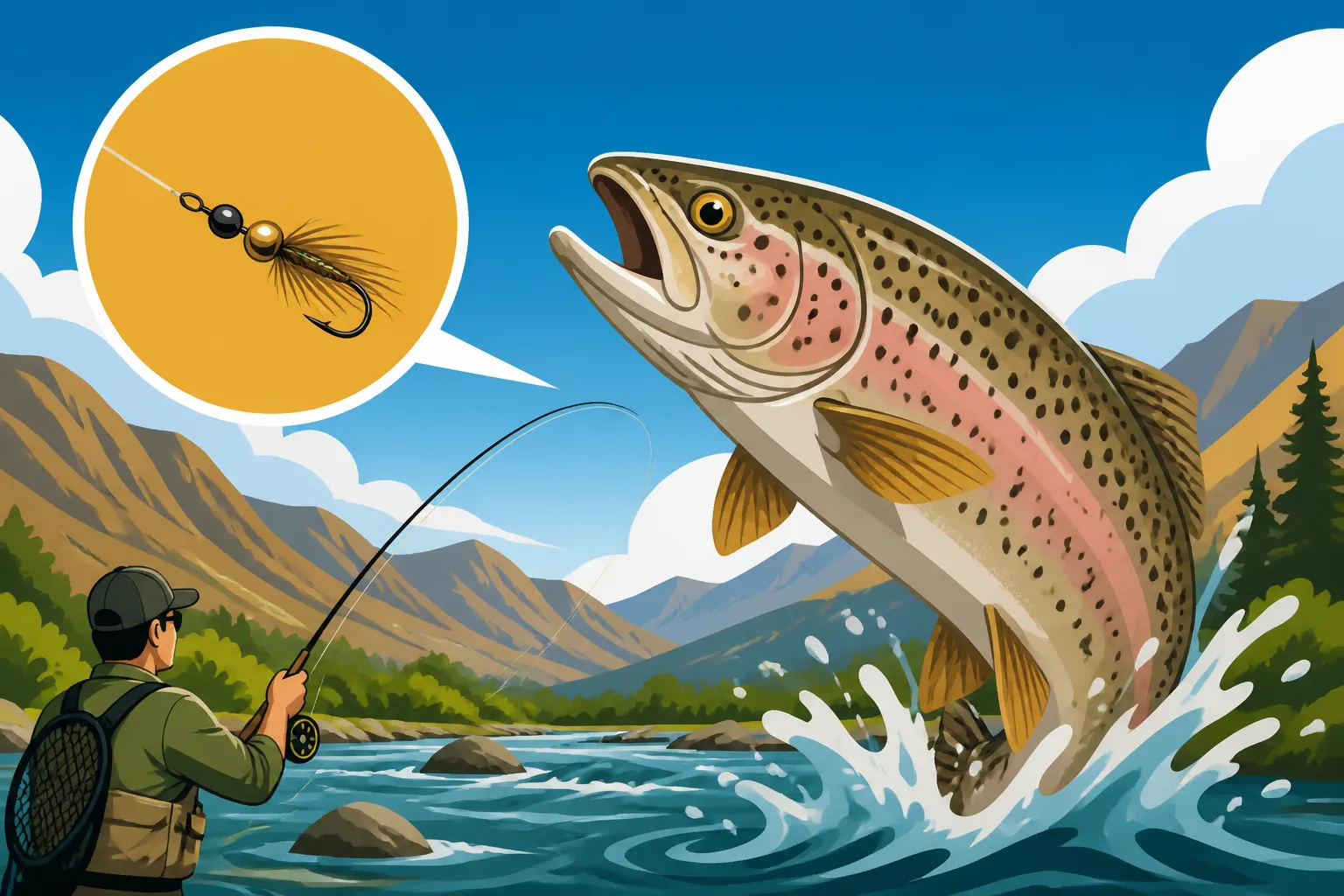
Best technique for river trout in Nevada
Oh, the allure of river trout in Nevada! It’s a completely different ballgame than stillwater fishing, isn't it? Many anglers, myself included, have stood on the banks of a beautiful Nevada river, casting repeatedly into seemingly perfect water, only to come up empty-handed. It's frustrating when you know the fish are there but just can't crack the code. This guide is dedicated to unraveling that mystery, offering you the best techniques and strategies to confidently target and catch trout in Nevada’s diverse and often challenging river systems.
Understanding Nevada's Unique Trout Rivers
Nevada might be known for its vast deserts and iconic lakes like Tahoe and Pyramid, but the state is also home to some incredibly rewarding, though sometimes elusive, trout rivers and streams. These flowing waters present a distinct set of challenges and opportunities that stillwater environments simply don't. Knowing the nuances of these rivers is the first step to successful trout fishing.
The Unique Challenges of River Environments
Unlike the relatively stable conditions of a lake, rivers are dynamic, ever-changing ecosystems. You're dealing with currents, varying depths, submerged structures, and fluctuating water levels, all of which influence trout behavior. These factors can make locating and presenting a lure or fly difficult. One day a spot might be hot, and the next, after a slight change in flow or clarity, it's completely barren. This constant movement also means trout are often expending more energy to hold their position and feed, making them selective about what they’ll strike.
Then there's the accessibility factor. Many prime trout spots along Nevada's rivers, especially in the more remote areas, require some serious bushwhacking or wading through tricky terrain. It's not always a simple walk-up-and-cast situation. You'll need to be mindful of your footing, potential hazards, and the sheer effort involved in reaching those untouched pockets where bigger trout often reside. Do you need waders for Nevada river fishing? is a question many ask, and the answer is almost always yes, for good reason.
Common Trout Species in Nevada Rivers
Nevada's rivers are primarily home to a few key trout species that anglers cherish. You'll most commonly encounter rainbow trout, often stocked but also with some wild populations. They're feisty fighters and readily take a variety of presentations. Brown trout are also prevalent, especially in the more established, cooler river sections. These elusive fish are known for their territorial nature and can grow quite large, making them a prized catch. Then there are cutthroat trout, particularly the native Lahontan cutthroat, which might be found in some specific river systems that feed into lakes like Pyramid, offering a truly unique experience.
Each of these species has slightly different preferences for habitat and feeding behavior. Rainbows might be found in faster runs, while browns often prefer deeper, undercut banks or submerged logs. Understanding these tendencies, even subtly, will greatly inform your technique choice and where you focus your efforts. How to Fish for Trout in Nevada delves deeper into these individual species.
Reading the Water: Identifying Holding Spots
The most crucial skill for river trout fishing is learning to "read the water." This means understanding where trout are likely to hold, rest, and feed, despite the moving current. Trout are opportunistic and energy-conscious; they'll position themselves in spots where food drifts by easily, but they don't have to fight the main current too hard. Look for "current seams," where fast water meets slow water. These are prime feeding lanes.
Structure, whether it's submerged rocks, logs, undercut banks, or even deep pools, provides shelter from the current and predators. Eddies and slack water behind obstacles are also excellent holding areas. Don't overlook riffles and runs, especially in the mornings or evenings, as trout will move into these oxygen-rich, food-delivery zones. Pay attention to changes in water color and depth. A deeper, darker pool next to a shallower, brighter run can often indicate a prime holding spot for larger fish.
Essential Gear for River Trout
Having the right equipment won't guarantee a catch, but it dramatically increases your chances and, frankly, makes the whole experience much more enjoyable. River fishing demands specific gear that can stand up to the conditions and allow for precise presentations.
Rod, Reel, and Line Selection
For river trout, you generally want lighter, more sensitive gear than you might use for lake fishing. A light to ultra-light action spinning rod, around 5 to 6.5 feet long, is ideal. This length gives you good casting accuracy in tight quarters and enough leverage to control fish in current without being cumbersome. Pair it with a small, smooth spinning reel, size 1000 or 2000. You can find a huge selection of lightweight rods and reels on Amazon, often at very reasonable prices.
For line, a 4 to 6-pound test monofilament or fluorocarbon is usually perfect. Monofilament offers a bit more stretch, which can be forgiving with lighter presentations, while fluorocarbon is nearly invisible underwater and has excellent abrasion resistance, a huge plus around rocky riverbeds. Many anglers also use braided line with a fluorocarbon leader for ultimate sensitivity and strength. Best Spinning Reels for Trout Fishing can help you choose the right reel to pair with your rod.
Tackle Box Must-Haves
Your river trout tackle box should be streamlined and efficient. For lures, think small:
- Spinners: Sizes #0 to #2 in classic patterns like Panther Martins, Mepps, or Rooster Tails. Gold, silver, and fire tiger are go-to colors.
- Small Spoons: Tiny Kastmasters or similar spoons can be deadly, especially in deeper pools.
- Inline Spinners: Similar to standard spinners but sometimes preferred for their specific action.
- Soft Plastics: Small grubs, worms, or trout magnets on tiny jig heads.
- Flies (for spin anglers): If you're a spin angler looking to dabble, small weighted nymphs or woolly buggers under a casting bubble can be incredibly effective.
For bait fishing, pack essentials like small bait hooks (size 8-12), split shot weights, and a few small bobbers. And don't forget leader material, a line clipper, and forceps for hook removal. Best Tackle for Nevada Trout Fishing provides a comprehensive rundown.
Waders and Footwear for River Exploration
This is where many beginners fall short. Simply put, good waders are a game-changer for river trout fishing. They allow you to access spots unreachable from the bank, position yourself for better drifts, and stay comfortable in cold water. Breathable chest waders are often preferred for Nevada's variable climate, as they prevent overheating on warmer days while still offering protection from chilly water. Neoprene waders are great for truly cold conditions but can be too warm otherwise.
Pair your waders with sturdy wading boots that offer excellent ankle support and grip. Felt soles or rubber soles with cleats are popular choices to prevent slips on slick rocks. Nothing ruins a fishing trip faster than an unexpected dunk or a twisted ankle. Picking up a good pair of breathable waders from Amazon can make a world of difference in your comfort and mobility on the river.
Key Fishing Techniques for Nevada Rivers
Now for the meat of it – the techniques! Depending on your preference and the specific river conditions, several methods can be highly effective. It's often beneficial to be proficient in a few, allowing you to adapt on the fly.
Fly Fishing: The Art and Science
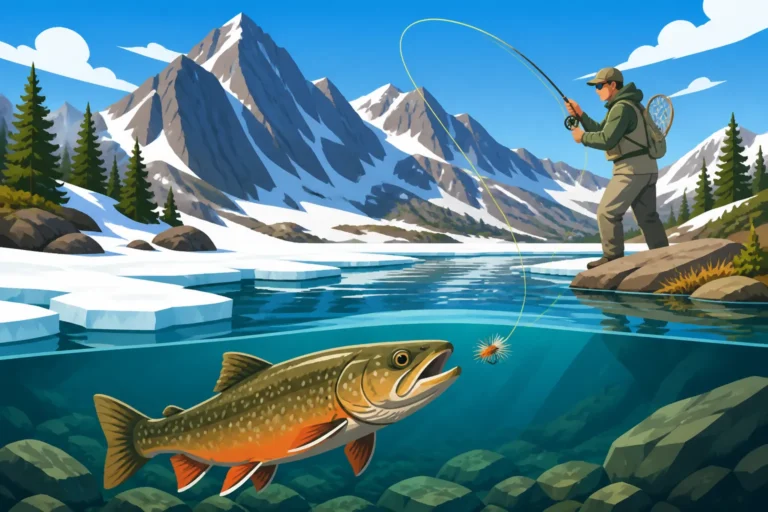
Fly fishing is arguably the most elegant and, for many, the most rewarding way to catch river trout. It's about presenting a near-weightless imitation of a trout's natural food source with precision.
- Nymphing: This is often the most consistently productive method. Nymphs imitate aquatic insect larvae, which make up a huge portion of a trout's diet. You'll use a weighted nymph (or multiple nymphs) suspended under a strike indicator, allowing it to drift naturally along the bottom. The key is to achieve a "dead drift" – matching the speed of the current so the fly looks completely natural. Best nymph patterns for Nevada trout streams will give you a great starting point.
- Dry Fly Fishing: When trout are actively feeding on insects hatching on the surface, dry fly fishing is exhilarating. It requires delicate casting and precise presentations to land the fly gently without spooking the fish. Look for rising trout, identify the insects hatching, and match your fly accordingly. It's truly a magical experience when you hook a trout on a tiny dry fly. How to fish a dry fly in fast water explains how to handle challenging currents.
- Streamer Fishing: For larger, more aggressive trout, especially brown trout, streamers can be incredibly effective. These flies imitate baitfish, leeches, or larger insects. You'll cast them upstream or across the current and retrieve them with strips and pauses, mimicking a wounded baitfish. This method often elicits powerful strikes.
Spin Fishing: Versatility and Effectiveness
For many anglers, spin fishing offers a more accessible entry point to river trout and can be just as effective as fly fishing, especially in certain conditions.
- Casting Upstream and Retrieving Downstream: This is a fundamental technique for spinners and small spoons. Cast your lure slightly upstream and across the current, then retrieve it just fast enough to get the blade spinning or the spoon wobbling, allowing it to drift downstream naturally. The goal is to present the lure to trout facing upstream, just as a natural food item would appear. Work your way upstream as you fish, minimizing disturbance to unfished water.
- Jigging and Drifting Soft Plastics: Small, weighted soft plastics like grubs or PowerBait on tiny jig heads can be deadly. Cast them upstream and let them tumble naturally along the bottom with the current, occasionally twitching your rod tip to impart action. This mimics small aquatic invertebrates or dislodged bait. This technique is particularly good in deeper pockets or slower eddies.
- Targeting Structure: With spin gear, you can accurately cast to specific structures like undercut banks, submerged logs, or large rocks where trout might be hiding. Precision is key. Try casting just beyond the structure and retrieving past it, or casting directly into a slack water pocket. Remember, trout don't often move far for food in current, so getting your lure right into their strike zone is critical.
Bait Fishing: A Tried-and-True Method
Sometimes, when other methods fail, or when you're fishing with kids or beginners, bait fishing is the most reliable way to catch river trout.
- Drifting Natural Baits: Live worms, mealworms, or crickets are incredibly effective. Rig them on a small hook (size 8-12) with one or two small split shot weights a foot or so above the hook. Cast upstream and let the bait drift naturally along the bottom with the current, without any tension on the line that would make it look unnatural. This "free drift" is paramount. A small bobber can help you monitor your drift and detect subtle bites.
- PowerBait and Marshmallows: These manufactured baits can be surprisingly effective in rivers, especially for recently stocked trout. Mold PowerBait into a small ball around your hook, or use a piece of marshmallow. The key is still a natural drift. You can use an egg sinker above a swivel and a leader to create a Carolina-style rig that allows the bait to move freely.
- Patience and Observation: Bait fishing often requires a bit more patience. Set up in a promising spot, cast your bait, and let it drift. Watch your line or bobber for any subtle twitch or hesitation, which could indicate a bite. Don't be afraid to try different depths by adjusting your split shot placement or bobber depth.
Seasonal Considerations and River Conditions
Nevada's climate brings distinct seasons, and these dramatically impact river conditions and trout behavior. Understanding these changes is vital for selecting the best technique and knowing when and where to go.
Spring and Fall: Prime Time Fishing
Spring often brings the excitement of post-winter thawing and rising water levels. Trout become more active as water temperatures climb, and insect hatches start to pick up. However, spring runoff from snowmelt can make rivers high and murky, making fishing challenging. Focus on the edges of the main current where the water is slower and clearer. This is a great time for slightly heavier nymphs or even brightly colored spinners that stand out in stained water. Fish will often hold close to the bank to escape the strong current. Nevada Trout Season Dates often align perfectly with these prime spring conditions.
Fall is arguably the best time for river trout in Nevada. Water levels stabilize, and temperatures are cool and consistent, invigorating the fish. Hatches can be prolific, making dry fly fishing excellent, but also providing ample food for nymphing. Brown trout, in particular, become very active as they prepare for their spawn, often becoming more aggressive. This is when streamers can really shine for targeting those larger, territorial browns. The beautiful autumn foliage also makes for a stunning backdrop to your fishing adventure.
Summer Strategies for Warmer Waters
As Nevada summers heat up, river fishing can become more challenging, especially in lower-elevation or slower-moving sections. Trout are cold-water species, and warm water stresses them.
- Early Morning and Late Evening: These are your prime windows during summer. Water temperatures are coolest, and trout are more active and willing to feed. Fishing during the midday heat is generally unproductive and can be harmful to released fish. Nevada Fishing Hours and Legal Times can provide specific guidance for different bodies of water.
- Seek Higher Elevations and Cooler Feeds: Focus on higher-elevation streams and rivers where snowmelt keeps the water cooler. These streams often have more oxygen and provide refuge for trout. Look for areas with dense shade, springs, or feeder creeks that introduce colder water.
- Deep Pools and Fast Riffles: Trout will seek out the deepest, coolest pools or the most oxygenated, fast-moving riffles during the heat of the day. Present your offerings precisely to these areas. Use lighter lines and smaller presentations as fish can be more cautious in clear, low summer flows.
Dealing with Changing Water Levels and Clarity
Rivers are dynamic, and conditions can change rapidly due to snowmelt, rain, or dam releases.
- High and Muddy Water: After heavy rains or significant snowmelt, rivers can become high, fast, and muddy. In these conditions, visibility is low, and trout will often move to slower, clearer water along the banks or into eddies. Use heavier weights to get your bait or lure down, and choose brighter, larger lures or baits that create more vibration and scent. Sometimes, it's best to wait a day or two for the water to clear.
- Low and Clear Water: This is common during late summer or drought periods. Trout become extremely spooky in low, clear water. Use longer, lighter leaders (fluorocarbon is key here!), smaller hooks, and stealthy approaches. Long casts are crucial to avoid spooking fish. This is when finesse techniques like light nymphing or small dry flies really shine. Walk softly, stay low, and approach fishing spots from downstream whenever possible.
No matter the season or condition, understanding the river's flow, knowing the trout's behavior, and having the right gear and techniques in your arsenal will significantly improve your success rate.
Here's a quick comparison of popular techniques:
| Technique | Best for Conditions | Pros | Cons |
|---|---|---|---|
| Fly Fishing | Clear, stable water; active insect hatches | Highly effective with natural presentations; rewarding skill | Steeper learning curve; specific gear required |
| Spin Fishing | Varied conditions; larger rivers; covering water quickly | Versatile with lures and baits; easier for beginners to pick up | Can be less "natural" presentation; heavier gear |
| Bait Fishing | Challenging conditions (murky water, slow bite); beginners | Often highly effective when fish are sluggish; simple to learn | Less active technique; requires bait management |
Ultimately, the "best" technique for river trout in Nevada is the one that you have confidence in, and that matches the specific conditions you encounter on any given day. So grab your gear, maybe check out some starter kits on Amazon, and hit the water! Truckee River Fishing Near the Nevada Line is a fantastic place to try out many of these techniques.
Disclaimer
This article is for general informational purposes only and does not constitute professional advice. Laws, prices and regulations vary by location and change over time. Consult a qualified professional for guidance on your specific situation.