Best time to fish the Truckee River
Oh, the Truckee River! It's truly a gem for Nevada anglers, but let's be real, it can also feel like a puzzle. One day you're having the time of your life, and the next, it feels like the fish have packed their bags and moved to another state. If you've ever found yourself wondering when exactly you should hit its waters for the best chance at success, you're not alone. This comprehensive guide is here to unravel the mysteries of the Truckee's seasons and help you pinpoint the absolute best times to cast your line and enjoy some fantastic fishing.
Understanding the Truckee River's Unique Character
Before we dive into the "when," it's crucial to understand the "what and where" of the Truckee River. This isn't just one monolithic stretch of water; it's a dynamic system with distinct personalities that change dramatically from its source to its end, and these differences play a huge role in determining when and how you should fish it.
A Tale of Two Rivers: Upper vs. Lower Truckee
Think of the Truckee River as having two main characters: the Upper Truckee and the Lower Truckee. The Upper Truckee originates from Lake Tahoe, offering a pristine, high-elevation, and often colder environment. This section generally flows through more natural landscapes, with less urban influence, and its water clarity can be exceptional, especially outside of runoff periods. The fish here are often wilder, spookier, and require a more delicate approach. Fishing success in these sections is heavily dependent on flow and temperature, which are often dictated by Lake Tahoe's releases.
As the river flows downstream, eventually passing through the Reno and Sparks area, it transforms into the Lower Truckee. Here, the river broadens, takes on a bit more of an urban feel, and the water temperatures can be warmer, especially in summer. While still a vibrant fishery, the lower sections experience different nutrient loads, habitat structures, and even different fish populations to some extent. Understanding these geographical nuances is your first step to unlocking the Truckee's secrets, as the "best time" can literally mean different things for different stretches of the river.
The Influence of Snowmelt and Water Levels
Nevada is a desert state, and our rivers are intrinsically linked to the snowpack in the surrounding mountains. The Truckee River is no exception. Spring snowmelt is a double-edged sword: it replenishes our waterways but can turn the river into a raging, muddy torrent for weeks or even months. During heavy runoff, water levels can be dangerously high, and visibility drops to near zero, making fishing incredibly challenging, if not impossible. This usually occurs from late April through June, depending on the snowpack.
However, once the runoff subsides, the river usually settles into a more stable flow, gradually dropping through summer and into fall. Lower, clearer flows bring their own set of challenges, as fish become more aware of their surroundings and more easily spooked. This means adjusting your tactics significantly, perhaps using longer leaders, lighter tippets, and more subtle presentations. Keeping an eye on flow data from the Nevada Department of Wildlife (NDOW) or other water resource agencies is paramount, as understanding current conditions will often trump any general seasonal advice. High water might mean targeting slower seams, while low water demands stealth.
Key Fish Species and Their Seasonal Habits
The Truckee River is primarily a trout fishery, and a darn good one at that! You'll mainly encounter healthy populations of rainbow trout and brown trout. In certain sections, particularly closer to Lake Tahoe, you might also find some native mountain whitefish. While the river does have some historical connection to the Lahontan cutthroat trout, those are primarily found in Pyramid Lake, the Truckee's terminal destination.
Each of these species has its own seasonal rhythms. Rainbow trout tend to be active year-round, but their feeding really picks up as water temperatures rise in spring and fall. Brown trout are particularly sought after in the fall, as they undertake their spectacular spawning runs, often becoming more aggressive and territorial. Knowing these patterns helps you align your visit with the specific species you're hoping to target. For instance, if a trophy brown trout is on your bucket list, you'll definitely want to focus on the autumn months.
Seasonal Strategies: When the Truckee River Shines
Alright, let's get down to the nitty-gritty: which season offers the best opportunities on the Truckee? The truth is, every season has its charms and its challenges, and a little planning can help you maximize your enjoyment no matter when you go.
Spring Fishing: Waking Up After Winter
Spring on the Truckee River can be fantastic, but it's a game of timing. Early spring, usually from March through April, often sees fish waking up from their winter lethargy. As the water begins to warm slightly after the cold months, insect activity increases, and trout become more active and willing to feed. This is a prime window before the full force of the snowmelt hits. You might find good nymphing opportunities and even some early dry fly hatches if conditions are right. This period can be a truly wonderful experience, with fewer crowds than in peak summer or fall, and a renewed sense of life on the river.
However, as we move into late April and May, the snowmelt often kicks into high gear. The river can swell, become discolored, and rise rapidly. This high, fast, and often murky water can be intimidating. While many anglers shy away from it, skilled river anglers know that even during runoff, there are opportunities. Fish will often move to the slower, calmer seams along the banks, behind large rocks, or in eddies where they can escape the main current and find food. This requires heavier nymph rigs to get down to the fish and a keen eye for finding those softer spots. It's a challenging time, but if you're prepared for Nevada Trout Season Dates during this period, you can still find success.
Summer Fishing: Early Mornings and Late Evenings
Summer on the Truckee, typically July and August, can be a tale of two extremes. As the snowmelt recedes, water levels drop, and the river often becomes crystal clear. This might sound ideal, but paired with the intense Nevada summer heat, it can make fishing quite challenging. Warmer water temperatures can stress trout, making them sluggish and less willing to feed aggressively during the brightest parts of the day. Plus, the clear, low water makes fish incredibly spooky; any errant movement or shadow can send them darting for cover.
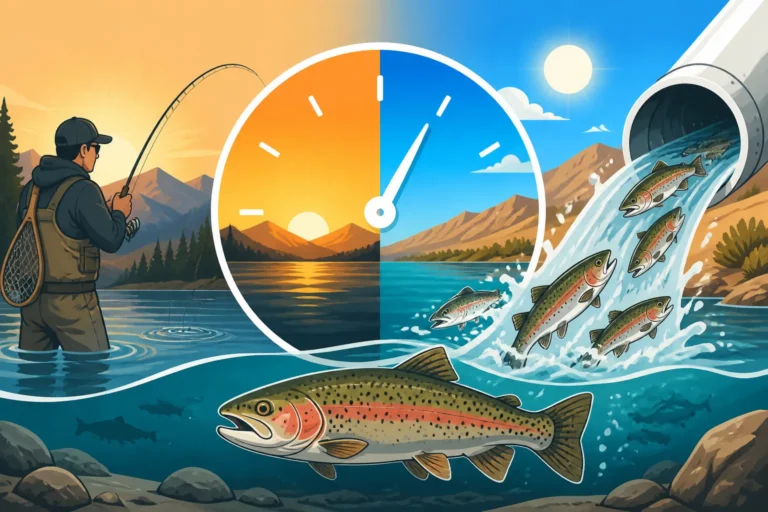
Your best bet for summer fishing is to embrace the early mornings and late evenings. During these cooler periods, trout feel more comfortable moving into shallower water to feed, and insect hatches are more likely to occur. It's a truly peaceful time to be on the river, watching the sunrise or sunset while casting. Remember to bring plenty of water, wear good sun protection, and, most importantly, practice strong catch-and-release ethics, especially for fish caught in warmer water. Minimize handling, keep them wet, and revive them gently. You can find excellent sun protection and other gear to keep you comfortable on Amazon.
Fall Fishing: Prime Time for Trophy Trout
If you were to ask many seasoned Truckee River anglers for the "best time," many would point to the fall, from September through November. This season is often considered the absolute prime window for fishing the Truckee. The scorching summer heat has receded, and water temperatures become ideal for trout activity. Fish are actively feeding, bulking up for the colder months ahead, and often become more aggressive. This leads to fantastic nymphing, streamer fishing, and even some prolific dry fly hatches, particularly of blue-winged olives.
What truly sets fall apart, however, is the brown trout spawn. As autumn progresses, mature brown trout begin their spawning migrations, moving into shallower, gravelly areas to reproduce. During this time, they become incredibly territorial and aggressive, often hitting larger streamers or egg patterns with force. This is when anglers have their best shot at catching true trophy-sized brown trout. It's an exciting time, but it also means exercising extra caution around spawning beds (redd) to avoid disturbing the fish or their eggs. Fall truly embodies the Best Time of Year to Fish in Nevada for many Truckee enthusiasts.
Winter Fishing: Persistence Pays Off
Don't write off the Truckee River during the colder months of December through February! While many fair-weather anglers pack away their gear, winter can offer some surprisingly good, peaceful fishing. The key here is persistence and a shift in tactics. Water temperatures are at their coldest, and fish metabolism slows down considerably. They won't be chasing flies across the river. Instead, they'll hold in deeper, slower pools and runs, conserving energy, and only moving short distances to feed.
This means you'll need to focus on nymphing techniques, getting your flies deep and moving slowly. Small, subtle patterns often outfish larger, flashier ones. Look for those "soft water" spots – the tail ends of pools, slower bends, and any areas that offer a reprieve from the faster current. While dry fly fishing is rare, milder winter days can occasionally bring out small midge hatches. The solitude of a winter day on the Truckee, with snow on the banks and steam rising from the water, is an experience all its own. Just be sure to dress warmly, as Nevada winters can be brutally cold, and consider checking Amazon for high-quality thermal layers before you head out.
Daily Timing and Environmental Factors
Beyond the seasons, daily timing and prevailing environmental conditions play an enormous role in determining your success on the Truckee. Sometimes, being at the right place at the right time means being there for just an hour or two.
Best Time of Day: Sun Position and Insect Activity
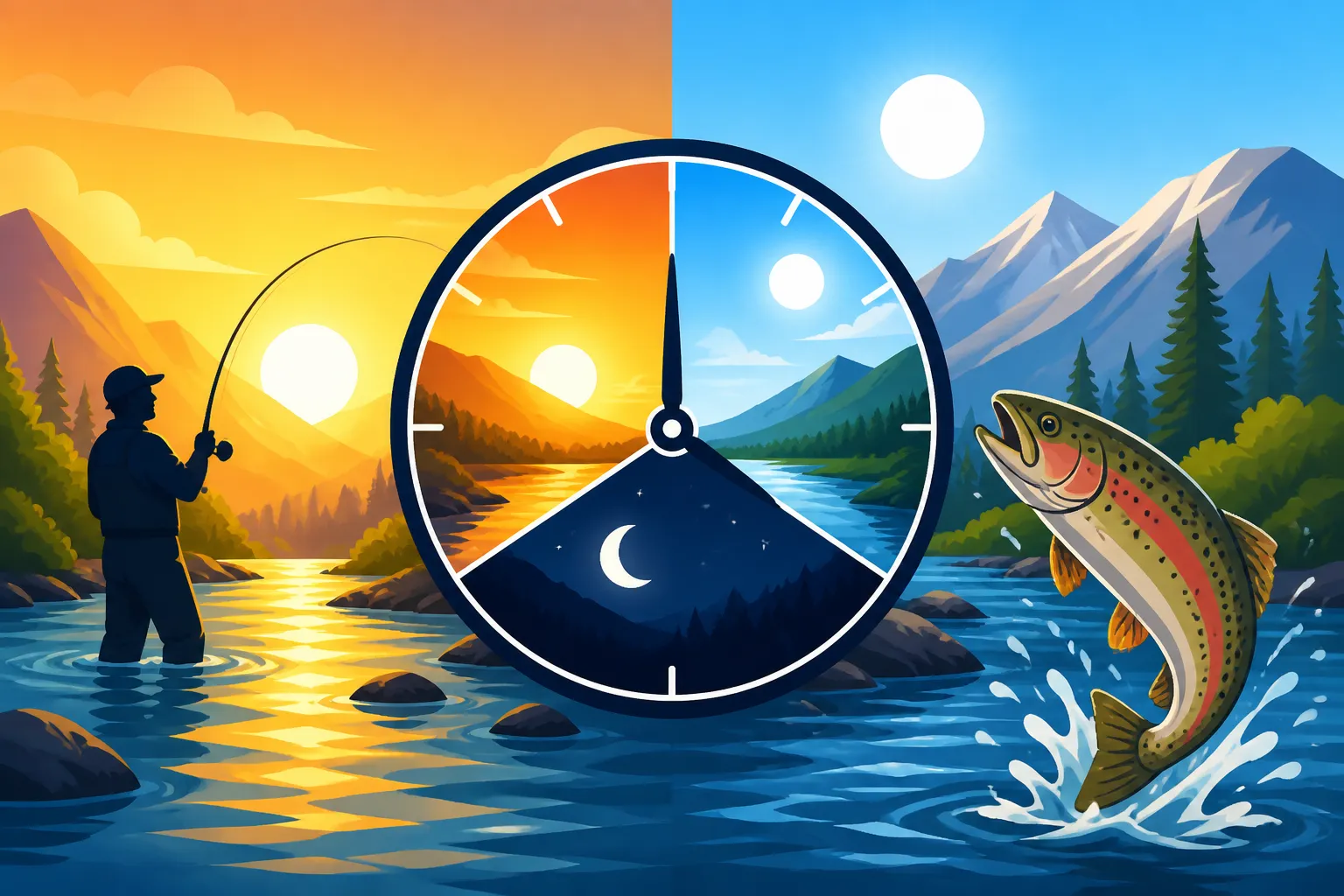
For trout, especially in clear waters like the Truckee, early morning (dawn to mid-morning) and late evening (late afternoon to dusk) are almost always your best bets.
- Morning: Fish are often feeding actively after a night of rest and before the sun gets high and bright. The water is usually at its coolest, and insect hatches (like caddis or mayflies) can be prolific as temperatures rise slightly. This is when fish feel most secure.
- Midday: As the sun climbs higher, particularly on clear days, fish tend to move to deeper, more shaded lies. They become more cautious and harder to tempt. While you can still catch fish midday, it often requires more precision, smaller flies, and a stealthier approach.
- Evening: As the sun sets, temperatures drop, and many insects become active again, providing another prime feeding window for trout. This can be an excellent time for dry fly fishing if there's a hatch on.
Always remember that these are general guidelines. A heavily overcast day, for instance, might extend good fishing into the midday, as the low light makes fish feel safer.
Weather, Water Temperature, and Clarity
These three factors are often interconnected and can dictate whether you have an epic day or a frustrating one.
- Water Temperature: This is perhaps the single most critical factor for trout activity. Trout are cold-blooded, and their metabolism is directly tied to water temperature. Ideal feeding temperatures for trout typically range from the low 50s to mid-60s Fahrenheit. Too cold, and they're sluggish; too warm (above 68-70°F), and they become stressed, potentially entering dangerous zones. Always carry a stream thermometer. You can learn more about this by Reading Water Temperature for Trout Fishing.
- Clarity: Clear water often means spooky fish. While beautiful, it requires more finesse. Murky water, on the other hand, makes fish less able to see your line, but also less able to see your fly. Slightly off-color water (think "steelhead green") after a small rain can actually be excellent, as it gives fish a sense of security without making it impossible for them to find your offering. Avoid fishing in heavily turbid, muddy conditions.
- Weather: Overcast days are generally preferred by anglers, as they offer diffused light that keeps fish comfortable and actively feeding throughout the day. Bright, sunny days can make fishing tougher, driving fish to cover. Rain, if not too heavy, can sometimes trigger excellent hatches and feeding activity, especially for nymphs being washed into the water. However, heavy rains can lead to rapid rises and muddy conditions.
Moon Phases and Barometric Pressure
While perhaps more subtle than temperature or clarity, some anglers swear by the influence of moon phases and barometric pressure.
- Moon Phases: The full and new moon phases are often associated with stronger tides in saltwater, and some believe this translates to increased activity in freshwater, though the science is less definitive. Some anglers plan trips around these periods, hoping for a boost in feeding.
- Barometric Pressure: A stable or slowly falling barometric pressure is often considered ideal for fishing. Fish tend to feed more actively as a storm approaches and the pressure drops. A rapidly dropping or rising pressure, or a prolonged period of high, stable pressure, can sometimes make fish less willing to bite. This is a nuanced factor, but experienced anglers often keep an eye on the forecast to see how it might affect their day.
Gear and Tactics for Truckee River Success
The Truckee River demands a versatile approach, and having the right gear and knowledge of different tactics is key to adapting to its ever-changing moods and maximizing your "best time" on the water.
Adapt Your Approach Seasonally
Your fishing strategy should evolve with the seasons on the Truckee.
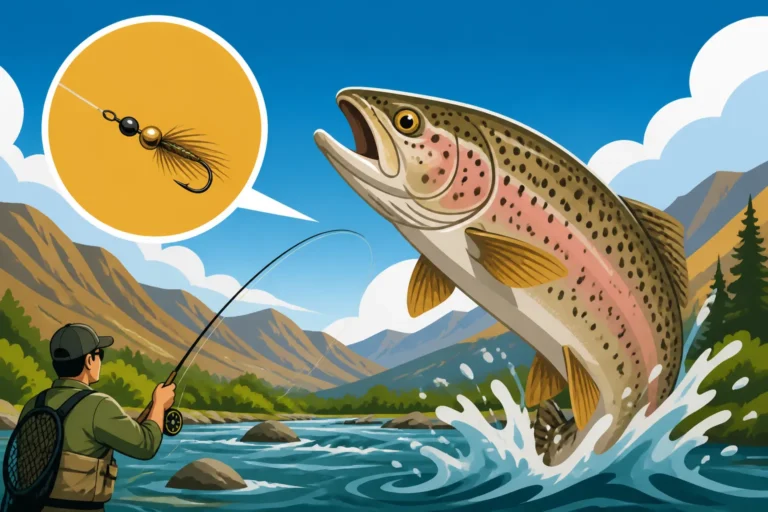
- Nymphing: This is often the bread and butter of Truckee River fishing, especially in colder water or during high flows. Using weighted flies that imitate aquatic insects drifting along the bottom is incredibly effective. Different nymph patterns and sizes will be more productive depending on the prevalent insect life.
- Dry Fly Fishing: When hatches occur – think spring caddis, summer mayflies, or fall blue-winged olives – dry fly fishing can be exhilarating. Matching the hatch requires keen observation and a good selection of patterns.
- Streamer Fishing: Fall is prime streamer time, especially for aggressive brown trout. Imitating baitfish with larger, articulated flies can trigger violent strikes. Streamers can also be effective in higher, off-color water when fish are less visible. You might also find good results with these patterns if you're exploring How to Fish for Trout in Nevada.
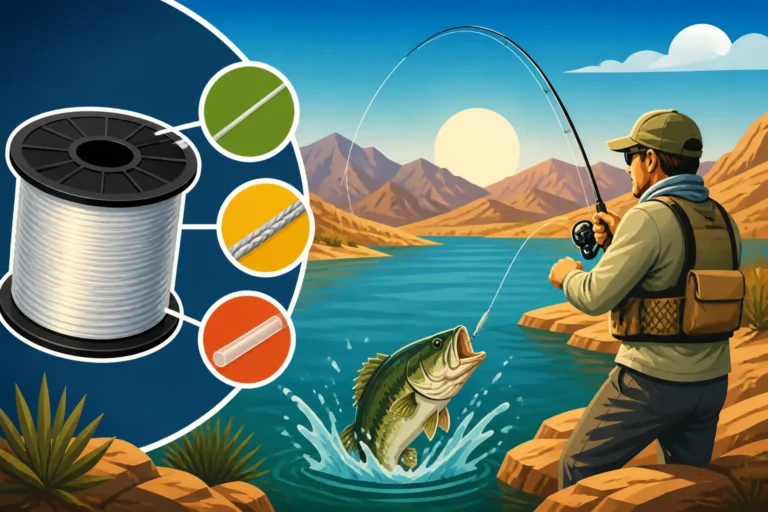
Don't forget to adjust your leader and tippet sizes. Clear, low water usually calls for lighter tippets (5x or 6x) to avoid spooking fish, while higher, murkier water might allow for slightly heavier (3x or 4x) lines.
Essential River Fishing Gear
Having the right equipment not only makes your trip more enjoyable but also more successful.
- Waders and Boots: The Truckee is primarily a wade-fishing river. Good quality waders and sturdy wading boots with felt or rubber soles (and perhaps studs for extra grip) are essential for safely navigating its rocky, slick bottom. You'll definitely want to check out Do you need waders for Nevada river fishing?.
- Polarized Sunglasses: These are not just for sun protection; they are vital for spotting fish, reading water, and seeing submerged obstacles. They cut through the glare, giving you a clear view into the water. A good pair can make a huge difference, especially on clear days, and you can find excellent options on Amazon.
- Layered Clothing: Nevada weather can change on a dime, especially near the mountains. Dress in layers so you can add or remove clothing as needed to stay comfortable.
- Tackle Box/Vest/Pack: A well-stocked one with a variety of flies, split shot, indicators, and extra leader/tippet is crucial. You'll want everything from tiny midges to larger streamers.
- Net: A quality landing net with a rubberized mesh is important for safely landing fish, especially if you plan on catch and release. This minimizes damage to their fins and slime coat.
- First Aid Kit and Water: Always be prepared for minor emergencies, and stay hydrated, especially in the Nevada sun.
Ethical Angling and Conservation
The Truckee River is a precious resource, and practicing responsible angling is paramount to ensuring its health for future generations.
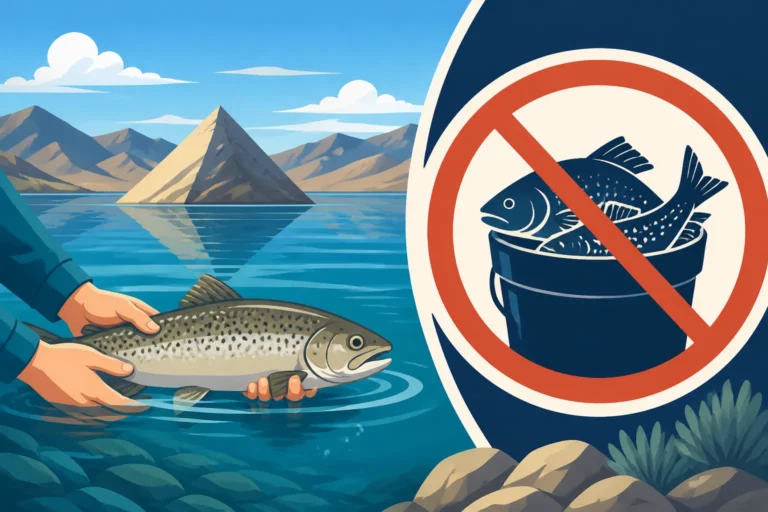
- Catch and Release: Many sections of the Truckee are managed as catch-and-release only, or have strict size and bag limits. Always check the current Nevada Fishing Regulations Explained before you go. Even where keeping fish is allowed, consider practicing catch and release for larger, wilder trout, especially brown trout during their spawn.
- Barbless Hooks: Using barbless hooks makes it much easier to remove the hook from a fish's mouth, minimizing injury and stress. Many areas, including portions of the Truckee, require barbless hooks. This is a critical rule to follow, and you can find more details in Nevada Barbless Hook and Bait Rules.
- Minimize Handling: When releasing a fish, try to keep it in the water as much as possible. Wet your hands before touching it, and avoid squeezing. Support the fish gently until it swims away on its own. Proper techniques, as described in Handling and Releasing Lahontan Cutthroat Trout, help ensure survival.
- Leave No Trace: Pack out everything you pack in, including any discarded fishing line or trash. Help keep the Truckee clean and beautiful for everyone.
By understanding the Truckee's unique characteristics, aligning your trips with the most favorable seasonal windows, paying attention to daily conditions, and employing ethical practices, you'll greatly increase your chances of having a memorable and successful fishing experience on this incredible Nevada river.
Disclaimer
This article is for general informational purposes only and does not constitute professional advice. Laws, prices and regulations vary by location and change over time. Consult a qualified professional for guidance on your specific situation.