Channel Catfish Fishing in Nevada
Oh, the humble channel catfish! It's amazing how many anglers in Nevada overlook this incredible fighting fish, often going straight for trout or bass. But let me tell you, if you're not targeting channel cats, you're truly missing out on some of the most consistent, exciting, and delicious fishing opportunities our great state has to offer. This guide is going to peel back the curtain on channel catfish fishing in Nevada, helping you understand where to find them, what gear you need, and the techniques to bring these whiskered warriors to your net.
Why Channel Catfish Are a Nevada Gem (and Why They're Underrated)
There's a certain magic to channel catfish. Maybe it's their powerful, sustained fights that can surprise even experienced anglers, or perhaps it's their adaptability to a wide range of waters across Nevada. Whatever it is, these fish are often the unsung heroes of our lakes and reservoirs, providing fantastic action when other species are finicky. Many people think of catfish as slow-moving bottom feeders, but channel cats are lean, mean, fighting machines, especially when hooked in open water.
The Undeniable Appeal of Channel Cats
What makes channel catfish such a fantastic target? For starters, they're plentiful in many Nevada waters, meaning you don't always have to search far and wide to find them. They're also incredibly aggressive feeders, which makes them relatively easier to catch for beginners, but still offer a thrilling challenge for seasoned pros. Hooking into a chunky channel cat can feel like reeling in a freight train, and their fighting spirit is truly something to behold. Plus, let's be honest, they're absolutely delicious on the dinner table! If you're looking for a fish that provides both excitement on the line and a tasty meal, the channel catfish is your champion.
Another huge draw is their tolerance for warmer water. While trout might be seeking cooler depths during the scorching Nevada summer, channel catfish are often thriving, making them a fantastic target when other species have slowed down. This opens up prime fishing opportunities during times of the year when many anglers are stowing their gear. They’re also surprisingly good in turbid or slightly murky conditions, where many sight-feeding fish might struggle. This resilience makes them a reliable catch, even when conditions aren't perfectly clear. They are truly one of Nevada's most versatile game fish, ready to provide a memorable experience whether you're fishing from the bank with the family or out on the boat seeking a trophy.
Where Do Nevada's Channel Catfish Thrive?
You might be surprised at just how widespread channel catfish are in Nevada. While they're not native to the state, they've been successfully introduced into numerous reservoirs, lakes, and even some urban ponds. They love warm, slow-moving waters with soft, muddy bottoms, but they're adaptable enough to do well in a variety of environments, including rocky areas and submerged structures. They are true opportunists when it comes to habitat, making them accessible in many different fishing scenarios.
In the southern part of the state, massive impoundments like Lake Mead and Lake Mohave are teeming with them, offering vast expanses for these fish to grow to impressive sizes. These large bodies of water provide ample food sources and varied bottom structures that channel catfish absolutely love. In the central and northern regions, you'll find healthy populations in reservoirs like Rye Patch, Lahontan Reservoir, and even some smaller community ponds. These waters often have rich nutrient bases that support strong catfish populations, and provide ideal spawning grounds. Many of the urban ponds are regularly stocked, ensuring a consistent supply of hungry fish for local anglers, especially families looking for an easy catch. For a broader overview of where to fish, check out our Nevada Fish Species Guide.
Identifying Nevada's Channel Catfish
Knowing your target is always the first step to successful fishing, and identifying a channel catfish is pretty straightforward once you know what to look for. While there are other catfish species in Nevada, the channel cat has some distinct features that make it easy to differentiate.
Key Physical Characteristics
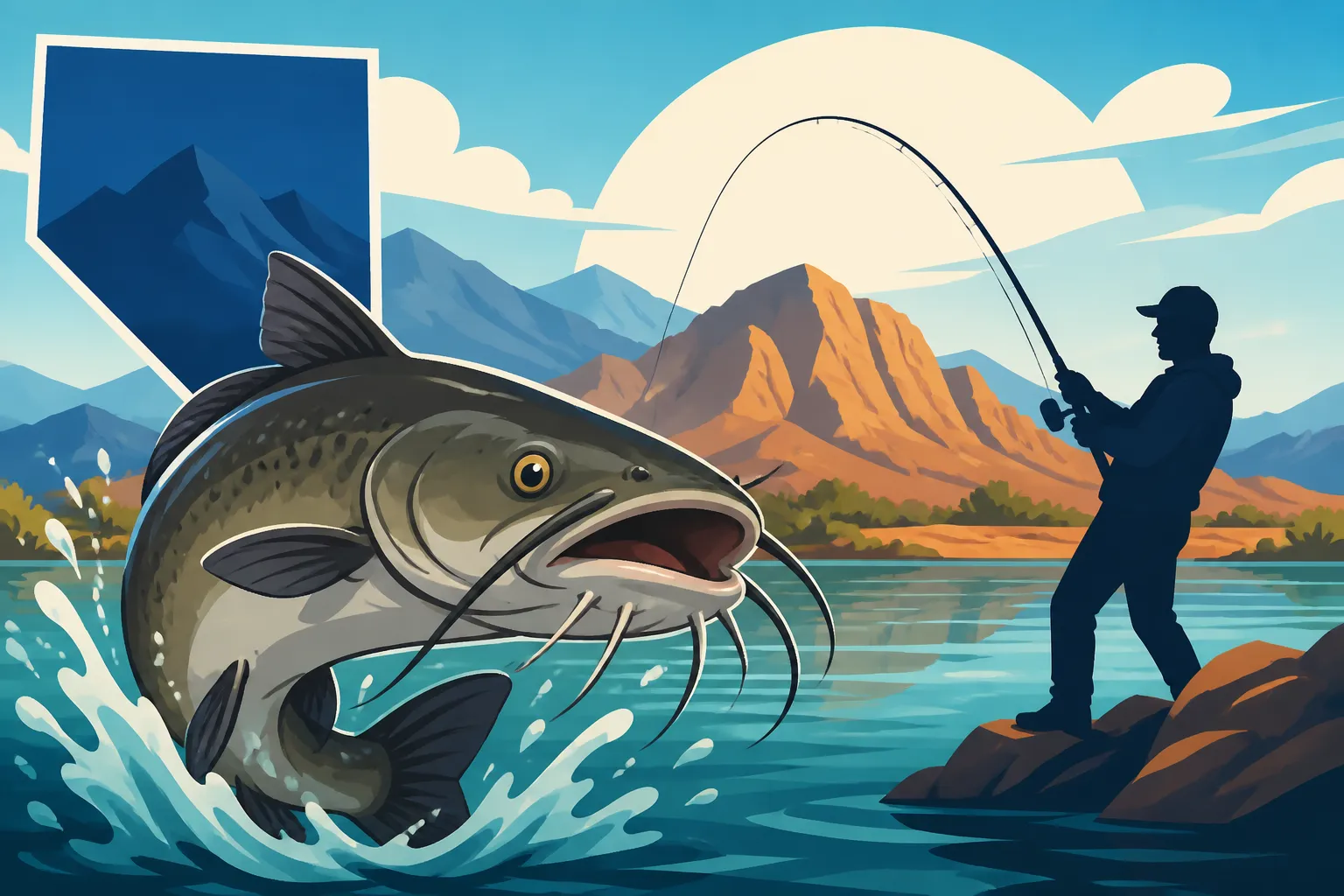
The most recognizable feature of a channel catfish is, of course, its barbels or "whiskers." They typically have eight of these sensory organs around their mouth – four on the chin, two on the snout, and two extending from the corners of their mouth. These barbels are crucial for helping them find food in low light or murky water. Their bodies are generally slender and streamlined, with a deeply forked tail, which is a key characteristic separating them from other catfish species like bullheads, which have rounded or slightly notched tails.
Their coloration can vary quite a bit depending on the water they live in, but they usually range from a greenish-gray on their back, fading to silvery sides, and a white belly. Younger channel cats, and sometimes even adults in clearer water, will have distinct dark spots along their sides. As they get older, these spots tend to fade, and larger fish can appear more uniformly dark. They also possess a dorsal fin and pectoral fins with sharp, serrated spines. These spines can inflict a nasty prick, so always handle them with care, especially when unhooking!
Distinguishing Them from Other Catfish Species
In Nevada, you might also encounter bullhead catfish (black bullhead being the most common) or even flathead catfish in some river systems, though flatheads are far less common and generally found in larger river channels. The easiest way to tell a channel cat from a bullhead is that distinctive deeply forked tail. Bullheads have a rounded or only slightly notched tail. Bullheads also tend to have a shorter, chunkier body shape, and their coloring is typically darker, often a uniform dark olive, brown, or black, without the silvery sides or spots of a channel cat.
Flathead catfish, if you're lucky enough to encounter one, are much larger, have a flattened head (hence the name!), and a more mottled, yellowish-brown coloration. Their lower jaw protrudes beyond the upper jaw, and their tail is only slightly notched, not deeply forked like a channel cat. They also tend to be solitary predators, unlike channel cats which often school. So, if you catch a sleek, silvery, spotted fish with a deeply forked tail and eight prominent whiskers, you've got yourself a channel catfish! For a more detailed look at fish species, you can consult our Nevada Fish Species Guide.
Top Nevada Hotspots for Channel Catfish
Nevada offers a fantastic array of waters where channel catfish thrive. From sprawling reservoirs to cozy urban ponds, there's a catfish spot for every angler, whether you're looking for a quick outing close to home or a dedicated fishing adventure.
Southern Nevada Catfish Havens (Lake Mead, Lake Mohave, Urban Ponds)
When it comes to southern Nevada, the undisputed kings of catfish real estate are Lake Mead and Lake Mohave. These massive reservoirs, formed by the Colorado River, offer an incredible amount of prime catfish habitat.
Lake Mead: This iconic lake, a stone's throw from Las Vegas, is absolutely loaded with channel catfish. They can be found throughout the lake, but tend to concentrate in shallower, warmer coves with muddy bottoms or near submerged structures and vegetation. Areas like Hemenway Harbor, Government Wash, and the coves around Callville Bay are perennial favorites. Fishing off the bank in these calmer bays, especially in the evenings or early mornings, can yield excellent results. Many anglers find success anchored in 10-25 feet of water, especially during the warmer months. These fish grow large here, with many exceeding the 10-pound mark, providing a true test for your tackle. For more specific tips, check out our Lake Mead Nevada Fishing Guide.
Lake Mohave: Just downstream from Lake Mead, Lake Mohave also boasts a thriving channel catfish population. The water here tends to be a bit clearer in some areas, but the catfish still find plenty of cover and food. The upper reaches near Davis Dam, as well as the numerous coves and inlets along its length, are excellent places to try. Willow Beach is a popular spot with good access, and fishing from shore or a boat can be productive. Similar to Lake Mead, look for areas with current breaks, submerged brush, or softer bottoms. The fishing here can be fantastic, especially in the spring and fall. For those interested in the area, our Lake Mohave Nevada Fishing Guide offers deeper insights.
Las Vegas Urban Ponds: Don't overlook the local urban ponds in and around Las Vegas! Places like Floyd Lamb Park, Lorenzi Park, and Sunset Park are regularly stocked with channel catfish, providing easily accessible and family-friendly fishing opportunities. These ponds are perfect for a quick evening trip or introducing kids to the joy of fishing. While the fish might not reach the trophy sizes found in the big lakes, they are plentiful and eager to bite. These ponds are designed for recreational angling, and with good access, restrooms, and amenities, they make a perfect spot for a relaxed day. You can find more details in our Las Vegas Nevada Urban Pond Fishing Guide.
Central and Northern Nevada Catfish Opportunities (Rye Patch, Lahontan)
While southern Nevada might get a lot of the catfish glory, the central and northern regions of the state have some fantastic opportunities as well. These areas offer a different kind of fishing experience, often with stunning high desert backdrops.
Rye Patch Reservoir: Located near Lovelock, Rye Patch Reservoir is a true hidden gem for channel catfish. This reservoir has a robust population of cats, many of which grow to impressive sizes. The warm, often turbid waters of Rye Patch provide ideal conditions for channel catfish to thrive. Anglers often find success fishing the shallower flats, points, and coves throughout the reservoir. Bank fishing is very popular here, especially near the dam or in easily accessible bays. You'll want to rig up for a strong fight, as these fish are known for their power! Dive deeper into this location with our Rye Patch Reservoir Fishing guide.
Lahontan Reservoir: Situated near Fallon, Lahontan Reservoir is another excellent choice for channel catfish. This large reservoir on the Carson River system offers extensive shallow areas and coves that are perfect catfish habitat. The waters can get quite warm in summer, which channel cats love. Look for areas with slower current, submerged timber, or muddy bottoms. Both boat and bank fishing can be productive here, and it's a popular spot for overnight camping and fishing trips. The consistent bite often makes it a reliable choice when you're craving some catfish action.
Smaller Reservoirs and Rivers: Beyond these main hotspots, many smaller reservoirs and even some slower-moving stretches of rivers in central and northern Nevada can hold channel catfish. Always check the local regulations and stocking reports from the Nevada Department of Wildlife (NDOW) to find potential new spots. These smaller waters often offer a more intimate fishing experience and can sometimes surprise you with overlooked populations of quality fish.
| Location | Primary Region | Typical Catfish Size | Best Access Type | Special Notes |
|---|---|---|---|---|
| Lake Mead | Southern Nevada | 2-15 lbs, with trophies | Boat, Bank | Vast, numerous coves, warm water, good night fishing |
| Lake Mohave | Southern Nevada | 1-10 lbs | Boat, Bank | Clearer water, good year-round |
| Floyd Lamb Park | Las Vegas (Urban) | 1-3 lbs | Bank | Family-friendly, regularly stocked, amenities |
| Lorenzi Park | Las Vegas (Urban) | 1-3 lbs | Bank | Easily accessible, good for beginners |
| Sunset Park | Las Vegas (Urban) | 1-4 lbs | Bank | Popular, often busy, consistent bite |
| Rye Patch Reservoir | Central Nevada | 3-15 lbs, good potential | Boat, Bank | Warm, often turbid water, known for large fish |
| Lahontan Reservoir | Central Nevada | 2-8 lbs | Boat, Bank | Extensive shallow areas, popular for camping |
Essential Gear and Tackle for Nevada Channel Catfish
You don't need highly specialized or expensive gear to get started with channel catfish, but having the right setup will definitely increase your success and make the experience more enjoyable. These fish pull hard, so you want tackle that can stand up to the fight.
Rods, Reels, and Line Recommendations
For channel catfish, you want a rod with a good backbone but enough sensitivity to detect subtle bites.
Rods: A medium-heavy to heavy action spinning or baitcasting rod, typically 6 to 8 feet in length, is ideal.
- Spinning Rods: For most average channel catfish (1-10 pounds), a 7-foot medium-heavy spinning rod is a fantastic all-around choice. It provides good casting distance from the bank and enough power to handle larger fish. Look for a rod with a fast or moderate-fast tip that can quickly set the hook but still bend into the fight.
- Baitcasting Rods: If you plan on targeting larger trophy cats or fishing in heavy cover, a baitcasting setup with a 7'6" to 8' heavy action rod will give you more leverage and casting power. These are particularly useful if you're throwing heavier weights or larger baits.
Reels: Pair your rod with a durable reel that has a smooth drag system.
- Spinning Reels: A 4000 to 6000 size spinning reel will be appropriate for most channel catfish fishing. Ensure it has a good line capacity and a reliable drag. Brands like Penn, Shimano, and Daiwa offer excellent options that can be found on Amazon.
- Baitcasting Reels: For baitcasters, a reel with a strong retrieve ratio and good cranking power is key. Look for models designed for heavier freshwater use, ensuring it has enough line capacity for longer runs from powerful fish.
Line: This is where you don't want to skimp! Channel cats are strong, and you'll often be fishing around snags.
- Monofilament: A good quality monofilament line in the 12-20 pound test range is a solid choice. It offers good abrasion resistance and some stretch, which can be forgiving during a hard fight. This is often preferred for its ease of use and knot tying.
- Braided Line: For maximum strength, sensitivity, and abrasion resistance, consider 20-40 pound test braided line. It has virtually no stretch, allowing you to feel even the lightest taps and deliver solid hooksets from a distance. If using braid, always use a monofilament or fluorocarbon leader to provide a bit of shock absorption and make your rig less visible to the fish. A 3-4 foot leader of 15-25 lb test mono or fluoro tied to your braid with an FG or Albright knot works wonderfully.
Hooks, Sinkers, and Terminal Tackle Setups
The right terminal tackle can make all the difference in presenting your bait effectively and securing your catch.
Hooks: Choose sturdy, sharp hooks.
- Circle Hooks: For channel catfish, circle hooks are king. They virtually eliminate gut-hooking, leading to healthier catch-and-release, and they are incredibly effective at hooking fish firmly in the corner of the mouth when the fish swims away with the bait. Sizes 2/0 to 5/0 are good starting points, depending on the size of your bait and target fish.
- Treble Hooks: While not generally recommended for channel catfish due to the risk of deep hooking, some anglers use small treble hooks for certain dough baits to help the bait stay on. If you do, use a larger size (e.g., #4 or #2) to reduce the chance of gut-hooking.
Sinkers: You'll need weight to get your bait down and hold it in place.
- Egg Sinkers: These are very popular for channel catfish. They allow your line to slide through, meaning the fish feels less resistance when it picks up the bait. Weights from 1/2 ounce to 2 ounces are common, depending on current and casting distance.
- Flat Bottom or Pyramid Sinkers: For fishing in current, or when you need your bait to stay put on a sloped bottom, pyramid or flat bottom sinkers can be more effective at digging into the substrate.
Swivels: Swivels are crucial for preventing line twist, especially when using cut baits or fishing in current. A quality barrel swivel or a three-way swivel is a must-have. Sizes 5-7 are typically sufficient.
Leaders: A fluorocarbon or monofilament leader (15-25 pound test, 12-24 inches long) connected to your mainline via a swivel is always a good idea. It provides an extra layer of abrasion resistance against rocks and the catfish's rough mouth.
Other Essentials: Don't forget a sturdy pair of pliers for hook removal, a good stringer or livewell if you plan to keep fish, and a landing net with a rubberized mesh (to protect the fish's slime coat). A sharp fillet knife is also a must-have if you're keeping your catch for dinner! For all your tackle needs, you can find a wide variety of options and competitive prices on Amazon.
Best Baits and Rigs for Nevada Channel Catfish
Channel catfish are not picky eaters, which is fantastic news for anglers! They are opportunistic scavengers and predators, drawn to strong smells and readily available food sources. This means you have a wide array of bait choices, but some definitely outperform others.
The Power of Stink Baits and Cut Baits
When it comes to channel catfish, smell is everything. Their keen sense of smell, aided by those prominent barbels, helps them locate food in dark or murky water. This is why baits with a strong, often pungent, odor are so effective.
Stink Baits: These are classic catfish baits for a reason. They come in various forms – dough balls, dip baits, punch baits, and pre-formed nuggets. The key ingredient is usually something fermented, cheesy, or fishy with a powerful aroma that disperses in the water, attracting catfish from a distance.
- Dough Baits: Often made from a blend of ingredients including cheese, garlic, and even some secret sauces, these are pressed onto a treble hook or a special bait holder spring. They're great for casual fishing and relatively mess-free.
- Dip Baits/Punch Baits: These are typically thicker, more pungent pastes or liquids that you "dip" a special applicator (like a plastic worm with ridges) or "punch" a sponge or piece of cotton into. They hold their scent for a long time and are incredibly effective, though they can be quite messy! You can find a huge selection of these at local tackle shops or online at Amazon.
Cut Baits: Nothing beats fresh or frozen cut bait for drawing in channel catfish. These are essentially pieces of other fish, which replicate a natural food source for scavenging catfish.
- Filleted Fish: The belly meat of oily fish like shad, carp, or even small trout (check regulations first!) cut into strips or chunks works wonders. The oil and blood seep into the water, creating an irresistible scent trail.
- Chicken Liver: This is a legendary catfish bait. It's incredibly bloody and smelly, and channel cats absolutely devour it. The downside is that it's soft and can be difficult to keep on the hook, especially with a strong cast. Many anglers will wrap it with a bit of thread or a small piece of nylon stocking to keep it secure.
- Hot Dogs/Luncheon Meat: Don't knock it 'til you try it! Hot dogs or cheap luncheon meats (like Spam) cut into cubes and sometimes soaked in garlic powder or Kool-Aid can be surprisingly effective. They are easy to use, stay on the hook well, and are readily available.
Natural and Prepared Baits that Work Wonders
Beyond the pungent options, there are plenty of other effective baits that channel catfish can't resist.
Worms: Nightcrawlers or large garden worms are a universal fish attractor, and channel catfish are no exception. They're easy to get, simple to rig, and often appeal to a wide variety of fish, so you might catch other species too. Thread them onto a hook to keep them secure.
Shrimp: Raw, peeled shrimp (especially those that have been allowed to "thaw out" and get a bit soft and smelly) are fantastic catfish bait. They have a natural scent and texture that catfish find appealing.
Corn: Believe it or not, canned corn can be effective, especially in urban ponds where fish might be accustomed to a more varied diet. While not as potent as stink baits, it's a cheap, clean, and easy option for beginners or kids.
Marshmallows: Similar to corn, plain marshmallows, especially if soaked in a scent attractant, can work surprisingly well, particularly for smaller cats in stocked ponds. Their buoyancy can also help lift your bait off the bottom, making it more visible.
Effective Rigging Techniques (Carolina, Santee Cooper, Slip Sinker)
How you present your bait is just as important as the bait itself. These common rigs are highly effective for channel catfish.
1. The Slip Sinker Rig (also known as a Carolina Rig for catfish):
This is probably the most popular and versatile rig for channel catfish.
- Setup: Thread an egg sinker onto your main line, followed by a bead (to protect the knot from the sinker), then tie on a barrel swivel. To the other end of the swivel, tie a 12-24 inch leader of monofilament or fluorocarbon, and finally, your hook.
- Why it Works: The slip sinker allows the line to slide freely through it. When a catfish picks up the bait, it feels very little resistance from the weight, making it more likely to hold onto the bait longer. The swivel prevents line twist and acts as a stopper for the sinker.
2. The Santee Cooper Rig:
This rig is a variation of the slip sinker rig, designed to lift your bait slightly off the bottom, keeping it out of snags and making it more visible.
- Setup: It's identical to the slip sinker rig, but you add a small float (like a peg float or a small foam cigar float) to your leader, positioned a few inches above your hook.
- Why it Works: The float suspends your bait a few inches to a foot off the bottom, presenting it directly in the catfish's feeding zone, especially if the bottom is muddy or covered in debris. This can be a game-changer when fishing over soft bottoms.
3. The Three-Way Swivel Rig:
This rig is excellent for fishing in current or when you want to present multiple baits.
- Setup: Tie your main line to one eye of a three-way swivel. To a second eye, tie a short leader (6-12 inches) with a sinker at the end. To the third eye, tie a longer leader (18-36 inches) with your hook and bait.
- Why it Works: The sinker keeps your main line and the rig anchored, while your bait drifts naturally in the current, creating a tantalizing presentation. You can even run two hook leaders off the three-way swivel for double the chance!
Remember to choose a rig based on your fishing conditions. For general bank fishing, the slip sinker rig is a great starting point. If you're encountering snags or fishing over soft bottom, try the Santee Cooper rig.
Optimal Times and Techniques for Catching Catfish
One of the great things about channel catfish is their willingness to bite throughout much of the year, but understanding their seasonal patterns and preferred feeding times can significantly boost your success.
Seasonal Catfish Behavior in Nevada
Spring (March-May): As water temperatures begin to rise, channel catfish become increasingly active. They move from deeper wintering holes into shallower areas to feed heavily in preparation for spawning. This is an excellent time to target them in coves, flats, and along rocky points that absorb the sun's warmth. They’ll be hungry and aggressive, making for some fantastic fishing.
Summer (June-August): This is prime time for channel catfish in Nevada. They thrive in warmer waters, often feeding throughout the day, though dawn, dusk, and nighttime are typically most productive. In the heat of the day, they might retreat to deeper water, shaded areas, or under submerged structure. As the water really heats up, the bite often gets even better, especially in the evenings. Our guide Best Time of Year to Fish in Nevada offers more seasonal insights.
Fall (September-November): As temperatures cool, catfish go on another feeding frenzy, bulking up for winter. They can be found in similar areas as spring, but may start moving towards deeper water as the season progresses. The fall bite can be incredibly strong, with fish being very aggressive as they prepare for colder months.
Winter (December-February): While not as active as other seasons, you can still catch channel catfish in winter, especially in the larger, warmer reservoirs like Lake Mead. They'll typically be found in deeper holes or congregating in specific areas, becoming more lethargic. A slow presentation with natural baits is often key. Ice fishing for catfish isn't common in Nevada, as few lakes freeze thick enough consistently, but in some rare instances on certain reservoirs, it might be possible (always prioritize safety and check ice conditions if you ever attempt it).
Day vs. Night Fishing for Channel Cats
Channel catfish are renowned for their nocturnal habits, and for good reason!
Night Fishing: This is often the most productive time for channel catfish, especially during the hot summer months. Their excellent sense of smell and barbels give them a distinct advantage in the dark. As the sun sets and the water cools, catfish often move into shallower areas to feed aggressively. You'll need a headlamp, insect repellent, and plenty of patience. The peace and quiet of night fishing, combined with the thrill of a powerful strike, can be an unforgettable experience. For related information, consider Night Fishing Techniques for Striped Bass, which has transferable concepts.
Day Fishing: Don't write off day fishing for channel cats entirely! During spring and fall, especially on overcast days or in stained water, they can be caught throughout the day. In summer, focus on early mornings (before the sun gets high) and late afternoons/evenings. During the bright, hot midday, they'll likely be in deeper, cooler water or tucked away in heavy cover. Adjust your depth and location accordingly.
Bank Fishing and Boat Fishing Strategies
Both bank and boat fishing can be highly effective for channel catfish, depending on your preferred style and the fishing location.
Bank Fishing Strategies:
- Location, Location, Location: Look for points, coves, inlets, or any areas with submerged structure like old brush piles, logs, or drop-offs. Areas near inflows where food might be washing in are also excellent.
- Multiple Rods: If allowed by regulations (check Nevada Fishing Regulations Explained), fishing with multiple rods spread out along the bank increases your chances. Vary your bait and casting distance to find what the fish are keying in on.
- Patience is Key: Catfish often take their time to find and commit to a bait. Be patient, let your bait soak, and watch for subtle bites. A rod holder that keeps your rod stable and a bell on the tip can alert you to a bite.
- Rigging for the Bank: The slip sinker rig or Santee Cooper rig are perfect for bank fishing, allowing you to cast out and let your bait sit on the bottom.
Boat Fishing Strategies:
- Anchoring on Structure: Use your boat to anchor over submerged humps, ledges, old creek channels, or brush piles where catfish are likely to congregate. A good fish finder can be invaluable for locating these spots.
- Drifting: In larger reservoirs like Lake Mead, drifting slowly across flats or along drop-offs with a slip sinker rig can be very effective, allowing you to cover more water and find active fish.
- Contour Fishing: Follow depth contours, especially where there's a transition from shallow to deeper water, as catfish often patrol these edges.
- Boat Placement: Position your boat slightly upwind or upstream from your target area so your scent trail and bait can drift naturally into the zone you're targeting. This can sometimes involve casting away from the boat and letting the bait settle, or even running multiple lines off different sides.
Regulations and Responsible Catfishing in Nevada
Like all fishing in Nevada, targeting channel catfish comes with certain rules and responsibilities. It's vital to be aware of the state's regulations to ensure you're fishing legally and contributing to the health of our fisheries. You can always get the most current information by reviewing the annual Nevada Fishing Regulations booklet published by the Nevada Department of Wildlife (NDOW), available online or at license vendors.
Nevada's General Catfish Regulations
Before you even cast a line, make sure you have the proper licensing. Everyone 12 years of age and older needs a valid Nevada Fishing License Guide. There are different licenses for residents and non-residents, and options for annual or short-term permits, so choose what fits your trip best.
When it comes to channel catfish, Nevada generally has quite liberal regulations. Unlike some trout or bass species that might have specific size restrictions or slot limits, channel catfish often have generous daily limits and possession limits, reflecting their robust populations and the fact that they are often stocked. However, always double-check the current regulations booklet for the specific waters you plan to fish, as rules can vary by lake, river, or region. For example, urban ponds might have slightly different rules than a large reservoir.
- Daily Limit: This refers to the maximum number of fish you can catch and keep in one day.
- Possession Limit: This is the maximum number of fish you can have in your possession at any given time, including those at your campsite or home. It's usually double the daily limit.
- Size Limits: Generally, channel catfish in Nevada do not have minimum or maximum size limits, meaning you can keep any legal-sized fish you catch within the daily limit. However, always confirm this for your specific fishing location.
Remember, fishing without a valid license or exceeding bag limits can result in fines and other penalties, so know before you go! Reviewing the Nevada Fishing Regulations Explained is always a good idea.
Handling Your Catch and Conservation Tips
Even with abundant populations, practicing responsible angling helps ensure great fishing for years to come.
Handling Your Catch:
- Careful Unhooking: Channel catfish have sharp dorsal and pectoral fins that can prick you. Always handle them carefully, especially larger fish. Using a fish gripper or a wet towel to hold them can help. Pliers are essential for removing hooks, especially if they're deeply set.
- Wet Hands: If you plan to release a fish, always wet your hands before touching it. Dry hands can remove the fish's protective slime coat, making it more susceptible to disease.
- Quick Release: If you're releasing a fish, do so quickly and gently. If the fish is exhausted from the fight, hold it upright in the water until it regains strength and swims away on its own. Circle hooks are fantastic for catch and release as they minimize harm.
Conservation Tips:
- Respect Limits: Even if you could catch more, consider taking only what you'll realistically eat.
- Leave No Trace: Pack out everything you pack in, including bait containers, fishing line scraps, and any other trash. Our beautiful Nevada waterways deserve to stay clean.
- Report Violations: If you witness illegal fishing activity, report it to the NDOW. This helps protect our shared resources.
- Boat and Tackle Maintenance: If you use a boat, especially between different bodies of water, be sure to clean, drain, and dry your vessel to prevent the spread of invasive species like quagga and zebra mussels. Check your tackle and waders too!
Beyond the Catch: Cooking and Enjoying Your Nevada Catfish
So, you've landed some beautiful Nevada channel catfish – congratulations! Now comes one of the most rewarding parts of the experience: preparing them for the dinner table. Freshly caught channel catfish are a true culinary delight, offering firm, flaky, white meat with a mild, slightly sweet flavor.
Cleaning and Filleting Your Catch
Cleaning a channel catfish might seem intimidating at first due to their tough skin and sharp spines, but with a bit of practice, it's quite simple.
What You'll Need:
- A sharp fillet knife (a flexible, narrow blade is best)
- A sturdy cutting board
- A pair of fish skinning pliers (optional, but very helpful)
- Gloves (to protect your hands from spines and for better grip)
- A bucket of water or a hose for rinsing
Steps for Filleting:
- Safety First: Lay the catfish on its side. Locate the sharp spine on the dorsal fin and the two spines on the pectoral fins. You can either carefully cut these off with a pair of shears or make sure to avoid them during handling.
- Head Cut: Make a cut behind the pectoral fin, down and through the backbone, without going all the way through the belly skin.
- Lateral Cut: Turn the fish and make a cut along the backbone from the head all the way to the tail, going deep enough to feel the ribs.
- Rib Cut: Carefully run your knife along the ribs to separate the fillet from the rib cage. You'll likely need to "feel" your way through this.
- Skinning: This is where the pliers come in handy. Lay the fillet skin-side down. Make a small cut at the tail end, just through the flesh to the skin. Grab the skin firmly with your pliers (or a towel) and hold the skin taut. Angle your knife slightly downwards and push the blade forward, separating the meat from the skin. It might take a few tries to get a smooth motion.
- Rinse and Store: Rinse your fillets thoroughly in cold water to remove any blood or scales. Pat them dry with a paper towel and store them in an airtight bag or container in the refrigerator (for short-term) or freezer (for long-term).
Don't forget to harvest the "backstrap" meat too! Many anglers also trim off the "red meat" or bloodline from the fillets to ensure the mildest flavor. The frame, head, and entrails should be disposed of properly, not left on the bank or tossed back into the water where they can attract scavengers and create a mess.
Simple and Delicious Catfish Recipes
Once you have those beautiful, clean fillets, the possibilities are endless! Here are a couple of classic and easy ways to enjoy your catch:
1. Classic Fried Catfish:
This is the quintessential way to eat channel catfish, and for good reason!
- Ingredients: Catfish fillets, cornmeal or fish fry mix, seasoned salt, black pepper, garlic powder, milk or buttermilk, hot sauce (optional), vegetable oil for frying.
- Instructions:
- Cut fillets into serving-sized pieces.
- In a bowl, combine milk and a few dashes of hot sauce (if using). In another shallow dish, mix cornmeal or fish fry with seasonings.
- Dip each fillet piece in the milk mixture, then dredge thoroughly in the cornmeal mixture, pressing to coat.
- Heat about an inch of oil in a heavy-bottomed skillet to 350-375°F (a good sizzle when you drop a test piece).
- Fry fillets in batches until golden brown and cooked through (about 3-5 minutes per side, depending on thickness). Don't overcrowd the pan.
- Drain on paper towels. Serve hot with tartar sauce, lemon wedges, and hushpuppies.
2. Baked Lemon-Garlic Catfish:
For a lighter, healthier option that's just as flavorful:
- Ingredients: Catfish fillets, olive oil, lemon juice, minced garlic, fresh parsley (chopped), salt, black pepper, paprika.
- Instructions:
- Preheat oven to 400°F (200°C). Lightly grease a baking dish.
- Place fillets in the prepared dish.
- In a small bowl, whisk together olive oil, lemon juice, minced garlic, salt, pepper, and paprika.
- Pour the mixture evenly over the catfish fillets.
- Bake for 12-18 minutes, or until the fish flakes easily with a fork. Cooking time will vary depending on thickness.
- Garnish with fresh chopped parsley before serving.
Whether you prefer them crispy fried or delicately baked, fresh Nevada channel catfish are a fantastic meal that truly caps off a great day of fishing. Enjoy!
Disclaimer
This article is for general informational purposes only and does not constitute professional advice. Laws, prices and regulations vary by location and change over time. Consult a qualified professional for guidance on your specific situation.