Distance from Las Vegas to Lake Mead
When you're dreaming of casting a line into the vast waters of Lake Mead, one of the first questions that pops up, especially if you're visiting or new to the area, is often, "Just how far is that from Las Vegas?" It's a valid concern! Nobody wants to spend their precious fishing time stuck in traffic. This guide will walk you through the various routes, travel times, and essential considerations to make your journey from the bright lights of Las Vegas to the tranquil shores of Lake Mead as smooth as possible.
Understanding the Route from Las Vegas to Lake Mead
Getting from the bustling energy of the Las Vegas Strip to the serene beauty of Lake Mead is surprisingly straightforward, but the exact distance and travel time can vary depending on which part of the lake you're aiming for. It's not a monolithic destination; Lake Mead is massive, boasting miles of shoreline and several popular access points, each with its own unique charm and offerings.
The Direct Drive and Typical Travel Time
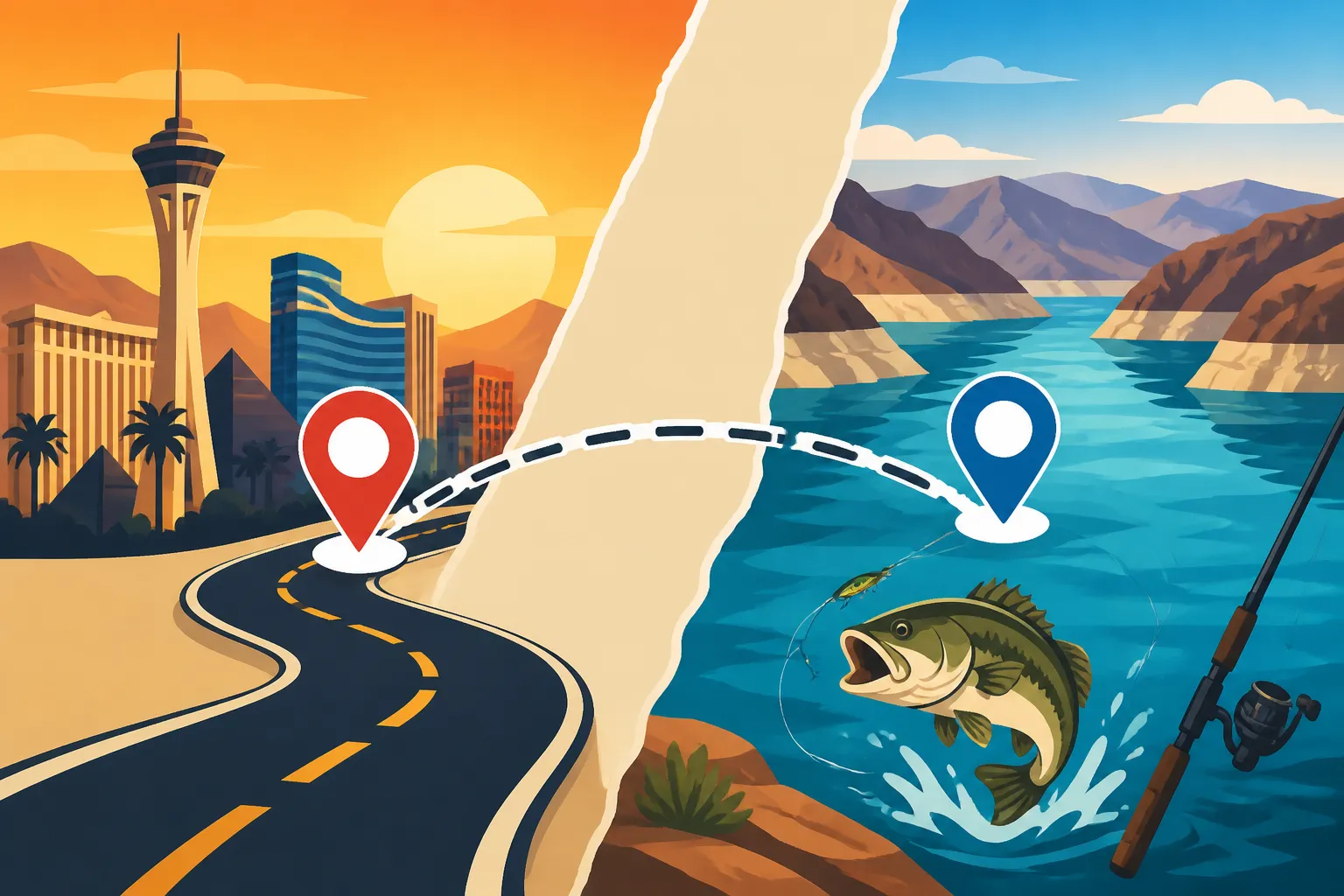
For most anglers and visitors, the journey to Lake Mead begins by heading southeast from Las Vegas. The most common route involves taking US-93/US-95 S out of the city. This highway will eventually lead you directly towards Boulder City and the Lake Mead National Recreation Area.
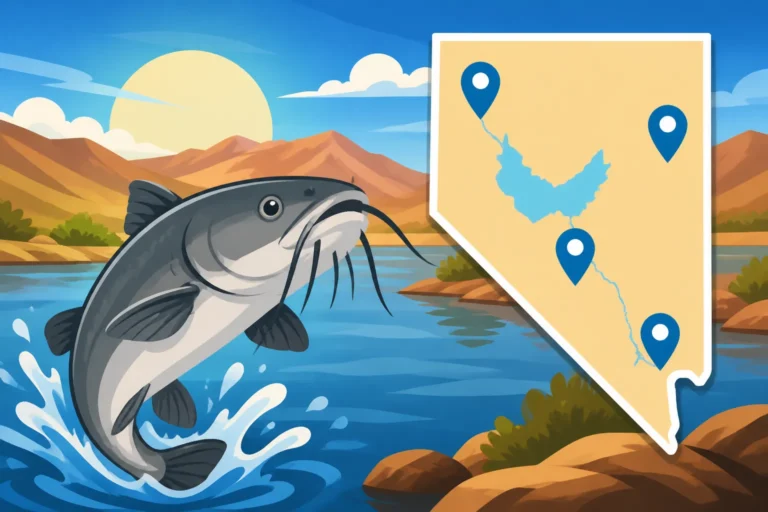
The closest and most frequently visited entry points, such as Hemenway Harbor and Boulder Beach, are typically just a 30 to 45-minute drive from the heart of Las Vegas. The average distance to these popular spots is roughly 25 to 35 miles, making it an incredibly convenient day trip. For example, to reach Hemenway Harbor, you're looking at about 28 miles, usually taking around 30-35 minutes without heavy traffic. If you're heading to Boulder Beach, it's a similar distance and time commitment. It's truly a quick escape from the city hustle.
Different Access Points to Lake Mead from Las Vegas
While Hemenway Harbor and Boulder Beach are closest, Lake Mead offers numerous access points, each varying slightly in distance and the experience they offer.
- Hemenway Harbor: This is often the first major access point you'll encounter and is a very popular spot for launching boats, fishing, and enjoying the scenic views. It's known for its Lake Mead Striped Bass Hotspots and easy access to the water.
- Boulder Beach: Just a bit further down the road from Hemenway, Boulder Beach is a favorite for swimming, picnicking, and shoreline fishing. It's a great choice if you're looking for family-friendly amenities.
- Callville Bay: Located further north on the lake, Callville Bay is a larger marina offering boat rentals, lodging, and a more expansive area to explore. The drive to Callville Bay from Las Vegas will extend to about 45-50 miles, taking closer to an hour.
- Echo Bay & Overton Beach: These are even further north, often requiring a drive of 60-70 miles, which can take an hour and a half or more. These spots offer a more remote experience, popular with those looking for a quieter escape or access to specific northern coves.
Your choice of access point will directly influence your drive time, so it's a good idea to decide where on the lake you want to go before punching it into your GPS.
Factors Influencing Your Travel Experience
While the average drive is short, a few things can impact your actual travel time:
- Traffic: As with any major city, rush hour in Las Vegas (typically 7-9 AM and 4-6 PM) can add significant delays, especially on the initial stretch of US-93/US-95 as you leave the metropolitan area. If you're planning an early morning fishing trip, you might avoid the worst of it.
- Day of the Week: Weekends and holidays naturally see increased traffic heading to Lake Mead, particularly during the warmer months. Fridays afternoon and Sunday evenings can be particularly busy.
- Time of Year: Summer months bring more visitors for recreational activities, meaning more cars on the road and at the lake's entry points. Winter generally offers a smoother, quieter drive.
- Construction: Roadwork is always a possibility. Keeping an eye on local traffic reports or using navigation apps can help you reroute if necessary.
Despite these variables, the drive to Lake Mead is generally very scenic, offering a gradual transition from urban sprawl to the stunning desert landscape.
Planning Your Trip Beyond Just the Drive
Knowing the distance to Lake Mead is just the first step. To truly enjoy your fishing adventure, you'll want to consider other important aspects of your trip. A well-planned outing ensures you spend more time enjoying the water and less time dealing with last-minute hassles.
Essential Preparations for a Lake Mead Fishing Excursion
Before you even leave Las Vegas, you'll need to make sure you're legally prepared to fish. Nevada has clear guidelines, and ignorance of the law is no excuse.
First and foremost, you'll need a valid Nevada Fishing License Guide. This is absolutely non-negotiable for anyone 12 years of age or older. You can purchase these online, at sporting goods stores, or at various vendors throughout the state. It's always best to get it beforehand to avoid delays. Along with your license, it's wise to familiarize yourself with the Nevada Fishing Regulations Explained which cover bag limits, species-specific rules, and any special restrictions that might be in place for Lake Mead.
If you plan on bringing your own boat, remember that you'll need to ensure you have proper Nevada Boat Registration for Anglers and that all required safety equipment is on board. Even if you're just fishing from shore, having the right gear is crucial. Consult a guide on Nevada Fishing Gear Essentials to make sure you have everything from rods and reels to bait and tackle. For those who prefer a guided experience, especially if you're targeting specific species like striped bass, looking into charter options through services like FishingBooker can really simplify things. They connect you with local captains who know the lake inside and out and can provide all the necessary gear.
Accommodation and Amenities Near Lake Mead
While Lake Mead is close enough for a day trip from Las Vegas, some anglers prefer to stay closer to the action, especially if they plan on multiple days of fishing.
- Boulder City: This charming, historic town is the closest community to the main Lake Mead access points. It offers a range of lodging options, from comfortable hotels to quaint bed and breakfasts, as well as several restaurants and grocery stores. It’s a great base if you want to be near the lake but still have access to town amenities.
- Lake Mead National Recreation Area Campgrounds: For a more immersive experience, the recreation area itself has several developed campgrounds at various locations like Boulder Beach, Callville Bay, and Temple Bar. These often require reservations, especially during peak season, but they offer direct access to the lake.
- Marinas: Some of the larger marinas, such as Callville Bay Resort & Marina and Temple Bar Resort & Marina, offer lodging options like motel rooms or small cabins, along with restaurants and general stores, making them incredibly convenient for boaters.
Planning your stay in advance, especially during popular fishing seasons, is highly recommended to secure your preferred accommodation.
Exploring Lake Mead's Best Fishing Spots
Lake Mead is a huge body of water, and knowing where to go can make a big difference in your success. The lake is famously known for its striped bass population, but you can also find largemouth bass, smallmouth bass, channel catfish, and more.
For those eager to chase the popular stripers, areas around the main channel, deep coves, and submerged structures are key. Sites like Government Wash Fishing Access and Hemenway Bay Fishing Access are often cited as prime locations for bank anglers and boaters alike. During certain times of the year, especially in the cooler months, striped bass can be found schooling and feeding aggressively, providing thrilling action.
If you're more into black bass, the coves and rocky points are where you'll want to focus your efforts. The varied depths and underwater structures of Lake Mead create excellent habitats for both largemouth and smallmouth bass. For a deep dive into specific targets, consider checking out guides on Striped Bass Fishing in Nevada or Largemouth Bass Fishing in Nevada for detailed techniques and seasonal patterns. Exploring the different arms and bays of the lake with a depth finder will reveal numerous promising spots.
Making the Most of Your Lake Mead Adventure
Once you're at Lake Mead, there's more to consider than just fishing. The vastness of the lake and its desert surroundings require a mindful approach to safety and planning.
Navigating the Lake and Safety Considerations
If you're venturing out on the water in a boat or kayak, safety should always be your top priority. Lake Mead is immense and can be unpredictable, with winds often picking up suddenly, creating choppy conditions. Always check the weather forecast before heading out. Having a full understanding of Essential Safety Gear for Boating on Lake Mead is crucial, including life jackets for everyone on board, a fire extinguisher, signaling devices, and a way to communicate in an emergency.
If you don't own a boat, many marinas, including those at Callville Bay and Lake Mead Marina, offer boat rentals. Alternatively, you can opt for a guided fishing charter. These trips are fantastic because the captain provides all the gear, knows the best spots, and prioritizes your safety. Booking through a reputable platform like FishingBooker can help you find experienced guides who specialize in Lake Mead fishing. They often have larger, more stable vessels and are intimately familiar with the lake's ever-changing conditions.
Seasonal Considerations for Your Visit
The Best Time of Year to Fish in Nevada and specifically Lake Mead largely depends on what you want to catch and your tolerance for heat.
- Spring (March-May): This is often considered prime time. Temperatures are pleasant, and many fish species, particularly bass, become very active as they move into shallower waters for spawning.
- Summer (June-August): Be prepared for extreme heat, with temperatures often exceeding 100°F. Early mornings and late evenings are the most comfortable times to fish. This is when striped bass often go deep, requiring specific techniques like jigging or trolling. Hydration is critical.
- Fall (September-November): Another excellent season, as temperatures cool down, and fish become more active, feeding aggressively before winter. Striped bass often chase shad near the surface during this time, providing exciting topwater action.
- Winter (December-February): While colder, winter can offer fantastic fishing for certain species, especially trout in stocked areas and deep-dwelling striped bass. The lake is much quieter, providing a peaceful fishing experience. Ice fishing is generally not an option on Lake Mead due to its size and warmer climate, unlike some northern Nevada lakes.
Day Trip vs. Extended Stay Planning
Deciding between a day trip and an extended stay depends on your goals and how much time you have.
- Day Trip: Given the relatively short Distance from Las Vegas to Lake Mead, a day trip is perfectly feasible. You can leave early, get several hours of fishing in, and be back in Las Vegas by evening. This is ideal for quick escapes, spontaneous fishing urges, or for those who prefer the amenities of the city for lodging. The downside is that it can feel rushed, and you might only scratch the surface of what the lake has to offer.
- Extended Stay: For a more relaxed and thorough fishing experience, an extended stay allows you to explore different areas of the lake, fish during various times of day, and react to changing conditions. You might discover hidden coves, experiment with different techniques, and truly immerse yourself in the natural beauty. This is especially beneficial if you're traveling a significant distance to get to Nevada or want to combine fishing with other activities like hiking or kayaking.
| Access Point | Approximate Distance from Las Vegas (miles) | Estimated Drive Time (minutes) | Primary Activities |
|---|---|---|---|
| Hemenway Harbor | 28 | 30-35 | Boat Launch, Striped Bass Fishing, Kayaking |
| Boulder Beach | 30 | 35-40 | Shoreline Fishing, Swimming, Picnics |
| Callville Bay | 45 | 55-65 | Marina Services, Boat Rentals, Lodge, Fishing |
| Echo Bay | 60 | 70-80 | Remote Fishing, Camping, Launch Ramp |
| Temple Bar | 75 | 90-100 | Marina Services, Lodge, More Remote Fishing |
Practical Travel Details and Tips
Even for a relatively short drive, having a few practical tips in your back pocket can make all the difference for a smooth and enjoyable journey to Lake Mead.
Fueling Up and Supplies
Leaving Las Vegas, you'll pass through Boulder City, which is your last major stop for fuel, groceries, and bait before you fully enter the Lake Mead National Recreation Area. While some marinas like Callville Bay do have general stores, their selection is often limited and prices can be higher. It's always a good idea to fill up your gas tank, grab any snacks, drinks, or extra bait you might need in Boulder City or even before you leave Las Vegas. This helps you avoid unnecessary detours and ensures you have everything you need for a full day on the water.
Alternative Transportation Options
While driving your own vehicle or a rental car is by far the most common and convenient way to get to Lake Mead from Las Vegas, alternative options are limited. There isn't a direct public transit route that will take you to the various access points within the National Recreation Area.
However, for those without their own transport, guided fishing tours or private shuttle services can be an option. Some fishing charter companies, especially those found through platforms like FishingBooker, might offer pick-up services from Las Vegas hotels, or they can help arrange transportation for you. These options provide a hassle-free way to get to the lake without worrying about navigation or parking, allowing you to simply relax and enjoy the fishing.
Digital Tools for Navigation and Information
In today's connected world, there are some fantastic tools at your fingertips that can vastly improve your Lake Mead trip planning and execution.
- Navigation Apps: Google Maps, Waze, and Apple Maps are invaluable for real-time traffic updates, estimated travel times, and directions to specific access points or marinas. Always download an offline map of the area if you anticipate patchy cell service, especially once you're deep within the recreation area.
- Weather Apps: Reliable weather forecasts are crucial for fishing and boating safety on Lake Mead. Check apps like AccuWeather or NOAA Weather for wind speeds, temperatures, and any potential storm warnings. The winds on Lake Mead can pick up quickly and unexpectedly, so staying informed is key.
- Lake Level Information: The water levels of Lake Mead fluctuate, which can impact boat ramps and fishing access. Many online resources, including the National Park Service and local news sites, provide up-to-date information on current lake levels, helping you plan which ramps are open and accessible.
- NDOW Resources: The Nevada Department of Wildlife (NDOW) website is a treasure trove of information, including fishing regulations, stocking schedules, and lake-specific details. They are your go-to for official regulations and updates on local fishing conditions.
By leveraging these digital tools, you can ensure your trip to Lake Mead from Las Vegas is not only efficient but also safe and well-informed, leading to a much more enjoyable fishing adventure.
Disclaimer
Please remember that fishing regulations, conditions, and access points can change. Always consult the latest Nevada Department of Wildlife (NDOW) regulations and the Lake Mead National Recreation Area official website before your trip to ensure you have the most up-to-date information. Your safety and compliance are your responsibility.