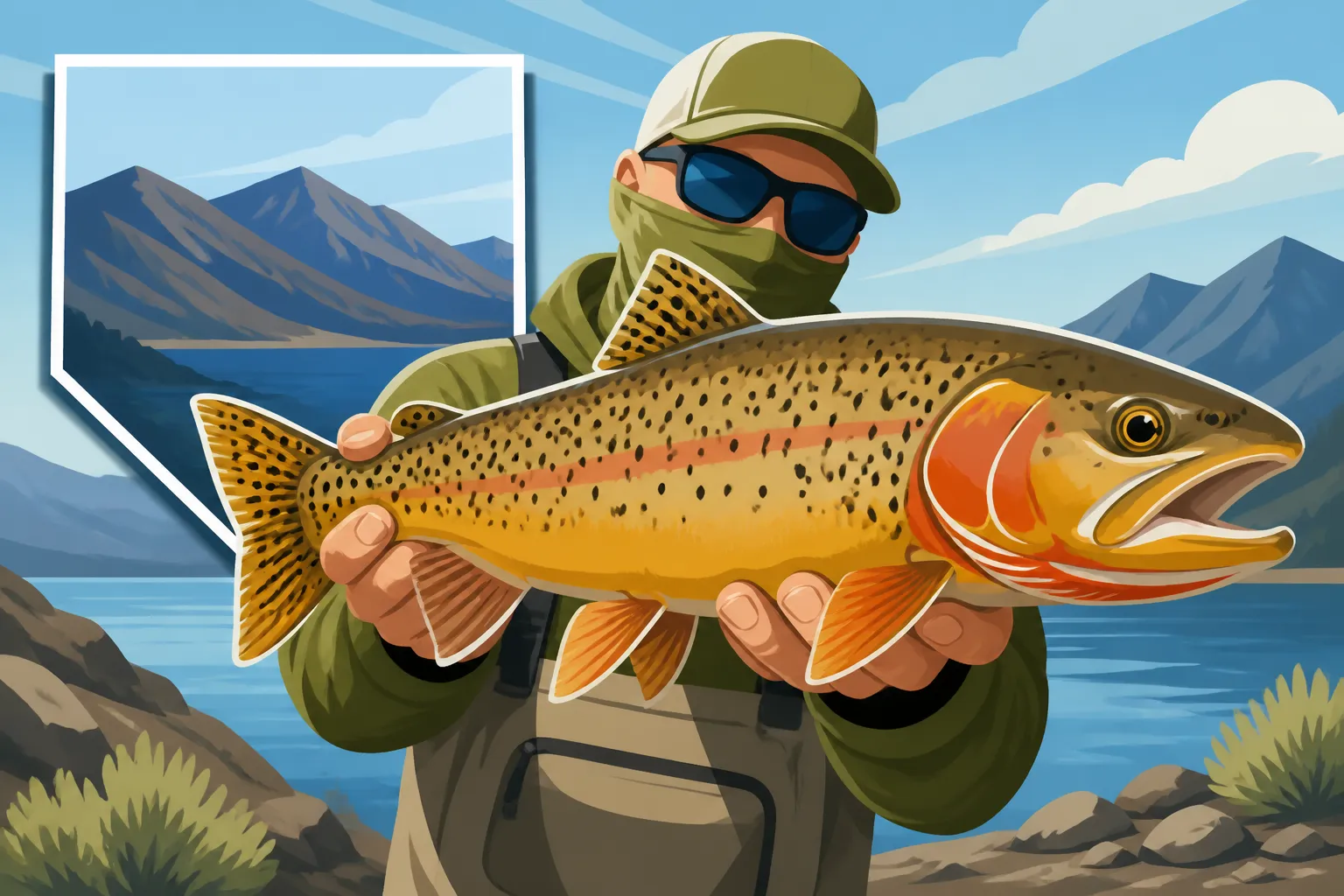
Nevada state record Lahontan cutthroat trout
For many Nevada anglers, the dream isn't just to catch a fish, it's to land a legend – a true trophy that stands among the best. And when we talk about legendary fish in the Silver State, the Lahontan cutthroat trout immediately comes to mind. These incredible native fish are renowned for their size and fighting spirit, and tales of record-breakers fuel countless fishing trips. This guide will take a deep dive into the elusive Nevada state record Lahontan cutthroat trout, exploring its history, the prime locations where such giants reside, and what it truly takes to pursue one of these magnificent fish.
Understanding the Nevada State Record Lahontan Cutthroat Trout
The Lahontan cutthroat trout holds a special place in the hearts of Nevada anglers, and for good reason. It's not just a fish; it's a symbol of Nevada's unique aquatic heritage, especially tied to ancient Lake Lahontan. These fish are known for their impressive size potential, and the state record is a testament to just how big they can get.
The Current Benchmark
Let's talk about the big one, the fish that set the bar. The Nevada state record for the Lahontan cutthroat trout stands at an astounding 41 pounds. This magnificent specimen was caught back in 1925, a true behemoth landed in Pyramid Lake. Just imagine the sheer power of a fish that size! It's a weight that many anglers only dream of, and it speaks volumes about the incredible potential of these native trout.
Catching a fish of this magnitude isn't just about luck; it reflects a healthy, thriving ecosystem capable of supporting such apex predators. The record has stood for decades, making it a legendary target for serious anglers who dedicate their lives to pursuing these incredible fish. It's a reminder that even today, with modern gear and techniques, breaking such a long-standing record is a monumental challenge.
Why Lahontan Cutthroat Trout Are So Special
The Lahontan cutthroat trout (Oncorhynchus clarkii henshawi) is the largest subspecies of cutthroat trout and is native to the Lahontan Basin of northern Nevada, northeastern California, and southeastern Oregon. They are uniquely adapted to the saline, alkaline waters of Pyramid Lake, which is their stronghold today. These fish are not just big; they are beautiful, with distinctive red or orange markings under their jaw, giving them their "cutthroat" name, and often a golden-bronze hue.
Beyond their physical attributes, they represent a significant conservation success story. Once on the brink of extinction, these fish have made a remarkable comeback, particularly in Pyramid Lake, thanks to dedicated efforts. This makes catching one, especially a large one, not just a personal achievement but a connection to a rich natural history. Lahontan Cutthroat Trout in Nevada delves deeper into their history and characteristics. Their resilience and the sheer awe they inspire are why anglers travel from all over to try their hand at catching one.
Where These Giants Lurk: Prime Habitats for Trophy Cutthroat
If you're dreaming of a record-breaking Lahontan cutthroat trout, there's really only one place that comes to mind with consistent trophy potential: Pyramid Lake. This ancient, saline lake is a world unto itself and provides the perfect conditions for these fish to reach monumental sizes.
Pyramid Lake: The Cutthroat Kingdom
Pyramid Lake, located north of Reno, isn't just a lake; it's a living legend. It's the sole natural habitat for the trophy-sized Lahontan cutthroat trout. The lake's unique ecosystem, fed by the Truckee River, supports a robust population of Tui Chub and Cui-ui, which serve as the primary forage for these giant trout, allowing them to grow to incredible sizes. The alkaline waters and deep structure create an ideal environment for large trout to thrive and evade capture.
Accessing Pyramid Lake requires a special Pyramid Lake Tribal Fishing Permit from the Pyramid Lake Paiute Tribe, as the lake lies within tribal lands. This permit helps fund conservation efforts and manage fishing responsibly, ensuring the health of this vital fishery. You'll find a deep connection to history here, with the unique geological formations like the Pyramid and Anaho Island, and the ancient cui-ui fish, a relative of the cutthroat, also calling these waters home. For more detailed information, check out our Pyramid Lake Nevada Fishing Guide.
The Lake's Deep Secrets and Hotspots
Trophy Lahontan cutthroat trout are notoriously elusive, often preferring the deeper, cooler waters of Pyramid Lake. However, they do move into shallower areas, especially during cooler months or early mornings and late evenings, to feed. Anglers often target specific geological features, like the numerous ledges, shelves, and points that drop off into deeper water around the lake. These transition zones provide excellent ambush points for large trout feeding on schools of baitfish.
Popular areas include the legendary "Ladders" at various points along the shore, where anglers use literal ladders to get out over deeper water. Places like Warrior Point, Popcorn Beach, and Pelican Point are famous for producing large fish. While specific spots can be hot one day and cold the next, understanding the lake's structure and the trout's seasonal movements is key. Large cutthroat will often cruise these ledges, waiting for an opportune moment to strike. Knowledge of the lake's unique characteristics and the fish's behavior is often more valuable than any secret spot.
Beyond the Record: What Makes a Trophy Lahontan Cutthroat?
Catching any Lahontan cutthroat trout is a thrill, but a true "trophy" fish, one that makes you feel like you've tangled with a dinosaur, is something else entirely. These aren't your average stocked rainbows; they're magnificent creatures honed by generations in a challenging environment.
Characteristics of a Giant
A trophy Lahontan cutthroat trout is immediately recognizable. They possess a thick, muscular body, often with broad shoulders, indicative of their predatory nature and powerful runs. Their coloring can vary from silvery to a deep olive-green or even bronze, often with pronounced black spots that extend down to their fins. The distinctive red or orange slash marks under their lower jaw are a defining feature.
More than just their looks, it's their sheer size and weight that categorize them as trophy fish. While the state record is 41 pounds, any fish over 15-20 pounds is considered an absolute monster and a fish of a lifetime for most anglers. Many anglers travel to Pyramid Lake hoping for a "twenty-pounder," a benchmark that signifies a truly exceptional catch. The average Lahontan cutthroat caught at Pyramid Lake is impressive, but those pushing the 15-pound mark and beyond are the real beasts.
Growth Factors and the Slot Limit
The incredible growth of Lahontan cutthroat trout at Pyramid Lake is primarily due to several critical factors: genetics, abundant forage, and specific regulations. The specific strain of cutthroat in Pyramid Lake is genetically predisposed to grow larger than other subspecies. More importantly, the immense population of Tui Chub provides an almost unlimited food source, allowing these trout to pack on weight rapidly. Pyramid Lake Season and Bag Limit Rules also play a crucial role.
The Pyramid Lake Paiute Tribe has implemented a strict "slot limit" for Lahontan cutthroat trout. This regulation typically requires fish between certain lengths (for example, 17 to 24 inches, though specific numbers can change and should always be verified with current regulations) to be immediately released. This protects the prime breeding-age fish and allows them to continue growing and reproducing, directly contributing to the population of potential record-breakers. This wise management strategy ensures that larger, older fish are protected, giving them a chance to become the giants that anglers dream of. The Lahontan cutthroat trout slot limit explained article provides further insights into these important rules.
The Quest for a Record: Gear, Techniques, and Persistence
Pursuing a Nevada state record Lahontan cutthroat trout is not for the faint of heart. It requires specialized gear, refined techniques, and above all, an unwavering commitment. This isn't just fishing; it's a strategic hunt for a truly magnificent creature.
Essential Gear for Trophy Hunting
When targeting giant Lahontan cutthroat, you need tackle that can handle the fight of a lifetime. Standard trout gear just won't cut it.
- Rods: Look for stout, medium-heavy to heavy action spinning or baitcasting rods, typically 8 to 11 feet in length for shore fishing, or shorter, powerful rods for boat applications. The extra length on shore allows for longer casts and better line control over the chop.
- Reels: Pair your rod with a high-quality, large-capacity spinning reel (size 4000-6000) or a robust baitcasting reel capable of holding ample heavy line. Smooth drag is absolutely non-negotiable.
- Line: You'll want strong braided line (30-50 lb test) for its sensitivity and casting distance, usually with a fluorocarbon leader (15-30 lb test) for abrasion resistance and stealth. These fish can be line shy, but you need the strength to turn a trophy. You can find excellent options for all these on Amazon, from trusted brands known for their durability.
- Lures & Baits: Large, heavy spoons (like Daredevils or Kastmasters), oversized streamers (for fly fishing), and large swimbaits that mimic the Tui Chub are popular choices. Some anglers also use bait, like preserved minnows or corn, though regulations for bait use at Pyramid Lake should always be checked. Learn more about the most effective offerings in Best bait for Lahontan cutthroat trout and Best fly patterns for Pyramid Lake cutthroat.
Techniques for Enticing the Giants
Whether you're fishing from the shore or a boat, specific techniques increase your odds of connecting with a trophy.
- Shore Fishing with Ladders: This iconic Pyramid Lake technique involves setting up a step ladder or specialized platform in the shallows, allowing anglers to cast further out into deeper water. From these elevated positions, anglers cast heavy spoons or jigs, retrieving them with a steady or jigging motion to imitate baitfish. This method can be incredibly effective, especially during prime feeding times.
- Boat Fishing: For those with a boat, trolling large spoons, crankbaits, or swimbaits at varying depths can be highly productive. Downriggers are often used to get lures to the specific depths where big cutthroat are feeding. Jigging vertically with heavy spoons or tubes over underwater structure is another potent boat technique, especially when fish are marked on a fish finder.
- Fly Fishing: Fly anglers typically use stripping baskets and powerful 7-9 weight rods, casting heavy sinking lines with large streamer patterns. The "balanced leech" or "pyramid bug" are famous patterns, often fished on retrieves that mimic swimming baitfish. Fly Fishing Gear for Pyramid Lake can help you choose the right setup.
The Patience and Precision of the Hunt
Catching a record or even a trophy Lahontan cutthroat is rarely a quick affair. It demands immense patience, often involving long hours of casting without a bite, especially when targeting fish of truly epic proportions. These fish are smart, powerful, and keenly aware of their surroundings.
When you do hook into a big one, the fight will be intense. Their powerful runs will test your tackle and your resolve. It's crucial to have your drag set correctly and to be prepared for a sustained battle. Once you've landed the fish, ethical handling is paramount. If you intend to weigh it for a record, have certified scales ready and keep the fish in water as much as possible. For catch-and-release, which is common for these magnificent fish, quick photos and careful handling are essential to ensure its survival. Our guide on How to handle and release a Lahontan cutthroat trout provides detailed instructions for this. Remember, a true trophy is not just about the size, but the respect you show to the fish and the resource.
| Category | Average Pyramid Lake Cutthroat | Trophy Class Cutthroat | Nevada State Record Cutthroat |
|---|---|---|---|
| Typical Weight | 3-8 pounds | 15-25+ pounds | 41 pounds |
| Typical Length | 18-24 inches | 30-36+ inches | Not recorded, but over 40" |
| Age (Estimated) | 3-6 years | 8-12+ years | Likely 15+ years |
| Forage Preferences | Tui Chub, Cui-ui, smaller fish | Large Tui Chub, Cui-ui | Large Tui Chub, Cui-ui |
| Primary Habitat | Throughout the lake | Deeper ledges, structure | Deeper ledges, structure |
| Challenge to Catch | Moderate | High | Extremely High |
Before heading out, always ensure you have a valid Nevada Fishing License Guide in addition to your Pyramid Lake permit. You'll need to be familiar with all the Nevada Fishing Regulations Explained before casting your line. The pursuit of a state record Lahontan cutthroat trout is an extraordinary challenge, but the possibility of connecting with such a magnificent fish keeps anglers coming back to the mystical waters of Pyramid Lake, year after year.
Disclaimer
This article is for general informational purposes only and does not constitute professional advice. Laws, prices and regulations vary by location and change over time. Consult a qualified professional for guidance on your specific situation.