Why Lake Mead striped bass run smaller than they used to
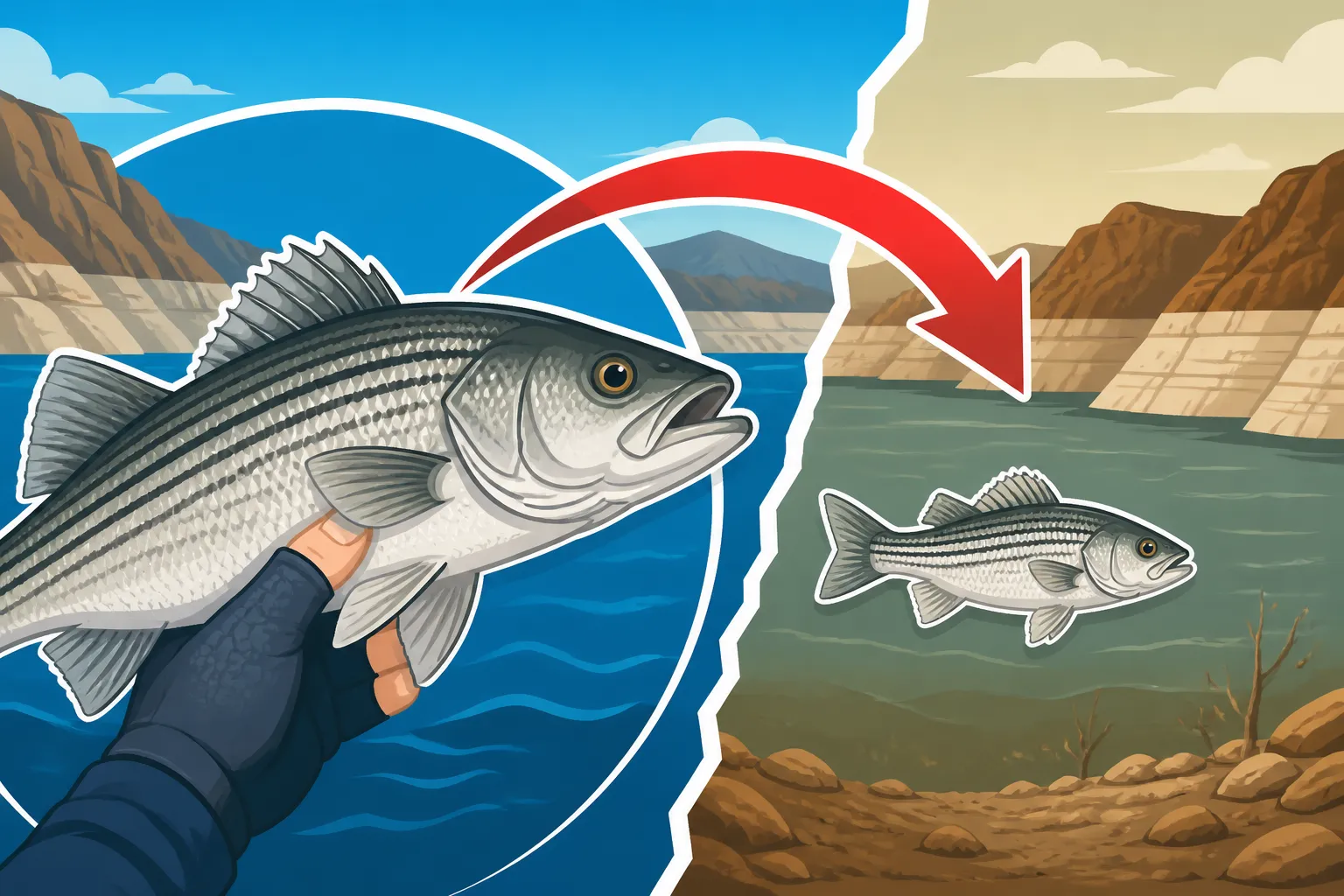
It's no secret that Lake Mead's striped bass aren't quite the giants they used to be. For many long-time Nevada anglers, it's a topic of frequent conversation, often accompanied by a sigh and a wistful look back at the good old days. If you've spent any time on the lake in recent years, you've probably noticed that catching a truly large striper can feel like hitting the lottery, and that's a frustrating shift. This comprehensive guide will dive deep into the ecological factors and environmental changes contributing to this phenomenon, helping you understand why these powerful fish are running smaller and what it means for your next fishing trip.
Remembering the Glory Days: Lake Mead's Striped Bass History
For decades, Lake Mead was synonymous with incredible striped bass fishing. Anglers would flock to its waters, anticipating battles with hard-fighting stripers that often tipped the scales into the double digits. It wasn't uncommon to hear stories of 20, 30, or even 40-pound monsters being pulled from the depths. These weren't just fish; they were legends, creating memories that lasted a lifetime and solidifying Lake Mead's reputation as a premier striped bass fishery.
The Explosive Introduction and Early Success
Striped bass aren't native to Nevada, but their introduction to Lake Mead in the 1950s and 60s was, for a time, a phenomenal success story. They were brought in to help control populations of prolific forage fish, particularly threadfin shad, and to provide a new, exciting sport fishery. The initial years were nothing short of explosive. With an abundance of food, optimal water conditions, and relatively low fishing pressure, the striped bass population absolutely boomed. Fish grew rapidly, reaching impressive sizes, and their numbers seemed endless. It was an era where even novice anglers could experience the thrill of a big striper on the line, creating a generation of devoted striped bass fanatics.
When Bigger Was Better: The Trophy Years
During the peak years, the sheer volume of food in Lake Mead allowed striped bass to grow to truly astonishing sizes. These fish are voracious predators, and with an almost endless buffet of threadfin shad, they had everything they needed to pack on pounds. The lake's vast, deep waters provided ideal habitat, and the consistent inflow from the Colorado River maintained a stable environment. Anglers were routinely catching fish over ten pounds, and landing a striper in the 20 to 30-pound range was a realistic goal on any given outing. These were the days when many of the Nevada state record striped bass were established, and every fishing tale from Lake Mead seemed to involve a monstrous striper. It was a golden age that set a high bar for what anglers expected from this remarkable fishery, a bar that, unfortunately, has become increasingly difficult to reach.
The Vanishing Buffet: Why Lake Mead's Stripers Face a Food Shortage
The most significant factor contributing to the smaller average size of Lake Mead's striped bass is a drastic reduction in their primary food source: threadfin shad. Think of it like a restaurant that used to have an all-you-can-eat buffet, but now only serves appetizers. The stripers are still there, but they're not getting the sustenance needed for rapid growth and trophy sizes.
Threadfin Shad: The Cornerstone of the Striper Diet
Threadfin shad are small, silvery baitfish that were once incredibly abundant in Lake Mead. They reproduce quickly and in huge numbers, providing the perfect, protein-rich diet for growing striped bass. In fact, you could say that the health and size of Lake Mead's striped bass population are directly tied to the health and abundance of the threadfin shad. These little fish form the base of the food chain for many predatory species in the lake, and for striped bass, they are absolutely crucial. When threadfin shad thrive, so do the stripers. Anglers often look for boils or schools of shad on their fish finders, knowing that where the baitfish are, the stripers are usually not far behind. To learn more about what these powerful fish prefer, check out our guide on What striped bass eat at Lake Mead.
The Impact of Water Levels and Habitat Changes
Unfortunately, Lake Mead has experienced significant changes in its water levels over the past couple of decades, and this has had a devastating effect on the threadfin shad population. Lower water levels mean less overall habitat, but critically, it also means less shallow, vegetated areas where threadfin shad spawn and where their young can find refuge from predators. Think of these as nurseries for the shad. When these areas shrink or disappear, the shad's ability to reproduce successfully is severely hampered. Less successful spawning leads to fewer shad, which in turn means less food for the stripers.
Furthermore, lower water levels can lead to changes in water temperature and oxygen levels in certain parts of the lake, which can also stress or kill off shad. The once-expansive, diverse habitat that supported a thriving shad population has become more constrained, creating a bottleneck in the food web. This reduced forage base means that even if a striped bass survives to adulthood, it might not have enough to eat to reach the larger sizes that were once common. This issue is a critical part of How water level affects fishing at Lake Mead.
Environmental Shifts and Their Impact on Striped Bass Growth
Beyond the direct impact on the food chain, broader environmental shifts in Lake Mead have also played a role in the declining size of striped bass. These are often complex, interconnected issues that create a cascade effect throughout the lake's ecosystem.
Water Quality, Temperature Swings, and Competition
Lake Mead is a desert reservoir, and as water levels fluctuate, so can its temperature and overall water quality. Striped bass, while hardy, prefer certain temperature ranges for optimal growth and health. Extreme heat in shallower, shrinking waters can stress fish, making them less likely to feed aggressively or grow as large. Changes in nutrient levels and the introduction of invasive species, like quagga mussels, can also indirectly affect the food web. Quagga mussels, for instance, are filter feeders that consume vast amounts of plankton, which are the food source for many smaller organisms, including juvenile threadfin shad. This creates yet another pressure point on the already struggling forage base.
Moreover, while striped bass are at the top of their food chain, they still face competition for available food resources, especially when that resource is scarce. Other predatory fish, even if they're not eating shad exclusively, contribute to the overall demand on the lake's limited food supply. When the buffet is small, everyone gets less.
The Role of Increased Fishing Pressure and Harvest
It's natural to assume that if there are fewer big fish, it must be because people are catching them all. While fishing pressure is a factor, it's generally considered secondary to the forage base issue for the average size decline. However, a prolonged period of high fishing pressure, particularly when combined with a dwindling food supply, can certainly keep the larger, older fish from developing. If anglers are consistently harvesting fish, especially larger ones, before they reach their full growth potential, it can contribute to a reduction in the overall average size over time.
For a long time, there was very little regulation on striped bass harvest in Lake Mead, largely due to their non-native status and the desire to control their population. This policy, while well-intentioned at the time, meant that a lot of fish were being removed from the system. When food became scarce, the combination of a reduced food supply and continued harvest pressure meant fewer fish were able to achieve trophy status. It's a delicate balance, and understanding the role of human activity is part of the larger picture of Nevada Fishing Regulations Explained.
Adapting Your Angling Approach and Looking to the Future
So, what does this mean for you, the angler who just wants to enjoy a day on Lake Mead and maybe catch a nice striper? It means adapting, understanding, and appreciating the fishery for what it is today. While the glory days of easy giants might be behind us for now, Lake Mead still offers exciting striped bass fishing.
Changing Tactics for Modern Lake Mead Stripers
The biggest change you'll need to make is adjusting your expectations and your fishing tactics. Instead of solely targeting massive trophy fish, you'll likely find more success and enjoyment by focusing on numbers of smaller, but still incredibly fun-to-catch, stripers. These fish are still powerful and put up a fantastic fight!
- Go Lighter: With smaller average fish sizes, you might consider lighter tackle than you would have used a decade or two ago. This can make even a 5-pound striper feel like a monster. For a good selection of lighter gear that's still durable, you might browse options on Amazon.
- Focus on Schools: Stripers are schooling fish. Instead of waiting for a trophy to come by, actively search for schools of feeding stripers, often indicated by bird activity or surface boils. When you find one, you can often catch multiple fish in a short period. Our guide on Lake Mead Striped Bass Hotspots can help you find areas where schools are more likely to gather.
- Vary Your Lures and Baits: While live bait like anchovies or shad can be incredibly effective, don't shy away from artificial lures. Jigs, swimbaits, and topwater lures can all provoke aggressive strikes. Experiment with different colors and sizes to see what's working on a given day. Dive into Best Lures for Striped Bass for more specific recommendations.
- Time Your Trips: While you can catch stripers year-round, certain seasons and times of day are often more productive, especially when the fish are actively feeding on limited forage. Check out Nevada Fishing Seasons by Month for seasonal insights.
- Consider Catch and Release: If your goal isn't to fill the freezer, practicing catch and release, especially for the slightly larger fish you might encounter, can help support the population of mature breeding fish.
The Future of Lake Mead's Striped Bass Fishery
The future of Lake Mead's striped bass fishery is closely tied to the future of the lake itself. Continued fluctuations in water levels will likely remain a challenge, directly impacting the recovery of the threadfin shad population. Conservation efforts by wildlife agencies focus on managing the existing populations and understanding the complex ecosystem dynamics. This includes monitoring fish health, populations of forage fish, and overall water quality.
For anglers, a pragmatic approach means enjoying the fishery for what it is. The thrill of a striper on the line, whether it's a 3-pounder or a rare double-digit fish, is still a fantastic experience. Lake Mead remains an incredible destination, and by understanding the challenges it faces, we can all contribute to its long-term health, perhaps allowing those trophy-sized stripers to make a comeback someday.
| Factor | Impact on Striped Bass Size | Explanation |
|---|---|---|
| Threadfin Shad Abundance | Directly Negative | Primary food source reduction means less energy for growth and larger sizes. |
| Water Levels | Indirectly Negative | Lower levels reduce spawning/nursery habitat for shad, limiting their numbers and thus striper food. |
| Water Temperature | Indirectly Negative | Extreme temperatures can stress fish, reducing feeding and growth rates. |
| Fishing Pressure | Moderately Negative | Consistent harvest, especially of larger fish, can reduce the number of fish reaching trophy size. |
| Competition for Food | Moderately Negative | Other predators and invasive species further reduce the limited available forage. |
| Habitat Diversity | Directly Negative | Reduced varied habitat (due to low water) affects both stripers and their food sources. |
This table highlights the multifaceted challenges facing Lake Mead's striped bass, primarily revolving around the diminished food supply and environmental pressures.
Disclaimer
This article is for general informational purposes only and does not constitute professional advice. Laws, prices and regulations vary by location and change over time. Consult a qualified professional for guidance on your specific situation.