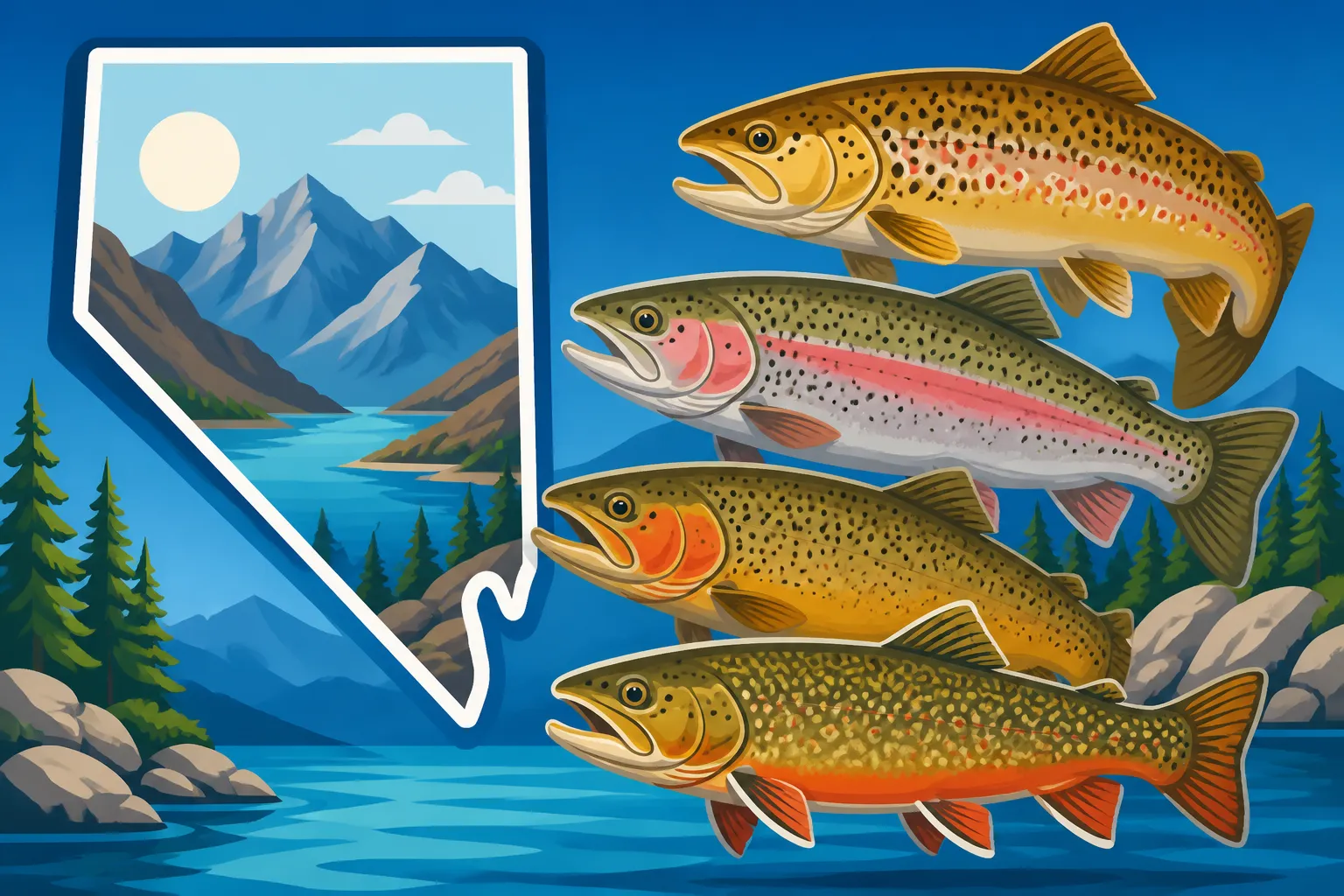
Trout species stocked in Nevada lakes
It can be incredibly confusing to know what kind of fish you're actually casting for when you head out to one of Nevada's beautiful lakes or ponds. Many anglers, especially those new to the Silver State, wonder about the trout they're catching. This guide will demystify the topic, clearing up exactly which trout species the Nevada Department of Wildlife (NDOW) regularly stocks in Nevada's lakes and why they are such a vital part of our local fishing scene.
Why Nevada Stocks Trout in Its Waterways
Fishing for trout is a beloved pastime across Nevada, whether you're a seasoned angler chasing a trophy or a family enjoying a relaxing afternoon by a community pond. But maintaining healthy, vibrant trout populations in our often-harsh desert environment isn't always something that happens naturally. That's where strategic stocking comes into play, ensuring there are plenty of opportunities for everyone to enjoy.
Meeting Angler Demand and Boosting Recreation
Let's be honest, nothing beats the excitement of a bending rod and a strong fish on the line. For many, that fish is often a trout, especially when it comes to readily accessible waters. Nevada's population, both residents and visitors, has a strong appetite for fishing, and a significant portion of that demand is centered around trout. Without NDOW's diligent stocking efforts, many of our most popular fishing spots would simply not be able to sustain the level of angling pressure they receive. It’s about creating consistent, enjoyable experiences.
Think about those sunny weekend mornings at an urban pond or a scenic state park lake. You see families with kids excitedly pulling in fish, seasoned anglers honing their skills, and newcomers discovering the joy of the sport. This vibrant recreational activity directly contributes to local economies and provides invaluable outdoor experiences. Stocking ensures that these opportunities remain plentiful, making Nevada a fantastic destination for anyone looking to wet a line. It’s about more than just fish; it’s about community, family time, and connecting with nature.
The Role of NDOW in Stocking Programs
The Nevada Department of Wildlife (NDOW) is the unsung hero behind much of the state's trout fishing success. They don't just randomly dump fish into lakes; their stocking programs are meticulously planned and executed with scientific precision. NDOW operates several state-of-the-art fish hatcheries where millions of trout are raised each year. These hatcheries are essentially fish nurseries, providing a safe and controlled environment for trout to grow to a catchable size before being introduced into public waters.
Their decisions on what to stock, where, and when are based on a complex array of factors. They consider water temperature, oxygen levels, existing fish populations, disease risks, and, of course, angler access and demand. The goal is to maximize the survival of the stocked fish and ensure a high catch rate for anglers. NDOW’s biologists continually monitor these fisheries, adjusting stocking schedules and species mixes to maintain a healthy and productive environment. This commitment ensures that when you head out, you have a real chance at success, thanks to their dedicated efforts. For more on how they operate, you can often find details on the Nevada Trout Stocking Schedule.
The Primary Players: Rainbow Trout and Their Cousins
When you hear "stocked trout" in Nevada, chances are the first image that pops into your head is a rainbow trout. And for good reason! They are the cornerstone of many of our put-and-take fisheries, but they aren't the only ones swimming around. Sometimes, you might encounter other exciting species that add a little more diversity to your catch.
The Ubiquitous Rainbow Trout
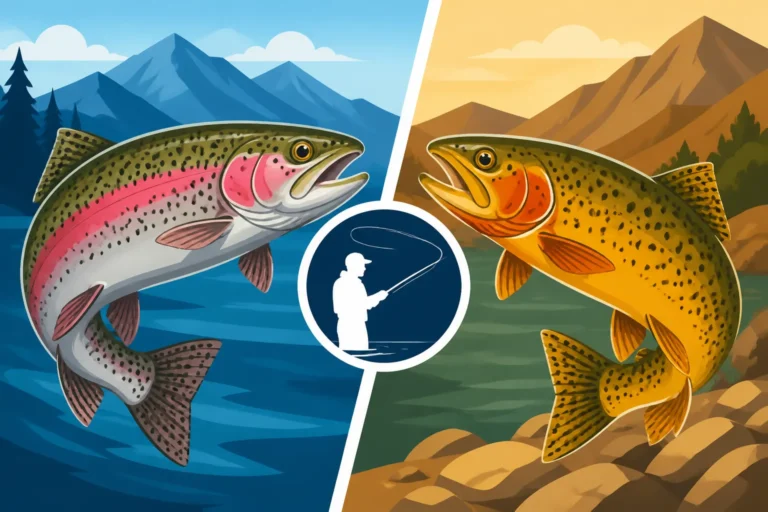
Ah, the rainbow trout! These beauties are by far the most commonly stocked trout species across Nevada, and for good reason. They're hardy, they grow relatively quickly in hatchery environments, and most importantly, they're eager to bite. For anglers, especially beginners or those fishing with children, rainbow trout provide consistent action and a great introduction to the sport. When stocked, they typically range from about 8 to 12 inches, a perfect pan-size for dinner.
You'll find rainbow trout in urban ponds like those in Las Vegas, at popular state park lakes, and larger reservoirs. They are recognizable by their iridescent skin, often with a pink or red stripe running horizontally along their sides, and small black spots covering their body and fins. They're known for their acrobatic fights once hooked, often leaping out of the water, which makes them incredibly fun to catch. Their willingness to strike a variety of baits and lures also makes them versatile targets for anglers using everything from powerbait to small spinners.
Beyond Rainbows: Brown Trout and Tiger Trout
While rainbows steal the show in terms of sheer numbers, other trout species occasionally make an appearance in Nevada's stocked waters, adding a unique twist to your fishing adventure. Brown trout, for instance, are sometimes stocked, especially in waters that have a bit more cover or colder, more oxygenated conditions. These fish are known for being a bit more elusive and wary than rainbows, making them a prized catch for many. They have a distinct golden-brown color, often with dark spots surrounded by lighter halos, and sometimes reddish-orange spots along their sides.
Tiger trout, on the other hand, are a truly fascinating and beautiful hybrid. These sterile crossbreeds of a brown trout and a brook trout (though brook trout aren't typically stocked in Nevada, the brown trout side of the lineage is relevant) are recognized by their intricate, worm-like patterns resembling a tiger's stripes. NDOW occasionally stocks tiger trout in specific waters, often to manage other fish populations or simply to provide a unique trophy opportunity for anglers. They are known for being aggressive fighters, and catching one is often a memorable event due to their stunning appearance and spirited battle. You can learn more about these specific species and where they might be found in articles like Brown Trout in Nevada Reservoirs or Tiger Trout Hybrid at Wildhorse Reservoir.
Native Wonders: Lahontan Cutthroat Trout
While stocking efforts primarily focus on non-native rainbow trout to enhance recreational fishing, it's crucial to acknowledge Nevada's incredible native trout heritage, especially the magnificent Lahontan Cutthroat Trout. These fish aren't generally "stocked" in the same way you might think of rainbows being dropped into a community pond, but their presence is carefully managed and they represent a vital part of Nevada's fishery.
The Iconic Lahontan Cutthroat Trout
The Lahontan Cutthroat Trout (LCT) is Nevada's state fish and an incredible conservation success story. These are the largest subspecies of cutthroat trout and are native to the Lahontan Basin, which includes iconic waters like Pyramid Lake. Unlike the rainbows brought in from hatcheries for recreational "put-and-take" fishing, LCT populations are managed with a focus on restoration and conservation within their native habitats. Catching a Lahontan Cutthroat, especially a monster from Pyramid Lake, is often a once-in-a-lifetime experience for many anglers.
While NDOW does sometimes introduce LCT into certain waters, it's typically part of a broader restoration program to re-establish native populations, not simply to boost catch rates for a weekend. These fish are characterized by their large scales, a deep purplish-blue body, and, of course, the distinctive red or orange "cutthroat" slash marks under their lower jaw. Their unique life cycle and specific habitat requirements make them a truly special fish to encounter. If you're planning a trip to target these magnificent native trout, you'll definitely want to check out resources like Lahontan Cutthroat Trout in Nevada and especially Pyramid Lake Nevada Fishing Permit Guide, as these waters often have specific regulations and permit requirements.
Distinguishing Stocked vs. Wild/Native Trout
It's actually pretty fascinating to learn how to tell the difference between a stocked trout and a wild or native trout, and it adds another layer of appreciation to your catch. Stocked trout, particularly rainbows from hatcheries, often have noticeably worn or "fin-eroded" fins. Because they're raised in crowded concrete raceways, their fins can rub against surfaces or other fish, leading to blunted or ragged edges. Their colors might also appear a bit more muted or uniform compared to their wild counterparts.
Wild or native trout, on the other hand, typically boast pristine, well-formed fins that are sharp and intact. Their coloration is often more vibrant and adapted to their specific natural surroundings, with richer, deeper hues that serve as camouflage. For native species like the Lahontan Cutthroat, their markings will be very distinct. Beyond appearance, the fight can feel different too; wild trout, having to fend for themselves from birth, often possess a more robust and energetic battle once hooked. Knowing these subtle differences can make your fishing experience even more rewarding. An article like How to tell a rainbow trout from a cutthroat trout can offer even more specific identification tips.
Where These Stocked Beauties Go
Nevada’s stocking programs are designed to spread the joy of trout fishing across various types of waters, from easily accessible city parks to larger, more remote reservoirs. This strategic approach ensures that anglers of all skill levels and geographical locations have a chance to experience the thrill of a trout on the line.
Urban Ponds and Community Fisheries
For many, the first experience with trout fishing happens right in their backyard – or at least, very close to it – in one of Nevada’s urban ponds or community fisheries. These smaller, often man-made bodies of water are typically found within city parks, making them incredibly accessible for families, beginners, and anyone looking for a quick fishing fix without a long drive. Places like Floyd Lamb Park in Las Vegas or the ponds in Reno are prime examples.
These urban ponds are usually stocked heavily with rainbow trout, sometimes on a weekly or bi-weekly basis, especially during the cooler months when trout thrive in the warmer southern Nevada climate. The goal is to provide a high-success fishery that encourages participation and gets people outdoors. They're perfect for teaching kids how to cast, practicing your technique, or just enjoying a peaceful morning by the water. You'll find regulations specific to these ponds, often focused on encouraging catch-and-keep to make room for the next stocking. For more details on these family-friendly spots, check out guides like Las Vegas Nevada Urban Pond Fishing Guide and Floyd Lamb Park Fishing Ponds.
Larger Reservoirs and Mountain Lakes
Beyond the urban oases, NDOW also focuses stocking efforts on many of Nevada's larger reservoirs and picturesque mountain lakes. These waters offer a different kind of fishing experience, often with more expansive scenery, opportunities for boating, and the chance to chase larger, more elusive fish. While some of these larger bodies of water may have existing wild trout populations, stocking helps to supplement these, providing a boost to overall fish numbers and increasing angler success rates.
Lakes such as Lake Mohave, Wildhorse Reservoir, and various other state park lakes across northern and eastern Nevada regularly receive stockings of rainbow trout, and sometimes other species like brown or tiger trout. In these bigger waters, the stocked trout have more room to roam, grow larger, and can even develop more wild instincts, offering a more challenging and rewarding fight. These locations often become popular destinations for weekend trips, offering camping, boating, and stunning natural backdrops. Exploring these waters can reveal some of the most beautiful fishing spots in the state. Don't forget to look into resources such as Lake Mohave Nevada Fishing Guide or Best Nevada Trout Lakes to pinpoint your next adventure.
Comparing Nevada's Stocked Trout
To give you a clearer picture, here’s a quick overview of the main trout species you'll encounter through stocking efforts in Nevada, along with some key characteristics:
| Species | Primary Stocking Purpose | Typical Appearance | Common Locations | Unique Traits/Notes |
|---|---|---|---|---|
| Rainbow Trout | Recreational put-and-take fishing | Iridescent, pink/red stripe, small black spots | Urban ponds, state park lakes, many reservoirs | Most common, eager bite, acrobatic fights. |
| Brown Trout | Diverse fisheries, sport fishing | Golden-brown, dark spots with light halos, reddish spots | Some larger reservoirs, specific colder waters | More wary, stronger fight, often grow larger than stocked rainbows. |
| Tiger Trout | Specialty sport fishing, unique experience | Distinct "tiger stripe" pattern, dark mottling | Specific reservoirs (e.g., Wildhorse), often limited | Sterile hybrid, aggressive, stunning appearance, trophy potential. |
| Lahontan Cutthroat | Native species restoration, conservation | Deep purplish-blue, large scales, red "cutthroat" mark | Pyramid Lake, specific native watersheds | Nevada's state fish, native, managed for conservation, trophy size potential. |
Essential Gear for Stocked Trout Success
Knowing which trout species are likely to be stocked is a fantastic start, but having the right gear is what truly turns potential into success on the water. The beauty of trout fishing, especially for stocked fish, is that it doesn't require an arsenal of expensive equipment. Simplicity and effectiveness are often key.
Basic Tackle for Beginners
If you're just starting out, or you're taking someone new to the sport, don't feel like you need to break the bank. A basic spinning rod and reel combo is all you really need. Look for a lightweight rod, perhaps 5 to 6 feet long, paired with a small spinning reel spooled with 4 to 6-pound test monofilament line. This setup is versatile, easy to cast, and sensitive enough to feel those gentle trout bites. You can find excellent beginner rod and reel combos on Amazon that won't strain your wallet.
When it comes to bait, stocked rainbow trout are notoriously less picky than their wild cousins. The classic choices include PowerBait (in various colors and forms, like nuggets or dough), nightcrawlers (worms), or even corn. Rigging is simple: a small hook (size 10 to 14), a split shot or two to get your bait down, and maybe a small bobber if you're fishing still water. This no-fuss approach is incredibly effective and makes for a fun, frustration-free day on the water, especially for youngsters. Remember, simplicity often leads to smiles when fishing for stocked trout!
Lures and Techniques for More Experienced Anglers
For those looking to step up their game or simply prefer an active style of fishing, a variety of lures can be incredibly effective on stocked trout. Small inline spinners, such as those made by Panther Martin or Mepps, in silver, gold, or brass finishes, are perennial favorites. Casting these out and retrieving them at a steady pace often triggers an aggressive strike. Small spoons, like Kastmasters or Little Cleos, also work wonders, especially when retrieved with a slight jigging motion.
Fly fishing can also be incredibly rewarding for stocked trout, though it requires a different set of skills and specialized gear. Small nymphs, dry flies that mimic local insects, or even tiny streamers can be very effective, especially if the fish have been in the water for a little while and have adapted to feeding on natural prey. You might find a good selection of specialized tackle, including appropriate flies, on Amazon for your next outing. No matter your preferred method, always consider the size of the water you're fishing and the prevalent forage to select the most appropriate lure or fly. For more specific guidance on what to use, check out our Best Tackle for Nevada Trout Fishing guide. And if fly fishing calls to you, our Best Fly Fishing Gear for Nevada Waters article has you covered.
Tips for Finding the Freshest Stocked Trout
There's a saying among trout anglers: "Fish where the fish are." And when it comes to stocked trout, knowing when and where they've been recently released can dramatically increase your chances of success. It's all about timing and understanding their initial behavior.
Following Stocking Schedules
The single best way to consistently find fresh stocked trout is to keep a close eye on the Nevada Department of Wildlife's (NDOW) stocking schedules. NDOW usually publishes these reports online, often indicating which specific lakes, reservoirs, or urban ponds have received fish and when. Getting to a newly stocked water body within a day or two of the release can be incredibly advantageous. These freshly introduced fish are often still a bit disoriented from their journey from the hatchery and are typically very eager to bite, as they haven't yet adapted to natural food sources or developed wariness towards anglers.
It's a common practice for seasoned anglers to check these updates regularly. Imagine the satisfaction of being one of the first few to cast a line into a lake that just received a fresh batch of feisty rainbows! This approach greatly reduces the guesswork and maximizes your time on the water, turning a potentially frustrating day into a productive one. Always make it a habit to check the NDOW website before you head out, and if you're lucky, you might just hit the jackpot.
Understanding Trout Behavior After Stocking
Once those hatchery trucks have rolled away, the stocked trout embark on a period of adjustment. Immediately after stocking, these fish tend to congregate in the areas where they were released. This means focusing your efforts near boat ramps, designated stocking points, or accessible shoreline areas can be very effective in the hours and days following a release. They often stick to shallower waters initially, exploring their new surroundings.
As time goes on, they'll begin to spread out and adapt to their new environment, seeking out cover, structure, and natural food sources. This is when they might become a bit more challenging to catch, requiring more varied techniques and a deeper understanding of trout behavior. The initial period, however, is often characterized by a "feeding frenzy" as they adjust to their freedom. Sometimes, just sitting patiently near where they were released, with a simple PowerBait setup, is all you need. Amazon offers a plethora of books and guides on fishing techniques that can help you understand these nuances of trout behavior, even after they've been in the water for a while.
Disclaimer
This article is for general informational purposes only and does not constitute professional advice. Laws, prices and regulations vary by location and change over time. Consult a qualified professional for guidance on your specific situation.