Fish species living in the Humboldt River
Have you ever stood on the banks of the Humboldt River, watching its often slow-moving, sometimes murky waters, and wondered what creatures truly thrive beneath the surface? It’s easy to dismiss a desert river as barren or uninteresting for fishing, but the Humboldt holds a surprising array of fish species, each uniquely adapted to its challenging, yet vital, ecosystem. This guide will take you on a deep dive into the diverse aquatic life inhabiting the Humboldt, from hardy native species to resilient introduced populations, helping you appreciate and potentially fish this often-overlooked Nevada waterway.
The Humboldt River: A Unique Aquatic Landscape
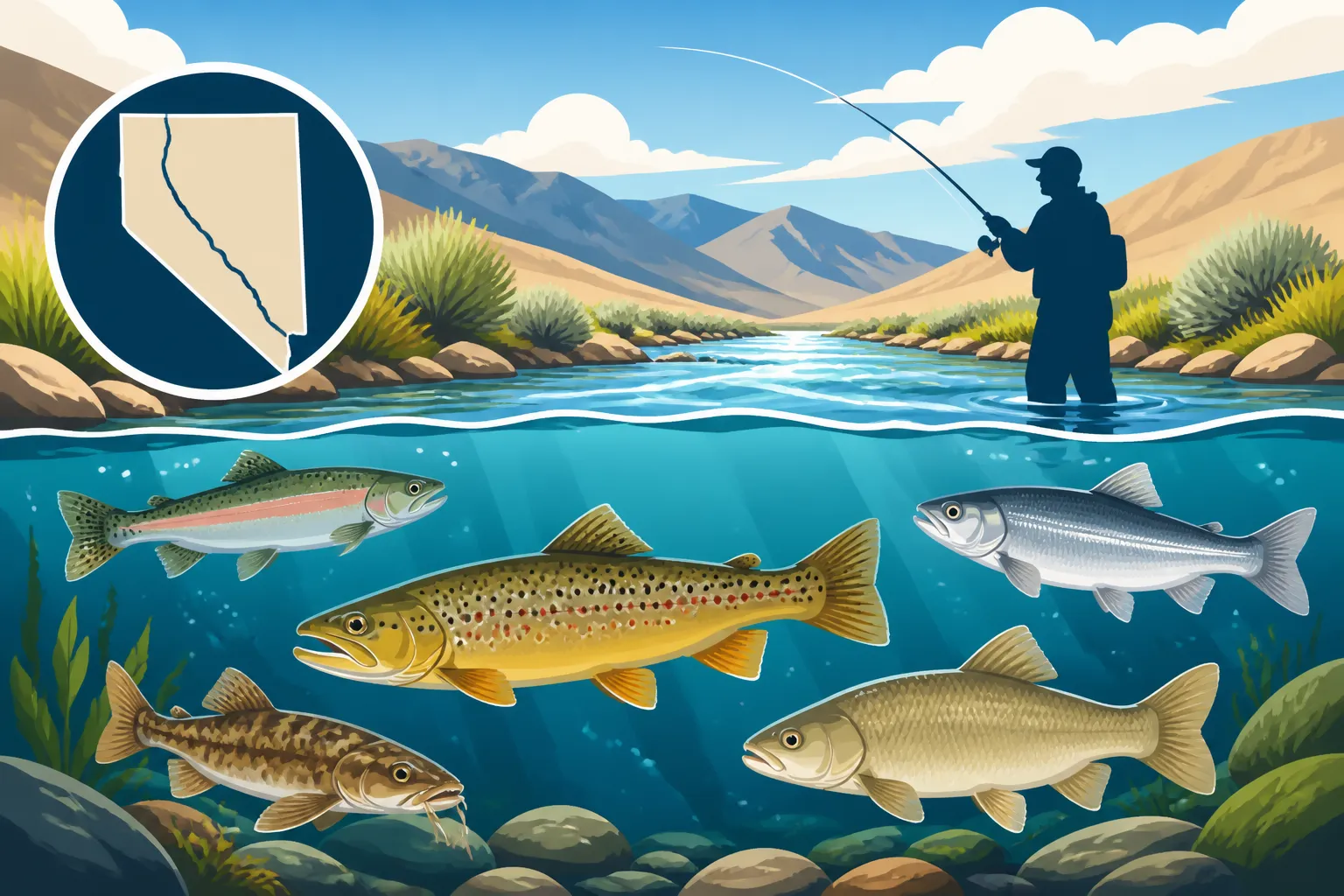
The Humboldt River isn't your typical roaring mountain stream; it's a lifeline carving its way across much of northern Nevada, flowing generally westward across thousands of square miles before eventually disappearing into the Humboldt Sink. This unique geography and hydrological pattern create a very specific environment that favors certain types of fish over others. Unlike the swift, cold waters that trout often prefer, the Humboldt can experience significant temperature fluctuations, periods of low flow, and higher turbidity.
How the Humboldt's Environment Shapes Its Fish Populations
Imagine a river that, in some sections, can dry up into a series of isolated pools during scorching summers, and then swell dramatically with spring runoff. This kind of environmental variability is tough. Fish living here need to be incredibly adaptable, tolerant of wide temperature swings, and often capable of surviving in less-than-pristine water conditions. This means you won't find the same species here that you might encounter in the Truckee River or the clear depths of Lake Tahoe. The Humboldt's fish are survivors, perfectly suited to the ebb and flow of a true desert river system. Fish species living in the Truckee River provides a good contrast to what you'll find here.
Impact of Water Levels and Habitat Diversity
The Humboldt River's water levels are heavily influenced by snowmelt from the surrounding mountain ranges and local precipitation. In years with abundant runoff, the river flows strongly, expanding habitats and allowing fish to move freely. During drought years, however, sections can become intermittent, creating isolated pools where fish become concentrated and vulnerable. These fluctuations significantly impact fish populations, favoring species that can quickly reproduce, tolerate crowding, or find refuge in deeper pockets. Additionally, the river's slow-moving nature often leads to more silty or muddy bottoms and extensive aquatic vegetation in calmer sections, providing different types of habitat compared to rocky, fast-flowing rivers.
Resident Fish Species of the Humboldt: What You'll Find
When you dip a line into the Humboldt River, you’re more likely to encounter certain species that have either called this waterway home for millennia or have proven their resilience after being introduced. Forget the idea of trophy trout in every bend; the Humboldt offers a different, equally rewarding, fishing experience focused on adaptability and hardiness. Understanding the Nevada Fish Species Guide can give you a broader context for what lives in the state's waters.
Native Species: Hardy Survivors
The Humboldt River is home to several fascinating native fish species, often smaller and built for the river's unique challenges. These are the true locals, having evolved alongside the river's fluctuating conditions.
- Lahontan Tui Chub (Gila bicolor): These are one of the most common native fish you'll find. Tui chubs are highly adaptable, capable of surviving in a wide range of water conditions, from clear streams to brackish environments. They are generally small, often growing to about 6-8 inches, and are primarily forage fish for larger predators, though they can make up a significant portion of the biomass in certain areas. Anglers might catch them accidentally on small hooks meant for other species. They play a crucial role in the river's food web.
- Speckled Dace (Rhinichthys osculus): Another common native, speckled dace are even smaller than tui chubs, usually only a few inches long. They prefer clear, cool water sections but can tolerate warmer, more turbid conditions. You'll often find them in riffles or along the edges of slower pools, feeding on small invertebrates. While not a sport fish, their presence is a good indicator of a healthy ecosystem. They're quick, darting little fish that are rarely targeted by anglers but are vital for the river's health.
- Lahontan Mountain Sucker (Chasmistes muriei / Catostomus lahontan): These bottom-dwelling fish are often overlooked but are important members of the native fish community. They have sucker-like mouths adapted for grazing algae and detritus from the riverbed. While some sucker species can grow quite large, the mountain sucker in the Humboldt is typically modest in size. They're a sign of the river's natural biological processes at work, constantly cleaning the river bottom.
Introduced Species: The Newcomers Who Thrived
Over the years, various fish species have been introduced into the Humboldt River, some intentionally for sport or forage, others accidentally. Many of these have found the conditions favorable and have established strong, self-sustaining populations, often outcompeting or altering the habitat for native species.
- Common Carp (Cyprinus carpio): Without a doubt, carp are one of the most prevalent fish in the Humboldt. These highly resilient fish thrive in the river's often warm, slow, and silty sections. They can grow to impressive sizes, offering a fantastic fight for anglers. Carp are omnivorous bottom feeders, and you'll often see them rooting around in the mud. For those looking for a strong pull on their line, the Humboldt River carp population is an excellent target. You can find robust carp fishing gear, including specialized baits and heavy-duty rods, on Amazon.
- Brown Bullhead (Ameiurus nebulosus): If you're fishing the Humboldt, especially in its warmer, murkier sections, you're likely to encounter brown bullheads. These hardy catfish are identifiable by their mottled brown coloring and sharp spines. They're voracious eaters, often biting readily on worms or cut bait, making them a great target for beginners and kids. They’re also decent eating if cleaned properly. You'll find them lurking in deeper pools, under cutbanks, and in areas with heavy vegetation.
- Green Sunfish (Lepomis cyanellus): These panfish are common in many of Nevada's warmer waters, and the Humboldt is no exception. Green sunfish are aggressive little fighters for their size, easily caught on small hooks with worms or tiny artificial lures. They are characterized by their greenish-blue bodies and often have a distinctive black spot on their gill plate. While small, they provide plenty of action, especially for light tackle anglers.
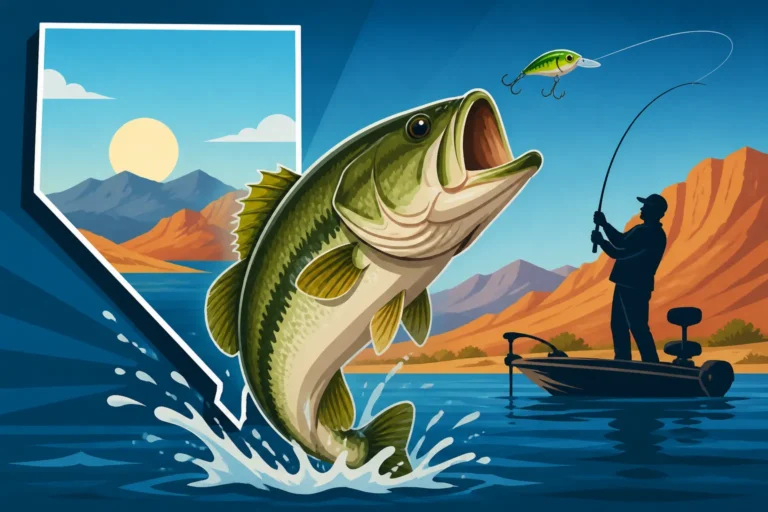
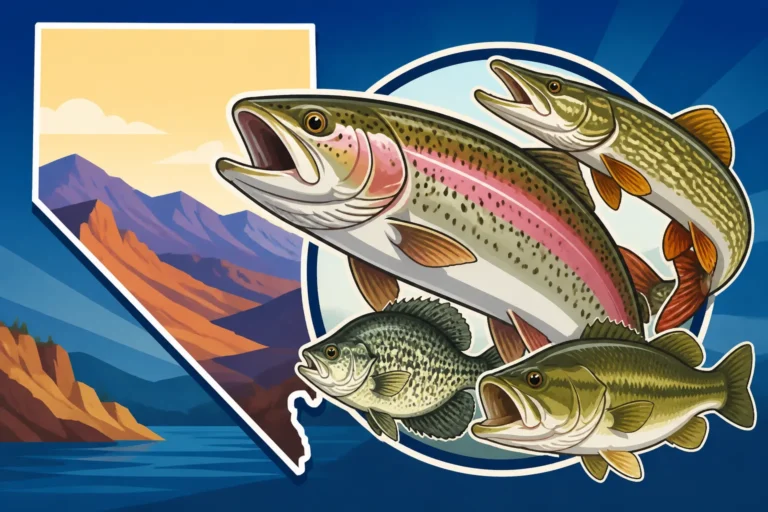
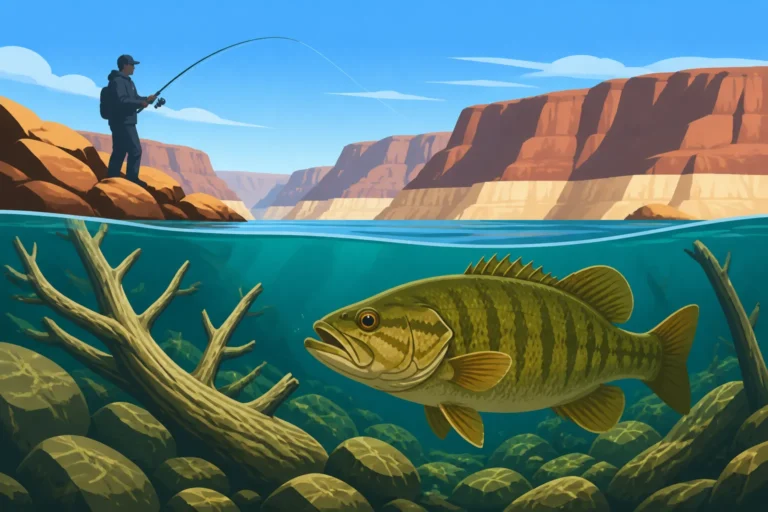
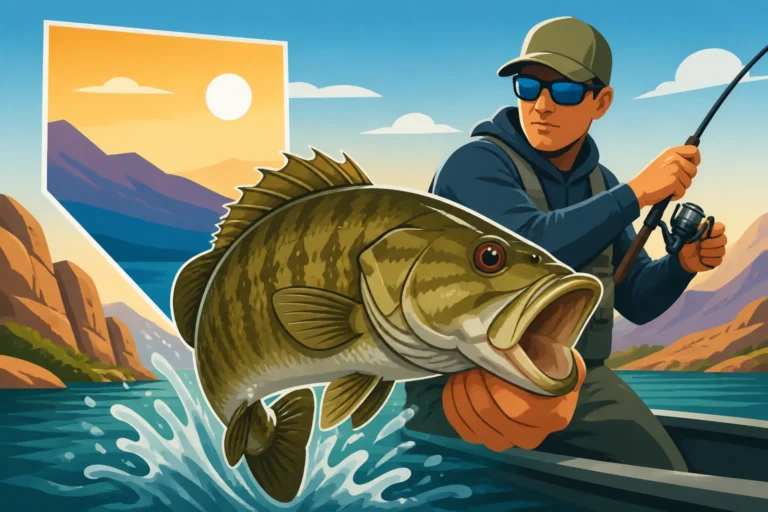
- Largemouth Bass (Micropterus salmoides): While not as widespread as carp or bullheads, largemouth bass can be found in certain impoundments and slower, deeper sections of the Humboldt, particularly where there's ample cover like submerged vegetation or fallen timber. These ambush predators prey on smaller fish and invertebrates. Their presence can vary depending on local stocking efforts and habitat suitability in specific areas of the river. If you're targeting bass, focus on structure and calm water. You'll need different techniques for different species, and Nevada Bass Daily Limit and Size Rules would apply if you're keeping them.
- Rainbow Trout (Oncorhynchus mykiss): Trout are less common in the main stem of the Humboldt River due to warmer temperatures and higher turbidity, but they might be stocked in certain tributary streams or urban pond sections that are managed by the Nevada Department of Wildlife (NDOW) specifically for put-and-take fishing. If you find them, they're likely freshly stocked. For consistent trout fishing, you'd typically look to other Nevada waters. Check the Nevada statewide trout daily limit if you do encounter them.
What You Probably Won't Find (Much Of)
It’s important to set realistic expectations for fishing the Humboldt. You won't typically find large populations of:
- Lahontan Cutthroat Trout: While native to the larger Lahontan Basin, these iconic trout are primarily found in Pyramid Lake, Lake Tahoe, and their direct tributaries, not the main Humboldt River system in significant numbers.
- Mackinaw (Lake Trout): These deep-water specialists are found in large, cold lakes like Lake Tahoe, completely unsuited for the Humboldt's environment.
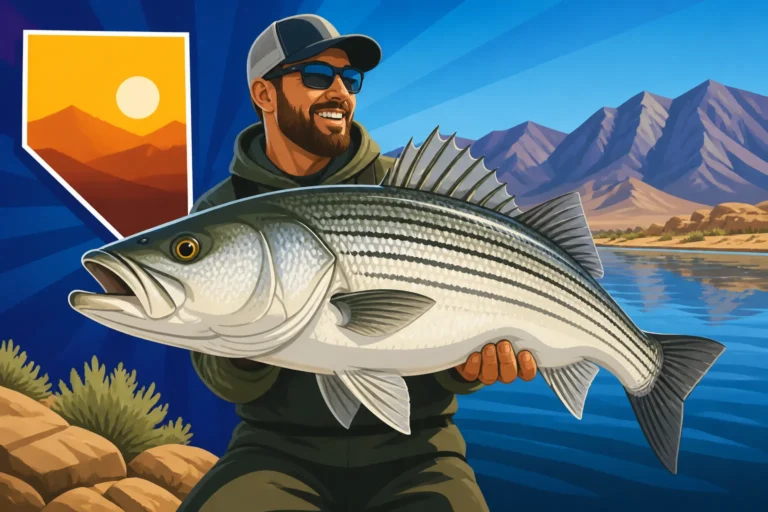
- Striped Bass: These powerful fish are found in vast reservoirs like Lake Mead and Lake Mohave, far from the Humboldt's interior desert flow.
Fishing the Humboldt: Tips and Conservation
Fishing the Humboldt River can be a rewarding experience, but it requires understanding its unique character. It's not a pristine, fly-fishing paradise, but rather a robust, sometimes wild, waterway that tests the skills and patience of anglers. Always be sure to check the Nevada Fishing Regulations Explained before you head out, as rules can vary by specific section or species.
Gear and Techniques for Humboldt River Angling
Given the common species in the Humboldt, your gear choices should reflect resilience and versatility. For carp and catfish, heavier rods with strong lines are advisable. For bullheads and sunfish, lighter spinning gear will provide plenty of fun.
- Rods and Reels: A medium-heavy spinning or baitcasting combo is a great all-around choice for the larger carp and catfish. For panfish, a light action rod with a small spinning reel will suffice. You can find excellent, durable options for various budgets on Amazon.
- Line: Monofilament line in the 8-15 lb test range is a good all-purpose choice, offering good abrasion resistance against the often-snaggy bottom.
- Baits: When it comes to bait, simplicity often wins. For carp, corn, dough balls, and worms are incredibly effective. For bullheads, nightcrawlers, chicken liver, or shrimp are top choices. Sunfish will hit small pieces of worm, mealworms, or crickets. For any potential bass in specific impoundments, soft plastics or spinnerbaits could work.
- Lures: Small spinners or jigs can attract panfish and occasionally a smaller bass or chub. For carp, some anglers use specialized boilies or feed with chum. Consider adding a range of essential items to your Nevada Fishing Gear Essentials list for the Humboldt.
Navigating Access and Conditions
Access to the Humboldt River can be a bit tricky in places due to private land ownership. Always respect private property and look for designated public access points, often near bridges, parks, or Bureau of Land Management (BLM) areas. The river's flow and clarity can change dramatically depending on the season and recent weather. After a rainstorm, the river can become very muddy, making fishing challenging. During drier periods, access might be easier, but fish could be concentrated in shrinking pools. Be prepared for varied conditions, and always let someone know where you're going, especially in more remote areas. Knowing the Nevada Fishing Season Dates and Limits is also crucial.
Conservation and Responsible Angling
While many of the prevalent fish species in the Humboldt are introduced and robust, it’s still critical to practice responsible angling.
- Respect the Ecosystem: Even carp and bullheads play a role. If you’re practicing catch and release, handle fish carefully. If you’re keeping fish, understand the Nevada Statewide Bag Limits Explained and only take what you will eat.
- Prevent Invasive Species Spread: The Humboldt already has introduced species, but preventing the introduction of new invasives is vital. Clean your gear (boats, waders, buckets) thoroughly between different waterways to avoid transferring aquatic hitchhikers. This includes not dumping unused bait from one water body into another.
- Pack It In, Pack It Out: The desert environment is fragile. Always take all your trash with you, and leave no trace of your visit. This helps maintain the beauty of the Humboldt River for everyone.
- Know the Rules: Specific regulations can apply to certain stretches or tributaries of the Humboldt. Always check current NDOW regulations for bag limits, tackle restrictions, and any seasonal closures, especially for native species which may have protections. You can usually find the most up-to-date regulations online or at local tackle shops. If you're unsure about any aspect, a quick stop at a local outfitter, or even searching on Amazon for current regulations guides, can be really helpful.
Table: Common Fish Species in the Humboldt River
Here’s a quick overview of some of the fish you're most likely to encounter in the Humboldt River:
| Species | Type | Typical Size | Preferred Habitat | Angler's Approach | Notes |
|---|---|---|---|---|---|
| Common Carp | Introduced | 1-20+ lbs | Slow, deep pools; silty bottoms; vegetated | Bottom fishing with corn, dough baits, boilies | Powerful fighters, very common, good eating. |
| Brown Bullhead | Introduced | 0.5-2 lbs | Murky, slow water; soft bottoms; cover | Bottom fishing with worms, cut bait, chicken liver | Good for beginners, active at night. |
| Green Sunfish | Introduced | 3-8 inches | Edges of pools; aquatic vegetation | Small hooks, worms, crickets, tiny spinners | Aggressive, fun on light tackle, often bite readily. |
| Lahontan Tui Chub | Native | 4-8 inches | Throughout river, tolerant of conditions | Accidental catches on small baits/lures | Important forage fish, highly adaptable. |
| Speckled Dace | Native | 2-4 inches | Riffles, clear edges of pools | Rarely targeted, small flies or micro jigs | Key part of the native ecosystem, indicator species. |
| Largemouth Bass | Introduced | 1-5 lbs (variable) | Impoundments, slow sections with cover | Soft plastics, spinnerbaits, crankbaits | Less common than other species, habitat specific. |
Fishing the Humboldt River might not offer the postcard-perfect trout streams of the Sierra, but it presents a unique challenge and a chance to connect with a truly resilient piece of Nevada's natural heritage. With the right approach and respect for its delicate balance, it can be a surprisingly fulfilling adventure.
Disclaimer
This article is for general informational purposes only and does not constitute professional advice. Laws, prices and regulations vary by location and change over time. Consult a qualified professional for guidance on your specific situation.