Average size of a stocked trout in Nevada
It's a common question that pops into every angler's mind, especially when you're planning a trip to a new spot or just getting into trout fishing here in the Silver State: "Just how big are those stocked trout going to be?" We've all been there, dreaming of reeling in a lunker, only to sometimes be met with a smaller, feistier fish. This guide is here to give you a realistic picture of what to expect when it comes to the average size of stocked trout in Nevada, helping you set expectations and prepare for a great day on the water.
Understanding the NDOW Stocking Programs
When we talk about stocked trout in Nevada, we're really talking about a carefully managed program by the Nevada Department of Wildlife (NDOW). They're the folks doing the heavy lifting, raising these fish in hatcheries and then distributing them to various public waters across the state. Their goals aren't just about putting fish in the water; they're about providing diverse fishing opportunities, from urban ponds for families to larger reservoirs for serious anglers.
The Purpose Behind Stocking Trout
Why does NDOW stock trout in the first place? Well, for many waters, especially those in the warmer southern parts of the state or urban ponds, the conditions just aren't right for trout to naturally reproduce and thrive year-round. They need colder, oxygen-rich water, which is hard to come by in our desert climate. So, stocking helps ensure there are plenty of fish for us to catch. It supports recreational fishing, introduces kids to the sport, and helps manage populations in certain fisheries. It’s a vital part of keeping Nevada’s fishing scene vibrant, allowing us to enjoy trout fishing in places like the Las Vegas urban ponds where you might not expect it. You can often find details on where they stock by checking the Nevada Trout Stocking Schedule.
Types of Trout Commonly Stocked
While "trout" is a general term, NDOW primarily stocks a few specific species that do well in hatchery environments and can tolerate Nevada's varied water conditions, at least for a season.
Rainbow Trout
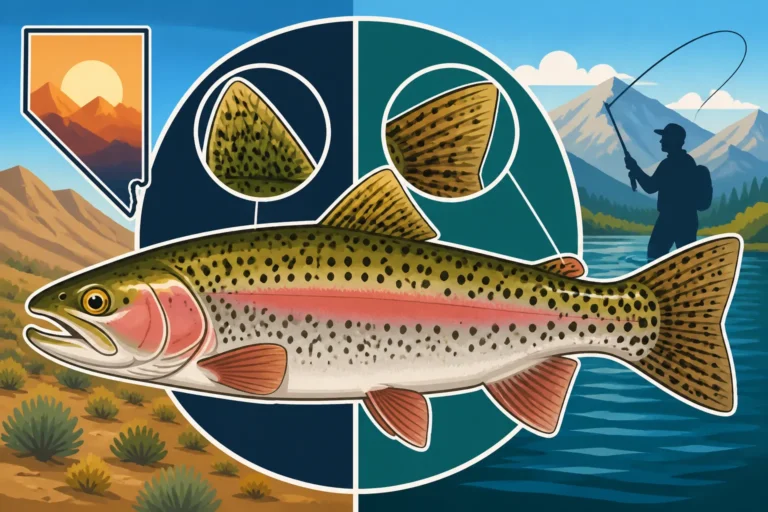
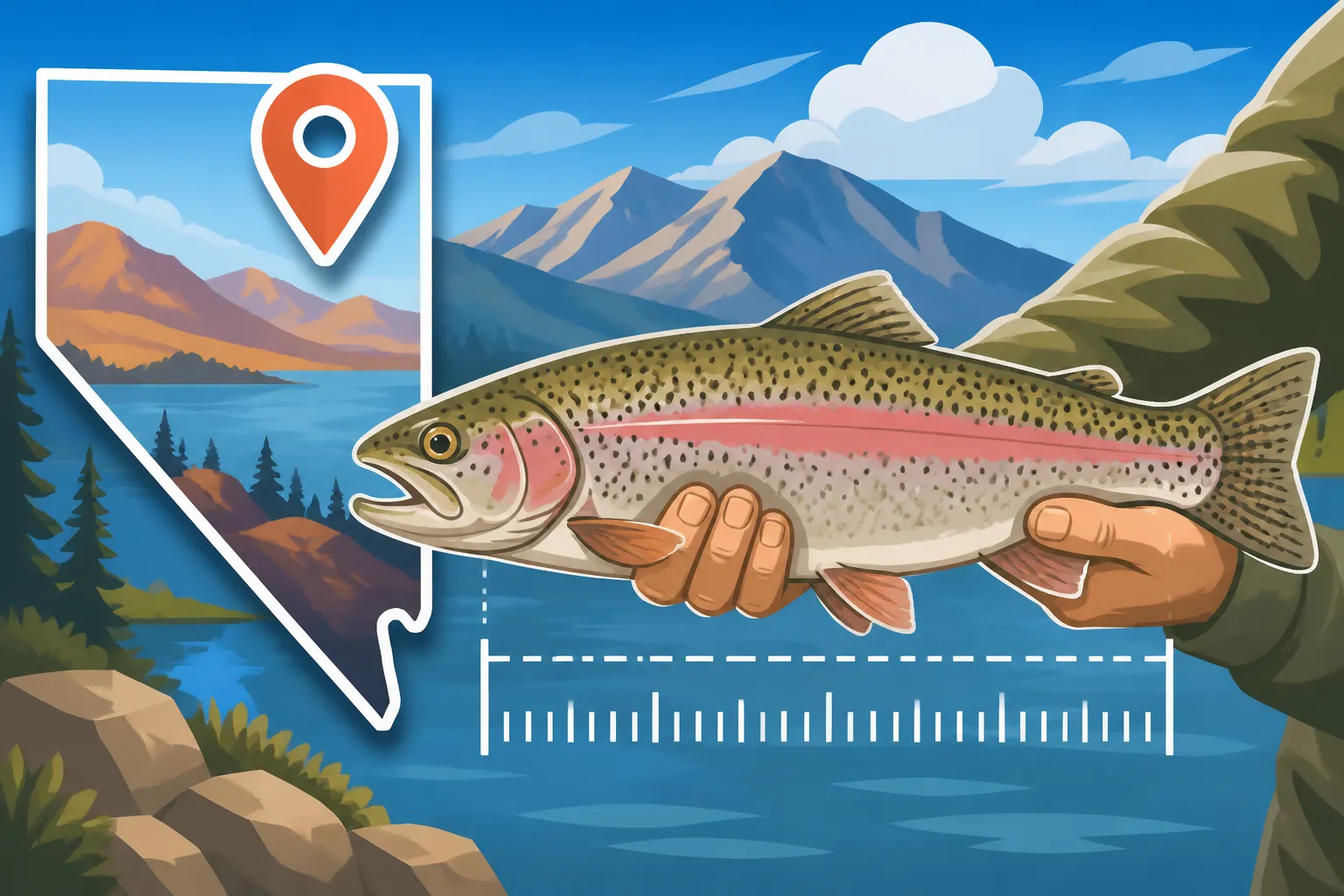
By far, the most common type of trout you'll encounter in Nevada's stocked waters is the rainbow trout. These are hardy, grow relatively quickly, and are a blast to catch. They're what most people picture when they think of a stocked trout. You'll find them in urban ponds, larger reservoirs, and even some rivers and streams. Their vibrant colors and eagerness to bite make them a favorite for anglers of all ages.
Brown Trout and Other Species
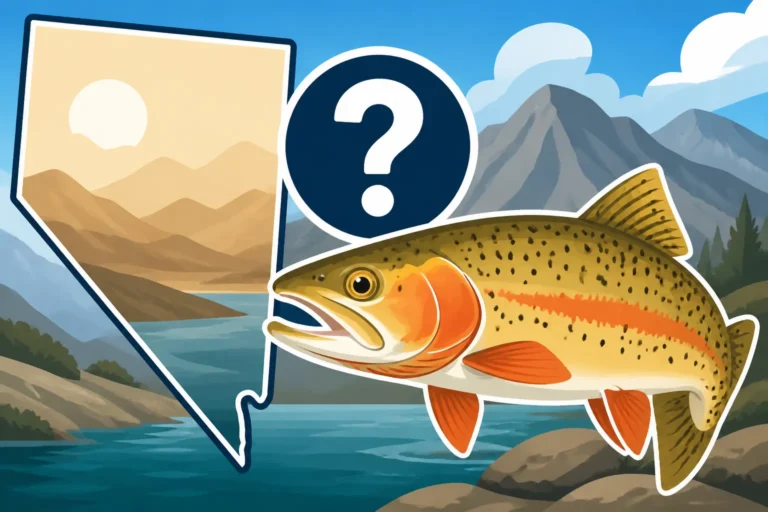
While less common than rainbows for general stocking, brown trout are sometimes stocked in specific waters, especially those with conditions more favorable for them to potentially hold over and grow larger. They are often a bit more elusive and can grow to impressive sizes, offering a different challenge. Occasionally, you might hear about other hybrid trout like tiger trout, which are a cross between a brown and a brook trout, stocked in certain areas for a unique angling experience. However, for sheer numbers and frequency, rainbows dominate the stocking reports.
What "Average Size" Really Means for Stocked Trout
When you hear "average size," it's crucial to understand that it's not a single, fixed number. It's a range, influenced by several factors, and it speaks to the typical length and weight of the fish when they are released into the wild. These aren't wild-born fish that have spent years foraging in pristine streams; they're products of a controlled environment.
The "Catchable Size" Benchmark
For the vast majority of stocked trout in Nevada, especially the rainbows, the goal is to stock them at what's commonly referred to as "catchable size." This means they're big enough to put up a decent fight, be easily handled, and, if you choose, be legal to keep according to Nevada statewide trout daily limit.
What does "catchable size" look like in practice? Typically, you're looking at fish ranging from about 9 to 12 inches. They'll weigh roughly half a pound to a pound. Think of it this way: a fish that fits comfortably in a standard pan. This size range offers a great experience for most anglers – big enough to be fun, small enough that you don't need heavy gear, and perfect for a fresh fish dinner. If you’re setting up a new tackle box, consider smaller hooks and lighter line to really enjoy the fight these average-sized trout offer. You can find some excellent beginner kits on Amazon that are perfect for this size range.
Factors Affecting Stocked Trout Size
It's not a one-size-fits-all situation, and several elements play a role in the precise size of trout you might encounter. Understanding these can help manage your expectations before you even cast a line.
Hatchery Growth and Management
The size of the fish released largely depends on the hatchery's capacity, growth rates, and release schedule. Hatcheries aim for efficiency, producing healthy fish that reach catchable size within a certain timeframe. The feed they receive and the water conditions in the hatchery are optimized for this purpose. So, while they could grow them larger, it becomes more expensive and time-consuming, impacting the sheer volume of fish that can be produced for stocking.
Water Body Destination
The type of water body a trout is stocked into also affects its perceived average size. A small urban pond, frequently fished, might see a quick turnover of fish, meaning they are caught soon after stocking, and thus are usually right at the "catchable size." Larger reservoirs, especially those with more natural food sources and deeper, cooler water, might allow some stocked fish to evade capture for a while, growing larger than their initial release size. So, while they start at a similar size, their post-stocking growth can vary significantly.
Time of Year and Stocking Frequency
NDOW's stocking schedule often dictates when and where fish are released. In the cooler months, especially spring and fall, many waters receive regular stockings, meaning there's a consistent supply of "catchable size" trout. During the heat of summer, stocking may slow down or shift to higher-elevation, cooler waters. Fish stocked during the shoulder seasons might have a chance to grow a bit before fishing pressure picks up, potentially leading to slightly larger averages. The Nevada Trout Season Dates can give you a good idea of when you might encounter these fluctuations.
Regional Differences in Stocked Trout Size
Nevada is a vast state, and what holds true for an urban pond in the south might be different for a mountain lake in the north. The climate, water conditions, and management strategies vary significantly by region, and this impacts the size of stocked trout you'll likely encounter.
Urban Ponds and Community Fisheries
In places like Las Vegas and Reno, urban ponds are a lifeline for local anglers, especially families and those looking for convenient fishing opportunities. These ponds are often stocked frequently with rainbow trout to meet demand.
Southern Nevada Urban Ponds (e.g., Floyd Lamb Park, Sunset Park)
In Southern Nevada's urban ponds, the average size of stocked trout is almost exclusively in that 9 to 12-inch "catchable" range. These are high-turnover fisheries, meaning fish are caught quickly after stocking. NDOW's goal here is quantity and accessibility. You'll find plenty of eager biters, perfect for kids or beginners. If you're using light tackle, even these smaller fish can put up a surprisingly spirited fight. Nevada Urban Pond Fishing Rules are often specifically tailored for these easily accessible spots.
Northern Nevada Urban Ponds (e.g., Sparks Marina)
Similar to their southern counterparts, urban ponds in Northern Nevada, such as those around Reno or Carson City, also receive frequent stockings of 9 to 12-inch rainbow trout. The slightly cooler climate might mean the fish can survive a little longer in the warmer months, but the high fishing pressure ensures they're usually caught at roughly the size they were stocked. These locations are excellent for a quick fishing trip after work or a weekend outing with the family, and you can pick up all your basic gear like bait, hooks, and bobbers easily from a local sporting goods store or even Amazon for convenience.
Larger Reservoirs and Lakes
For those seeking a bit more adventure and potentially larger fish, Nevada's larger reservoirs and natural lakes offer a different stocking dynamic. While they still receive catchable-sized trout, the environment allows for more growth potential.
High-Elevation Mountain Lakes and Reservoirs
Head to the higher elevations, like certain spots in Eastern Nevada or along the Sierra Nevada range, and you might find stocked trout that have had more time to grow. These waters generally stay cooler year-round, offer more natural forage, and often have less intense fishing pressure than urban ponds. While they are still stocked with 9-12 inch fish, it's not uncommon to pull out holdover trout that have grown into the 14-16 inch range, sometimes even larger. Think of places like Wildhorse Reservoir or South Fork State Recreation Area. These are the spots where a stocked fish truly starts to feel like a "trophy" catch. Best Places to Fish in Nevada often highlights these gems.
Major Reservoirs (e.g., Lake Mead, Lake Mohave, Lake Tahoe)
While Lake Mead and Lake Mohave are more known for striped bass and other warm-water species, they do receive trout stockings, particularly in the cooler sections or during colder months. These stockings are often targeted for specific areas like Willow Beach below Hoover Dam, where the cold water from the dam outflow is ideal. The stocked trout here tend to be larger, often in the 10-14 inch range, sometimes even 1-2 pounds, providing a more robust fight in the powerful currents. Lake Tahoe, due to its deep, cold waters, also supports stocked trout that can grow very large, alongside its native and wild populations.
Summary of Expected Stocked Trout Sizes by Water Type
To give you a quick overview, here's a general idea of what to expect:
| Water Type | Typical Stocking Size Range (inches) | Likelihood of Holdover/Larger Fish | Primary Purpose of Stocking |
|---|---|---|---|
| Urban Ponds (Las Vegas/Reno) | 9-12 inches | Low (high fishing pressure) | High-volume, accessible recreation |
| Lower Elevation Reservoirs | 9-12 inches | Moderate (some holdovers possible) | General recreation |
| Higher Elevation Lakes/Reservoirs | 9-12 inches (initial) | High (good growth conditions) | Quality fishing, longer retention |
| Tailwaters (e.g., Willow Beach) | 10-14 inches | Moderate (strong currents/food) | Specific fishery enhancement |
Remember, these are averages. There will always be exceptions, but this table should help you plan your gear and expectations.
Managing Expectations and Maximizing Your Catch
Knowing the average size of stocked trout is only half the battle. The other half is using that information to your advantage to have a successful and enjoyable fishing trip. It’s all about preparation, technique, and a healthy dose of realistic optimism.
Gear Selection for Stocked Trout
Since most stocked trout are in the 9-12 inch range, you don't need heavy-duty gear. In fact, lighter tackle often makes the experience more fun and allows these fish to put up a better fight.
Rod and Reel Setups
A light or ultralight spinning rod, around 5 to 6 feet long, paired with a small spinning reel (like a 1000 or 2000 series) is perfect. This setup is sensitive enough to feel subtle bites and has enough backbone to handle a feisty trout. For line, 4-6 pound test monofilament or fluorocarbon is usually ideal. It's subtle enough not to spook the fish and strong enough for the average stocked trout. If you're looking for a good all-around setup, there are many affordable options available on Amazon that are specifically designed for trout and panfish. Check out some recommendations in Best Fishing Rods for Nevada Lakes.
Baits and Lures
Stocked trout, especially fresh from the hatchery, are often less wary than wild trout. They're used to being fed, so prepared baits often work wonders. PowerBait, in various colors and forms, is a perennial favorite. Small spoons, inline spinners (like Mepps or Rooster Tail), and small jigs can also be incredibly effective. Don't forget live bait like worms or mealworms – classic choices that stocked trout can rarely resist. When deciding on what to bring, consider the local conditions and stocking reports; sometimes, a specific color of PowerBait might be outperforming everything else. Our guide on Best Bait for Nevada Trout dives much deeper into this.
Techniques for Catching Stocked Trout
The beauty of fishing for stocked trout is that they're often quite eager to bite. You don't always need advanced techniques, which makes it perfect for beginners or a relaxing day out.
Bait Fishing
For bait, a simple slip-sinker rig or a bobber setup is often all you need. With PowerBait, many anglers mold it around a small treble hook, allowing it to float just off the bottom. If using a bobber, set your depth so the bait is suspended a few feet off the bottom or at the depth where you're seeing fish activity. Cast out, relax, and watch your line. It's a great way to enjoy the scenery and wait for a bite.
Lure Fishing
When using lures, a steady retrieve is often key. Cast your spinner or spoon and reel it in at a consistent pace, letting the lure's action do the work. Don't be afraid to experiment with retrieve speeds or adding a twitch now and then. Sometimes, a sudden change in speed can trigger a strike. If you're new to lure fishing, there are many instructional videos available online, or you can pick up a starter kit on Amazon that includes a variety of effective trout lures.
Beyond the Stocking Size: Holdovers and Trophy Opportunities
While the average stocked trout might be 9-12 inches, that doesn't mean you can't catch bigger fish. In some of Nevada's larger or less pressured waters, stocked trout can "hold over" from previous stockings, surviving through the season or even multiple seasons. These fish continue to grow, adapting to natural food sources and becoming more wary, much like wild trout.
Finding Holdover Trout
To target these larger, smarter fish, you often need to move beyond the heavily fished areas right after stocking. Look for deeper water, structure like submerged logs or rocks, or areas with less easy access. These fish become more reliant on insects, minnows, and crustaceans, so adjusting your bait or lure choice to mimic natural forage can be very effective. This is where researching How to Fish for Trout in Nevada can really elevate your game.
The Thrill of the Unexpected
The possibility of catching a large holdover trout adds an exciting element of surprise to any stocked trout fishery. You might be expecting a 10-inch rainbow and suddenly find yourself fighting a 16 or 18-inch fish that's been fattening up on natural food for months. These moments are what make fishing so captivating and keep us coming back for more.
Disclaimer
This article is for general informational purposes only and does not constitute professional advice. Laws, prices and regulations vary by location and change over time. Consult a qualified professional for guidance on your specific situation.