Biggest catfish ever caught in Nevada
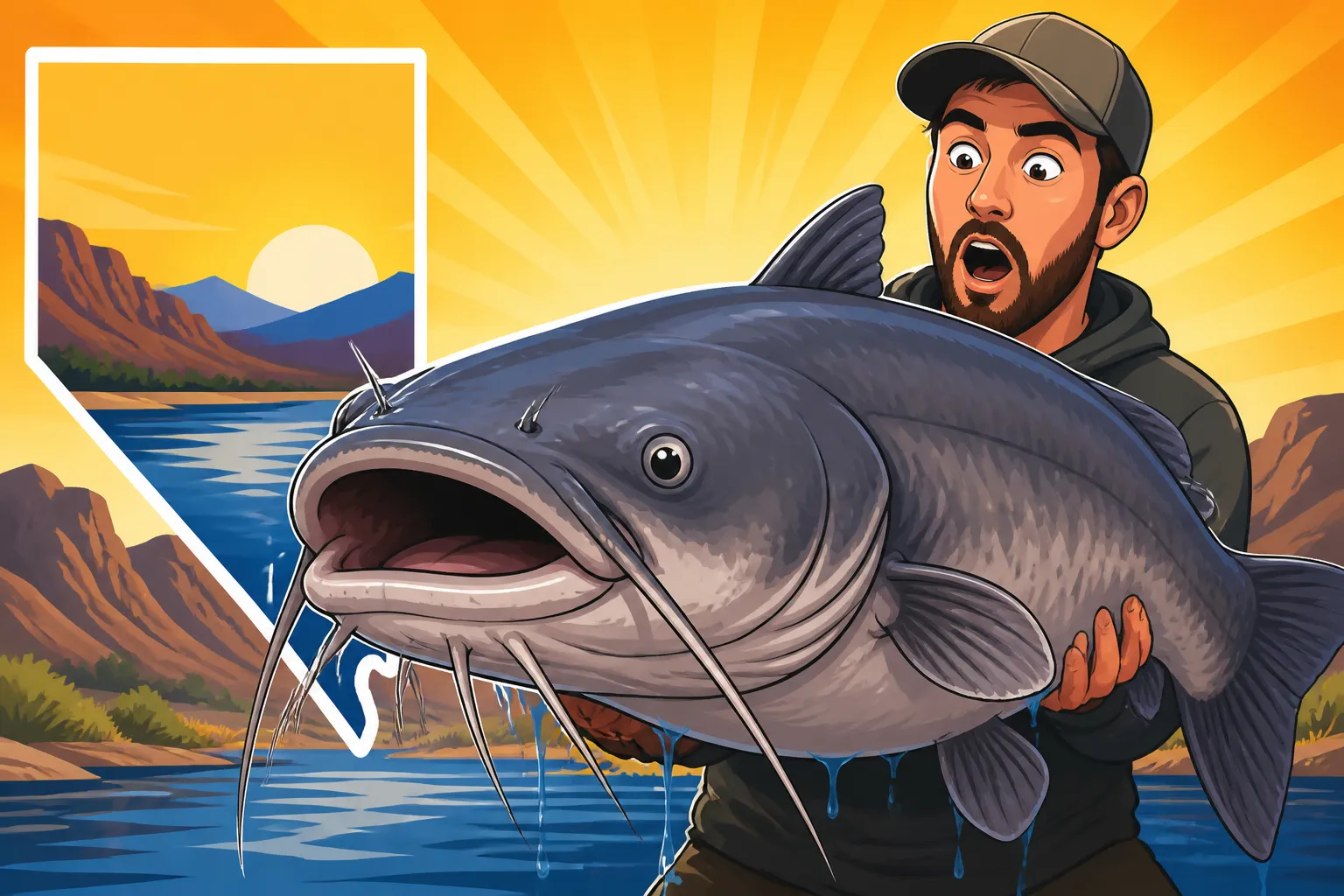
If you've spent any time casting a line in Nevada, you know the thrill of a tug, but nothing quite compares to the heart-stopping pull of a truly massive catfish. Many anglers dream of landing a fish so big it might just break a record, but knowing the benchmark and where to even begin that quest can feel like searching for a needle in a haystack. This guide is dedicated to revealing the legendary size of Nevada's biggest catfish ever recorded and will equip you with the knowledge to pursue your own giant whiskerfish.
The Allure of Trophy Catfish in Nevada Waters
There's something incredibly primal and satisfying about catching a catfish. Unlike some of the more finicky trout or bass, catfish are often willing to bite, but finding those truly gargantuan specimens—the ones that test your tackle and your resolve—that's a whole different game. In Nevada, where stark desert landscapes meet vast, glittering reservoirs, the channel catfish, in particular, thrives, growing to impressive sizes that make them a favorite target for trophy hunters.
The pursuit of a big cat isn't just about the fight; it's about the anticipation, the challenge of finding their deep, murky haunts, and the pure strength required to bring one to the boat or shore. These aren't just fish; they're aquatic bulldozers, capable of bending rods and snapping lines if you're not prepared. For many, the idea of landing a state record, or even just a personal best that pushes into double-digit pounds, is what keeps them coming back to the water, often under the stars for some prime night fishing.
Why Catfish Grow So Big in Nevada
Nevada's desert lakes and rivers, particularly the lower Colorado River system, offer an ideal environment for channel catfish to bulk up. These waters often hold a plentiful food supply, from smaller baitfish to crayfish and other invertebrates, allowing catfish to feed voraciously. Coupled with generally warmer water temperatures for much of the year, which boosts their metabolism and growth rates, these conditions create a perfect storm for growing truly massive fish. It’s not uncommon for anglers to regularly pull in channel cats weighing over ten pounds from popular spots, and those are just the "average" big ones!
The Thrill of the Fight
Anyone who's hooked into a large channel catfish knows it's not a gentle dance. These fish are renowned for their powerful, stubborn runs and deep dives, often using their broad, flat tails to pull with surprising force. It feels like you've snagged a submerged log that suddenly decides to fight back. Landing one requires a solid rod, a smooth drag, and a good amount of patience and leverage. When that giant finally surfaces, its broad head and whisker-laden mouth are a sight to behold, a testament to its power and the epic battle you've just won. It’s a moment that often makes all the mosquito bites and long waits completely worth it.
The Nevada State Record Channel Catfish
For anglers chasing glory, the Nevada state record for channel catfish is a legendary mark. This impressive benchmark stands as a testament to the incredible potential of Nevada's waters to produce truly massive fish. Every year, countless dedicated anglers head out, hoping to be the one to finally tip the scales past that ultimate weight.
The current Nevada state record channel catfish weighs in at a colossal 32 pounds. This incredible fish was caught many years ago from Lake Mohave, solidifying that particular body of water as a prime location for trophy catfishing. Imagine the fight a fish of that size would put up! It speaks volumes about the rich aquatic environment found in Nevada's southern waters.
While the exact details of that record catch—the time of year, the specific bait, the weather conditions—are often part of angling lore, the weight itself remains the target. It's a reminder that truly monumental fish swim in our lakes and rivers, waiting for the persistent angler to find them.
What Makes a State Record?
Breaking a state record isn't just about catching a huge fish. There's a specific process involved that ensures fair play and accurate measurements. Typically, a potential record fish must be weighed on a certified scale, often at a local tackle shop or grocery store, with witnesses present. The species must be positively identified, and sometimes photographs are required, especially for unique or difficult-to-identify fish. Length and girth measurements are also usually taken.
It’s a rigorous process because state records are permanent entries in the angling history books. If you ever find yourself with a fish that looks like it might challenge the record, it's crucial to know the steps. Having a portable, certified scale on hand, or knowing the nearest location with one, can make all the difference. Remember, regulations might differ slightly, so always check the latest Nevada Fishing Regulations Explained for official requirements.
Other Catfish Species in Nevada
While the channel catfish holds the state record for its species, Nevada waters are also home to other types of catfish, though they typically don't reach the same immense sizes. Bullheads, specifically black bullhead catfish, are common in many of Nevada's warmer ponds and slower moving waters. While still fun to catch, they are much smaller, rarely exceeding a few pounds. They can be a great target for younger anglers or those looking for consistent action, but they aren’t generally in the trophy-hunting category. Knowing the differences between these species is important, especially for identification purposes if you're ever contemplating a record claim. You can learn more in our Nevada Fish Species Guide.
Prime Locations for Trophy Catfish in Nevada
When you're chasing the biggest catfish, you need to head to the waters where they truly thrive and have the opportunity to grow to immense proportions. While you might occasionally hear tales of large cats pulled from surprising places, a few key locations in Nevada consistently produce big channel catfish.
The undisputed champions for trophy catfish are the vast waters of Lake Mead and Lake Mohave. These reservoirs, formed by the Colorado River, offer deep channels, abundant forage, and extensive shallow coves, all of which provide ideal habitat for channel catfish to grow large and old. The constant flow of the river system also brings in nutrients, contributing to a rich food chain.
Lake Mohave
As the location of the current state record, Lake Mohave naturally draws significant attention from serious catfish anglers. Its deep, clear waters are home to a robust population of channel catfish. Areas like Cottonwood Cove and Willow Beach are popular access points, offering both boat and shore fishing opportunities. Catfish here often relate to structure—submerged rocks, ledges, and drop-offs—especially in deeper sections during the heat of the day.
Many successful anglers targeting trophy catfish on Lake Mohave will often fish into the night, when the largest cats become more active and venture into shallower feeding grounds. Using heavy gear and strong lines is a must here. For specific details on where to fish, check out our Lake Mohave Nevada Fishing Guide.
Lake Mead
Just upstream from Lake Mohave, Lake Mead is another powerhouse for big channel catfish. While it hasn't produced the state record yet, it consistently yields large fish. Its immense size means there are countless coves, washes, and structures where catfish can hide and feed. The shallower, warmer coves of the Overton Arm or the expansive waters near the Arizona Wash can be particularly productive.
When fishing Lake Mead for trophy cats, many anglers focus on fishing near submerged structures, old river channels, or ledges that drop off into deeper water. Early mornings, late evenings, and especially night fishing are prime times to target the biggest ones. The sheer volume of water here means patience is a virtue, but the rewards can be incredible. Our Lake Mead Nevada Fishing Guide offers more in-depth information.
Other Promising Catfish Waters
While Lake Mead and Lake Mohave are top contenders, other Nevada waters can surprise you with a big cat. Some of the larger state park reservoirs, like Rye Patch Reservoir in the northern part of the state, are known to hold good populations of channel catfish, though perhaps not often reaching the 30-pound mark. Even some of the larger urban ponds in areas like Las Vegas, which are regularly stocked with trout, can have resident catfish that grow to respectable sizes by feeding on the abundant prey. While you might not break a state record there, catching a 10-pounder from a city pond is still an impressive feat.
Tactics and Gear for Landing a Monster Catfish
Chasing a monster catfish requires a specific approach, both in terms of your strategy and the equipment you bring. These aren't delicate fish, and you'll need tackle that can stand up to their immense power and the often-rugged environments they inhabit.
Essential Catfish Tackle
When you're trying to land a 20-pound-plus catfish, your gear needs to be up to the task. Forget your ultralight trout setup; you need something with backbone.
- Rods: Look for medium-heavy to heavy action rods, typically 7 to 9 feet long. A longer rod provides better casting distance and leverage for fighting big fish, especially from shore. Ugly Stik, for example, makes incredibly durable rods perfect for this kind of abuse.
- Reels: A robust spinning reel in the 6000-8000 size range or a heavy-duty baitcasting reel is ideal. It needs a smooth, powerful drag system and a high line capacity to handle those long runs.
- Line: Braided line is a popular choice for catfish anglers due to its strength-to-diameter ratio and lack of stretch, which helps with feeling subtle bites in deep water. A 30-60 pound test braided line is a good starting point, often with a 20-40 pound monofilament or fluorocarbon leader to provide some shock absorption and abrasion resistance.
- Hooks: Circle hooks are absolutely essential for catfish. They are designed to hook fish in the corner of the mouth, leading to fewer gut-hooked fish and better release rates if you're practicing catch and release. Sizes ranging from 5/0 to 9/0 are common for trophy cats, depending on your bait.
- Sinkers: You'll need heavy sinkers to keep your bait on the bottom, especially in current or windy conditions. Pyramid or no-roll sinkers weighing 1-4 ounces are frequently used.
You can find a great selection of reliable catfishing gear, from specialized rods to various baits, on platforms like Amazon.
Top Baits for Big Catfish
Catfish are opportunistic eaters and are known for their keen sense of smell. This means "stinky" baits often work wonders.
- Cut Bait: Fresh cut bait, like shad, carp, or even mackerel, is a classic choice. The oil and blood seep into the water, creating a scent trail that big cats can't resist. Cut large chunks for large fish.
- Prepared Stink Baits: There's a wide array of commercially available stink baits, often made from various concoctions of cheese, blood, and other pungent ingredients. Some come in punch bait form, designed to be kneaded onto a treble hook, while others are dipped.
- Live Bait: Smaller live fish like bluegill or carp can be deadly for truly enormous catfish. Just be sure to check Nevada Fishing Regulations Explained regarding the use of live bait, as rules can vary by water body.
- Crayfish: Catfish absolutely love crayfish, which are a natural food source in many Nevada waters. Using a whole, live crayfish or a fresh dead one can be incredibly effective.
Effective Catfishing Techniques
- Bottom Fishing: The most common and often most effective method for catfish is fishing on the bottom. A basic Carolina rig or a three-way swivel rig works well. The goal is to get your bait directly on the bottom where catfish cruise.
- Night Fishing: As mentioned, trophy catfish are often most active during low light conditions or at night. They move into shallower areas to feed when the sun isn't beating down. Be prepared with headlamps and proper safety gear.
- Finding Structure: Catfish will often congregate around underwater structure such as old river channels, humps, ledges, submerged trees, or even large rock piles. Using a fish finder can be invaluable for locating these areas, especially on vast reservoirs like Lake Mead. If you're looking for a good portable option, there are plenty of highly-rated models on Amazon.
- Patience is Key: Catfishing, especially for the big ones, is often a waiting game. Set out your baits, relax, and let the scent work its magic. Make sure your rod holders are secure—a big cat can pull a rod right into the water!
Safety and Regulations
Always remember to prioritize safety when on the water, especially during night fishing. Make sure you have appropriate lighting, personal flotation devices, and are aware of your surroundings. Before heading out, it's also crucial to review the current Nevada Fishing Regulations Explained and Nevada Statewide Bag Limits Explained. Regulations on bait types, hook restrictions, and specific limits can change.
| Location | Primary Target Species | Typical Size Range (Channel Catfish) | Best Baits for Catfish | Notes |
|---|---|---|---|---|
| Lake Mohave | Channel Catfish, Striped Bass | 5-20 lbs (potential for 30+ lbs) | Cut bait (shad, carp), Stink bait, Live bluegill | State record location, deep clear water |
| Lake Mead | Channel Catfish, Striped Bass | 5-25 lbs | Cut bait, Prepared stink baits, Crayfish | Vast reservoir, good for night fishing |
| Rye Patch Reservoir | Channel Catfish, Walleye | 3-15 lbs | Worms, Cut bait, Stink bait | Northern Nevada option, often good bank access |
| Las Vegas Urban Ponds | Channel Catfish, Trout | 2-10 lbs | Worms, Corn, Prepared bait | Family-friendly, regularly stocked with other species |
Whether you're after a modest meal or hoping to etch your name into the record books, Nevada's catfish offer an exciting challenge. So gather your gear, pack some patience, and get ready for a bend in your rod you won't soon forget! For other species you can find in Nevada, check out our Nevada Fish Species Guide. You might also find some helpful tips in our guide on How to Fish for Channel Catfish in Nevada. Don't forget to understand Nevada Fishing License Age Requirements and obtain the correct license, such as a Nevada Annual Fishing License Renewal or a Nevada 1-Day Fishing Permit Details if you're just visiting. A solid pair of Best Sun Protection Gear for Desert Fishing is always a good idea too.
Disclaimer
This article is for general informational purposes only and does not constitute professional advice. Laws, prices and regulations vary by location and change over time. Consult a qualified professional for guidance on your specific situation.