Best Float Tube for Mountain Lakes
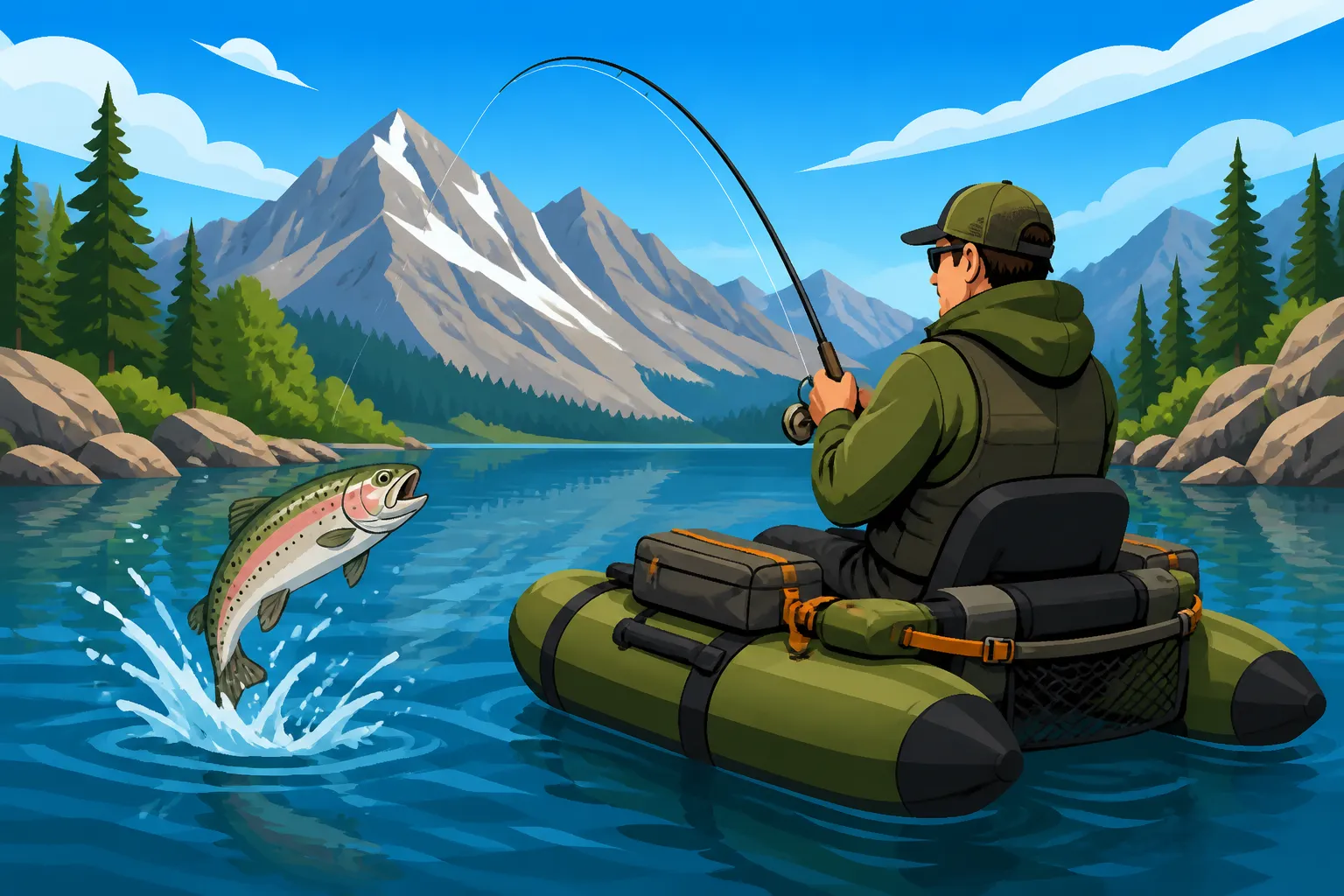
There's nothing quite like the serene silence of a high mountain lake in Nevada, with crystal-clear waters reflecting the towering peaks, and the only sound is the gentle ripple of a rising trout. But accessing those perfect, untouched spots can be a real challenge for many anglers. Hauling a heavy boat up a winding mountain trail is simply out of the question, and even shore fishing often leaves vast stretches of prime water unreachable. This guide is all about embracing the freedom and stealth that a float tube offers, helping you discover the ideal model and essential gear to unlock Nevada's magnificent, elevated fishing havens.
Why Float Tubes Shine for Nevada's Mountain Lakes
Float tubes have become an absolute game-changer for anglers looking to explore those hard-to-reach, pristine mountain lakes across Nevada. While big bass boats or even kayaks have their place on larger reservoirs, they just don't cut it when you're hiking into a remote alpine gem. That's where the humble, yet mighty, float tube truly shines, offering a unique blend of portability, stealth, and an incredibly intimate connection to the water.
Stealth and Accessibility in Remote Waters
One of the biggest frustrations for conventional boat anglers in high-mountain environments is simply getting their craft to the water. Many of Nevada's most productive and picturesque mountain lakes are only accessible via hiking trails, often with significant elevation gains. Imagine trying to drag a small aluminum boat or even a rigid kayak up a half-mile trail, scrambling over boulders and through brush. It's not just difficult; it's often impossible. Float tubes, designed to be deflated, rolled up, and easily carried in a backpack, solve this problem entirely. You can literally hike miles into the backcountry with your tube, set it up at the water's edge in minutes, and be fishing water that few others ever touch.
Beyond accessibility, float tubes offer unparalleled stealth. Unlike a motorboat that spooks fish with engine noise and wakes, or even a kayak that can make a splash when paddled vigorously, a float tube allows you to glide silently across the water. Propelled by quiet fins on your feet, you can sneak right up on rising trout, maneuver into tight coves, or drift along weed lines without disturbing the fish below. This stealth factor is particularly crucial in clear mountain lakes where fish can be incredibly wary and easily spooked by any sudden movement or sound. It’s about becoming part of the environment, not just visiting it.
Portability and Ease of Transport
Let's face it, not everyone has a dedicated fishing vehicle with a roof rack or a trailer hitch. For many of us, getting our gear to the water means packing it efficiently and often carrying it on our backs. This is where the portability of a float tube really stands out. Most float tubes, when deflated, pack down into a surprisingly compact size. They're typically much lighter than even the smallest kayaks or paddleboards, making them suitable for carrying over longer distances. You can stash them in the trunk of almost any car, carry them through a campground, or attach them to a sturdy hiking pack.
Think about those days when you decide on a whim to hit a new, hidden lake you spotted on a map. With a float tube, that spontaneous adventure becomes a reality. You don't need to worry about boat ramps, parking for trailers, or complicated launch procedures. Just find a safe spot by the water, inflate your tube, and you're ready to go. This ease of transport significantly reduces the barriers to exploring more of Nevada's diverse fishing opportunities, from the Lamoille Canyon streams to the Ruby Mountains' alpine lakes.
The Intimate Fishing Experience
There's something uniquely satisfying about fishing from a float tube. You're literally sitting in the water, eye-level with the surface, experiencing the lake in a way that's impossible from a larger boat or the shore. This close proximity to the water enhances every aspect of the fishing experience. You feel every subtle pull, see every splash, and connect with the environment on a much deeper level. It's a truly immersive way to fish, allowing you to appreciate the nuances of the ecosystem around you.
This intimacy also translates to better control and precision. With fins on your feet, you have incredibly fine-tuned control over your position and drift. You can hold your spot against a gentle breeze with minimal effort, precisely cast to a rising fish, or slowly work a fly through a weed bed. This hands-free propulsion means your hands are always free to manage your rod, reel, and tackle, making for a more efficient and enjoyable fishing session. It's a minimalist approach that maximizes your connection to the sport and the stunning Nevada landscapes.
Key Features to Look for in a Mountain Lake Float Tube
Choosing the right float tube for Nevada's mountain lakes isn't just about picking the first one you see. These environments can be rugged, and you'll often be far from immediate help. Therefore, the features of your float tube play a crucial role in your comfort, safety, and overall fishing success. Let's dive into what truly matters when making your selection.
Durability and Puncture Resistance
Mountain lakes often mean rocky shorelines, submerged branches, and sometimes even sharp ice remnants near the shore during early season. A flimsy float tube simply won't cut it here. You need a tube made from robust, heavy-duty materials that can withstand scrapes, bumps, and accidental encounters with sharp objects. Look for tubes constructed from thick PVC, high-denier nylon, or a similar rugged fabric, especially on the underside and side panels that are most likely to contact rough surfaces. These materials offer superior puncture resistance, giving you peace of mind when maneuvering close to shore or through shallow areas.
Beyond the outer shell, consider the quality of the internal air bladders. Many high-quality float tubes feature two independent air bladders for enhanced safety. If one bladder gets compromised, you still have the buoyancy of the other to get you back to shore. Check the valve quality too; sturdy, reliable valves that seal tightly are essential for maintaining air pressure throughout your fishing trip. While a repair kit is always a Nevada Fishing Gear Essentials, investing in a durable tube upfront minimizes the chances of needing it in the middle of a remote lake. Brands that prioritize heavy-duty construction, often found at reputable outdoor retailers like Bass Pro Shops, tend to hold up better under the demanding conditions of mountain angling.
Comfort and Support for Long Sessions
You might be spending several hours in your float tube, so comfort is non-negotiable. An uncomfortable tube will quickly turn an enjoyable outing into a miserable one. Pay close attention to the seat design and backrest. A raised seat will keep you higher out of the cold water, making for a much more comfortable experience, especially in the chilly alpine waters of Nevada's mountain lakes. Look for adjustable backrests that provide good lumbar support, as this can prevent back fatigue during extended periods on the water.
Consider the leg openings and how easily you can get your fins through them. Some tubes have smaller openings that can feel restrictive, while others offer more room for movement. The overall ergonomic design should allow you to sit comfortably and naturally, with your legs positioned well for finning. Remember, you'll be propelling yourself with your feet, so restricted leg movement or an awkward sitting position will quickly lead to discomfort and reduced efficiency. Test out the seating if possible, or read detailed reviews focusing on angler comfort to ensure you pick a tube that won't leave you stiff and sore.
Storage Capacity and Organization
When you're out on a mountain lake, you need your gear accessible, but also secure. Float tubes come with varying amounts of storage, typically in the form of side pockets. For mountain fishing, where you might be carrying extra layers, food, water, a first-aid kit, and a variety of tackle, ample storage is key. Look for large, zippered pockets that can hold tackle boxes, a camera, snacks, and other essentials. Water-resistant zippers or internal dry bags are a huge bonus for protecting electronics or delicate items from splashes.
Beyond the main pockets, consider additional features like mesh pockets for quick access to tools, D-rings for attaching lanyards to your net or pliers, and perhaps even a rod holder or two. Some tubes also feature a stripping apron or a workstation across your lap, which is incredibly useful for managing line, changing flies, or unhooking fish without dropping items into the water. Good organization means less fumbling and more focused fishing, which is particularly important when you're trying to land a feisty Lahontan cutthroat trout in an isolated mountain lake.
Types of Float Tubes and Their Suitability
Float tubes have evolved quite a bit over the years, and now there are several distinct designs, each with its own advantages. Understanding these differences will help you choose the best float tube for the specific mountain lakes you plan to conquer in Nevada. It's not a one-size-fits-all world, so let's break down the common types.
U-Shaped and V-Shaped Designs
These are perhaps the most classic and recognizable float tube designs. The "U" or "V" shape refers to the open front of the tube, which allows for easier entry and exit compared to the older, fully circular "donut" tubes. This open front is a huge advantage, especially when you're wearing bulky waders and fins. You can simply step into the open end, sit down, and swing your legs over the front to begin finning.
V-shaped tubes, in particular, often feature a more pointed bow, which tends to cut through the water more efficiently than the broader U-shape. This can be a noticeable benefit if you're covering longer distances or battling a light headwind on a larger mountain lake. Both U- and V-shaped tubes typically have storage pockets on either side of the seated area and often include a mesh stripping apron across the open front. They are generally compact and lightweight when deflated, making them excellent choices for portability and hiking into remote locations. Many anglers find these designs to offer a good balance of stability, maneuverability, and ease of use, making them a popular choice for accessing high-altitude trout waters.
Pontoon Style Float Tubes
Pontoon-style float tubes represent a step up in design, often offering enhanced stability, buoyancy, and sometimes even more storage than their U- or V-shaped counterparts. Instead of a single, continuous air bladder forming the body of the tube, pontoon models feature two separate, elongated air chambers (pontoons) connected by a rigid frame or a fabric platform where the angler sits. This design typically lifts the angler higher out of the water, providing a drier and warmer experience, which is a significant advantage in the often-chilly waters of Nevada's mountain lakes.
The elevated seating also improves visibility, allowing you to spot fish or structure more easily. Pontoon tubes are generally more stable, which can be reassuring on larger lakes or in choppier conditions. They often come equipped with oar locks, allowing you to use small oars for propulsion in addition to or instead of fins. While slightly heavier and bulkier when deflated compared to basic U-tubes, their increased comfort, stability, and versatility often make them worth the extra effort for serious mountain lake anglers, especially when targeting larger Mackinaw Lake Trout at Lake Tahoe or other trophy fish. Many popular models from brands you might find on Amazon often fall into this category, providing excellent features for the price.
Hybrid and Advanced Models
Beyond the traditional U/V shapes and pontoon designs, the market has seen the introduction of more hybrid and advanced float tube models that borrow features from kayaks or small boats. These might include inflatable "kayak-like" sections, rigid transom mounts for small electric trolling motors, or highly aerodynamic profiles designed for speed and efficiency. Some even incorporate inflatable floors to further elevate the angler and reduce drag. These advanced designs often push the boundaries of what a "float tube" traditionally is, offering capabilities that blur the line between float tube and small personal watercraft.
While these models can offer superior performance in terms of speed, stability, and features like motorization, they often come with increased weight, bulk, and complexity. For the truly remote, hike-in mountain lakes, their added size and weight might negate the primary advantage of a float tube: easy portability. However, for larger, more accessible mountain reservoirs where a short hike might be involved but you still want an efficient and comfortable fishing platform, these hybrid designs could be an excellent option. When considering these advanced models, always weigh their features against the practicalities of transport and setup in the specific environments you intend to fish.
| Feature Category | U-Shaped / V-Shaped Tubes | Pontoon Style Tubes | Hybrid / Advanced Tubes |
|---|---|---|---|
| Portability | Excellent (Light, compact) | Good (Slightly heavier/bulkier) | Moderate (Heavier, larger) |
| Stealth | Excellent | Very Good | Good (May allow motors) |
| Stability | Good | Very Good | Excellent |
| Comfort | Good (Often low seat) | Very Good (Elevated seat) | Excellent (Elevated, often wider) |
| Speed | Moderate (Fin propulsion) | Good (Fins or oars) | Very Good (Fins, oars, motors) |
| Storage | Moderate (Side pockets) | Good (More pockets, platform) | Excellent (More integrated options) |
| Price Point | Entry to Mid-Range | Mid to High-Range | High-Range |
| Ideal Use | Remote hike-in lakes, calm waters | Larger mountain lakes, longer sessions | Larger, more accessible lakes, power options |
Essential Gear to Complement Your Mountain Lake Float Tube
A float tube is a fantastic tool, but it's just one part of the puzzle. To truly maximize your success and comfort on Nevada's chilly, often windy mountain lakes, you need the right supporting gear. Overlooking these essentials can turn a potentially incredible day into a cold, frustrating, or even unsafe experience. Think of it as building your personal fishing system – every component plays a vital role.
Fins and Propulsion Systems
Since your float tube is propelled by your feet, the importance of high-quality fins cannot be overstated. Standard snorkeling fins are usually too long and stiff for comfortable, efficient finning in a seated position. You'll want fins specifically designed for float tubing. These are typically shorter and wider, allowing for powerful strokes with minimal effort while keeping your feet tucked close to the tube. Adjustable straps are crucial to ensure a snug fit over your wading boots. Look for fins that provide good thrust with a comfortable, non-blistering fit. Good fin choice will save your energy for fighting fish and make maneuvering around the lake much more enjoyable.
For pontoon-style float tubes, adding a pair of lightweight oars can be a game-changer. While fins are great for subtle movements and maintaining position, oars allow for much faster travel across longer distances, especially if you encounter unexpected winds. Many pontoon tubes come with built-in oar locks, making them easy to attach and use. If you're considering a hybrid model that can accommodate a small electric trolling motor, this opens up even more possibilities for covering vast stretches of water efficiently, though remember the added weight and battery requirements. Always consider the size of the lake and potential wind conditions when deciding on your primary propulsion method.
Waders, Boots, and Clothing Considerations
Fishing in mountain lakes means encountering cold water, even on a warm summer day, thanks to snowmelt and high-altitude temperatures. Quality waders are absolutely essential. Breathable stockingfoot waders are generally preferred, as they offer comfort, allow for layering underneath, and are less restrictive than bootfoot waders. Pair these with sturdy wading boots that provide good ankle support and grip, especially important when navigating uneven shorelines. Avoid felt soles, as they can be easily damaged and are not allowed in some waters to prevent the spread of invasive species. Rubber or studded rubber soles are a better choice.
Beyond waders, layering your clothing is key. Start with moisture-wicking base layers to keep sweat away from your skin. Add insulating mid-layers like fleece or wool for warmth. Your outer layer should be waterproof and windproof, protecting you from sudden squalls or chilling breezes that often sweep across mountain lakes. Don't forget a warm hat and gloves, even in summer, as exposed extremities can lose heat quickly. And always, always pack extra dry clothes in a Best Dry Bag for Keeping Gear Safe on the Water – you never know when an unexpected dip might occur! Sun protection is also vital at high altitudes, so factor in a wide-brimmed hat, sunglasses, and sunscreen.
Safety and Navigation Tools
Safety should always be paramount, especially when fishing remote mountain lakes. Even though float tubes are relatively small, they are still considered vessels, and it's always wise to check local regulations regarding safety equipment. A U.S. Coast Guard-approved personal flotation device (PFD) is a non-negotiable item. While some float tubes offer built-in buoyancy, a proper PFD ensures you stay afloat if you unexpectedly exit your tube. It’s better to have it and not need it, especially in cold water.
Beyond a PFD, carry a whistle for signaling, a small first-aid kit, and plenty of water to stay hydrated at elevation. A waterproof map and a compass (or a reliable GPS device/smartphone with downloaded maps) are crucial for navigation, as cell service can be spotty or non-existent in the backcountry. Consider a multi-tool for quick repairs or adjustments. For those really remote trips, a satellite messenger or personal locator beacon could literally be a lifesaver. Never go alone to remote locations, or at least let someone know your float plan and expected return time. Checking the weather forecast thoroughly before heading out is also part of crucial preparation and safety for float tubing in high altitudes.
Preparation and Safety for Float Tubing in High Altitudes
Floating in a serene mountain lake can be an incredibly rewarding experience, but the unique conditions of high altitudes require extra preparation and a keen awareness of safety. The air is thinner, the weather can change in an instant, and help might be a long way off. Taking the time to properly prepare will not only make your trip safer but also far more enjoyable.
Pre-Trip Planning and Weather Awareness
Before you even load your gear, thorough pre-trip planning is essential. Start by researching the specific mountain lake you intend to visit. What are the access roads like? Is there a designated trail? What are the typical weather patterns for that altitude and time of year? Check detailed weather forecasts, not just for the nearest town, but for the specific elevation of the lake. Mountain weather can be notoriously unpredictable, with clear skies quickly turning into thunderstorms, hail, or even snow, even in summer. Always be prepared for a sudden drop in temperature and precipitation.
Inform someone of your itinerary, including your destination, expected departure, and return times. Share your plan with a trusted friend or family member, and if possible, leave a note on your vehicle. This "float plan" can be crucial in an emergency. Pack enough food and water for longer than you anticipate, and bring extra layers of clothing. Think about the "what ifs": What if my float tube gets a major leak? What if a sudden storm blows in? What if I get lost? Having contingencies for these scenarios is part of responsible mountain lake angling. The Best Time of Year to Fish in Nevada for mountain lakes often coincides with warmer weather, but always verify conditions.
High-Altitude Health and Hydration
The reduced oxygen at higher elevations can affect people differently. Even if you're generally fit, you might find yourself more easily winded or fatigued. Staying hydrated is paramount; the dry mountain air and increased exertion can lead to dehydration much faster than at lower altitudes. Drink plenty of water before, during, and after your trip. Avoid excessive caffeine and alcohol, as they can contribute to dehydration. Consider bringing electrolyte tablets or sports drinks.
Be aware of the symptoms of altitude sickness, which can range from mild headaches and nausea to more severe conditions. If you start to feel unwell, the best course of action is to descend to a lower elevation. Don't push yourself if you're experiencing symptoms. Sunburn is also a major concern at altitude, where the UV rays are more intense. Generously apply sunscreen to all exposed skin, wear a wide-brimmed hat, and use polarized sunglasses to protect your eyes. Even on cloudy days, UV radiation can be significant.
Launching and Landing Strategies
Getting into and out of a float tube, especially when wearing waders and fins, requires a bit of technique. Before you even inflate your tube, scout the shoreline for the safest and easiest launch and landing spots. Look for areas with a gentle slope, minimal rocks, and clear access to deeper water. Avoid steep banks, slippery rocks, or areas with thick vegetation or submerged hazards. Many of Nevada's high mountain lakes are incredibly clear, so you might be able to spot these hazards easily.
When launching, it's often easiest to inflate your tube near the water's edge, put on your waders and fins, and then step into the tube in shallow water. Shuffle backwards into slightly deeper water until you're afloat, then carefully swing your legs forward and begin finning. For landing, reverse the process: fin into a shallow, clear spot, swing your legs down, and carefully stand up. Take your time, maintain your balance, and be mindful of your footing, especially on wet or uneven surfaces. If you have a Kayak Fishing Gear for Nevada background, some of these entry/exit techniques will feel familiar. Always secure your rod and any loose gear before transitioning in or out of the tube to prevent accidental losses.
Disclaimer
This article is for general informational purposes only and does not constitute professional advice. Laws, prices and regulations vary by location and change over time. Consult a qualified professional for guidance on your specific situation.