Nevada life jacket requirements for kids
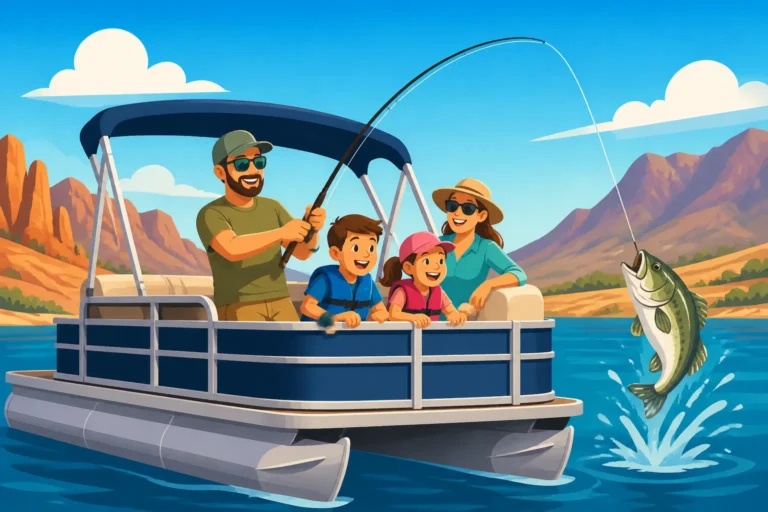
Ah, the open water! There’s nothing quite like a day out on a Nevada lake or reservoir, whether you’re casting for bass on Lake Mead or chasing trout in the cooler waters of Lake Tahoe. But as any parent knows, a day on the water with kids brings its own set of anxieties, especially when it comes to safety. One of the biggest questions I hear, and one that causes a fair bit of confusion, is around life jacket requirements for our youngest adventurers. It's not just about avoiding a fine; it's about keeping our precious cargo safe. This guide is going to cut through the noise and give you a clear, empathetic look at Nevada’s life jacket rules for children, ensuring your family can enjoy the water safely and legally.
Why Life Jackets are Non-Negotiable for Kids in Nevada Waters
Let's be real, water can be unpredictable, and even the calmest days can turn in an instant. For many of us, the joy of a boat ride or a fishing trip is tinged with that constant hum of parental worry. Nevada's vast and often deep waters, from the sprawling expanse of Lake Mead to the high-altitude chill of Lake Tahoe, demand respect. A life jacket isn't just a piece of gear; it's a vital piece of personal safety equipment that could quite literally be the difference between a happy memory and a heartbreaking tragedy.
The Harsh Reality of Water Accidents
I’ve seen it happen. A sudden wake from a passing boat, an unexpected gust of wind, a slippery deck – things can go wrong incredibly fast, even for kids who are strong swimmers. Drowning is silent and swift, and even a moment of inattention can have dire consequences. Imagine your child, caught off guard, tumbling into the surprisingly cold water of a Nevada lake. Without a properly fitted life jacket, panic can set in, muscles can cramp, and even the best swimmers can struggle. These are not just statistics; these are real-life scenarios that underscore why a life jacket is the absolute last line of defense. It buys precious time, keeps their head above water, and increases visibility for rescue. It’s an investment in their safety that you hope you never need, but are eternally grateful for if you do.
Beyond the Law: Peace of Mind for Parents
Honestly, for most parents, the law is just the baseline. The real drive to put a life jacket on your child comes from deep within – it's about that profound need to protect them. There’s enough to juggle on a family outing: snacks, sunscreen, fishing rods, managing excitement. Adding the constant vigilance of watching a child near water can be exhausting. Knowing your child is wearing a U.S. Coast Guard-approved life jacket that fits them properly provides an incredible sense of relief. It allows you to relax a little, to enjoy the scenery, to teach them how to cast, without that gnawing fear in the back of your mind. It truly does give you a level of peace of mind that no other piece of equipment can. You’re not just following a rule; you’re empowering yourself and your family to make the most of your time together on the water.
Specific Nevada Life Jacket Laws for Children
Navigating the rules and regulations can feel like a maze sometimes, especially when you're trying to figure out what applies to your specific situation. But when it comes to kids and life jackets in Nevada, the rules are pretty straightforward and, frankly, non-negotiable for their safety.
The Under-13 Rule: Mandatory Wear
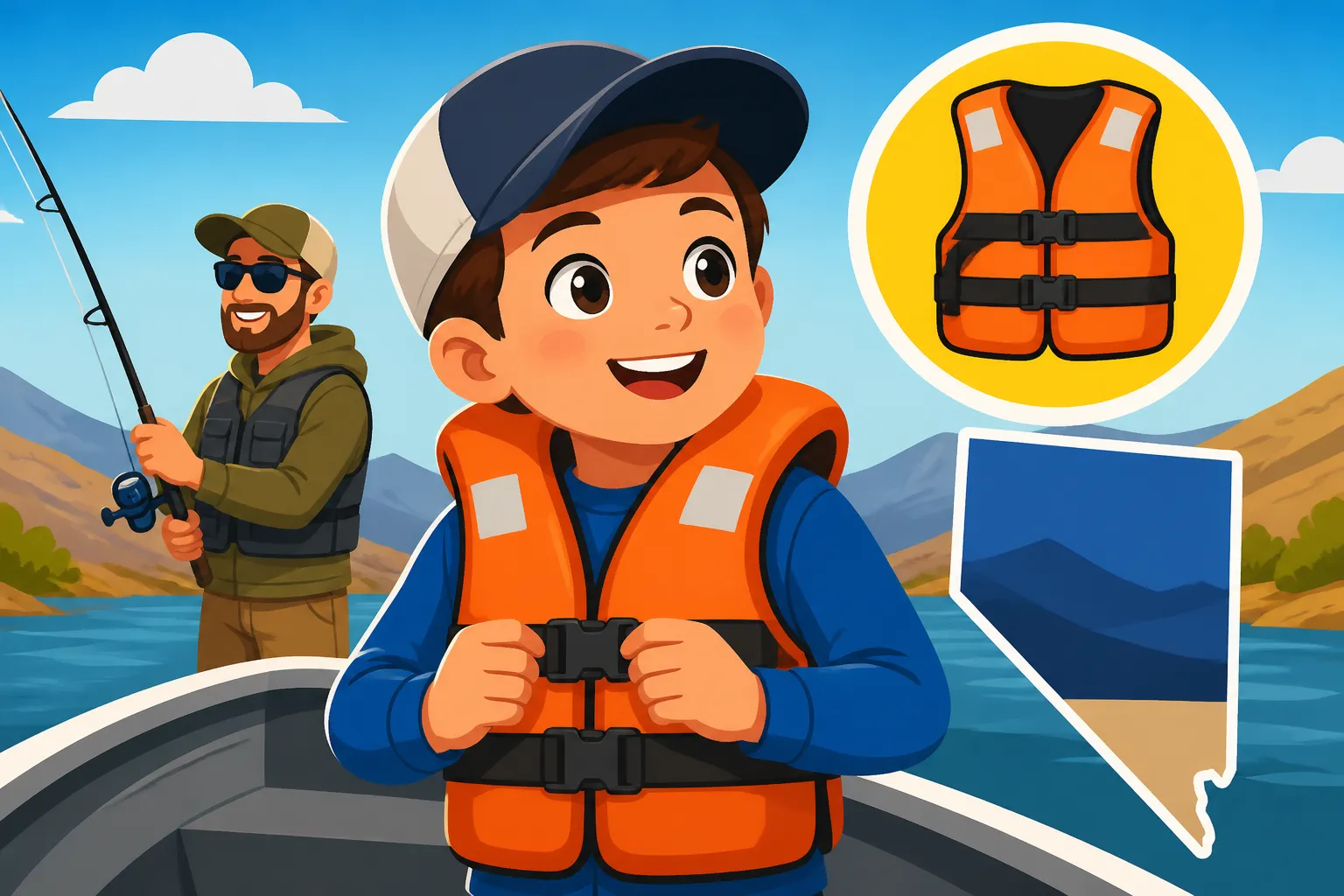
Here’s the core of it: In Nevada, any child under the age of 13 must wear a U.S. Coast Guard-approved life jacket at all times while on board any vessel that is underway. This isn't a suggestion; it's the law. "Underway" means when the boat isn't anchored, moored, or aground. So, if you're cruising across Lake Mohave, idling in a cove, or even just drifting in the middle of a reservoir, your child under 13 needs that life jacket on.
It’s not enough to simply have a life jacket on board for them. It must be worn, properly fastened, and sized correctly. I know, sometimes kids fuss, they get hot, they complain it's uncomfortable. We've all been there. But explaining why it's important, making it part of the adventure, and ensuring a comfortable fit goes a long way. Think of it like a seatbelt in a car – it's just what we do to stay safe. This rule applies across the board, whether you're in a motorized boat, a sailboat, or even a Nevada Nonmotorized Boat Rules scenario like a paddleboat or a canoe. If you’re ever unsure about vessel requirements, a quick check on the Nevada Boat Registration and Titling Guide can also provide some context.
Approved Life Jackets and Fit
When the law talks about a "U.S. Coast Guard-approved life jacket," they mean specific types of personal flotation devices (PFDs) that have met rigorous safety standards. These jackets will have a clear label stating their approval. You can't just grab any old inflatable pool toy and call it a day. The approval ensures it provides adequate buoyancy and will perform as expected in the water.
Beyond being approved, the fit is absolutely paramount. An ill-fitting life jacket is almost as dangerous as no life jacket at all. If it's too big, it can ride up around their ears or even slip off in the water. If it's too small, it won't provide enough flotation. It needs to be snug, but not constricting, allowing for comfortable movement. We'll dive more into how to ensure a proper fit shortly, but remember: the label on the jacket usually specifies a weight range, and that's your first key indicator. Always double-check this for each child.
Exceptions and Common Misconceptions
While the under-13 rule is pretty strict, there are a few nuances. Generally, children are exempt from wearing a life jacket if they are within an enclosed cabin or below deck on a vessel. However, even in these situations, it's always wise to have them readily accessible. And for children under 13, I personally advocate for wearing it any time they are near the rail or in an open part of the boat, even if technically "below deck" for a moment.
One common misconception is that if your child is a strong swimmer or has taken swimming lessons, they don't need a life jacket. This couldn't be further from the truth. Even Olympic swimmers can drown, especially if they hit their head, become disoriented, or are overcome by cold water shock. A life jacket provides continuous flotation, even if the person is unconscious or incapacitated. It's about preparedness for the worst-case scenario, not just for a casual swim. Don't let a false sense of security put your child at risk. The Nevada Boater Education Card Requirement for adults emphasizes safe boating practices for everyone on board, and proper PFD use is a huge part of that. Unfortunately, failing to adhere to these rules can result in Nevada Fishing Violation Penalties, which no one wants.
Choosing the Right Life Jacket for Your Child
Alright, so we know why and when our kids need to wear life jackets in Nevada. Now, let's talk about the how – how do you pick one that's not just legal, but truly effective and comfortable for your child? It's not a one-size-fits-all situation, and getting it right makes a huge difference in their safety and enjoyment.
Types of Life Jackets and Their Best Uses
The U.S. Coast Guard classifies PFDs into different types, designed for various activities and conditions. For children, you'll most commonly encounter Type II and Type III.
- Type II (Near-Shore Buoyant Vests): These are designed to turn an unconscious person face-up in the water. They're good for calm, inland waters where a quick rescue is likely. They often have a collar to provide head support. While they offer good safety, they can sometimes feel a bit bulky, especially for active kids.
- Type III (Flotation Aids): These are generally more comfortable and allow for a greater range of motion, which is why they're often popular for recreational boating, fishing, and water sports. However, they are not designed to turn an unconscious person face-up; they require the wearer to tilt their head back to keep their face out of the water. For children, especially younger ones, I often lean towards Type II for that added safety feature, unless the Type III is exceptionally well-fitted and the child is older and very comfortable in the water.
It’s crucial to match the jacket type to the activity and the child's swimming ability. For example, if you're out on the wide-open expanse of Lake Mead, a Type II might offer that extra peace of mind, whereas a Type III could be perfect for a teenager confident in the water, fishing from a smaller boat in a calm cove.
Ensuring a Proper Fit – The Two-Finger Rule
This is probably the single most important aspect of choosing a life jacket. A life jacket only works if it fits! Here’s how to check:
- Check the Weight Range: Every U.S. Coast Guard-approved life jacket will have a weight range printed on the label. Make sure your child falls within that range. Do not buy a jacket for them to "grow into."
- Fasten All Straps and Zippers: Have your child put on the jacket and fasten all zippers, buckles, and straps securely. It should feel snug, not loose or overly tight.
- The "Lift Test": This is the critical step. Once the jacket is on and fastened, lift your child by the shoulders of the life jacket. If the jacket rides up past their chin or ears, it's too big, or not fastened tightly enough. It should stay firmly in place, with minimal upward movement. You should ideally only be able to fit one or two fingers under their shoulders.
- Comfort and Movement: Let your child move around a bit. Can they sit comfortably? Can they move their arms to cast a line? A comfortable jacket is one they're more likely to keep on without complaint.
Remember, children's bodies change rapidly, so re-check the fit periodically, especially at the start of each fishing season or after a growth spurt. Getting the right fit will ensure that the jacket performs its job effectively if it's ever needed.
Maintenance and Storage for Longevity
Life jackets are durable, but they're not indestructible. Proper care and storage will ensure they remain effective and last for years.
- Rinse After Use: After a day on the lake, especially in freshwater or brackish water, give the life jacket a good rinse with fresh water. This helps remove dirt, salt, and any chemicals that could degrade the fabric or stitching.
- Air Dry Thoroughly: Hang the life jacket in a well-ventilated area, out of direct sunlight, to air dry completely. Never put it in a dryer, as high heat can damage the flotation material.
- Store Properly: Once dry, store life jackets in a cool, dry place, away from direct sunlight, fuel, or harsh chemicals. Avoid compressing them for long periods, as this can flatten the foam and reduce buoyancy.
- Inspect Regularly: Before each season or outing, take a moment to inspect all life jackets. Check for tears, punctures, mildew, fading, or any signs of wear and tear. Make sure all zippers and buckles are in good working order. If a life jacket is damaged, replace it immediately. A compromised life jacket is a dangerous one. This proactive approach to gear care extends to all your Essential Safety Gear for Boating on Lake Mead.
Where to Find Compliant Life Jackets and Additional Safety Tips
Knowing the rules and how to pick a good life jacket is excellent, but where do you actually go to get one, and what else should you be thinking about to keep your family safe on Nevada's beautiful waters? Let's dive into some practical advice.
Purchasing Options and Brand Mentions
Finding a U.S. Coast Guard-approved life jacket for your child is easier than ever these days. You have a few great options, both locally and online:
- Local Sporting Goods Stores: Places like Bass Pro Shops are fantastic for this. They often have a wide selection, and more importantly, knowledgeable staff who can help you ensure a proper fit. Being able to physically try on different styles and sizes with your child is invaluable, especially for the "lift test" we discussed earlier. They usually have a good range of options, from basic Type II vests to more comfortable Type III styles for kids who are a bit older and more active.
- Online Retailers: Websites like Amazon offer an enormous selection, often with detailed descriptions and customer reviews that can help guide your choice. Just be sure to filter for "U.S. Coast Guard approved" and pay very close attention to the size charts and weight recommendations provided by the manufacturer. You might need to order a couple of different sizes to find the perfect fit and return the others, but the convenience can be hard to beat.
- Marine Supply Stores: Any store specializing in boating and marine equipment will carry a full line of approved PFDs.
No matter where you buy, always look for that clear U.S. Coast Guard approval label. It's usually sewn right into the jacket. This stamp of approval is your guarantee that the jacket meets the necessary safety standards. For specific recommendations, exploring Best Life Jackets for Reservoir Boating might give you some ideas.
Beyond Life Jackets: Holistic Water Safety
While life jackets are critical, they are just one piece of the overall water safety puzzle. As parents, we want to foster a love for the outdoors, and that includes teaching responsible habits.
- Constant Supervision: This might seem obvious, but it bears repeating. Never, ever take your eyes off children near or on the water, even if they're wearing a life jacket. Designate a "water watcher" whose sole job is to keep an eye on the kids. Drowning can be swift and silent.
- Swimming Lessons: While not a substitute for life jackets, formal swimming lessons are a fantastic skill for any child. They build confidence and provide basic self-rescue abilities.
- Weather Awareness: Nevada weather, especially in mountainous regions or large desert lakes, can change rapidly. Always check the forecast before heading out and be prepared to cut your trip short if conditions worsen. High winds can make even a calm lake extremely dangerous.
- Stay Hydrated and Sun Protected: Desert sun can be brutal. Ensure everyone, especially kids, drinks plenty of water. Hats, sunglasses, and sunscreen are absolute musts to prevent sunburn and heat exhaustion. Desert Fishing Gear and Sun Protection delves deeper into this.
- Teach "Reach, Throw, Don't Go": Educate older children about basic rescue techniques, emphasizing that they should never jump in to save someone unless they are a trained rescuer. Instead, teach them to reach with an object, or throw a flotation device.
Educating Your Young Anglers
Finally, involve your kids in the safety process! Instead of just enforcing rules, explain why they're important. "We wear life jackets so we can all be safe and have fun fishing!" or "This jacket keeps you floating so you can focus on catching that big trout!" Children are often more cooperative when they understand the reasoning.
Make it a positive habit. Let them pick out their own life jacket (within the approved and properly fitting options, of course). Teach them how to put it on and fasten it themselves. This empowers them and makes them an active participant in their own safety. If they're old enough to hold a fishing rod, they're old enough to understand why safety gear matters. And remember, once they hit a certain age, they might even need their own Nevada Youth Fishing License Rules! By making safety a shared responsibility, you're not just protecting them today, but instilling habits that will serve them well for a lifetime of enjoying Nevada's incredible waters.
Disclaimer
This article is for general informational purposes only and does not constitute professional advice. Laws, prices and regulations vary by location and change over time. Consult a qualified professional for guidance on your specific situation.