Best float tube for a high mountain lake
Heading up into Nevada's high mountain lakes for a day of peaceful fishing is an experience like no other, but getting your gear to those remote, often rugged spots can be a real headache. You want to ditch the heavy boat, yet still reach those untouched coves where the fish hide. This guide will walk you through everything you need to know to choose the absolute best float tube for those pristine, hard-to-reach alpine waters, ensuring your adventure is all about the fish and the scenery, not the struggle.
Why a Float Tube is Your Best Friend for High Mountain Lakes
When you envision fishing Nevada's high mountain lakes, you're likely picturing crystal-clear waters, towering peaks, and a sense of solitude that's hard to find anywhere else. These aren't your typical drive-up reservoirs with paved boat launches. Access often involves a hike, sometimes a substantial one, over uneven terrain. That's precisely where a float tube shines.
The Appeal of Stealth and Access
One of the biggest advantages of a float tube is its incredibly stealthy nature. Unlike a noisy motorboat or even a larger kayak that can disturb the peace, a float tube allows you to glide silently across the water. This stealth is a game-changer when you're targeting wary trout in clear alpine waters, as you can approach prime fishing spots without spooking them. Imagine slowly kicking your way along a rocky shoreline, casting into pockets and submerged structure, without a ripple out of place. It’s a pure, unadulterated fishing experience. Plus, these compact vessels can get into tiny coves, shallow inlets, and tight spots that bigger boats simply can't reach. Many high mountain lakes have submerged rocks and fallen timber near the shore that offer incredible cover for trout, and a float tube allows you to work these areas intimately. This quiet approach also lets you truly immerse yourself in the stunning natural beauty around you, often catching glimpses of wildlife that might otherwise be scared away.
Portability Versus Durability in Rugged Terrain
Now, here's the kicker: getting your gear to these remote locations. Many anglers dream of fishing a lake nestled deep within the Ruby Mountains or high up in the Schell Creek Range, but the thought of hauling a heavy boat or even a rigid kayak for miles can quickly turn that dream into a logistical nightmare. This is where the portability of a float tube becomes absolutely paramount. They're designed to be deflated, folded, and often carried like a backpack. The best float tubes for high mountain lakes strike a crucial balance: they need to be light enough to comfortably carry on your back, sometimes for several hours, but also incredibly durable to withstand the abuse of rocky trails, sharp branches, and abrasive shorelines. Northern Nevada Mountain Lake Fishing can be exhilarating, but the journey to get there often demands robust gear. You’re going to be setting it down on rough ground, dragging it short distances to the water's edge, and generally putting it through its paces. Choosing a tube made from heavy-duty, puncture-resistant materials is non-negotiable for these environments, as a small tear miles from your car could quickly ruin your day.
Key Features to Look For in a High Mountain Lake Float Tube
When you're trying to pick out a float tube that will stand up to the unique demands of Nevada's high mountain lakes, it's not just about what looks good. You need to dig into the details and consider some really specific features. This isn't your average pond fishing experience, so your gear needs to be up to the task.
Durability and Puncture Resistance
This is probably the single most important factor. High mountain environments are inherently rugged. You’re not launching from a manicured beach; you’re likely pushing off from a shoreline made of sharp granite, volcanic rock, or abrasive gravel. The last thing you want is a punctured bladder halfway across a freezing alpine lake. Look for float tubes made from heavy-denier PVC or a similar robust, multi-layer material. Some top-tier models even incorporate a fabric outer shell that acts as an additional protective layer. Think about the bottom of the tube especially, as that's where most of the scraping and contact with abrasive surfaces will occur when you're getting in and out or moving around near shore. Reinforced seams are also a huge plus, as they're often weak points in lesser quality tubes. Many anglers appreciate the added peace of mind of having a thick, abrasion-resistant bottom. Checking reviews for longevity and material quality is a smart move, and don't hesitate to ask staff at places like Bass Pro Shops about the durability of specific models, as they often have hands-on experience or feedback from other backcountry anglers.
Portability and Weight
Remember, many of these pristine high mountain lakes are only accessible via hiking trails. That means every pound counts. A float tube designed for high mountain use should ideally be lightweight and feature a comfortable carrying system, like backpack straps. Seriously, imagine hiking for an hour or two with a heavy, awkward tube—it quickly takes the fun out of the trip. Look for models that weigh in the 10-15 pound range when deflated and packed. Some larger, more feature-rich tubes might creep up to 20 pounds, which is still manageable for many, but be realistic about your own strength and the length of your intended hikes. Consider how compactly it folds down; can you easily strap it to a larger hiking pack, or does it come with its own integrated backpack system? The easier it is to carry, the more energy you'll have for actually fishing once you reach your destination.
Seating and Comfort
You're going to be spending hours sitting in this thing, often with your lower half submerged in chilly water. Comfort is key to enjoying your time on the lake. Look for a seat that is elevated, keeping you out of the coldest water as much as possible, and provides good back support. Inflatable seats are common, but some tubes offer foam-padded seats or even a rigid frame seat for superior comfort and height. The higher you sit, the easier it is to cast, retrieve, and keep an eye on the water. However, a higher seat might slightly impact stability, so it's a trade-off. Adjustable backrests are a fantastic feature, allowing you to fine-tune your position for optimal comfort during those long casting sessions. Also, consider the leg room and the design of the leg openings – you don't want them to chafe or restrict your movement when kicking with your fins.
Storage and Gear Capacity
High mountain fishing often means you need to be self-sufficient. You'll likely be carrying extra layers, food, water, a first-aid kit, and, of course, your tackle. A good float tube will have ample, strategically placed storage pockets. Look for large, zippered pockets on both sides of the tube that are easy to access while you're on the water. Mesh pockets are great for items you need to drain or access quickly, like a small net or a water bottle. Some tubes include a large storage area behind the seat, which is perfect for a backpack or a small cooler. D-rings and attachment points are also invaluable for clipping on accessories like a fish finder, rod holders, or a net. Think about the types of gear you typically bring on a fishing trip and ensure the float tube has enough space and organizational features to accommodate it all. Having everything within easy reach means less fumbling and more fishing time.
Inflation and Setup Ease
After a long hike, the last thing you want is a complicated or lengthy inflation process. Look for tubes with large-mouth valves that allow for quick inflation and deflation. Tubes with multiple independent air bladders are also a smart choice; if one bladder gets a leak, the others will still provide flotation, giving you a safety margin to get back to shore. A foot pump or a compact hand pump is usually sufficient, but consider models that are compatible with battery-operated pumps if you're willing to carry the extra weight for convenience. The faster you can get on the water, the better, especially when precious daylight hours are limited in higher elevations.
Propulsion and Maneuverability
Your primary mode of propulsion will be a set of fins on your wading boots. Therefore, a float tube needs to be designed to allow efficient kicking. U-shaped or V-shaped designs tend to be more hydrodynamic and easier to maneuver than rounder tubes. This shape allows you to kick with less resistance, making it easier to cover water and fight against any unexpected winds that can whip up quickly on mountain lakes. A stripping apron or working surface that lays across your lap is also crucial, providing a convenient place to hold your tackle, tie knots, and manage your line without losing items overboard.
Top Considerations for Nevada's Unique Conditions
Nevada's high mountain lakes aren't just high; they come with their own distinct set of challenges that can impact your float tube choice and overall fishing experience. Ignoring these unique conditions could lead to a less-than-ideal day, or even worse, a safety hazard.
Adapting to Altitude and UV
When you're fishing at elevations like those found in the Ruby Mountains or the Toiyabe Range, you're not just closer to the sun, you're also dealing with thinner air. This means the sun's ultraviolet (UV) rays are significantly more intense. Even on a cloudy day, you can get a nasty sunburn much faster than at lower elevations. Your float tube itself needs to be made of materials that can withstand prolonged UV exposure without degrading quickly. Look for UV-resistant fabrics and PVC. But more importantly, you, the angler, need to be prepared. This means a wide-brimmed hat, sunglasses with excellent UV protection, and long-sleeved, breathable sun-protective clothing. Don't forget sunscreen for any exposed skin. The glare off the water can be intense, too, so polarized sunglasses are a must for spotting fish and protecting your eyes. Desert Fishing Gear and Sun Protection is critical for any outing in Nevada, and even more so at altitude.
Navigating Rocky Shorelines and Shallow Water
Many of Nevada's high mountain lakes feature rugged, rocky shorelines rather than soft, sandy beaches. Getting your float tube into and out of the water often means dragging it over rough surfaces or carefully maneuvering through shallow, boulder-strewn areas. For this reason, a float tube with a reinforced bottom and sturdy side material is paramount. Some tubes have a "rock guard" or extra durable fabric on the underside. When choosing a model, visualize how you'll be launching and landing. Will you be in an area with sharp volcanic rock or jagged granite? A well-built tube can handle this, but a flimsy one will quickly show signs of wear, or worse, spring a leak. Also, consider the tube's draft – how deep it sits in the water. A slightly shallower draft can be beneficial for navigating tight, rocky channels or shallow flats without constantly scraping the bottom.
Cold Water Safety
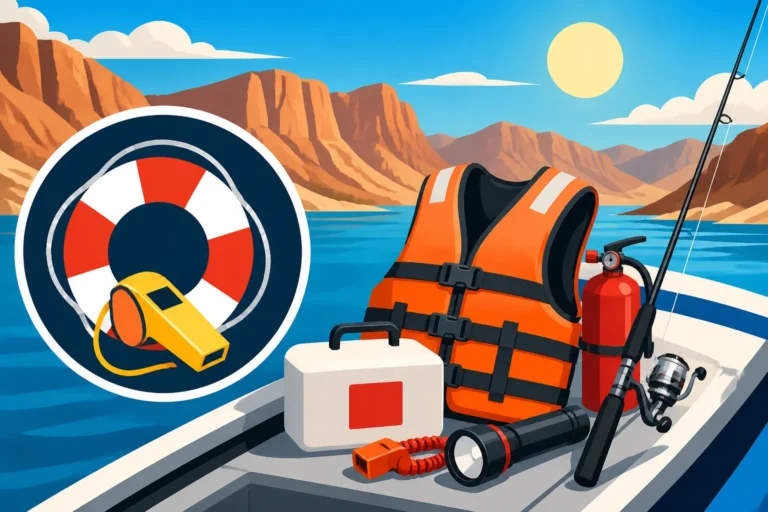
Even on the hottest summer days, the water in Nevada's high mountain lakes can be shockingly cold. Snowmelt feeds these lakes, and the deep, clear water retains its chill. Cold water presents a significant safety concern. You absolutely need to wear appropriate layers, including good quality waders. Neoprene waders offer excellent insulation and are often a preferred choice for float tube fishing in cold water, keeping your lower body warm. A personal flotation device (PFD) is not just a good idea; it's often legally required and an essential safety item. Even if you're a strong swimmer, an unexpected fall into frigid water can quickly lead to hypothermia and disorientation. Make sure your PFD is comfortable enough to wear all day while casting and kicking. Consider bringing extra dry clothes in a dry bag, just in case, and always let someone know where you're going and when you expect to return, especially when venturing into remote high-altitude areas. Essential Safety Gear for Boating on Lake Mead might have different specifics, but the principle of preparedness applies just as much to smaller, colder waters.
Recommended Float Tube Types and Where to Find Them
Alright, let’s talk about the specific types of float tubes that are best suited for your high mountain lake adventures in Nevada, and where you can go to get your hands on them. The market has evolved quite a bit, offering various designs to cater to different needs and preferences.
U-Shaped Versus Pontoon Style
When it comes to float tubes, the two main designs you’ll typically encounter are the classic U-shaped (or V-shaped) and the pontoon-style. Each has its pros and cons, particularly for the high mountain environment:
-
U-Shaped / V-Shaped Float Tubes: These are the traditional workhorses of the float tube world. They typically feature a single, large U or V-shaped bladder with a seat suspended within the open end.
- Pros: Generally very lightweight and compact when deflated, making them excellent for hiking into remote locations. They are often less expensive. The open front design makes it easy to get in and out, especially important when you're wading in cold water or maneuvering around shore. They offer good maneuverability with fins.
- Cons: The angler often sits lower in the water, which means more exposure to cold water and potentially more effort to kick. Storage capacity can sometimes be more limited than with pontoon styles.
- Best for: Anglers prioritizing extreme portability, ease of entry/exit, and a minimalistic approach for shorter hikes or smaller, calmer lakes.
-
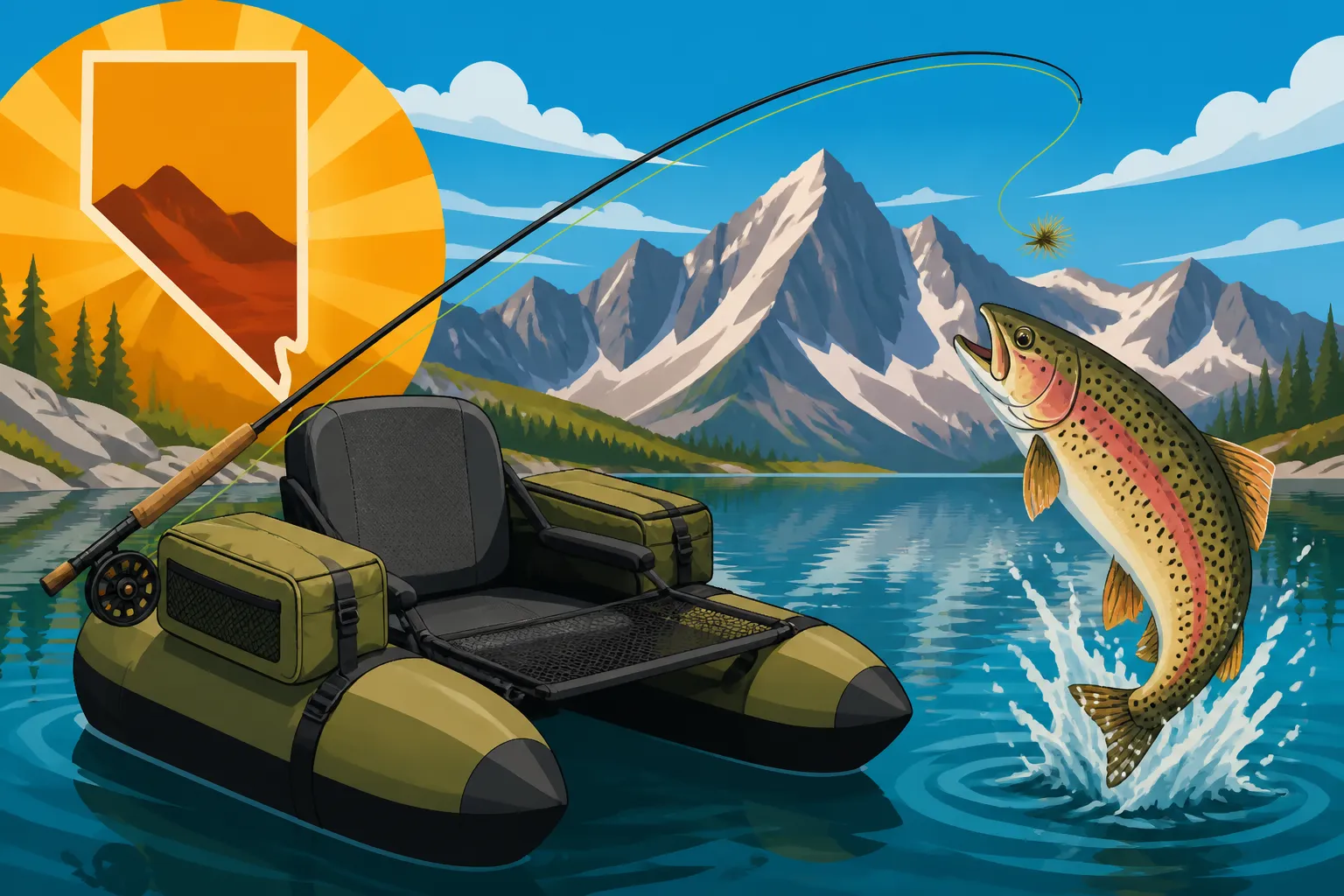
Pontoon-Style Float Tubes: These tubes resemble mini inflatable pontoon boats, with two distinct pontoons and often a framed seating area that sits higher above the water.
- Pros: Significantly higher seating position, keeping you much drier and warmer out of the cold water, and making casting much easier. They usually offer excellent stability, even in choppier conditions that can sometimes surprise you on a mountain lake. Often come with more generous and accessible storage pockets. The rigid frame provides superior back support.
- Cons: Typically heavier and bulkier when deflated due to the frame and larger pontoons, making them less ideal for very long, strenuous hikes. They are generally more expensive. Inflation can take a bit longer due to larger air chambers.
- Best for: Anglers prioritizing comfort, stability, generous storage, and staying drier and warmer, especially for longer days on larger high mountain lakes or when the hike isn't excessively long.
For high mountain lakes, the choice often comes down to the length and difficulty of your hike. If you're going deep into the backcountry, a lightweight U-shaped tube might be preferable. If you can get closer to the water or prioritize comfort for extended fishing sessions, a pontoon-style tube could be worth the extra carry weight.
Reputable Brands and Retailers
When you’re investing in a float tube for challenging conditions, going with a reputable brand makes a huge difference in terms of quality, durability, and warranty. Some of the well-regarded brands in the float tube world include Outcast, Creek Company, Classic Accessories, and Bighorn. These brands often specialize in float tubes and offer models specifically designed for rugged use.
Knowing where to purchase your float tube is also key. For many people, online retailers like Amazon offer a vast selection, competitive pricing, and the convenience of home delivery. You can often read numerous customer reviews, which can provide valuable insights into real-world performance, durability, and comfort for different models. However, for a major purchase like this, especially when durability is paramount, there’s a lot to be said for seeing the product in person. Stores like Bass Pro Shops are fantastic for this. You can physically examine the materials, assess the weight, sit in different models to test comfort, and even talk to knowledgeable staff who can offer expert advice based on local conditions and angler feedback. They might also have a better selection of the specific accessories you'll need, like fins, waders, and PFDs, allowing you to get everything in one go. Remember, this isn't just about catching fish; it's about making sure you have reliable gear for a safe and enjoyable experience in remote, beautiful settings.
| Feature | U-Shaped/V-Shaped Float Tube | Pontoon-Style Float Tube | Ideal for High Mountain Lakes Consideration |
|---|---|---|---|
| Portability | Excellent (lighter, more compact) | Good (heavier, bulkier due to frame) | Critical for long hikes; U-shaped generally wins here. Pontoon for shorter, easier access. |
| Durability | Good (depends on material) | Excellent (often heavier material, reinforced) | Essential for rocky shorelines; look for reinforced bottoms and heavy-denier fabrics in both types. |
| Seating Height | Low (closer to water) | High (well above water) | Higher seating reduces cold water exposure and makes casting easier, but adds weight. |
| Stability | Good (can be affected by wind) | Excellent (wider base, rigid frame) | Important for unexpected wind gusts and comfortable casting. Pontoon styles offer more peace of mind. |
| Storage | Moderate (side pockets) | Excellent (larger pockets, rear platform) | Consider how much gear (layers, food, safety) you need to carry for a full day in the backcountry. |
| Maneuverability | Very good (easy to kick) | Good (may feel less agile for some) | Both are effective with fins, but U-shaped can feel a bit more nimble. |
| Price Point | Generally more affordable | Generally higher | Invest in quality for safety and longevity in rugged environments. |
Finding the right float tube for those truly special Nevada high mountain lakes means weighing what matters most to you: extreme portability for the longest treks, or enhanced comfort and stability for longer sessions on the water. Either way, prioritizing durability and safety features will ensure your remote fishing adventures are memorable for all the right reasons. Nevada Fishing Gear Essentials will outline other items you’ll want to bring, but your float tube is the foundation of your experience.
Ensuring a Successful Float Tube Trip to Nevada's Mountains
Choosing the right float tube is just the beginning of preparing for a memorable high mountain lake fishing trip in Nevada. To truly make the most of your adventure, you need to consider the full picture, from getting there safely to maximizing your fishing time on the water.
Packing Smart and Efficiently
Every ounce counts when you're hiking into the high country. Beyond your float tube, think critically about everything you bring. Layered clothing is crucial due to rapidly changing mountain weather – from crisp mornings to warm afternoons, and sudden thunderstorms. A waterproof outer shell is non-negotiable. Don't forget a first-aid kit, plenty of water, and high-energy snacks. A small, lightweight backpacking pump is a good idea for inflation. For your fishing gear, select versatile tackle. Often, a single Best Rod and Reel Combo for Beginners that can handle both lures and bait will suffice. For trout, consider bringing a selection of spinners, spoons, small crankbaits, and perhaps some PowerBait or worms if allowed. Best Bait for Nevada Trout often includes small spoons or flies. A small, folding net is invaluable for safely landing and releasing fish. Remember, while a float tube allows access, you still need to be mindful of your overall load.
Understanding Mountain Lake Etiquette and Regulations
These pristine environments require respect and adherence to specific rules. Always practice Leave No Trace principles: pack out everything you pack in, including all trash and fishing line scraps. Be mindful of wildlife and give them space. Check the current Nevada Fishing Regulations Explained for the specific lake you plan to visit, as high mountain lakes can sometimes have unique rules regarding bag limits, size restrictions, or even tackle types. Some remote lakes might be catch-and-release only, or have specific seasons. Knowing these ahead of time prevents disappointment or, worse, a violation. Respect other anglers and their pursuit of solitude; keep noise to a minimum. Remember that Nevada Trout Stamp Requirements might apply to certain waters, so always ensure your license and any necessary stamps are current.
Mastering Your Float Tube Skills
Before you embark on a multi-mile hike to a remote lake, get comfortable with your float tube in a more accessible body of water, like one of the Las Vegas Nevada Urban Pond Fishing Guide options or a local park lake. Practice getting in and out, maneuvering with your fins, casting from a seated position, and reaching your gear in the pockets. Understand how the wind affects your drift and how to use your fins to correct your position. Learning how to properly anchor, if you plan to do so, is also beneficial. The more proficient you are with your float tube, the more relaxed and successful your high mountain lake fishing trip will be. It's about building confidence and ensuring that when you're finally surrounded by those breathtaking mountain views, you're focused on the fishing, not struggling with your gear.
Armed with the right float tube and a solid plan, you're ready to unlock some of Nevada's most stunning and productive high mountain fishing experiences. The effort to get there will be richly rewarded with solitude, spectacular scenery, and the thrill of trout in truly wild settings.
Disclaimer
This article is for general informational purposes only and does not constitute professional advice. Laws, prices and regulations vary by location and change over time. Consult a qualified professional for guidance on your specific situation.