Nevada largemouth bass minimum size limit
One of the trickiest parts about fishing in a new state, or even a familiar one, is keeping track of all the rules and regulations. It’s easy to get confused by varying limits and wonder if you’re doing everything by the book, especially when it comes to specific species like largemouth bass. This comprehensive guide is here to cut through the confusion and give you the definitive scoop on the minimum size limit for largemouth bass across Nevada’s diverse fishing waters.
Understanding Nevada's Bass Regulations: More Than Just a Number
It's not just about catching fish; it's about being a responsible angler, and that means understanding and respecting the rules. Nevada's fishing regulations are designed to protect fish populations, ensure healthy ecosystems, and provide sustainable fishing opportunities for generations to come. Without these rules, our favorite fishing spots could quickly become overfished, leading to dwindling numbers and smaller catches.
Why Regulations Exist for Game Fish
Imagine a world where everyone kept every fish they caught, regardless of size. Within a few seasons, the fish population would be decimated, especially slower-growing species. Size limits, along with daily and possession limits, are critical management tools. They help ensure that enough fish survive to reproduce, maintaining a robust population. For predatory fish like largemouth bass, they also help regulate the food chain and overall lake health. Keeping smaller fish that haven't had a chance to spawn, or removing too many larger, more experienced breeders, can have cascading negative effects on the entire fishery. The Nevada Department of Wildlife (NDOW) works tirelessly to study fish populations and set regulations that balance angler enjoyment with ecological responsibility. If you're keen to learn more about the broader framework, check out our in-depth guide to Nevada Fishing Regulations Explained.
Navigating the Nevada Department of Wildlife NDOW Resources
The NDOW website is your absolute best friend when it comes to understanding Nevada's fishing rules. They publish an annual fishing guide that details all statewide and specific water body regulations. While our guide here will give you the essential details for largemouth bass, always double-check the latest NDOW regulations, especially before heading out. Rules can change annually, and being caught unaware can lead to fines and penalties. You can often pick up a physical copy of the guide at tackle shops or NDOW offices, or download a PDF version directly from their site. It’s a smart move to have a copy, digital or physical, accessible on your phone or in your tackle box, just in case you need to verify something on the water. Many anglers find a waterproof map or a small laminated card with key regulations to be invaluable when out on the boat or shore.
The Crucial Details: Nevada's Largemouth Bass Size Limits
This is the information you've been waiting for, and it's where things can get a little nuanced. Unlike some states with a blanket minimum size for a species, Nevada has regulations that vary depending on where you're casting your line. It's vital to know the distinction to avoid any issues.
Statewide Largemouth Bass Rules: The General Case
For the vast majority of waters not specifically listed with their own unique rules, Nevada has a rather generous approach to largemouth bass. There is generally no minimum size limit for largemouth bass in most of Nevada’s waters. This means that if you hook a largemouth, say, in a smaller urban pond or a less-frequented reservoir that doesn't have specific listed regulations, you can legally keep it regardless of its length, as long as you adhere to the daily creel limit. The daily limit for bass (which includes largemouth and smallmouth combined) is typically five fish per angler per day, with a possession limit of ten fish. This flexibility allows anglers to enjoy catching and keeping smaller bass, which can be a fun experience, especially for new anglers or kids. However, as responsible anglers, many still practice catch and release for smaller fish to promote growth and future angling opportunities. For a broader look at all species, refer to our Nevada Statewide Bag Limits Explained article.
Key Exceptions: Lake Mead, Lake Mohave, and the Colorado River
Here’s where you need to pay close attention, especially if you plan on fishing some of Nevada's most popular and productive bass waters. The rules are different for these significant fisheries:
- Lake Mead, Lake Mohave, and the Nevada portion of the Colorado River: For largemouth and smallmouth bass in these waters, there is a minimum size limit of 13 inches. This means any bass you catch in these specific locations that measures less than 13 inches from the tip of its snout to the end of its tail (with the tail compressed) must be immediately released back into the water unharmed. This 13-inch minimum size is critical for protecting the spawning stock and ensuring the long-term health of these world-class bass fisheries. These reservoirs are highly pressured, and this regulation helps ensure that bass have a chance to mature and reproduce before being harvested.
It’s crucial to remember this distinction. A bass that's perfectly legal to keep at, say, a local urban pond, might be illegal to keep if caught at Lake Mead. Always verify the specific regulations for the body of water you intend to fish. Understanding the nuances of Nevada Bass Daily Limit and Size Rules is paramount to a successful and legal trip.
Here's a quick summary table to help keep it clear:
| Water Body Type | Largemouth Bass Minimum Size Limit | Daily Creel Limit (Bass Combined) | Possession Limit (Bass Combined) |
|---|---|---|---|
| Most Nevada Waters (General Statewide Rule) | None | 5 Fish | 10 Fish |
| Lake Mead, Lake Mohave, Colorado River (Nevada) | 13 inches | 5 Fish | 10 Fish |
Note: Always consult the latest NDOW fishing regulations for the most up-to-date and specific rules for your chosen fishing location, as regulations can change.
Practical Application: Measuring, Handling, and Releasing Bass
Knowing the rules is one thing; applying them correctly on the water is another. Incorrect measuring can lead to keeping an undersized fish inadvertently, and improper handling can harm the fish you intend to release.
Proper Measuring Techniques on the Water
When you catch a bass and need to determine if it meets the 13-inch minimum in regulated waters, accuracy is key. Here's how to do it correctly:
- Use a Reliable Measuring Device: Don't guess! Carry a quality measuring board or tape measure. Many tackle boxes come with a built-in ruler, or you can purchase specialized fishing rulers made of rigid plastic or aluminum. Brands like Amazon offer a wide selection of durable, fish-friendly measuring boards.
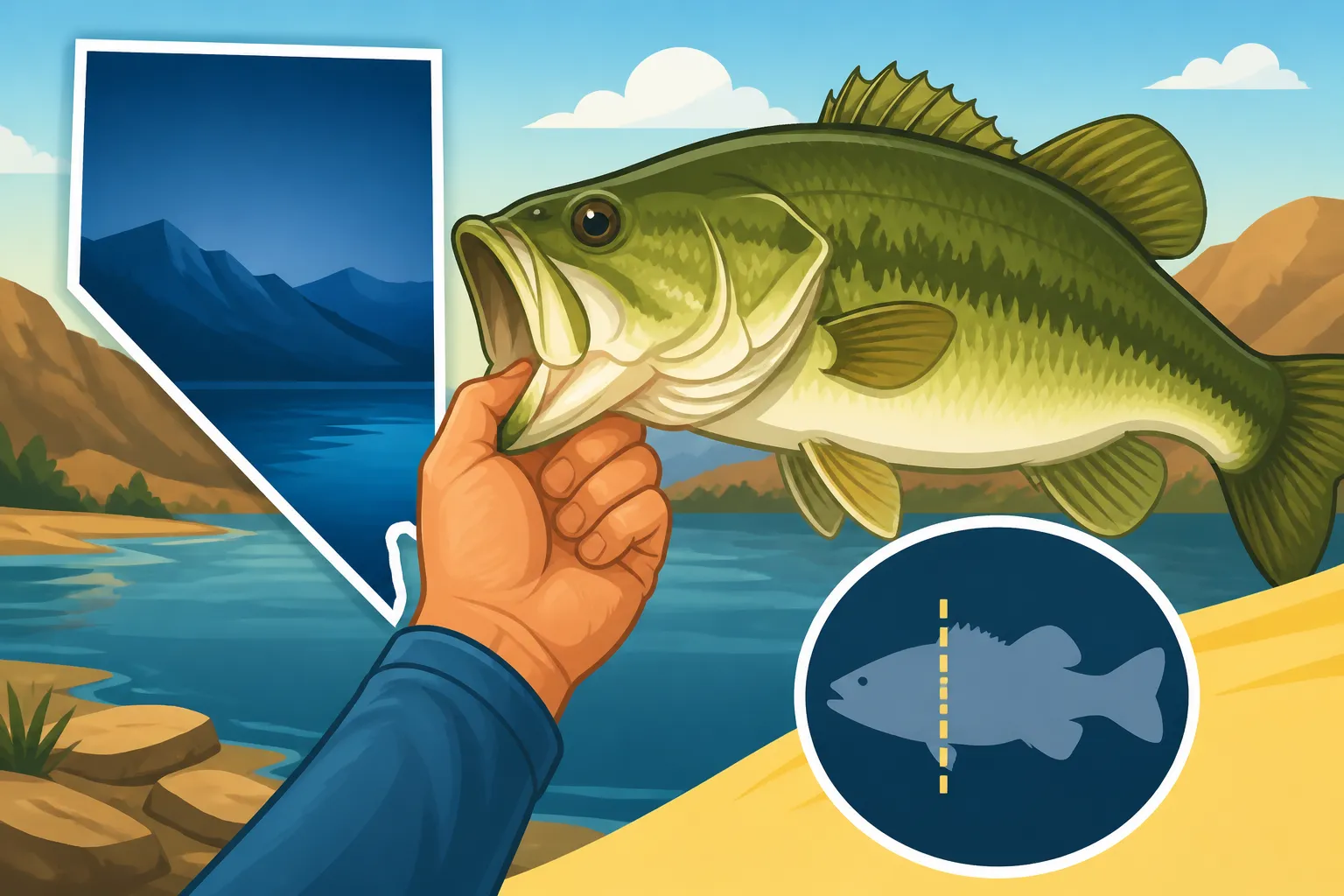
- Handle the Fish Gently: Minimize stress on the fish. Wet your hands before touching it to protect its slime coat, which is vital for its health and protection against disease. Avoid placing fingers in the gills. The best way to hold a bass for measuring is by grasping its lower jaw (lipping it) firmly but gently, supporting its body horizontally with your other hand.
- Measure to the Longest Point: Place the fish on your measuring device with its snout touching the zero mark. Gently compress the tail lobes together (this is called "pinching" or "compressing" the tail) to get the maximum overall length. Read the measurement at the very end of the tail.
- Quickly and Safely: The goal is to get an accurate measurement as quickly as possible to minimize the fish's time out of water. Have your measuring device ready and know how to use it efficiently before you even make your first cast.
Having a sturdy, flat measuring board, often available through retailers like Amazon, helps keep the fish still and makes for a more accurate measurement than a floppy tape measure.
Ensuring a Healthy Release for Undersized Fish
For any bass that doesn't meet the minimum size limit in Lake Mead, Lake Mohave, or the Colorado River, or for any fish you decide to release (which is encouraged for conservation), a healthy release is paramount.
- Minimize Air Exposure: Fish gills are designed to extract oxygen from water, not air. Keep the fish in the water as much as possible, especially during unhooking and measuring. If you must lift it out, do so briefly.
- Unhook Carefully: Use needle-nose pliers or a hook remover to quickly and gently remove the hook. If the fish is deeply hooked, especially in the gills or throat, it's often best to cut the line as close to the hook as possible rather than tearing sensitive tissue. The hook will eventually rust out, or the fish's body may encapsulate it.
- Revive if Necessary: If the fish seems lethargic after unhooking, gently hold it upright in the water, facing into a mild current (or move it back and forth gently to force water over its gills). Once it starts to kick its tail and shows signs of being able to swim off on its own, release it. Don't just toss it back; ensure it's strong enough to survive.
- Avoid Rough Surfaces: Don't let the fish flop around on hot, dry ground or rough boat carpet. A wet mat or a designated release cradle can greatly reduce injury. Learning proper Catch and Release Techniques for Trout (which apply broadly to most fish) can also be highly beneficial.
Beyond Size: Daily Limits, Possession, and Future Fishing
While the minimum size limit for largemouth bass is a key regulation, it’s just one piece of the puzzle. Understanding daily and possession limits, and embracing sustainable fishing practices, ensures that our waters remain vibrant for years to come.
Understanding Daily and Possession Limits
Even if there's no minimum size, or if your bass meets the 13-inch minimum, you still have to adhere to daily and possession limits.
- Daily Creel Limit: This is the maximum number of fish of a specific species (or group of species, like all black bass combined) that an individual angler can legally keep in a single day. For largemouth bass in Nevada, this is typically five fish. Once you’ve kept your five fish for the day, any additional bass you catch must be released, regardless of size, until the next calendar day.
- Possession Limit: This refers to the total number of fish of a specific species that an individual can have in their possession at any given time, whether they are in a cooler, at home in the freezer, or in transit. In Nevada, the possession limit for bass is usually ten fish, which is typically twice the daily limit. This means if you fish for two days and keep your limit each day, you're at your possession limit. If you fish a third day, you would need to consume or give away some of your bass from previous days to stay within the possession limit for any new fish kept.
Always keep your fish separate from other anglers if you’re fishing with a group, to avoid any confusion or accidental violations of individual limits. A cooler dedicated to your catch is a good idea. Knowing the Nevada Fishing License Guide will also help clarify the rules of who can fish and how many they can keep based on their license type.
Contributing to Sustainable Bass Fisheries
Adhering to size and creel limits is the baseline for sustainable fishing. But as anglers, we can do even more to ensure healthy bass populations.
- Targeting and Technique: Understanding How to Fish for Bass in Nevada and adapting your techniques can help protect the fishery. For example, during the bass spawn (which typically happens in spring when water temperatures are in the 60s), bass are often shallow and easily caught. While it's generally legal to fish during the spawn, some anglers choose to limit their take or practice catch-and-release during this sensitive time to allow bass to successfully reproduce.
- Selective Harvest: Even with no minimum size limit, consider the health of the fishery. Removing too many large, prime breeding bass (sometimes referred to as trophy bass) can negatively impact genetics and the overall population. Conversely, some fisheries can benefit from removing smaller, more numerous bass to reduce competition for food, allowing remaining fish to grow larger. This is a complex management strategy, but being mindful of the size of fish you keep is a good practice.
- Educate Others: Share your knowledge responsibly. When you see new anglers struggling with regulations or proper fish handling, offer helpful advice rather than judgment. Promoting ethical angling benefits everyone.
- Support Conservation Efforts: A portion of your fishing license fees goes directly to NDOW’s conservation and stocking programs. By buying your Nevada Fishing License Cost Breakdown and adhering to the rules, you're directly contributing to the future of Nevada fishing. Exploring popular spots like Lake Mead Largemouth Bass Coves gives you a firsthand look at where these regulations make a difference.
Ultimately, whether you're after a trophy largemouth or just enjoying a day on the water, understanding and respecting Nevada's largemouth bass minimum size limits and other regulations is crucial. It ensures not only that your fishing trip is legal but that these fantastic angling opportunities will be available for many more years to come. For specific gear like Best Lures for Nevada Bass, you might find what you need readily available on Amazon before your next outing.
Disclaimer
Please note that fishing regulations can change. While this guide provides the most current information available at the time of writing, it is always the angler's responsibility to consult the latest official Nevada Department of Wildlife (NDOW) fishing regulations before heading out.