Is Sunset Park pond good for bass fishing?
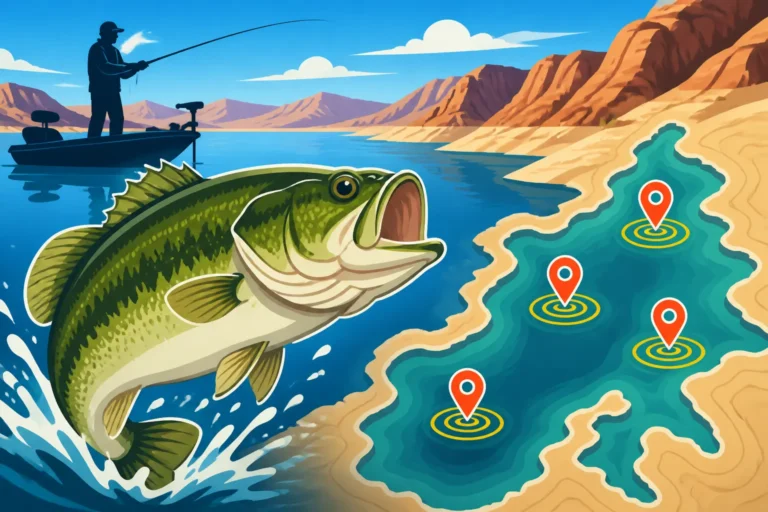
It's easy to overlook urban ponds like Sunset Park in Las Vegas when you're dreaming of big bass. Many anglers assume these smaller waters are only good for stocked trout or panfish, making them wonder if a dedicated bass trip is even worth the effort. But don't write them off just yet! This guide dives into whether Sunset Park Pond is a viable spot for bass fishing, revealing what you can realistically expect and how to make the most of your visit.
Understanding Sunset Park Pond for Bass Anglers
Many anglers new to Nevada, or even long-time residents, often wonder if the easily accessible urban ponds offer a legitimate bass fishing experience. The good news is that Sunset Park Pond, while not a trophy bass destination like Lake Mead, certainly holds a healthy population of largemouth bass that can provide exciting action.
Bass Species Present and Their Behavior
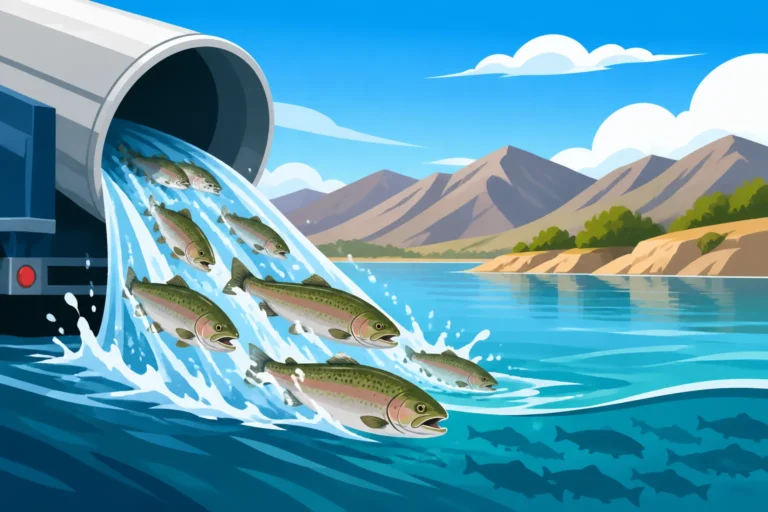
When you're casting lines at Sunset Park Pond, the primary bass species you'll encounter is the largemouth bass. These aren't necessarily the monster "hawgs" you see in professional tournaments, but they offer consistent action, especially for beginners or those seeking a quick fishing fix without a long drive. The Nevada Department of Wildlife (NDOW) actively manages these urban ponds, often stocking them with rainbow trout, which in turn provides a readily available, high-protein food source for the resident bass. This dynamic can lead to healthy bass populations, even in smaller waters.
You'll typically find largemouth in the 1 to 3-pound range, with occasional surprises that might push the 4 or 5-pound mark. Their size is often limited by the pond's ecosystem, the amount of available forage, and the consistent fishing pressure they experience. Due to the constant human presence and clear water, these bass tend to be a bit more cautious compared to their wilder counterparts in larger reservoirs. However, they are still opportunistic feeders, always on the lookout for an easy meal.
The bass at Sunset Park often coexist with other species like bluegill, carp, and the regularly stocked rainbow trout. In this relatively small environment, the largemouth bass act as the apex predators, often ambushing smaller fish from various forms of cover. Understanding this pecking order and their ambush tactics is crucial for choosing the right lure and presenting it effectively, mimicking their natural prey.
General Pond Characteristics and Habitat
Sunset Park in Las Vegas boasts a modest-sized pond, offering relatively clear water, though clarity can fluctuate based on recent weather and park activity. Its urban setting means easy access and a well-maintained shoreline, but also considerable foot traffic. The pond isn't overly deep, typically ranging from a few feet near the edges to perhaps 10-15 feet in the center, depending on current water levels and recent rainfall. Knowing the general depth changes is key to understanding where bass might hold.
Bass, by nature, thrive on structure that provides cover, shade, and ambush points. At Sunset Park, this includes obvious features like the concrete edges, any available docks, occasional submerged rocks, and natural vegetation such as cattails or reeds that grow along the banks. Even subtle contours in the bottom or less visible brush piles can serve as prime real estate for bass to hide and wait for prey. Look for shaded spots, especially during sunny days, as these provide crucial cover and cooler water where bass prefer to congregate.
Being an urban pond in the desert, water temperature can fluctuate quite a bit with the changing seasons, significantly impacting bass activity. Warmer water in the intense Las Vegas summer often pushes bass into deeper, cooler, and shadier spots, making them less active. Conversely, cooler spring and fall temperatures bring them to more accessible shallow areas, increasing their feeding aggressiveness. The Nevada Department of Wildlife works to maintain good water quality, ensuring a healthy environment for all the fish species inhabiting the pond.
Best Seasons and Times to Target Bass at Sunset Park
Knowing when to fish can be just as important as knowing where and how to fish, especially in a dynamic urban pond environment like Sunset Park. The seasonal and daily patterns of bass directly influence your chances of success.
Seasonal Patterns for Largemouth Bass
Spring is undeniably prime time for bass fishing at Sunset Park Pond. As water temperatures begin to rise after the winter chill, the bass become incredibly active, moving into shallower waters for their pre-spawn and spawning rituals. This period is often when you’ll find them most aggressive and visible near the banks, making it a fantastic time for sight fishing or targeting them with various reaction baits. Early spring sees them actively feeding to bulk up for the spawn, while later spring is all about reproduction. This seasonal pattern is vital for success, as detailed in our guide on Nevada Bass Season and Spawn Timing.
Summer fishing, however, can be a tougher challenge, especially with the intense Las Vegas heat. During the day, bass will seek refuge in deeper, cooler water or tight to any available shade they can find, becoming less active. Your best bets for success during these warmer months are very early mornings, late evenings, or even night fishing if allowed and safe within park regulations. Fishing during these cooler, lower-light periods means the bass are more likely to move out of their cover and feed actively. Think slow, methodical presentations in shaded pockets or along deeper drops. For more insights into battling the heat, our guide on Best Time of Day to Fish in Summer Heat provides valuable strategies.
Fall offers a fantastic resurgence in activity as bass feed aggressively to prepare for the upcoming winter months. During this "fall turnover" period, they'll often school up and chase baitfish, making it an exciting time for anglers throwing a variety of lures. As winter eventually sets in, their metabolism slows dramatically. They will generally hold in the deeper sections of the pond, and a slow, subtle presentation with finesse baits is key to coaxing a bite. Don't expect fast and furious action, but persistent anglers can still find success by working their baits slowly along the bottom.
Daily Fishing Strategies and Weather Impact
Just like in most bass fisheries, the golden hours of dawn and dusk are typically the most productive times at Sunset Park Pond. The lower light conditions, coupled with cooler temperatures, encourage bass to move out of their deeper cover and actively hunt for food. This is the perfect window to experiment with topwater lures like poppers or walking baits, or shallow-running crankbaits that mimic fleeing baitfish. These times also often coincide with fewer park visitors, adding to the peacefulness of your fishing experience.
During the bright, hot midday, especially in summer, bass will often retreat to the deepest, shadiest spots they can find. If you must fish mid-day, focus your efforts on these refuge areas. Try slower, bottom-oriented presentations to entice a strike. Wind can be a double-edged sword; a light chop on the surface can break up the water, making your lures appear more natural and helping to hide your presence from wary fish. However, heavy winds can make casting difficult, hinder bite detection, and may muddy the water, putting fish off.
Because Sunset Park is a popular and busy urban environment, the constant presence of people, joggers, dogs, and general park noise can make the bass exceptionally wary. Stealth is your best friend here. Approach the water quietly, keep a low profile, and make accurate, subtle casts. This is a significant reason why fishing during early mornings before the park gets crowded can be so much more productive. Minimizing disturbances will increase your chances of connecting with these pressured fish.
Effective Techniques and Gear for Sunset Park Bass
To consistently catch bass at Sunset Park Pond, you'll need to adapt your techniques and choose your gear wisely. The urban pond environment, with its unique challenges, often calls for a more finessed approach compared to larger, wilder waters.
Recommended Lures and Baits
For a highly pressured pond like Sunset Park, soft plastics are often the most consistent producers for largemouth bass. Baits like plastic worms, senkos, and creature baits rigged weightless, Texas-style, or wacky-style are incredibly effective. The subtle, natural action of these baits can entice even the most finicky bass that have seen every other lure in the book. Popular colors often include natural tones such as green pumpkin, watermelon seed, or black and blue, which effectively mimic the natural forage found in the pond. Slow presentations are usually key.
When bass are more aggressive, particularly during the active spring and fall seasons, don't shy away from reaction baits. Small crankbaits that dive to moderate depths, compact spinnerbaits, and even chatterbaits can provoke explosive strikes from feeding bass. Topwater lures like poppers or walking baits are excellent choices during low-light conditions (dawn and dusk) when bass are actively feeding on the surface. For more specific recommendations and insights into different lure types, check out our guide on Best Lures for Nevada Bass.
While many experienced anglers prefer the challenge and art of fishing with artificials, live bait can be undeniably effective, especially for beginners or when the bite is tough. Worms, minnows, or even small bluegill (always check local regulations on using game fish as bait) can be irresistible to bass. However, it's absolutely crucial to verify all regulations regarding live bait use at Sunset Park Pond, as some urban ponds have restrictions to prevent the introduction of invasive species. If permitted, a simple bobber and hook setup can be very productive.
Rods, Reels, Line, and Essential Accessories
For the average-sized bass you'll encounter at Sunset Park Pond, a medium-light to medium power spinning rod, typically around 6'6" to 7' long, paired with a 2500 or 3000 series spinning reel, is an ideal setup. This versatile combination offers enough sensitivity to detect subtle bites, the necessary backbone to handle a feisty largemouth, and excellent castability for a wide range of lures. While baitcasting setups can certainly work, spinning gear is generally more forgiving for casting lighter lures and executing finesse techniques, making it a solid and user-friendly choice for pond fishing.
When it comes to fishing line, spool your reel with 6-10 pound test monofilament or fluorocarbon. Monofilament offers good castability, some stretch (which can be advantageous when a bass makes a sudden run), and is relatively inexpensive. Fluorocarbon, on the other hand, is nearly invisible underwater, has less stretch for better sensitivity, and provides superior hook-setting power. For situations with heavier cover or tougher bass, a braid-to-fluorocarbon leader setup can give you the best of both worlds—the strength and sensitivity of braid with the invisibility of fluorocarbon. Our comprehensive guide on Best Line for Desert Reservoir Fishing can offer more detailed line selection advice tailored to Nevada's diverse waters.
Never head out without your crucial accessories! Polarized sunglasses are non-negotiable for spotting submerged structure, subtle changes in depth, and even cruising bass in clearer water. A small tackle box or bag stocked with extra hooks, weights, swivels, and a variety of your chosen lures is vital. Pliers for safe hook removal, a small landing net for gently securing fish, and a tape measure to ensure your catch meets or exceeds the Nevada Largemouth Bass Minimum Size Limit are also highly recommended. In the Nevada climate, staying hydrated is equally important, so always bring plenty of water.
Shore Fishing and Kayak/Float Tube Considerations
Sunset Park Pond is primarily a bank fishing destination, making it highly accessible for most anglers. When fishing from shore, maximize your effectiveness by focusing on casting parallel to the banks, targeting any visible structure like docks, submerged brush, or changes in depth. Make longer casts to reach areas less pressured by constant foot traffic. Be mindful of your shadow and movements, as bass in clear, shallow water can easily be spooked by activity on the bank. Fan casting different areas from one spot before moving can cover water effectively and help you locate active fish.
While small personal watercraft like kayaks or float tubes can be incredibly effective for reaching untouched areas and presenting lures from different angles, it’s absolutely essential to check the specific rules for Sunset Park Pond first. Many urban parks, including some within the Las Vegas metropolitan area, have restrictions or outright prohibitions on launching personal watercraft to ensure public safety and manage congestion. Before you load up your gear, always double-check the park's current regulations to avoid disappointment or a fine.
If you are permitted to use a kayak or float tube, you gain a significant advantage by accessing the middle of the pond, which might hold deeper-dwelling bass, and can cast into areas inaccessible from the bank. This also allows for more precise lure presentations around submerged features you might not be able to see from shore. If launching a watercraft, remember to always wear a life jacket and be aware of other park users, even from the water, as these ponds are shared recreational spaces.
Tips for a Successful and Enjoyable Bass Fishing Trip to Sunset Park
A successful fishing trip at Sunset Park Pond goes beyond just casting a line; it involves understanding regulations, practicing good etiquette, and knowing how to maximize your chances in an urban setting.
Navigating Regulations and Park Etiquette
Before you even make your first cast at Sunset Park Pond or any other Nevada waterway, ensure you have a valid Nevada Fishing License Guide. This is a non-negotiable requirement for any angler over the age of 12 in Nevada waters, including all urban ponds. You can easily purchase one online through the NDOW website or at authorized vendors like sporting goods stores. Ignorance of the law is no excuse, and game wardens do routinely check for licenses, so always have yours readily available.
Beyond state fishing regulations, each park often has its own set of rules that anglers must abide by. Pay close attention to posted signs regarding park hours, permitted activities (like bait restrictions or specific lure types), and any catch limits or special regulations for the pond. Sunset Park is a beloved community hub, so be considerate of picnickers, walkers, joggers, and families enjoying the space. Keep your fishing area clean, dispose of all trash properly, avoid loud noises, and always practice good sportsmanship. Sharing the space courteously makes everyone's experience better.
While bass caught in urban ponds aren't typically for eating due to potential consumption advisories, practicing responsible angling, especially Catch and Release Techniques for Trout (which are broadly applicable to bass), is highly encouraged, particularly for larger fish. This helps maintain the local fish population and ensures that future generations of anglers can enjoy the same opportunities. Always handle fish gently with wet hands, minimize their time out of water, and use appropriate tools like pliers to remove hooks quickly and safely. Additionally, it’s important to understand the Nevada statewide bass daily limit and size rules for the specific region you're fishing to ensure compliance. If you're looking for broader fishing adventures and perhaps a guided trip for other species or larger bodies of water, resources like FishingBooker can help you find reputable charters throughout Nevada.
Enhancing Your Chances and Embracing the Urban Fishing Experience
Even in a seemingly uniform pond like Sunset Park, bass will gravitate towards any form of structure or cover. Focus on targeting subtle changes in bottom contour, drop-offs, shaded areas created by overhanging trees, or even underwater debris. Pay close attention to subtle cues on the water: ripples indicating feeding activity, schools of baitfish scattering, or even birds diving for food. These are all signs that predators might be nearby and actively hunting. Developing an eye for these details will significantly improve your success.
Don't be afraid to experiment with different lures, colors, and retrieval speeds. Bass can be incredibly finicky, and what worked yesterday might not work today. Carry a variety of options, from finesse plastics to small crankbaits and topwater lures, and be prepared to adapt to the changing conditions. Sometimes, a slight change in presentation, like slowing down your retrieve or pausing your lure for a few extra seconds, can make all the difference and trigger a strike. Flexibility is key when fishing pressured waters.
Urban ponds like Sunset Park offer an incredibly accessible and convenient fishing experience, perfect for a quick trip or for introducing new anglers to the sport. While you might not catch a record-breaker every time, you'll have the chance to hone your skills, test new lures, and simply enjoy the tranquility of fishing close to home. It’s a fantastic place for beginners to learn the ropes of bass fishing and for experienced anglers to get a quick fix. If you ever feel like expanding your horizons beyond local ponds, platforms like FishingBooker offer listings for guides on larger Nevada lakes for a more targeted trophy experience on species like striped bass or larger largemouth.
Sunset Park isn't the only option if you enjoy the convenience of urban fishing! Las Vegas boasts several urban ponds managed by NDOW, each offering unique experiences. If you enjoy the accessibility and family-friendly atmosphere, you might also want to explore places like Floyd Lamb Park or Lorenzi Park pond, both of which are regularly stocked. Our comprehensive Las Vegas Nevada Urban Pond Fishing Guide covers these and more, helping you find your next local fishing adventure. Remember to always consult the current Nevada Fishing Regulations Explained before heading out to any new spot, ensuring you have the most up-to-date information.
Seasonal Bass Fishing Outlook at Sunset Park Pond
Understanding the seasonal variations in bass activity at Sunset Park Pond can significantly improve your fishing success. This table provides a quick overview of what to expect throughout the year.
| Season | Typical Bass Activity | Recommended Techniques | Best Time of Day | Challenges |
|---|---|---|---|---|
| Spring | High, pre-spawn/spawn, aggressive | Soft plastics (wacky, Texas rig), small crankbaits, spinnerbaits | Early Morning, Late Afternoon | Increasing park crowds, variable weather |
| Summer | Low to Moderate, seeking deep/shade | Slow-finesse plastics, deeper jigs, topwater (dawn/dusk) | Dawn, Dusk, Night (if permitted) | Intense heat, wary fish, higher recreational use |
| Fall | Moderate to High, feeding aggressively | Small crankbaits, spinnerbaits, soft plastics, jigs | Mid-Morning, Late Afternoon | Cooler temps, less predictable weather changes |
| Winter | Low, deep water holding | Slow-jigged plastics, subtle presentations, small spoons | Midday (warmest part of day) | Very slow bite, short fishing windows |
Disclaimer
Please note that fishing conditions and regulations can change. Always check the latest Nevada Department of Wildlife (NDOW) regulations and specific park rules before your trip. This guide is for informational purposes only and does not guarantee fishing success. Be aware of your surroundings and practice safe fishing habits.