Fish species in Ruby Lake National Wildlife Refuge
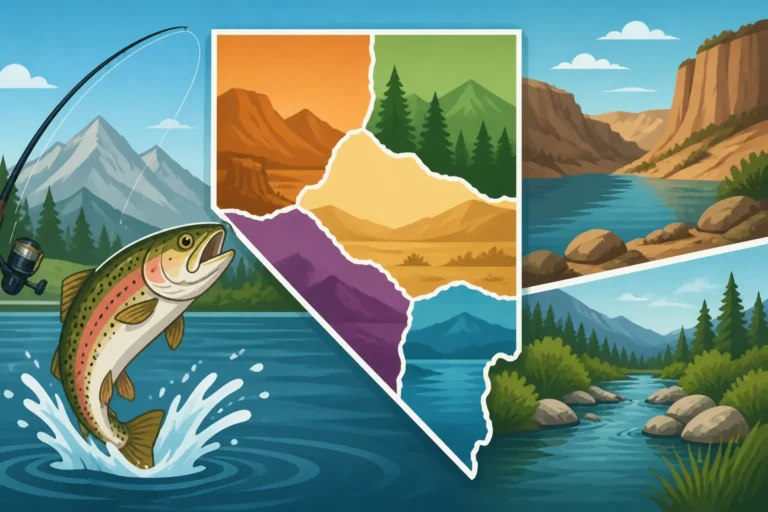
Navigating the vast and sometimes intimidating landscape of Nevada's fishing opportunities can feel a bit like searching for a needle in a haystack, especially when you're looking beyond the big, famous lakes. It’s easy to get overwhelmed by the sheer size of places like Lake Mead or Lake Tahoe, and wonder if there are any quieter, more intimate spots left with truly unique angling experiences. This guide is all about one such hidden gem: Ruby Lake National Wildlife Refuge, a truly special destination near Elko, Nevada, where we'll dive deep into the diverse fish species that call its pristine waters home.
A Closer Look at Ruby Lake National Wildlife Refuge
Nestled at the eastern base of the majestic Ruby Mountains in northeastern Nevada, Ruby Lake National Wildlife Refuge isn't just another fishing spot; it's an experience unto itself. This isn't your typical bustling reservoir, but rather a serene, spring-fed marsh and lake system that provides a critical habitat for an incredible array of wildlife, including many migratory birds. For anglers, this unique ecosystem creates a fishing environment unlike almost anywhere else in the Silver State.
The Unique Ecosystem of Ruby Lake
Ruby Lake itself is primarily a shallow, vast wetland complex, fed by numerous underground springs that keep its water levels relatively stable, even during drier periods. This constant inflow of fresh, cold water, combined with extensive marshy areas and submerged vegetation, creates a rich and diverse environment. The unique blend of cold-water input and warm, shallow areas means Ruby Lake supports a surprising variety of fish species, catering to different angling preferences. Its relatively isolated location, about 60 miles southeast of Elko, also helps maintain its pristine character, offering a peaceful escape from the more crowded fishing destinations.
Unlike many high-desert reservoirs that experience dramatic water level fluctuations, Ruby Lake’s spring-fed nature provides a more consistent habitat, which is crucial for stable fish populations. The complex network of channels, open water, and dense cattails offers both protection and abundant food sources for fish. This intricate ecosystem is a testament to nature's resilience and provides a fascinating backdrop for any angler seeking more than just a catch.
Why Ruby Lake Stands Out for Anglers
If you're tired of fighting for elbow room at popular boat ramps or feeling like just another number, Ruby Lake offers a refreshing change of pace. Its designation as a National Wildlife Refuge means there's a strong emphasis on conservation and a more regulated approach to human activity, ensuring its natural beauty and ecological integrity are preserved. This often translates into fewer crowds and a greater sense of solitude, allowing anglers to truly connect with the environment.
Beyond the peaceful atmosphere, Ruby Lake stands out because it offers a truly diverse angling experience. You can chase the thrill of a native trout species, battle a feisty bass, or simply enjoy a relaxing day catching panfish. It's a place where the journey to get there and the wildlife you encounter along the way are as much a part of the adventure as the fish you reel in. Whether you prefer fly fishing from a float tube in the quiet backwaters or casting from a small boat in the main channels, Ruby Lake offers opportunities that cater to various styles, making it a compelling alternative to the more commercialized fishing scenes.
Primary Game Fish Species in Ruby Lake
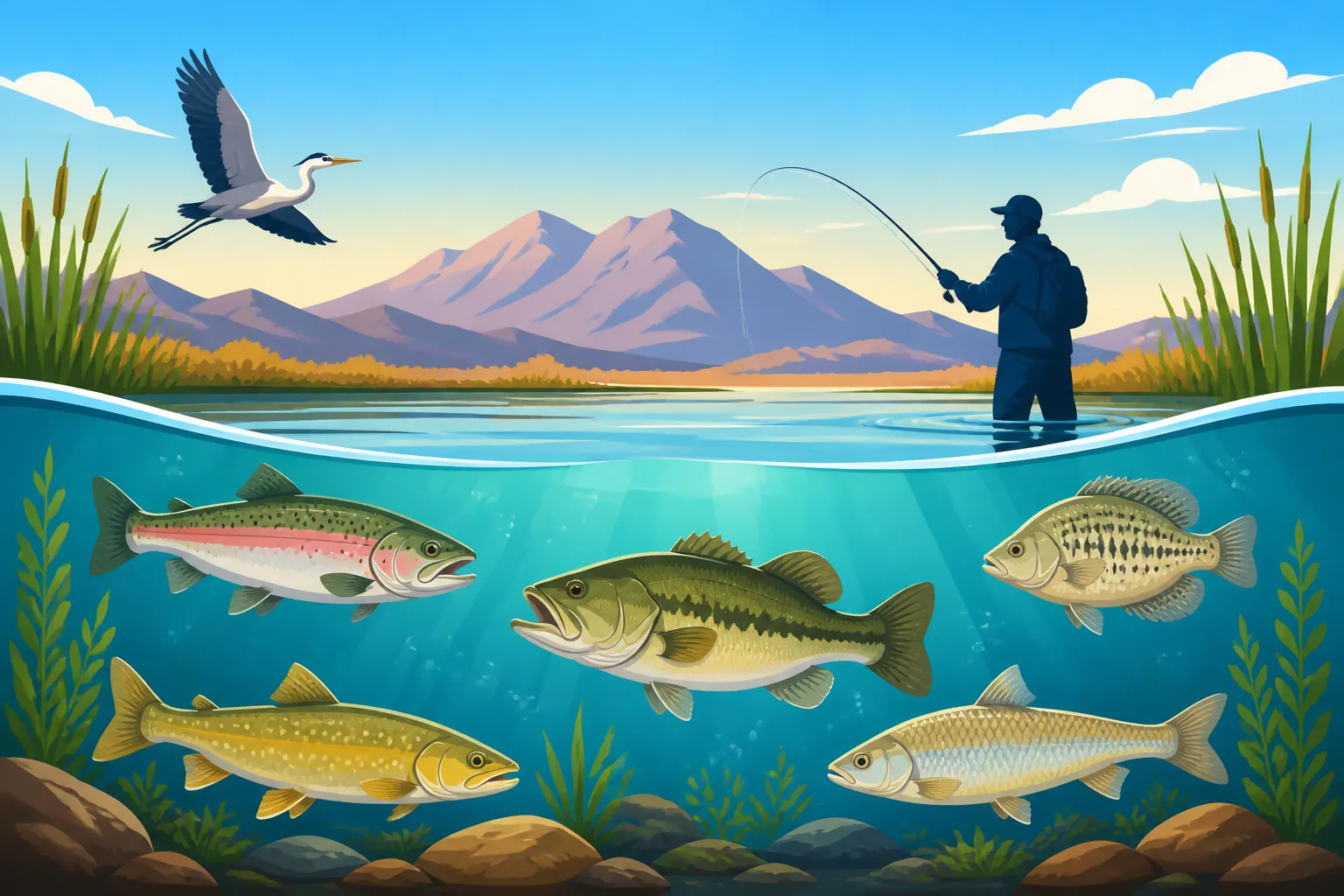
Ruby Lake’s unique blend of habitats makes it a fantastic multi-species fishery. While not every fish species in Nevada is found here, it boasts an impressive lineup of sought-after game fish, each thriving in different parts of this dynamic ecosystem.
Lahontan Cutthroat Trout: The Crown Jewel
When you talk about Ruby Lake, the conversation often starts with the Lahontan Cutthroat Trout (LCT). This is the only trout species native to the Great Basin, and Ruby Lake is one of its crucial strongholds, playing a vital role in its recovery and conservation. These trout are truly special, a living testament to Nevada's natural heritage. They are identifiable by their distinctive red or orange "cutthroat" markings under their jaw, vibrant spots, and often a beautiful olive-green to brassy coloration.
Anglers targeting LCT in Ruby Lake can expect to find fish typically ranging from 12 to 20 inches, with larger individuals pushing past that size, offering a challenging and rewarding fight. These trout thrive in the lake's cooler, deeper channels, especially where spring water enters or in areas with consistent water flow. They are opportunistic feeders, preying on insects, smaller fish, and even crayfish. Many anglers find success using traditional trout baits like PowerBait or worms, but fly fishing with streamers, nymphs, or even large dry flies can be incredibly effective, especially during insect hatches. Remember that specific regulations, like those for Lahontan Cutthroat Trout Identification or slot limits, are often in place to protect this native species, so always check the latest Nevada Fishing Regulations Explained before you head out. Ruby Lake truly offers one of the best opportunities to target these magnificent native trout.
Largemouth Bass: The Warm Water Challenge
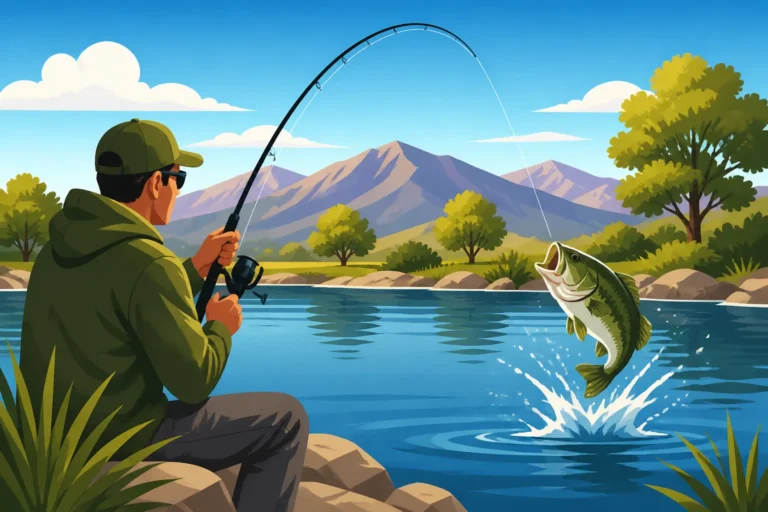
While LCT might be the main attraction, Ruby Lake also offers excellent opportunities for Largemouth Bass. These hard-fighting fish prefer the lake's shallower, warmer, and more vegetated areas—places where they can ambush prey from dense cover. The extensive cattail beds, submerged grasses, and brushy edges create ideal habitats for bass, especially during the warmer months. You'll find them lurking around these structures, waiting for an unsuspecting minnow or insect to pass by.
Ruby Lake bass typically range from 1 to 3 pounds, but don't be surprised to hook into a larger one, especially if you venture into the more remote, marshy pockets. Anglers targeting Largemouth Bass Fishing in Nevada at Ruby Lake often have success with classic bass lures such as plastic worms, spinnerbaits, crankbaits, and topwater frogs fished along the weed lines. The spring and early summer, when the water warms up and the bass are more active, tend to be the most productive times. Understanding How to Fish for Bass in Nevada in these types of marshy environments is key to a successful outing.
Rainbow Trout: A Stocked Favorite
In addition to its native LCT population, Ruby Lake is also regularly stocked with Rainbow Trout by the Nevada Department of Wildlife (NDOW). These stockings help provide consistent fishing opportunities, especially for those looking for reliable action. Rainbow Trout are known for their feisty nature and willingness to bite, making them a favorite among anglers of all skill levels. They are generally less particular than LCT and can be found throughout the lake, though they often concentrate in areas with good food sources and cooler water.
Stocked Rainbow Trout Fishing in Nevada at Ruby Lake typically range from 10 to 14 inches, though some holdovers can grow significantly larger. They readily take a variety of baits and lures, including corn, worms, PowerBait, small spoons, spinners, and even flies. These are a great option for a family outing, as the action can be steady, keeping younger anglers engaged. For current Nevada Trout Stocking Schedule information, checking the NDOW website or local tackle shops before your trip is always a good idea to maximize your chances, particularly if targeting these stocked fish.
Other Notable Fish Species and Their Roles
Beyond the main game fish, Ruby Lake’s rich ecosystem supports several other species that contribute to its biodiversity and can also offer fun angling opportunities.
Panfish: Bluegill and Crappie Opportunities
The shallow, vegetated areas of Ruby Lake are also home to thriving populations of panfish, primarily Bluegill and Black Crappie. These species are incredibly popular with anglers, especially those introducing children to fishing, due to their abundance and willingness to bite. Bluegill, with their vibrant colors, provide consistent action, often schooling in large numbers around weed beds and submerged structures. They might not offer the same fight as a trout or bass, but catching a stringer full of bluegill can be incredibly satisfying and makes for a delicious meal.
Black Crappie, while perhaps a bit more elusive, can also be found, particularly in areas with brush piles or submerged timber. They tend to grow larger than bluegill and offer a slightly more substantial fight. Targeting panfish usually involves light tackle, small hooks, and baits like worms, crickets, or tiny jigs. Fishing for these smaller species adds another layer of enjoyment to a Ruby Lake trip, providing diverse options for anglers.
The Role of Forage Fish and Non-Game Species
It's important to remember that a healthy game fish population relies heavily on a robust base of forage fish and other non-game species. Ruby Lake is home to various native and introduced minnow species, as well as suckers, which form a crucial part of the food chain. These smaller fish provide essential sustenance for the larger Lahontan Cutthroat Trout, Largemouth Bass, and even the stocked Rainbow Trout, ensuring they have ample food to grow large and healthy.
While you might not be actively targeting these species, their presence is a positive indicator of a thriving ecosystem. Their interactions within the lake's food web are complex and vital, highlighting the importance of conserving the entire refuge environment, not just the prize game fish. This interconnectedness is what makes places like Ruby Lake truly special and a testament to Nevada Fish Species Guide diversity.
Planning Your Ruby Lake Fishing Adventure
A trip to Ruby Lake National Wildlife Refuge requires a bit more planning than heading to a local urban pond, but the rewards are well worth the effort.
Navigating Regulations and Access
Because Ruby Lake is a National Wildlife Refuge, specific regulations are in place to protect its sensitive ecosystem and wildlife. These regulations can differ from general statewide Nevada Fishing Regulations Explained. It's crucial to check with the refuge office or the Nevada Department of Wildlife (NDOW) for the most up-to-date rules regarding fishing seasons, bag limits, slot limits (especially for LCT), bait restrictions, and boating regulations. For instance, there are often restrictions on motor size for boats, or even areas designated as non-motorized, to minimize disturbance to waterfowl. Understanding these specific rules ensures you have a legal and enjoyable trip.
Access to Ruby Lake is generally via well-maintained gravel roads, but conditions can vary depending on weather. There are designated fishing areas and boat launches. Before you pack up, make sure you have your current Nevada fishing license. For an exhaustive guide, you might want to review the Nevada Fishing License Guide to ensure you're fully compliant. If you're coming from out-of-state, exploring Nevada Out-of-State Angler Requirements will be essential.
Best Times and Gear for Success
The best time to fish Ruby Lake really depends on what you're hoping to catch. For Lahontan Cutthroat Trout, the cooler months of spring and fall are often prime, as they are more active in colder water. Early mornings and late evenings during summer can also be productive. For Largemouth Bass, summer months, particularly early morning and late evening, are excellent as they move into the warmer, shallower waters. Stocked Rainbow Trout can be caught year-round, with good action often immediately following stocking events.
When it comes to gear, a medium-light to medium action spinning rod paired with a 2000-3000 series reel spooled with 6-10 lb test monofilament or fluorocarbon is a versatile setup for all species. For trout, consider small spoons (like Kastmasters or Daredevls), spinners (Roostertails, Mepps), or live bait. Bass anglers will want a selection of plastic worms, jigs, and topwater lures. Fly anglers should bring a 5 or 6-weight rod with a floating line for dry flies and nymphs, and a sinking line for streamers targeting trout. Remember to pack plenty of water, sunscreen, and insect repellent, especially during the warmer months, as the refuge can be quite exposed.
| Fish Species | Primary Habitat | Best Season | Common Baits/Lures | Notes |
|---|---|---|---|---|
| Lahontan Cutthroat Trout | Cooler channels, spring inlets | Spring, Fall | Streamers, Nymphs, PowerBait, Worms | Native species, check slot limits |
| Largemouth Bass | Shallow, vegetated marsh areas | Summer (early/late) | Plastic Worms, Spinnerbaits, Topwater Frogs | Feisty fighters, ambush predators |
| Rainbow Trout | Throughout the lake, stocked areas | Year-round | PowerBait, Worms, Small Spoons, Spinners | Frequently stocked, good for beginners |
| Bluegill & Crappie | Weed beds, submerged structures | Summer | Small Jigs, Worms, Crickets | Excellent for families, light tackle fun |
If you're looking for an even more targeted approach or just want the expertise of a local, consider booking a guided trip. Services like FishingBooker can help you find experienced local guides who know Ruby Lake intimately and can put you on the fish. They'll also be able to provide the right gear and ensure you're following all the specific refuge rules, taking the guesswork out of your adventure. It's a great way to maximize your time and learn the nuances of this unique fishing destination.
The beauty of Ruby Lake National Wildlife Refuge is its quiet solitude and the sheer variety of fishing experiences it offers. From the storied Lahontan Cutthroat Trout to the spirited Largemouth Bass and abundant panfish, it truly is a jewel in Nevada's fishing crown. Whether you're a seasoned angler or looking for a peaceful family outing, Ruby Lake provides a memorable opportunity to connect with nature and reel in some fantastic fish. Just remember to check those regulations, pack smart, and enjoy the adventure!
Disclaimer
The information provided in this guide is for general informational purposes only and is subject to change. Fishing regulations, stocking schedules, and local conditions can vary. Always consult the official Nevada Department of Wildlife (NDOW) regulations and the specific rules of the Ruby Lake National Wildlife Refuge before planning your fishing trip to ensure compliance and safety.