Is fishing allowed at night at Lake Mead?
Many anglers dream of the tranquility and mystery that only night fishing can offer, especially on a vast desert oasis like Lake Mead. But before you pack your glowing lures and night vision goggles, you might be wondering, "Is fishing allowed at night at Lake Mead?" It's a valid question, as regulations can sometimes be tricky to navigate. This guide will dive deep into whether night fishing is permitted on Lake Mead, explore why it’s often a fantastic experience, and equip you with the knowledge and tips to make your nocturnal angling adventure both successful and safe.
Understanding Lake Mead Night Fishing Regulations
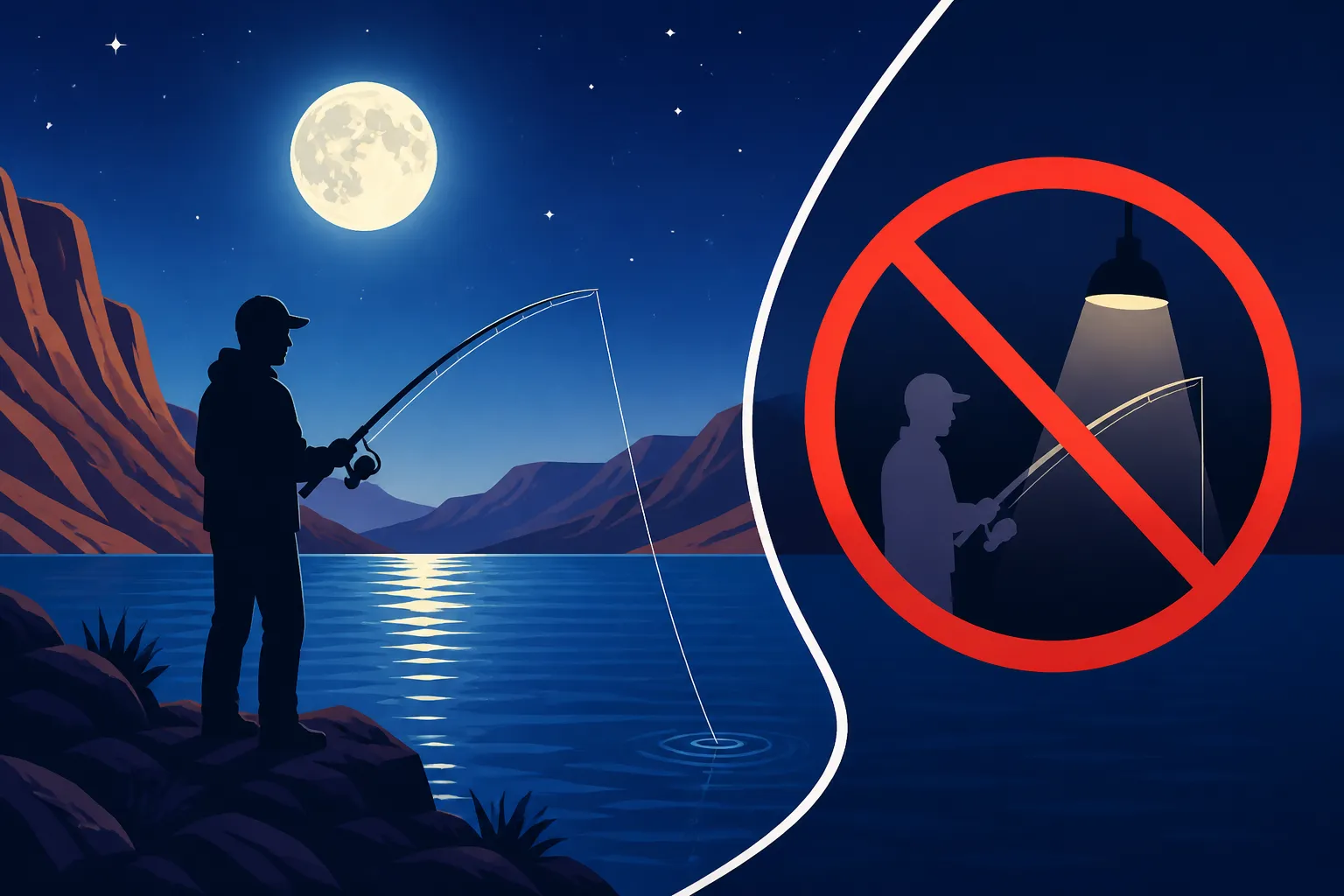
Let's cut right to the chase: yes, fishing is generally allowed at night at Lake Mead. As part of the Lake Mead National Recreation Area, the park itself is open 24 hours a day, 7 days a week, year-round. This is fantastic news for those of us who love chasing fish under the stars. Unlike some state parks or smaller municipal ponds that might have strict gate closures or "day-use only" rules, Lake Mead offers a remarkable level of access for overnight activities, including fishing and camping.
However, "generally allowed" doesn't mean "anything goes." There are still important nuances and practical considerations you need to be aware of. While the act of fishing is permitted, access to certain facilities might be limited after dark. For instance, some developed areas like visitor centers, specific marinas, or concessionaire services might close for the night. This means if you're planning a late-night or pre-dawn trip, you need to think about where you'll launch your boat, if restrooms will be accessible, or if you can grab any last-minute supplies. Always check with the National Park Service website or call a specific marina for their current operating hours if you plan to use their facilities. Also, remember that all standard Nevada fishing regulations, including licensing requirements, bag limits, and legal methods, still apply, regardless of the time of day. You can find comprehensive details in our Nevada Fishing Regulations Explained guide.
When it comes to boating at night, the rules become even more critical for safety. You absolutely must have proper navigation lights displayed on your vessel from sunset to sunrise. This isn't just a suggestion; it's a legal requirement to prevent collisions. If you're on a smaller vessel like a kayak or canoe, a 360-degree white light is usually sufficient, but larger powerboats have specific requirements for red, green, and white lights. Ignoring these can lead to hefty fines and, more importantly, put you and others in serious danger on the dark water.
The Allure of Lake Mead After Dark
So, why would anyone trade comfortable daylight for the challenges of fishing in the dark? Well, for many anglers, the night offers a completely different, often more rewarding, experience. The scorching Nevada sun, which can make summer fishing unbearable, finally recedes, bringing cooler temperatures. This alone is a huge draw. But beyond comfort, the fish themselves often behave differently, becoming more active and accessible after sunset.
Why Fish Become More Active at Night
During the heat of a desert day, many fish species, particularly the prized game fish, tend to retreat to deeper, cooler waters or seek refuge in shaded structures. They become lethargic and less willing to chase baits. As evening falls and the surface water cools, these fish begin to move into shallower areas to feed. The cover of darkness also makes them feel more secure, reducing their wariness. This is especially true for predatory species that use the low light to their advantage, ambushing unsuspecting baitfish.
The calmer conditions often associated with nighttime are another benefit. The strong winds that can whip across Lake Mead during the day often die down in the evening, creating a glass-like surface that's perfect for stealthy approaches and comfortable boating. The peacefulness of the lake, punctuated only by the sounds of wildlife and your own cast, is a truly unique experience.
Prime Nighttime Targets at Lake Mead
When you're out on Lake Mead under the moonlight, certain fish species really shine. The most famous nighttime quarry is undoubtedly the striped bass.
- Striped Bass: Stripers are notoriously active after dark, often schooling up and chasing baitfish near the surface or along points and submerged structures. They rely heavily on their lateral line to detect vibrations, making them formidable nocturnal predators. Many anglers find that the biggest stripers are caught during the night. If you're looking for Lake Mead Striped Bass Hotspots, many of these become even more active after sundown.
- Channel Catfish: If you're after a fight and some delicious table fare, channel catfish are prime targets at night. They have an incredible sense of smell and taste, which they use to forage along the bottom in the dark. They are often found in deeper coves or near current breaks. For specific techniques, check out Best Bait for Channel Catfish at Night.
- Largemouth Bass: While not as famous for night feeding as stripers, largemouth bass can still be caught after dark, especially in shallower coves or around brush piles where they feel secure. They'll often hit noisier surface lures or slow-moving jigs. Our guide on Lake Mead Largemouth Bass Coves can provide excellent starting points, which you can then explore under the moon.
Here's a quick look at how these species typically behave at night:
| Fish Species | Nighttime Behavior | Preferred Location at Night | Common Baits/Lures |
|---|---|---|---|
| Striped Bass | Actively hunt baitfish, often near surface or points. | Main lake points, submerged humps, open water. | Anchovies, swimbaits, topwater lures, jigs, cut bait. |
| Channel Catfish | Scavenge bottom for food using strong scent. | Deeper coves, creek channels, near structure. | Stink bait, cut bait, worms, chicken livers. |
| Largemouth Bass | Ambush prey from cover, especially in low light. | Shallow coves, brush piles, rocky shorelines. | Dark-colored jigs, spinnerbaits, topwater frogs. |
Essential Gear and Safety for Lake Mead Night Fishing
Night fishing isn't just about different fish behavior; it also demands a different set of gear and a heightened awareness of safety. The darkness can be disorienting and amplify small challenges into big problems if you're not prepared.
Navigating the Darkness Safely
First and foremost, lights are paramount. Every angler, whether on shore or in a boat, needs a reliable headlamp or flashlight. Consider one with a red-light option, as red light preserves your night vision better than white light. If you're boating, ensure all your navigation lights are working perfectly before you even leave the dock. A portable spotlight can also be invaluable for spotting buoys, shorelines, or potential hazards. Remember to consult our guide on Essential Safety Gear for Boating on Lake Mead for a comprehensive checklist.
Beyond lights, being aware of your surroundings is crucial. Lake Mead is vast and can have rapidly changing conditions. Always tell someone your float plan—where you're going, when you expect to return. Consider a GPS device or a marine chartplotter, even if you know the lake well during the day. Familiar landmarks disappear in the dark, and it's easy to become disoriented. A handheld VHF radio or satellite messenger is also a smart addition, as cell service can be spotty in some parts of the lake.
Must-Have Gear for Night Fishing
Your tackle box might need some nocturnal upgrades. Think about lures that are designed to be seen or heard in low light:
- Glow-in-the-Dark Lures: Many soft plastics, jigs, and even some hard baits come in glow-in-the-dark varieties. Charge them with your flashlight before casting.
- Noisy Lures: Topwater lures with propellers, rattlers, or loud plopping actions can be incredibly effective for bass and stripers, as fish locate them by sound and vibration.
- Dark-Colored Baits: Surprisingly, dark colors (black, blue, purple) often create a better silhouette against the moonlit surface or the faint glow of the night sky, making them more visible to fish.
Don't forget the practicalities:
- Bug Repellent: Lake Mead, especially in coves or near vegetation, can have mosquitoes and other biting insects. Don't let them ruin your peaceful night.
- Warm Clothing: Even if the day was hot, desert nights can get surprisingly cool, especially on the water. Layers are always a good idea.
- First Aid Kit: Accidents happen, and they're more challenging to deal with in the dark. A well-stocked first aid kit is non-negotiable.
- Plenty of Water and Snacks: Even at night, hydration is important, and you'll appreciate a snack during a long session.
- FishingBooker Charter: If you're new to night fishing or Lake Mead, consider booking a guided trip through a service like FishingBooker. A local guide will have all the necessary safety gear and expertise to make your first night outing a success. They know the hotspots and the safest routes.
Top Techniques for Night Fishing Success at Lake Mead
Once you're properly equipped and safe, it's time to talk strategy. Night fishing requires a shift in approach compared to daytime angling. Your senses will be heightened, and you'll rely more on feel and sound than sight.
Targeting Striped Bass in the Dark
Stripers are the undisputed kings of Lake Mead night fishing. They often roam aggressively, chasing baitfish like shad.
- Surface Action: In calmer conditions, especially during the warmer months, stripers will often push baitfish to the surface. Throwing noisy topwater lures (like poppers or walk-the-dog baits) near points, coves, or any visible baitfish schools can be incredibly exciting. Listen for the tell-tale "boil" of feeding fish.
- Live Bait/Cut Bait: Anchovies are a perennial favorite for striped bass. Rigging them on a Carolina rig or simply free-lining them with a minimal weight can be deadly. Cut bait, like pieces of shad or anchovy, fished on the bottom or suspended under a bobber, also works wonders. Learning How to chum for striped bass at Lake Mead can significantly improve your chances, as the scent trail draws them in.
- Jigging and Trolling: If stripers are deeper or scattered, jigging spoons or swimbaits can be effective. Jigging Techniques for Lake Mead Stripers can be adapted for nighttime, focusing on areas with known structure or drop-offs. Trolling deep-diving crankbaits or swimbaits can also cover a lot of water and help locate active schools, particularly in wider expanses. You can find more specific lure recommendations in our Best Lures for Striped Bass article.
Bottom Fishing for Channel Catfish
Channel cats are fantastic night feeders, and they're relatively easy to target from shore or boat.
- Scent is Key: These fish rely on their olfactory senses. Use strong-smelling baits like chicken livers, prepared "stink baits," or cut bait.
- Bottom Rigging: A simple Carolina rig (egg sinker, swivel, leader, hook) or a slip-sinker rig works best. Cast it out, let it sink to the bottom, and wait. Catfish bites are often a slow, steady pull.
- Patience and Multiple Rods: Catfishing is often a game of patience. If regulations allow, use multiple rods set up with different baits in various locations to increase your odds. Popular spots include deeper holes in coves or near submerged timber.
Stealth for Largemouth Bass
While more challenging, catching largemouth bass at night can be very rewarding. They'll often hold tight to cover, waiting to ambush prey.
- Slow Presentations: Unlike daytime power fishing, slow and deliberate presentations are key. Jigs, plastic worms, or spinnerbaits with large single blades (to maximize vibration) worked slowly along weed lines, rocky banks, or submerged brush can trigger strikes.
- Topwater Baits: When conditions are right (calm, warm water), some bass will hit topwater lures, especially those that create a gurgling or plopping sound. Cast them close to cover and work them slowly.
- Target Structure: Focus on known bass structures like rock piles, docks, submerged trees, or points that drop into deeper water. Bass will use these as ambush points. The key is to be as quiet as possible.
Planning Your Night Fishing Adventure
Before you head out, a bit of planning goes a long way. Check the weather forecast for wind, temperature, and any potential storms. The conditions can shift quickly on Lake Mead, and being caught in a squall in the dark is no fun. Consider using a service like FishingBooker to scout out local guides who specialize in night trips; they can offer invaluable insights into current fish patterns and safe navigation. Remember, even with all the excitement, managing your catch is important. A good Best Cooler for Keeping Fish on Hot Days will serve you well, even on cooler nights, to ensure your catch remains fresh.
Whether you're targeting the voracious striped bass, the savory channel catfish, or the elusive largemouth, night fishing on Lake Mead offers a truly memorable experience. The peace, the cooler temperatures, and the heightened senses make every bite feel more intense. Just remember to prioritize safety, equip yourself properly, and respect the natural environment that makes Lake Mead such an incredible fishing destination. Enjoy the quiet majesty of fishing under the Nevada stars!
Disclaimer
Fishing involves inherent risks, including injury and drowning. Always prioritize safety, wear a life jacket, understand local regulations, and check weather conditions before heading out. This guide is for informational purposes only and does not replace professional advice or official regulations.