Best mountain stream fishing near Elko
Finding those pristine, secluded mountain streams teeming with trout near Elko can feel like searching for a hidden treasure, especially when you're just starting out or visiting from out of state. It's easy to get overwhelmed by maps and conflicting advice. This guide is here to cut through the noise, revealing the most rewarding mountain stream fishing experiences in the Elko area and arming you with the knowledge to make your trip unforgettable.
The Allure of Mountain Stream Fishing Near Elko
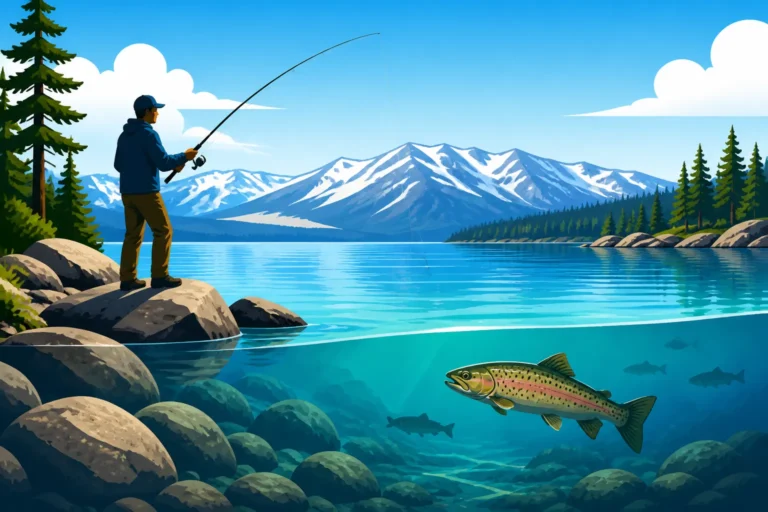
There's something uniquely captivating about casting a line into a crystal-clear mountain stream, the air crisp and clean, surrounded by the dramatic beauty of Nevada's high desert mountains. Elko, often seen as a gateway to the wild west, is also a secret gem for anglers looking to escape the hustle and bustle and connect with nature on a different level. It’s a world away from the busy casinos, offering solitude and some truly fantastic trout fishing.
Why Elko is a High-Desert Angler's Paradise
Elko sits at the foot of the magnificent Ruby Mountains, often called "Nevada's Alps." This isn't your typical desert landscape; these peaks soar over 11,000 feet, creating a unique climate that supports lush forests, alpine meadows, and, most importantly, numerous cold-water streams and high-elevation lakes. For anglers, this means a chance to target wild trout in an environment that feels both remote and incredibly rewarding. The sheer solitude and untouched beauty of these areas are a huge part of their appeal. You might hike for miles and not see another soul, just you, the mountains, and the gentle ripple of the stream. This kind of peace is a rare commodity these days, making the effort to reach these spots truly worthwhile. It's a fantastic contrast to the more heavily trafficked destinations, offering a genuine wilderness experience.
Target Species and Unique Challenges
When you venture into the mountain streams near Elko, you're primarily targeting trout. Expect to find vibrant rainbow trout, elusive brown trout, and often, the beautifully speckled brook trout. In some higher-elevation lakes, you might even encounter native Lahontan cutthroat trout, though their populations in streams can be more localized. These wild fish are usually smaller than their stocked counterparts but fight with an intensity that belies their size. They are also notoriously "wary," meaning they're easily spooked by clumsy casting or loud movements. This requires a much more delicate approach, excellent presentation, and often, a keen eye for reading the water. The challenge isn't just about catching fish; it's about outsmarting them in their natural, often unforgiving, environment. It demands patience and a nuanced understanding of trout behavior, which makes every successful catch feel like a hard-earned victory.
Top Mountain Streams and High-Alpine Lakes in the Ruby Mountains
The Ruby Mountains are the undisputed crown jewel for mountain stream fishing near Elko. The sheer number of pristine creeks and hidden lakes makes it an adventurer's dream. Access often involves a bit of hiking, but the rewards are well worth the effort.
Lamoille Creek
Lamoille Creek is arguably the most famous and accessible mountain stream in the Ruby Mountains, making it a fantastic starting point for anyone exploring the area. It flows down the stunning Lamoille Canyon, offering incredible scenery along with excellent fishing. The creek is well-known for its healthy populations of rainbow, brown, and brook trout. The trout here typically range from 8 to 14 inches, but don't be surprised if you hook into a larger brown trout hiding in a deep pool.
Access to Lamoille Creek is relatively easy along the Lamoille Canyon Scenic Byway, which runs for about 12 miles into the heart of the Rubies. There are numerous pull-offs and trailheads that provide access to different sections of the creek. Some sections are easily waded, while others might require more careful bank fishing due to dense riparian vegetation. This creek offers a variety of water types, from fast-flowing riffles to slow, meandering pools, providing diverse fishing opportunities. For those interested in deeper insights, checking out this guide on Nevada Western Region Fishing Regulations could be helpful before your trip. The Nevada Department of Wildlife (NDOW) actively manages this fishery, sometimes stocking sections to supplement the wild populations.
Thomas Creek and Seitz Creek
If Lamoille Creek feels a little too "accessible" and you're craving more solitude, look to its tributaries or neighboring drainages like Thomas Creek and Seitz Creek. These streams are generally smaller and require more hiking to reach their prime sections, but they offer an even more intimate wilderness experience. Thomas Creek, for instance, often requires a bit of a hike from the main canyon road, rewarding anglers with fewer crowds and feisty brook trout, along with some rainbows and browns.
Seitz Creek is another excellent option for those willing to explore. It's a bit more rugged, often requiring bushwhacking through dense vegetation in places, but the wild trout populations thrive in these undisturbed environments. These smaller streams demand a stealthier approach and more precise casting. They're perfect for anglers who enjoy the challenge of targeting wild, easily spooked fish with lighter gear. The fish here might be smaller on average, but their vivid colors and aggressive strikes in such pristine settings make them incredibly memorable catches.
High-Alpine Lakes in the Ruby Mountains
Beyond the flowing streams, the Ruby Mountains are dotted with numerous high-alpine lakes, many of which are fishable and offer a completely different experience. Lakes like Dollar Lakes, Ruby Dome Lake, and Favre Lake are just a few examples that require significant hiking to reach but often hold beautiful brook trout and even some Lahontan cutthroat trout. These lakes are typically ice-free from late spring through early fall, offering a short but intense fishing season.
Fishing these high-alpine lakes often involves casting from shore or using lightweight float tubes if you're willing to pack one in. The clear, cold water means the fish can be very visible, making sight fishing a real possibility. Due to their remote nature, these lakes provide unparalleled solitude and breathtaking views, making the journey an integral part of the experience. Before heading out, make sure to check the Nevada Fishing Regulations Explained for specific rules regarding these delicate ecosystems, as some may have special limits or gear restrictions.
Essential Gear, Techniques, and Regulations for Elko's Streams
Preparing properly is crucial for a successful and enjoyable mountain stream fishing trip near Elko. The right gear and a good understanding of local regulations will set you up for success.
Recommended Gear for Stream Success
For mountain stream fishing, subtlety and portability are key. A lightweight spinning rod (5-6 feet, ultralight or light action) paired with a small reel (500-1000 size) spooled with 2-4 pound monofilament or fluorocarbon line is ideal. This setup allows for delicate presentations and accurate casting in tight quarters. If you're a fly angler, a 2-4 weight fly rod (7-8.5 feet) with a weight-forward floating line will be your best friend. For more specific fly fishing needs, consider exploring resources like Best Fly Rod for High Mountain Streams.
When it comes to tackle, less is often more. For spin fishing, small inline spinners (like Panther Martin or Mepps), tiny spoons, and micro jigs (1/32 to 1/16 ounce) are highly effective. Natural baits like worms or salmon eggs can also be deadly, but always check local regulations as some areas may have bait restrictions or require barbless hooks. Fly anglers should carry an assortment of dry flies (Parachute Adams, Elk Hair Caddis), nymphs (Pheasant Tail, Hare's Ear), and small streamers. Waders can be useful for accessing difficult spots or crossing the stream, but often, durable hiking boots with good grip and quick-drying pants are sufficient, especially in smaller, shallower creeks. Don't forget essentials like a small tackle box or fly box, forceps for hook removal, a small net, sun protection, and plenty of water. A comprehensive list of Nevada Fishing Gear Essentials can help you double-check your packing.
Effective Techniques for Finicky Mountain Trout
Mountain trout are often wild and wary, so stealth and proper presentation are paramount.
- Approach: Move slowly and deliberately. Trout have excellent eyesight and can detect movement from a distance. Stay low, use bankside vegetation for cover, and avoid casting a shadow over the water.
- Casting: Make accurate, delicate casts. "Slapping" your lure or fly onto the water will often spook fish. Aim for upstream casts, letting your offering drift naturally downstream into pools and riffles.
- Reading the Water: Learn to identify holding spots. Trout will hide behind rocks, logs, in deeper pools, and along cut banks, waiting for food to drift by. Focus your casts on these prime lies. Look for seams where faster water meets slower water, as these are often productive.
- Matching the Hatch (Fly Fishing): If fish are rising, try to identify what insects they are feeding on and select a fly that mimics them in size, shape, and color. Even for spin fishing, observing local insect life can give clues about what fish might be interested in.
Navigating Nevada's Fishing Regulations
Before you even tie a knot, it's absolutely critical to understand Nevada's fishing regulations. A Nevada Fishing License Guide is your first stop. Everyone 12 years and older needs a valid Nevada fishing license. For resident and non-resident anglers, there are various options from a 1-day permit to an annual license. You can easily purchase these online through the Nevada Department of Wildlife (NDOW) website or at licensed vendors like Walmart, sporting goods stores, or even some local fly shops in Elko. If you plan to target trout, you'll also likely need a Nevada Trout Stamp Requirements in addition to your regular license.
Regulations can vary depending on the specific water body, so always consult the current NDOW Fishing Regulations booklet, available online or wherever licenses are sold. Pay close attention to season dates, daily bag and possession limits, and any special restrictions like artificial lures only, fly fishing only, or barbless hook requirements. For instance, many wild trout streams encourage catch-and-release to maintain healthy populations. Specific details on Nevada Barbless Hook and Bait Rules are particularly important for these delicate fisheries. Always measure your fish if you intend to keep them, ensuring they meet legal size requirements. The general statewide daily limit for trout is usually a combination of species, so understanding the Nevada Statewide Bag Limits Explained is important for compliance.
| Stream/Lake | Primary Fish Species | Typical Size Range (inches) | Primary Access Method | Recommended Technique |
|---|---|---|---|---|
| Lamoille Creek | Rainbow, Brown, Brook Trout | 8-14 | Lamoille Canyon Scenic Byway, pull-offs | Fly (nymphs, dries), Light Spin (spinners) |
| Thomas Creek | Brook, Rainbow, Brown Trout | 6-12 | Hiking from Lamoille Canyon | Fly (small patterns), Ultra-light Spin |
| Seitz Creek | Brook Trout | 6-10 | Hiking, more rugged access | Fly (small patterns, stealth), Ultra-light Spin |
| Dollar Lakes | Brook, Lahontan Cutthroat Trout | 8-16 | Significant hike (Ruby Crest Trail) | Fly (dries, nymphs), Cast & Retrieve Lures |
| Ruby Dome Lake | Brook, Lahontan Cutthroat Trout | 8-16 | Significant hike (Ruby Crest Trail) | Fly (dries, nymphs), Cast & Retrieve Lures |
Planning Your Elko Mountain Stream Fishing Adventure
A successful fishing trip involves more than just knowing where to cast. Thoughtful planning, especially for mountain environments, can make all the difference.
Best Times to Visit and Weather Considerations
The best time for mountain stream fishing near Elko largely depends on the specific stream and the elevation, but generally, the prime season runs from late spring through early fall.
- Spring (May-June): This is often when streams experience snowmelt runoff, leading to high, cold, and often murky water. Fishing can be challenging during peak runoff. However, once the runoff subsides (usually late May to mid-June), the fishing can be exceptional as hungry trout become more active. This is also when many of the high-elevation lakes start to shed their ice. Check the Nevada Trout Season Dates for specific openers.
- Summer (July-August): This is peak season. Water levels are usually stable, insects are abundant, and trout are actively feeding. The weather is typically warm and pleasant, though afternoon thunderstorms can be common in the mountains, so always be prepared for sudden changes. Even in summer, the water stays delightfully cool.
- Fall (September-October): As temperatures cool, fishing can remain excellent, especially for larger brown trout that become more aggressive as they approach their spawning season. The autumn foliage in the Ruby Mountains is also spectacular, adding another layer to the experience. High-elevation lakes might start to freeze over by late October, but streams often remain fishable until significant snowfall. Always keep an eye on weather forecasts, as mountain conditions can change rapidly.
Hiring a Local Guide or Outfitter
For many, exploring new waters independently is part of the adventure. However, if you're new to mountain stream fishing, unfamiliar with the Elko area, or simply want to maximize your chances of success, hiring a local fishing guide can be an invaluable investment. Local guides know the streams intimately – where the fish are holding, what they're biting on, and the best techniques for the current conditions. They can save you hours of trial and error and provide expert instruction on casting, fly selection, and reading the water.
You can often find reputable guides and outfitters through local fly shops in Elko, or by searching online platforms like FishingBooker. FishingBooker lists experienced guides in the Nevada area who specialize in various types of fishing, including mountain streams. They can provide all the necessary gear, transportation, and even pack lunches, allowing you to focus solely on the fishing experience. This is especially helpful if you're interested in learning How to Fish for Trout in Nevada with specific techniques, or diving into Fly Fishing in Nevada in these unique waters. Many guides also offer trips to the more remote high-alpine lakes if you're up for the hike.
Respecting the Environment and Wildlife
The beauty of mountain stream fishing lies in its pristine environment. It's our responsibility as anglers to keep it that way. Always practice "Leave No Trace" principles: pack out everything you pack in, including all trash, food scraps, and fishing line. Avoid disturbing stream banks or vegetation, and stay on designated trails whenever possible.
Wildlife encounters are common in the Ruby Mountains, including deer, elk, and even black bears. It's wise to carry bear spray, make noise while hiking, and store food properly to avoid attracting animals. Familiarize yourself with local wildlife safety guidelines before your trip. When it comes to fish, practice responsible catch-and-release, especially for native or wild populations. Handle fish gently with wet hands, minimize their time out of water, and use de-barbed hooks to reduce harm. Releasing fish carefully ensures they survive to be caught another day, preserving the fishery for future generations. This commitment to conservation is essential for maintaining these incredible wild fishing opportunities.
Disclaimer
Please remember that fishing regulations, conditions, and fish populations can change. Always check the most current Nevada Department of Wildlife (NDOW) regulations before heading out. Safety in the backcountry is paramount; inform someone of your itinerary, be prepared for changing weather, and carry appropriate survival gear.