Best Bait for Pyramid Lake Cutthroat
Trying to figure out the best bait for Pyramid Lake's legendary Lahontan Cutthroat Trout can feel like cracking a secret code. These fish are unique, powerful, and often picky, leaving many anglers scratching their heads and wondering if their tackle box holds the right answers. This comprehensive guide will pull back the curtain on what truly tempts these magnificent fish, helping you choose the perfect bait and present it effectively for a successful day on the water.
Understanding the Lahontan Cutthroat Trout Diet at Pyramid Lake
Before you even think about tying on a lure, it’s crucial to understand what these special fish are naturally eating. The Lahontan Cutthroat Trout (LCT) of Pyramid Lake aren't just any trout; they're a native species with a very specific palate shaped by their environment. Ignoring their natural diet is like trying to convince a picky eater to try something completely foreign – it's often a losing battle.
Natural Food Sources in Pyramid Lake
Pyramid Lake is a fascinating ecosystem, home to several native species that form the backbone of the Lahontan Cutthroat Trout's diet. Chief among these are the Cui-ui, a large, prehistoric-looking suckerfish that is also native to the lake, and various species of tui chub. These baitfish make up a significant portion of the LCT's diet, especially for the larger, trophy-sized fish. Imagine a cutthroat, often growing to impressive sizes, needing substantial meals to sustain itself. A big cui-ui or tui chub represents a hearty dinner.
Beyond these larger fish, the LCT also preys on smaller Sacramento perch and a variety of aquatic insects and their larvae. During certain times of the year, particularly when insect hatches are abundant, trout can become very focused on these tiny morsels. This variety in their diet means that a successful angler needs to be versatile, ready to mimic both the large and small prey items. The water's unique mineral composition also plays a role in the type and abundance of these prey items, further influencing what the cutthroat are used to feeding on.
Seasonal Changes in Forage
Just like us, Lahontan Cutthroat Trout don't eat the same thing year-round. Their feeding habits are heavily influenced by the seasons, water temperature, and the life cycles of their prey. In the spring, as water temperatures begin to rise and the cui-ui move into shallower areas to spawn, the cutthroat will often follow, gorging themselves on the abundant eggs and smaller cui-ui. This is a prime time for baits that mimic these larger prey items, as the trout are actively hunting in the shallows. Anglers often find success during the spring spawn by focusing on the areas where cui-ui are congregating.
As summer approaches and the lake warms, many of the larger cutthroat will retreat to deeper, cooler waters where oxygen levels are more stable. Here, they might be targeting tui chub that also seek out cooler depths. Fishing in the summer months often requires different techniques and baits to reach these deeper-holding fish. You're not likely to find them cruising the shorelines in the midday sun.
Come fall, as temperatures cool again, the LCT often become more active throughout the water column. This can be an excellent time to fish, as baitfish like tui chub are schooling up, making them easy targets. The trout are also actively feeding to build up reserves for the colder months. Understanding these shifts is key to selecting the most effective bait. For a deeper dive into these patterns, check out our guide on Best time of year to fish Pyramid Lake.
Top Artificial Baits for Pyramid Lake Cutthroat
Given Pyramid Lake's unique regulations – particularly the emphasis on artificial lures and barbless hooks for cutthroat fishing – your tackle box needs to be stocked with the right arsenal of impersonators. These fish are smart, but they're also opportunistic, and the right artificial bait can be irresistible.
Spoons and Jigs: Mimicking Baitfish
Spoons are, without a doubt, a tried and true classic for Lahontan Cutthroat Trout. Their fluttering, erratic action mimics a wounded or struggling baitfish, making them an easy target. Brands like Kastmaster, Krocodile, and Daredevil are staples among Pyramid Lake regulars. When choosing spoons, think about size and weight – heavier spoons cast further, which is a huge advantage for shore anglers, and can reach deeper fish. Sizes typically range from 1/2 oz to 2 oz.
Color is also crucial. Silver, chrome, and blue/silver combinations are excellent for imitating tui chub in clear water. Chartreuse, orange, and white can be incredibly effective in lower light conditions or when the fish are aggressive. Experiment with different retrieve speeds; a steady retrieve often works, but pausing and twitching the spoon can trigger a strike from a hesitant trout. Jigs, particularly those designed to imitate baitfish like tube jigs or bucktail jigs, also shine here. When vertically jigged from a boat or retrieved slowly from shore, they can be deadly. White, olive, or black jigs in 1/4 to 1 oz sizes are popular choices, often tipped with a piece of artificial scent or a grub tail for added appeal. Many anglers find a good selection of these on Amazon, making it easy to stock up before a trip.
Plugs and Stickbaits: Surface to Mid-Water Action
When the cutthroat are feeding closer to the surface or in the mid-water column, especially during low light hours or active feeding frenzies, plugs and stickbaits become invaluable. These lures mimic swimming baitfish more directly than spoons. Classic choices include Rapalas (especially the countdown and Husky Jerk series), Bomber Long A, and Yo-Zuri Crystal Minnows. Their swimming action, often a tight wiggle or a darting motion, can provoke aggressive strikes.
Again, color and size matter. Natural baitfish patterns (silver, blue, black backs) are always a good bet. Brighter colors like firetiger or chartreuse can work well in stained water or during sunrise/sunset. For shore anglers, plugs that cast a good distance are preferred. From a boat, trolling these plugs at various depths can cover a lot of water and help locate active fish. Don't be afraid to experiment with the dive depth and retrieve speed until you find what the fish are responding to.
Soft Plastics: Versatility for Different Depths
Soft plastics offer incredible versatility and can be rigged in numerous ways to target cutthroat at virtually any depth. From simple grub tails to realistic swimbaits, these baits can imitate a wide range of prey. Grub tails, often in sizes from 3-6 inches, can be fished on a jig head and retrieved slowly along the bottom or jigged in the mid-water column. Colors like white, chartreuse, motor oil, and dark green are perennial favorites.
Swimbaits, especially those designed to look like tui chub or cui-ui, are increasingly popular. Brands like Keitech or Owner make excellent options. Rigged on a weighted swimbait hook or a jig head, they can be cast and retrieved or slowly trolled. The natural swimming action is hard for cutthroat to resist. Soft plastic worms, while more commonly associated with bass fishing, can also be effective when fished on a drop-shot rig or a Carolina rig, particularly if the fish are finicky and sitting close to the bottom. The key with soft plastics is their subtle action and soft texture, which can entice bites from even the most hesitant fish. Many anglers buy a variety of soft plastic baits from Amazon to have options on the water.
The Role of Scented Baits and Restrictions
When you're fishing for Lahontan Cutthroat Trout at Pyramid Lake, understanding the regulations around bait is just as important as knowing what the fish eat. Pyramid Lake operates under specific tribal regulations set by the Pyramid Lake Paiute Tribe, which are often stricter than general Nevada fishing regulations, primarily to protect the native cui-ui and the Lahontan Cutthroat Trout.
PowerBait and Scented Artificials
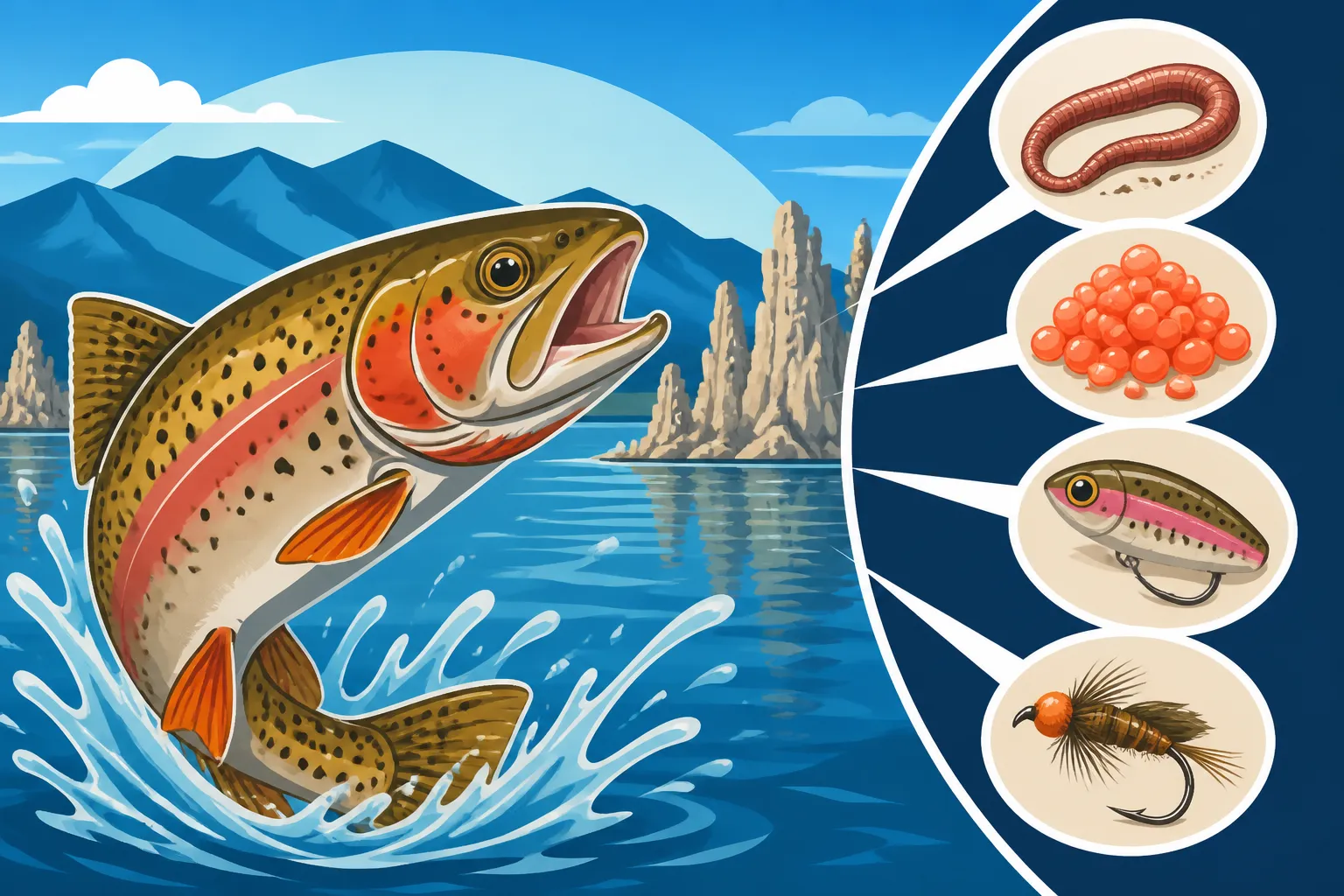
Here's where it gets a little tricky for anglers used to other Nevada waters. While PowerBait and similar dough baits are incredibly effective for stocked rainbow trout in many lakes and urban ponds across Nevada, they are generally prohibited for cutthroat fishing at Pyramid Lake. The emphasis at Pyramid Lake is on artificial lures that mimic natural prey and the use of barbless hooks to facilitate catch and release, especially for the larger, often protected, Lahontan Cutthroat. Using traditional "bait" in the sense of PowerBait or live worms/minnows for LCT can lead to penalties, so it's best to leave those at home when targeting cutthroat here. For details on specific rules, always consult the current Pyramid Lake Tribal Fishing Permit regulations.
However, this doesn't mean scent has no place. Many anglers will apply scent attractants to their artificial lures. These come in various forms – sprays, gels, or dips – and can add an extra layer of appeal to your spoons, jigs, or soft plastics. Scents mimicking baitfish, crawfish, or even general fish attractants can make a difference, especially on slower days or when fish are being particularly finicky. It's about adding a sensory trigger to an already effective artificial presentation, rather than using a prohibited bait.
Understanding Pyramid Lake's Bait Restrictions
The strict rules at Pyramid Lake regarding bait and hooks (specifically, the requirement for Are barbless hooks required at Pyramid Lake?) are in place for very important conservation reasons. The Lahontan Cutthroat Trout found here are a unique, ancient strain that was once thought extinct. The Cui-ui are also an endangered species found only in Pyramid Lake. These regulations are designed to minimize harm to these fish, especially when practicing catch and release, which is common for larger LCT.
Using live bait or easily ingestible soft baits like PowerBait increases the chance of deep hooking, making it much harder to release a fish unharmed. Artificial lures, particularly when paired with barbless hooks, reduce this risk significantly. This dedication to conservation is what makes Pyramid Lake such a special fishery, ensuring that these incredible trout thrive for future generations of anglers. Always double-check the latest regulations before your trip; they can sometimes change, and it’s always better to be safe than sorry.
Matching Your Bait to Fishing Conditions
The best bait isn't just about what species you're targeting; it's also about the prevailing conditions on the lake. Pyramid Lake's vastness and dynamic environment mean that what works one day might not work the next. Successful anglers are adaptable, changing their tactics and baits to match what the fish are responding to.
Water Clarity and Color Choices
Pyramid Lake is known for its incredible, often gin-clear waters, especially away from major inflows. In such clear conditions, fish have excellent visibility, and they can be very discerning. This usually means that natural colors and realistic baitfish patterns tend to be more effective. Think silver, chrome, blue/silver, olive green, and natural browns for your spoons, plugs, and soft plastics. Subtle movements and realistic profiles will often get more strikes than flashy, unnatural presentations. You're trying to fool a fish with keen eyesight in bright conditions.
However, if the water is slightly stained due to recent winds stirring up the bottom or a rare rain event, brighter or more contrasting colors can become highly effective. Chartreuse, orange, firetiger, or even bright pink can stand out in lower visibility, making it easier for fish to spot your lure. It's about contrast and visibility. Always pay attention to the water clarity when you arrive at your fishing spot; it's one of the first clues to unlocking the day's bite.
Depth and Retrieve Techniques
Lahontan Cutthroat Trout can be found at various depths throughout the year and even throughout a single day. Matching your bait's presentation to the depth the fish are holding is absolutely critical.
If you're fishing from shore, especially from the iconic rock ledges, you'll primarily be targeting fish within casting distance. This means using heavy spoons or jigs that can be cast a long way and sink quickly to reach fish holding in deeper troughs or breaks. A common technique is to let your spoon sink, then retrieve it with a series of sweeps and pauses, allowing it to flutter on the fall.
From a boat, you have the advantage of being able to troll or vertical jig. Trolling plugs or spoons at various depths allows you to cover vast areas and find the preferred depth. Using a fish finder (a highly recommended tool for boat anglers) can help you identify schools of baitfish and the LCT feeding on them. For deeper fish, vertical jigging heavy jigs or spoons directly beneath the boat can be deadly. Drop the lure to the bottom, then lift and drop it with sharp snaps of the wrist, imitating a dying baitfish. Remember, the retrieve speed is just as important as the depth. Sometimes a slow, methodical retrieve is key, while other times, a fast, aggressive retrieve will trigger a reaction strike.
Weather and Time of Day Considerations
Weather and the time of day play a huge role in how and when cutthroat feed. Early mornings and late evenings, often referred to as "prime time," are typically when fish are most active and willing to feed closer to the surface. During these periods, you might find success with plugs and lighter spoons that create a disturbance on the surface or just below. The low light offers cover for the trout, making them bolder.
On bright, sunny days, especially during warmer months, the fish tend to move deeper to escape the harsh sunlight. This is when heavier baits, deep-diving plugs, or vertical jigging become more effective. Wind can also be your friend or foe. A light chop on the water can break up the surface, providing cover for the fish and making them more comfortable feeding in shallower water. However, strong winds can make casting and boat control incredibly challenging. After a significant weather change, like a cold front, fish behavior can become unpredictable. For insights into how fish react, check out our article on Fishing After a Nevada Cold Front.
Essential Gear and Presentation Tips for Success
Having the right bait is only half the battle. To truly succeed at Pyramid Lake, you need the appropriate gear to present that bait effectively and the know-how to make it irresistible to those elusive Lahontan Cutthroat Trout. This isn't just about catching fish; it's about being prepared for the powerful fight these fish put up.
Rod, Reel, and Line Setup
For Pyramid Lake, you need a setup that can handle long casts from shore and strong, hard-fighting fish.
- Rods: A medium-heavy to heavy spinning rod, typically 8 to 11 feet long, is ideal for shore fishing. The longer length allows for greater casting distance, which is often crucial for reaching deeper water from the bank. If fishing from a boat, a 7 to 8-foot medium-heavy casting or spinning rod will suffice. A good quality rod from a brand like St. Croix or Ugly Stik can make a huge difference in sensitivity and backbone.
- Reels: Pair your rod with a robust spinning reel in the 4000-6000 series size. It needs to have a smooth drag system and a high line capacity to manage those long runs a trophy cutthroat can make. For boat fishing, a baitcasting reel can also be an option for certain techniques.
- Line: Most Pyramid Lake anglers opt for braided line as their main line, typically 20-30 lb test. Braid offers incredible strength, sensitivity, and casting distance. However, because braid is highly visible, you'll want to add a fluorocarbon leader (10-20 lb test, 4-6 feet long) to your main line. Fluorocarbon is nearly invisible underwater and is more abrasion-resistant against the rocky bottom. Making sure your leader knots are strong is paramount; losing a trophy fish to a weak knot is a frustrating experience many anglers can relate to.
Terminal Tackle and Rigging
Terminal tackle is all the small but critical components at the end of your fishing line.
- Swivels and Snaps: A good quality barrel swivel or snap swivel is essential for connecting your leader to your main line and for quickly changing lures. This also helps prevent line twist, especially when casting spoons or trolling. Opt for dark, non-flashy colors to avoid spooking the fish.
- Weights: Depending on your bait and depth, you might need additional weight. For certain soft plastic presentations or if you're fishing in very deep water, a sliding sinker rig (Carolina rig) with an egg sinker or a bullet weight can be effective.
- Hooks: As mentioned, Pyramid Lake often requires barbless hooks. Many lures come with barbed hooks, so you'll need to crimp down the barbs with a pair of pliers. This ensures easier and safer release for the fish. For single hooks on spoons or jigs, make sure they are strong enough to withstand the fight of a large cutthroat. Having a good hook removal tool is also essential for safe catch and release.
Advanced Tips and Local Knowledge
Beyond the basic gear and techniques, a few advanced tips can really boost your success rate at Pyramid Lake:
- Observe and Adapt: Don't be afraid to change your bait, color, or retrieve if what you're doing isn't working. Look at what other successful anglers are doing (respectfully, of course). Sometimes, the slightest modification can make all the difference. This lake can be fickle, but persistence pays off.
- Vary Your Retrieve: Don't just cast and reel. Experiment with slow, steady retrieves; fast cranks; stop-and-go patterns; and jigging motions. Often, a sudden change in retrieve speed or a pause will trigger a strike. "Dead sticking" — letting your lure sit motionless for a few seconds — can also be surprisingly effective.
- Fish the "Shelves": Pyramid Lake has distinct underwater shelves or ledges. Trout often patrol these areas, especially where deeper water meets shallower water. Learning to "read the water" and identify these transitions will put you in prime fishing territory. Our Pyramid Lake Nevada Fishing Guide offers more detailed information on prime spots.
- Pay Attention to Light: Early morning and late evening are often prime, but don't overlook overcast days. On cloudy days, the cutthroat might stay active and closer to the surface for longer periods.
- Consult Local Tackle Shops: Before hitting the water, stop by a local tackle shop. They can provide invaluable, up-to-the-minute information on what's biting, what baits are working, and any recent regulation changes. They are a treasure trove of hyper-local knowledge you won't find anywhere else. Sometimes they even share tips on Pyramid Lake legal fishing hours.
Always remember that fishing for Lahontan Cutthroat Trout in Pyramid Lake is not just about catching fish; it's about experiencing a unique fishery and contributing to its conservation. These fish are a truly special part of Nevada's natural heritage. For more information on fishing for these specific trout, check out our dedicated guide on Lahontan Cutthroat Trout in Nevada.
Here's a quick reference guide for popular artificial baits at Pyramid Lake:
| Bait Type | Description & Action | Popular Colors | Typical Sizes | Best Use Case |
|---|---|---|---|---|
| Spoons | Fluttering, wounded baitfish action | Silver, Chrome, Blue/Silver, Chartreuse | 1/2 oz – 2 oz | Shore casting, trolling, jigging |
| Jigs | Imitates baitfish or aquatic insects, vertical motion | White, Olive, Black, Grub colors | 1/4 oz – 1 oz | Vertical jigging, slow retrieve from shore |
| Plugs/Stickbaits | Swimming baitfish action, tight wiggle | Natural baitfish patterns, Firetiger, Orange | 3-6 inches | Surface to mid-water, trolling, low light periods |
| Soft Plastics | Subtle action, versatile rigging | White, Chartreuse, Motor Oil, Dark Green | 3-6 inch grubs/swimbaits | Bottom bouncing, drop-shot, imitating varied prey |
Disclaimer
Fishing regulations, conditions, and fish behavior can change. Always check the latest regulations from the Nevada Department of Wildlife (NDOW) and, specifically for Pyramid Lake, the Pyramid Lake Paiute Tribe before heading out. This guide is for informational purposes only and does not supersede official regulations.