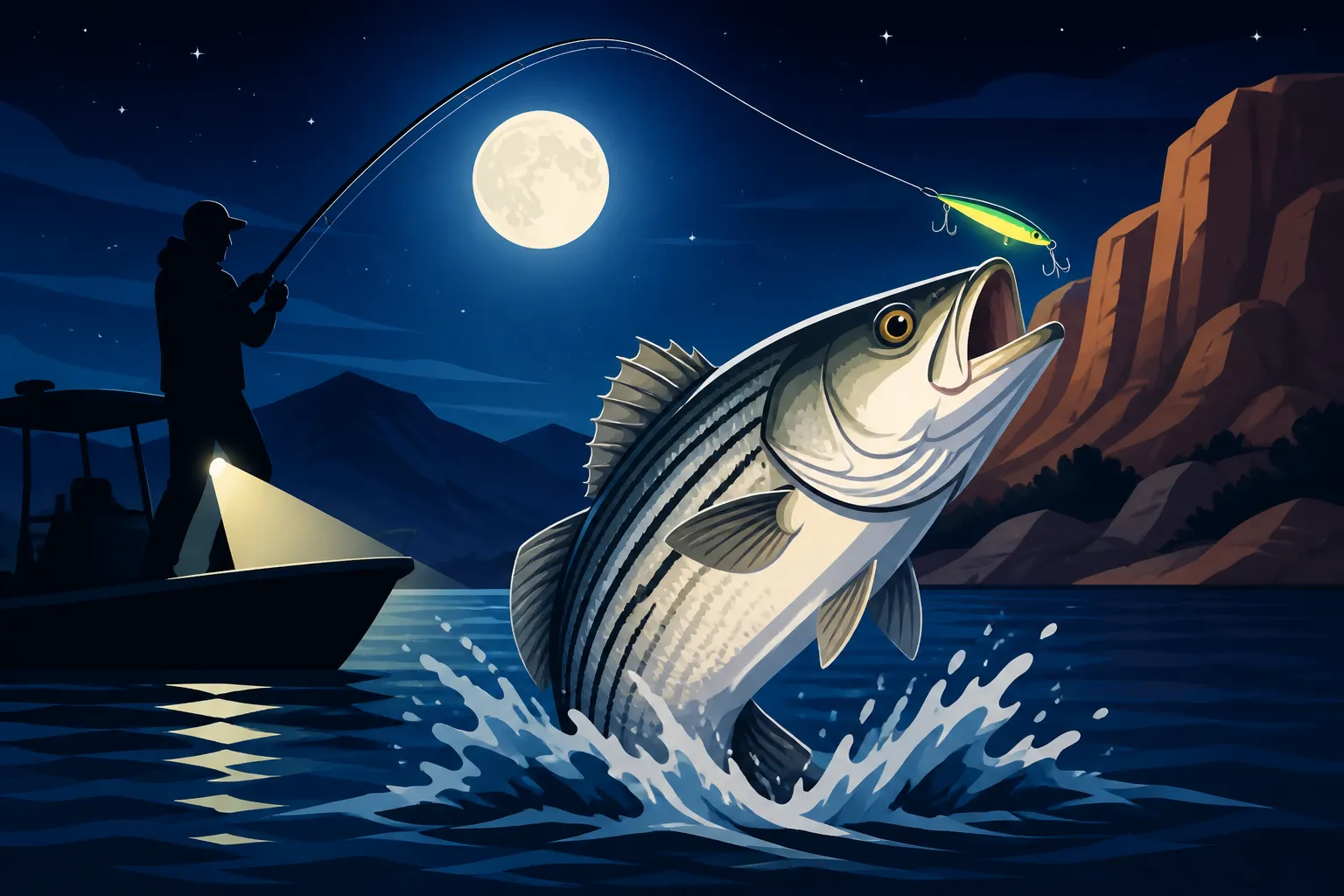
Night Fishing Techniques for Striped Bass
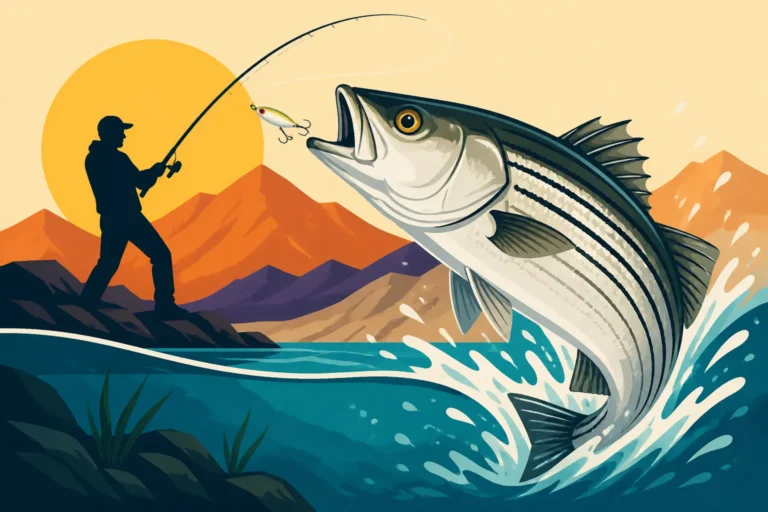
Fishing in Nevada during the blistering summer days can be a real challenge, especially when you're targeting elusive species like striped bass that often retreat to cooler, deeper waters or become less active in the heat. Many anglers find themselves frustrated, baking under the relentless sun, and struggling to get a bite. But what if I told you that some of the most exciting and productive striper fishing happens when the sun goes down and the desert cools? This guide is going to walk you through everything you need to know about night fishing techniques for striped bass, transforming your hot-weather struggles into cool, thrilling angling adventures.
Why Night Fishing for Stripers is a Game Changer in Nevada
Let's be real, fishing under the scorching Nevada sun, especially in places like Lake Mead or Lake Mohave, can be absolutely brutal. The sun beats down, the water temperatures soar, and both you and the fish can get sluggish. Striped bass, in particular, are known to become less active in the bright light and intense heat, often moving to deeper, cooler areas or simply holding tight. This is where night fishing truly shines, offering a completely different and often far more productive experience.
Escaping the Desert Heat
One of the most immediate and undeniable benefits of night fishing is simply escaping the oppressive heat. When the sun dips below the horizon, the desert air cools dramatically, making for a much more comfortable experience for anglers. You're not constantly sweating, scrambling for shade, or worrying about sunburn and heatstroke. This comfort isn translates directly into better focus and endurance on the water, allowing you to fish longer and more effectively. Imagine casting without the glare, feeling the cool breeze, and truly enjoying the tranquility of a Nevada night – it’s a world apart from the daytime grind. Plus, you'll find far fewer recreational boaters zipping around, especially on vast reservoirs like Lake Mead, leading to a much more peaceful and focused fishing environment.
Capitalizing on Striped Bass Behavior
Striped bass are predatory fish, and their feeding patterns often shift dramatically after dark. Just like many other predatory species, stripers use the cover of darkness to their advantage. They become much more aggressive and less wary under the cloak of night, moving into shallower waters to ambush baitfish that also become more active or disoriented in the low light. This nocturnal shift means that areas that were quiet during the day can come alive with feeding stripers at night. Think about those shallow coves or rocky points that might seem empty during high noon; at night, they can become prime hunting grounds. The reduced boat traffic and cooler water temperatures also contribute to stripers feeling more secure and willing to hunt, making your lures and baits much more appealing. Understanding Striped Bass Feeding Patterns is key to leveraging this nocturnal advantage.
Less Angler Pressure
Another huge advantage, especially on popular waters, is the drastic reduction in angler pressure. During the day, boat ramps are bustling, shorelines are crowded, and you're constantly competing for space and fish. At night, however, most fair-weather anglers have packed up and gone home. This means you often have entire sections of the lake or river almost to yourself. Less pressure means less disturbed fish, and less competition for the best spots. It also means you can often fish closer to prime structures or bait balls without worrying about other boats or lines tangling. This quiet solitude isn't just good for fishing; it's incredibly therapeutic, offering a unique connection to the wild side of Nevada.
Essential Gear for Night Striper Fishing
Venturing out onto the water after dark requires a bit more planning and specialized gear than your typical daytime outing. Safety is paramount, and having the right equipment will not only keep you safe but also dramatically improve your chances of success. You'll need to think about visibility, navigation, and how to effectively present your baits and lures when you can't rely on your eyes as much.
Proper Lighting and Visibility
When you're fishing at night, good lighting isn't just convenient; it's absolutely crucial for safety and functionality. You'll need personal lighting and, if you're on a boat, proper navigation lights.
- Headlamps: A reliable, bright headlamp is non-negotiable. Look for models with adjustable brightness settings and, ideally, a red light option. The red light preserves your night vision, which is incredibly important when you're trying to tie knots, re-rig, or simply move around without blinding yourself or your companions. Brands like Black Diamond or Petzl offer excellent fishing-specific headlamps that are durable and waterproof. You might even find a great option on Amazon with a quick search. Having a spare headlamp or extra batteries is always a smart move.
- Boat Navigation Lights: If you're on a boat, ensure all your navigation lights (red/green bow lights, white stern light) are fully functional and properly displayed. Not only is this a legal requirement, but it’s essential for preventing collisions with other vessels, no matter how few might be out there.
- Area Lighting (Optional but Recommended): For shore anglers or those stationary in a boat, a portable lantern or a small LED light bar can illuminate your immediate fishing area. This helps with baiting hooks, handling fish, and simply seeing what you're doing without constantly moving your headlamp. Just be mindful not to shine bright lights directly into the water for extended periods, as it can spook fish.
- Reflective Tape/Gear: Consider adding reflective tape to your tackle box, rod holders, or even your life jacket. This small detail can make a big difference in low-light conditions, helping you find gear quickly or making you more visible if you fall overboard.
Here's a quick comparison of common night fishing light sources:
| Light Source | Primary Use | Pros | Cons |
|---|---|---|---|
| Headlamp | Personal illumination, hands-free tasks | Hands-free, portable, often has red light option | Can attract bugs, limited spread of light |
| Boat Nav Lights | Legal compliance, boat visibility | Essential for safety and legality | Only illuminates boat, doesn't help with tasks |
| Lantern | Area illumination (boat/shore) | Wide light spread, good for tasks, hands-free | Can be bulky, may attract more bugs, can spook fish if too bright/direct |
| Clip-on Cap Light | Quick tasks, backup light | Lightweight, convenient, inexpensive | Limited power, often white light only, can be easily lost |
| Glow Sticks | Marker buoys, line markers, subtle attraction | Waterproof, long-lasting, subtle light for attracting bait/fish | Minimal functional light, disposal needed, single-use |
Rods, Reels, and Line Choices
Your daytime gear will largely suffice, but a few considerations can optimize your night fishing setup.
- Rods: A medium to medium-heavy action rod, typically 6'6" to 7'6" in length, is ideal for casting larger lures or baits and handling powerful stripers. Sensitivity is key, as you'll be relying more on feel than sight to detect subtle bites. Graphite rods are usually more sensitive than fiberglass.
- Reels: A sturdy spinning reel in the 3000-5000 series or a baitcasting reel capable of holding ample line and handling strong runs is perfect. Smooth drag is absolutely essential, as stripers are notorious for their powerful initial bursts. Brands like Shimano, Daiwa, or Penn offer reliable options.
- Line: Braided line is a favorite for night fishing due to its superior sensitivity and strength-to-diameter ratio. You'll feel those faint taps even in the dark. A 20-30 lb test braided line is a good all-around choice. Many anglers will add a 15-20 lb fluorocarbon leader for abrasion resistance and to make the line less visible to wary fish, even at night. The invisibility of fluorocarbon is a definite advantage, especially in clearer Nevada waters. When spooled correctly, you can rely on robust line performance, a critical component whether you're battling a fish or dealing with an unexpected snag.
Navigation and Safety Equipment
Night fishing presents unique challenges regarding navigation and safety, especially on large, open waters like Lake Mead.
- GPS/Chartplotter: A reliable GPS or chartplotter is crucial for navigating in the dark, especially if you're unfamiliar with the area or if fog rolls in. Mark your favorite fishing spots, launch points, and any hazards. Many units now come with detailed mapping that can make nighttime navigation much safer.
- VHF Radio: Cell service can be spotty in remote areas of Nevada. A VHF radio is a lifeline for communication in emergencies. Always keep it charged and know how to use it.
- First Aid Kit: Accidents can happen, day or night. A well-stocked first aid kit is non-negotiable. Include basics like bandages, antiseptic wipes, pain relievers, and any personal medications.
- Whistle/Air Horn: Required safety equipment on boats, these can alert other boaters to your presence or signal for help in an emergency. Remember to check out the full Essential Safety Gear for Boating on Lake Mead before you head out.
- Personal Flotation Devices (PFDs): Everyone on board should have a properly fitting PFD, and it’s a good idea to wear them, especially if you're moving around the boat or fishing solo. Drowning statistics often involve boaters who weren't wearing PFDs.
- Warm Clothing: Even in summer, desert nights can get surprisingly cool, especially on the water. Bring layers of warm clothing, a hat, and gloves to stay comfortable. Being cold and uncomfortable is a quick way to end a fishing trip prematurely.
Top Techniques for Nighttime Striped Bass
Now that you're geared up for the dark, let's talk about how to actually catch those stripers. Night fishing for striped bass often involves slightly different approaches than daytime, with an emphasis on presentation, scent, and slower retrieves.
Live Bait Presentations
Live bait is often incredibly effective at night because it provides natural movement and scent, which are hard for stripers to resist when their vision is limited.
- Anchoring and Chumming: If you're on a boat, anchoring upcurrent from a known striper hangout or a baitfish school and establishing a chum line can be deadly. Use chopped anchovies or threadfin shad as chum. This attracts baitfish, which in turn attracts stripers. Once they're in the chum line, present live bait (like shad, bluegill, or even larger minnows) on a Carolina rig or a slip-sinker rig. Vary your depths until you find where the fish are holding. This is also a technique you can adapt from this guide on How to chum for striped bass at Lake Mead.
- Drifting with Bait: If you're not keen on anchoring, slow drifting with live bait can also be very effective. Use a weighted bait to keep it in the strike zone, or a balloon rig to suspend it at a specific depth. The natural drift of your boat can cover more water and present your bait to a wider range of actively feeding fish. Keep your rod in hand, as bites can be subtle thumps or aggressive takes.
- Shore Fishing with Bait: For shore anglers, casting a piece of cut bait (sardines, anchovies, mackerel) or a live minnow on a bottom rig can be very productive. Look for areas with a quick drop-off near shore, or submerged structure where stripers might ambush prey. Let the bait sit, but check it periodically for freshness. Many stripers feed right along the shoreline in low light, making this a very accessible and rewarding technique.
Artificial Lures and Their Nighttime Appeal
While live bait is king, artificial lures certainly have their place in night fishing, especially those designed to maximize vibration, profile, and sometimes, glow.
- Swimbaits and Soft Plastics: Large, dark-colored swimbaits or soft plastics with a paddle tail are fantastic. The thumping action of the tail creates vibrations that stripers can easily detect with their lateral line. Slow roll them just above the bottom or through bait schools. Colors like black, dark blue, or purple often work best at night as they create a strong silhouette against the moonlit water. Some anglers even prefer glow-in-the-dark versions, which can be charged with a flashlight.
- Jigs: Heavy jigs, especially those tipped with a grub or a piece of cut bait, can be jigged vertically under the boat or cast and retrieved with a slow lift-and-fall action. This mimics dying baitfish. The key is to work them slowly. You can find excellent jigs for night fishing on Amazon, often with glow-in-the-dark paint schemes. If you're curious about adapting daytime methods, learning Jigging Techniques for Lake Mead Stripers can provide a good foundation.
- Topwater Lures: Don't count out topwater lures, especially on calm, moonlit nights when stripers are pushing bait to the surface. Large poppers or walk-the-dog style lures can create enough commotion to draw explosive strikes. The sound and vibration are what the stripers key into. This can be one of the most exciting ways to catch them after dark.
- Blade Baits and Rattling Lures: Lures that produce a lot of vibration and sound, like blade baits or lipless crankbaits with internal rattles, can be very effective. These sounds travel well through the water, attracting stripers from a distance. A slow, steady retrieve with occasional pauses is often all it takes.
Scent and Attractants
In conditions where visual cues are minimal, scent becomes a crucial factor. This is especially true for night fishing, where stripers rely heavily on their sense of smell to locate food.
- Scented Baits and Lures: Many soft plastic lures come pre-scented, or you can add your own liquid or gel attractants. Products like Berkley Gulp! or garlic-scented sprays can make a huge difference, adding an irresistible olfactory trail that guides stripers to your offering. Apply these generously and reapply often.
- Natural Bait Scent: If you're using live or cut bait, ensure it's fresh. The natural oils and blood from fresh bait are potent attractants. Avoid using old, stale bait that has lost its scent signature. A fresh piece of cut mackerel or a lively shad will always outperform something that's been sitting in the sun all day. This emphasis on natural scent can significantly improve your chances compared to relying solely on movement or visual appeal.
Finding Stripers in the Dark
Just because it's dark doesn't mean you're fishing blind. Understanding striper behavior and utilizing technology can help you pinpoint their locations even without direct eyesight. It’s all about reading the water, listening for signs, and trusting your electronics.
Targeting Structure and Bait Balls
Striped bass, like most predators, are structure-oriented. They use submerged features to ambush prey and conserve energy. This behavior doesn't change at night, but their preferred depth or exact location might.
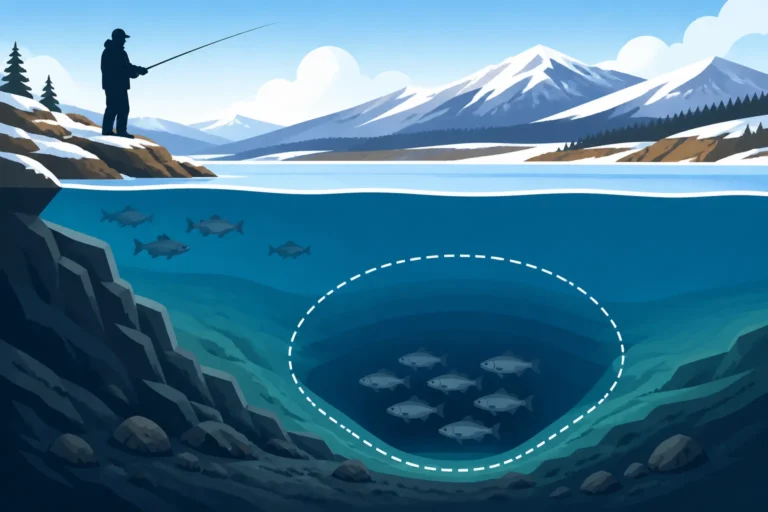
- Points and Drop-offs: Focus on prominent points that extend into the lake, as well as sharp drop-offs and ledges. Stripers will often patrol these areas, waiting for baitfish to move past. At night, they might push bait into shallower water along these structures.
- Submerged Humps and Rock Piles: These underwater features are magnets for baitfish, and consequently, for stripers. Use your fish finder to locate these humps and rock piles during the day, marking them on your GPS for nighttime access.
- Coves and Shorelines: Especially on calm nights, stripers will move into shallow coves and along shorelines to chase baitfish. Look for areas with brush, submerged trees, or even just sandy flats where baitfish congregate. Casting parallel to the shore can be very effective in these situations.
Using Electronics Effectively at Night
While you can't see the screen as clearly, your electronics are still your best friend for night fishing.
- Fish Finder/Sonar: Keep your fish finder running. You might not see individual fish arcs as clearly, but you'll be looking for bait balls and larger schools of fish that indicate stripers are nearby. Adjust the screen brightness to a lower setting to avoid disrupting your night vision. Many modern fish finders have a night mode or customizable color palettes that are easier on the eyes in the dark.
- GPS for Navigation: As mentioned earlier, your GPS is vital for safe navigation. Use it to retrace your path, avoid hazards, and navigate between your pre-marked waypoints. It’s also invaluable for marking where you had a bite or caught a fish, allowing you to return to that exact spot.
- Water Temperature Gauges: While less critical than during the day, knowing the water temperature can still give you clues about where stripers might be holding. They prefer certain temperature ranges, and finding these pockets can be productive. Remember that the surface temperature will cool down overnight, but deeper water temperatures will remain more stable.
Listening for the Bite and Other Signs
Your ears become incredibly important tools when fishing at night.
- Surface Activity: Listen for the tell-tale splashes and boils of stripers aggressively feeding on the surface. These "blow-ups" indicate active fish, and you should cast towards the commotion immediately. This is often an indication that a school of stripers has pushed a bait ball to the surface.
- Rod Vibrations: With braided line, you'll often feel the subtle "tick" of a striper sucking in your bait, or the steady pull of a fish moving off with it. Pay close attention to your rod tip. In the dark, these sensations are your primary indicators of a bite. Don't rely solely on visual cues from your rod tip, as even with lights, small movements can be hard to detect.
- Baitfish Sounds: Listen for the subtle sounds of baitfish skipping on the surface or flicking their tails. This indicates their presence and can be a precursor to a striper feeding frenzy. Sometimes, a quiet night can suddenly erupt with the sounds of a frantic bait school trying to escape.
Safety Considerations for Night Fishing
While the allure of night fishing is strong, safety should always be your top priority. The risks are inherently higher when you're on the water or navigating unfamiliar terrain in the dark. Don't let the excitement of a potential trophy fish overshadow common sense and preparation.
Personal Safety
Being prepared for the unexpected is key when you're out after dark.
- Tell Someone Your Plan: Always inform a friend or family member of your exact fishing location, who you are with, and your estimated return time. This is critical in case of an emergency. Share your float plan, even if it's just a quick text message before you head out.
- Dress in Layers: As mentioned, desert nights can be surprisingly chilly, even after a hot day. Bring extra layers, a warm hat, and waterproof outerwear. Hypothermia is a real risk, even in Nevada.
- Stay Hydrated and Bring Snacks: Just because it's cool doesn't mean you shouldn't stay hydrated. Bring plenty of water and some energy-rich snacks. Fishing requires energy, and you'll be out for several hours.
- Avoid Solo Trips if Possible: Whenever possible, fish with a buddy at night. Two sets of eyes and hands are always better in an emergency situation. If you must go solo, be extra cautious and ensure all your safety gear is readily accessible.
- Know Your Limits: Don't push yourself if you're tired or feeling unwell. Night fishing can be disorienting, and fatigue can lead to accidents.
Boating Safety in the Dark
Operating a boat at night demands heightened vigilance and strict adherence to safety protocols. Even if the lake seems empty, hazards can appear quickly.
- Operate at Slower Speeds: Reduce your speed significantly at night. It's much harder to judge distances and identify obstacles in the dark. This gives you more time to react to anything unexpected.
- Maintain a Lookout: Have someone dedicated to keeping an eye out for other vessels, navigational aids, debris, or any other potential hazards. Your perception of depth and distance is greatly reduced at night.
- Know Your Waterway: Stick to familiar routes and areas that you've navigated frequently during the day. Avoid exploring new or unknown sections of the lake at night. If you're on Lake Mead, for instance, be very aware of fluctuating water levels that can expose new hazards. Before heading out, review the Nevada Boat Registration for Anglers and make sure all your paperwork is in order, as well as your safety equipment.
- Emergency Procedures: Know how to handle common boating emergencies in the dark: engine failure, man overboard, fire. Have all your emergency contact numbers stored in an easily accessible, waterproof location. Ensure you know where all your emergency equipment, like flares, a first aid kit, and throwable PFDs, are stored.
Wildlife Awareness
While not an immediate threat, being aware of nocturnal wildlife adds another layer to night fishing in Nevada.
- Desert Critters: You might encounter various desert animals near the shorelines, from coyotes to snakes. Be aware of your surroundings, especially if you're shore fishing. Wear closed-toe shoes and use your headlamp to scan the ground before stepping.
- Birds and Bats: Nocturnal birds and bats might be active over the water, feeding on insects. While generally harmless, they can be startling if you're not expecting them. Observing their feeding patterns might even give you clues to baitfish presence.
Seasonal Nuances and Best Times for Night Striper Fishing
Night fishing isn't just a summer phenomenon, although it truly shines then. Striped bass behavior changes throughout the year, and understanding these seasonal shifts can greatly improve your success. The moon phase, believe it or not, can also play a role.
Summer Nights: The Prime Season
Summer is undoubtedly the prime time for night fishing for striped bass in Nevada. The extreme daytime heat drives stripers deeper or makes them lethargic, but as soon as the sun sets and the water cools even slightly, they become much more active.
- Post-Spawn to Mid-Summer: Following the spawn, typically late spring into early summer, stripers are often hungry and aggressive. They will continue to feed heavily throughout the summer nights, particularly in the warmer months of July and August. This is when you'll find them pushing baitfish into shallower coves and feeding vigorously.
- Deep Water vs. Shallow Water: In the peak of summer, during the day, stripers will often be found suspended in deeper water. But come nightfall, they often move shallower, sometimes right up to the bank, to ambush bait. This makes them accessible to both boat and shore anglers.
- Best Time of Day for Striper Action: While the entirety of the night can be productive, the hours immediately after sunset and just before sunrise often see the most intense feeding frenzies. The "witching hour" can also be surprisingly active, but the transition periods are usually stellar. For general insights, consider checking out Best time of day to fish in the desert during summer to understand the daytime contrast.
Fall and Spring Transitions
As seasons change, so do the striper's habits. These shoulder seasons can also offer fantastic night fishing opportunities.
- Fall Feeding Frenzy: As water temperatures begin to drop in the fall (September-November), stripers go on a massive feeding spree to pack on weight for winter. While daytime fishing can be excellent, night fishing remains highly productive, especially on warmer fall nights. They might not be as shallow as in summer, but they'll still be actively chasing bait. This can be one of the Best Time of Year to Fish in Nevada for overall striper action.
- Spring Awakening: In spring (March-May), as water temperatures rise, stripers become more active. Night fishing can pick up, particularly before and after the spawn, when they are moving to and from spawning grounds and feeding aggressively. Early spring nights can still be quite cold, so dress warmly.
The Role of Moon Phases
While not an exact science, many seasoned night anglers believe moon phases can influence striper activity.
- New Moon (Darker Nights): Some anglers prefer new moon phases because the extreme darkness can make stripers feel more secure and less wary, potentially leading to more aggressive feeding in shallower waters. With less natural light, baitfish might also be more disoriented, making them easier targets.
- Full Moon (Brighter Nights): Other anglers swear by full moon nights. The increased natural light can sometimes make it easier for both anglers to see and for stripers to hunt visually, especially if there's a good amount of cloud cover to diffuse the light. However, some believe that full moon nights can make stripers more cautious, pushing them into deeper water or making them less willing to come to the surface. It often comes down to personal preference and experimenting on your local waters to see what works best. Ultimately, understanding Nevada Fishing Seasons by Month can help you align moon phases with general fish behavior.
Conclusion
Night fishing for striped bass in Nevada offers a unique and often incredibly rewarding experience. It's a chance to escape the scorching daytime heat, enjoy the peaceful solitude of the desert at night, and tap into the nocturnal feeding habits of these powerful game fish. By equipping yourself with the right gear, understanding effective techniques, and prioritizing safety, you'll be well on your way to thrilling catches under the stars. So, the next time the sun starts to dip below the horizon, don't pack up your rods. Instead, grab your headlamp, charge your batteries, and get ready for an unforgettable night on the water.
Disclaimer
Please note that fishing regulations, conditions, and safety recommendations can change. Always consult the latest Nevada Department of Wildlife (NDOW) regulations before heading out. Exercise caution and prioritize safety on all fishing excursions. The information provided in this guide is for general informational purposes only and should not be considered a substitute for professional advice or local expertise.