How to ice fish on a Nevada reservoir
There's nothing quite like the crisp air, the vast, quiet expanse of a frozen lake, and the thrill of pulling a feisty trout or perch up from beneath the ice. But for many anglers, the idea of ice fishing in Nevada sounds… well, a little far-fetched. We're known for our deserts, our sunshine, and our warm-water fisheries, not exactly the frozen tundra. However, for those in the know, Nevada offers some incredible ice fishing opportunities, if you know where to look and how to do it safely. This guide is dedicated to breaking down everything you need to know to experience the unique magic of hard water fishing on a Nevada reservoir.
Understanding Nevada's Ice Fishing Landscape
Let's be real, Nevada isn't Minnesota. You won't find every puddle frozen solid for months on end. Ice fishing here is a more localized and often fleeting opportunity, heavily dependent on elevation and sustained cold snaps. It's about being prepared, knowing the right spots, and constantly checking conditions. That anticipation, that feeling of chasing a limited window, is part of what makes it so special here.
Where and When to Find Safe Ice in Nevada
The key to successful ice fishing in Nevada is understanding that it's primarily a high-elevation game. The low-lying desert lakes generally don't freeze reliably or safely enough for ice fishing. You're looking for reservoirs and lakes nestled in our mountain ranges, where sustained freezing temperatures are more common.
One of the most popular and consistent spots is Wildhorse Reservoir, located in northeastern Nevada, about 65 miles north of Elko. This place is a gem, offering excellent opportunities for trout and yellow perch through the ice. Other locations that can offer ice fishing when conditions are right include Cave Lake State Park near Ely, Comins Lake, and Eagle Valley Reservoir. These eastern Nevada lakes, at their higher elevations, tend to lock up more reliably than those closer to the major population centers. Marlette Lake in the Carson Range is another high-elevation spot, but access can be challenging in winter.
The season typically runs from late December through February, but this can vary wildly year to year. A mild winter might mean only a few weeks of safe ice, while a particularly cold one could extend it well into March. The absolute critical takeaway here is that you must check ice conditions constantly. Don't rely on last year's experience or what someone fished last week. Talk to local tackle shops, check Nevada Department of Wildlife (NDOW) reports, and scan online forums for the latest, most reliable ice thickness information. This isn't a "show up and hope" kind of venture; diligence is your best friend when chasing that hard water bite. For more details on specific spots, our guide to the Wildhorse Reservoir Nevada Fishing Guide is an excellent resource, as it often has the most consistent ice.
Species to Target Through the Ice
While you won't be jigging for gigantic Lahontan cutthroat trout at Pyramid Lake (it rarely freezes over, and if it did, the regulations are different), Nevada's ice fishing reservoirs offer a fantastic variety of species that are highly active and cooperative in cold water.
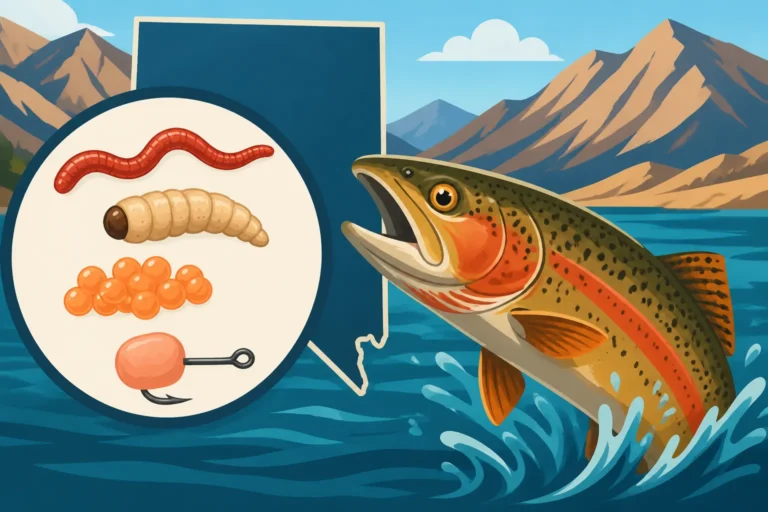
The undisputed champion of Nevada ice fishing is the rainbow trout. These spirited fighters are regularly stocked by NDOW and thrive in the cold, oxygen-rich waters beneath the ice. You'll find them aggressive and willing to hit a variety of small baits and lures. Beyond rainbows, you might also encounter brown trout, which tend to be a bit more elusive but offer a fantastic challenge and a beautiful catch. Some waters, like Wildhorse, are also home to the striking tiger trout, a sterile hybrid known for its aggressive nature.
Another highly sought-after species, especially for those who enjoy a fast-paced bite and delicious fillets, is the yellow perch. These panfish often school in large numbers, meaning if you find one, you've likely found a whole pile. They're excellent for beginners and seasoned anglers alike, providing consistent action. Our guide on Yellow Perch Fishing in Nevada provides further insights into targeting these tasty fish. Knowing your target species helps you dial in your gear and techniques, increasing your chances of success and a memorable day on the ice.
Essential Gear for Nevada Ice Fishing
Ice fishing isn't just regular fishing with a drill. It requires a specialized set of equipment, not only for catching fish but, more importantly, for your safety and comfort in potentially harsh conditions. Trying to make do with your summer gear is a recipe for frustration, cold fingers, and potentially dangerous situations. Investing in the right tools is paramount for a successful and enjoyable trip.
Core Fishing Equipment for the Ice
When you're out on the ice, you'll want gear that's specifically designed for the conditions and the unique dynamics of fishing through a small hole.
First up are your ice rods and reels. Unlike long open-water rods, ice rods are typically short, ranging from 24 to 36 inches. This shorter length is crucial for fishing in a confined space, like inside an ice shelter, and for maintaining sensitivity to detect subtle bites. They come in various actions, from ultra-light for panfish to medium-heavy for larger trout. Pairing these with small, sensitive spinning reels (size 500-1000) loaded with light line is ideal.
Speaking of line, ice-specific monofilament or fluorocarbon in 2-6 lb test is highly recommended. These lines are designed to resist freezing, maintain flexibility in cold temperatures, and have low memory, which helps prevent frustrating coils and tangles. You can find excellent options on online retailers like Amazon, from brands like Stren or Sufix, which often have cold-weather-optimized fishing lines.
For terminal tackle, small jigs are your bread and butter. Tungsten jigs are particularly effective because their density allows them to be much smaller for their weight, getting down to the fish faster without spooking them. Experiment with colors, but glow-in-the-dark, chartreuse, orange, and white are often reliable producers for trout and perch. Small spoons, like Kastmasters or Swedish Pimples, are also excellent for jigging and attracting fish. Always tip your jigs with bait for added scent and appeal. Live minnows (check regulations for legality on specific waters), wax worms, mealworms, or even Berkley PowerBait are all fantastic options that often make the difference between a slow day and a hot bite.
Safety and Comfort Gear You Can't Skip
Beyond the fishing essentials, a whole host of other items are absolutely critical for a safe and comfortable Nevada ice fishing adventure. Do not skimp on these.
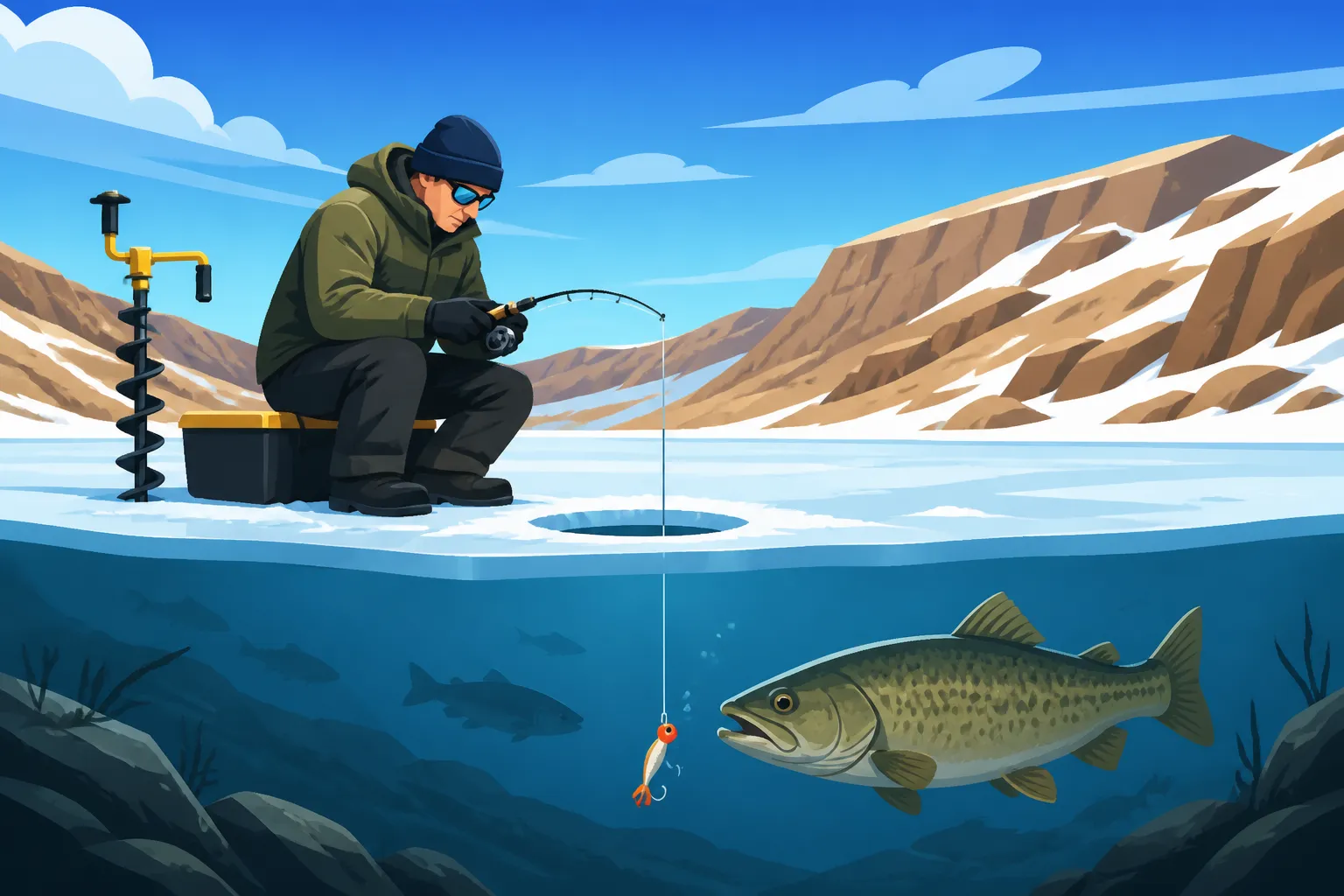
A quality ice auger is your most important tool for getting access to the fish. Manual hand augers are sufficient for a few holes in thinner ice, but for thicker ice or if you plan to drill many holes, a gas, propane, or electric power auger is a game-changer. Brands like Strikemaster and Eskimo offer reliable options. You can find a good selection of these on Amazon, especially during the pre-season sales.
For personal safety, a spud bar and ice picks are non-negotiable. A spud bar is a heavy chisel-like tool you use to test ice thickness as you walk. It's your first line of defense against thin ice. Ice picks, worn around your neck, are your last line of defense, allowing you to pull yourself out if you do break through.
Layering is key for warm clothing. Start with moisture-wicking base layers, add insulating mid-layers (fleece or down), and top it off with waterproof, insulated outer layers specifically designed for ice fishing. Insulated, waterproof boots are essential, as are warm gloves or mittens, and a good hat.
A portable ice shelter drastically increases your comfort, especially on windy Nevada reservoirs. These range from lightweight pop-up tents (like those from Clam or Eskimo, often available on Amazon) to more robust flip-over shelters that attach to a sled. Paired with a small, portable propane heater (like a Mr. Heater Buddy, available at most sporting goods stores or online), you can turn a frigid day into a cozy experience. Always ensure proper ventilation when using a heater to prevent carbon monoxide buildup.
Finally, a sled or pulk is indispensable for hauling all your gear across the ice. Don't forget a GPS or detailed map for larger reservoirs, as whiteout conditions can quickly disorient you. Staying safe is paramount, so consider our guide to Ice Fishing Safety on Nevada Reservoirs required reading before you head out.
Techniques for Success on Nevada Ice
Once you have your gear ready and you've found a safe spot, it's time to talk strategy. Ice fishing, while seemingly simple (drill a hole, drop a line), has its own set of nuances and techniques that can dramatically improve your success rate.
Locating Fish Under the Ice
Finding fish is often the hardest part of ice fishing, especially on a vast Nevada reservoir. Unlike open water where you can troll or cast widely, you're limited to a small hole in the ice. This means strategic hole placement is crucial.
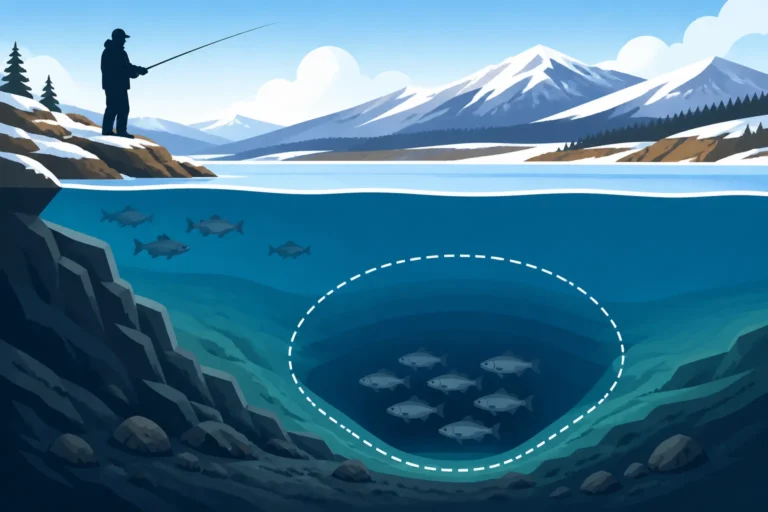
Start by looking for structure. Just like in open water, fish relate to submerged humps, drop-offs, points, weed lines (if present), and changes in bottom composition. If you have electronic maps on your phone or fish finder, study the contours before you even step on the ice. A good strategy is to drill a series of holes along a depth contour or across a breakline to "grid" an area and locate active fish. Don't be afraid to move; if you're not getting bites after 15-20 minutes, pack up and try another hole 50-100 feet away.
This is where a fish finder, especially a flasher unit, becomes invaluable. Brands like Vexilar and Marcum are popular among ice anglers. These devices give you a real-time display of what's beneath your hole – your lure, bait, and any fish that come into view. This allows you to adjust your depth and presentation instantly, making all the difference between an empty bucket and a full one. You can monitor how fish react to your presentation, whether they're rising to meet your lure or ignoring it, and fine-tune your jigging motions.
For trout, they often suspend at various depths or cruise along the bottom in deeper sections, especially in the 20-40 foot range. Yellow perch, on the other hand, often school tighter to bottom structure or shallower weed beds. The more holes you drill and the more ground you cover, the better your chances of intersecting with a school of hungry fish.
Presentation and Bait Selection
Once you've found a promising spot, your presentation can make or break your day. Fish under the ice are often lethargic due to cold water temperatures and a slower metabolism, so subtle presentations are often key.
Jigging is the most common technique. Drop your small jig (tipped with bait) to the desired depth, then impart a subtle jigging motion. This could be a tiny twitch, a slow lift and fall, or a short, sharp snap followed by a pause. Experiment with different cadences until you find what the fish prefer. Often, the bite comes on the pause, so pay close attention.
If legal, a second rod can be a powerful tool for dead sticking. This involves setting up a second rod in a rod holder (or a bucket with a hole) with a stationary bait, often just a simple hook with a live minnow or a piece of PowerBait a few inches off the bottom. While you actively jig one rod, the dead stick offers a more passive, natural presentation that can entice less aggressive fish.
Tip-ups are another excellent way to cover more water, especially for targeting larger, cruising fish like trout. A tip-up is a device that spans your ice hole, holding your baited line at a set depth. When a fish takes the bait, it trips a flag, signaling a bite. You then hand-line the fish in. This technique is particularly effective for larger trout that might not commit to a jigging presentation.
When it comes to baiting jigs, a small piece of a wax worm, mealworm, or a Gulp! Maggot on the tip of your jig can add scent and visual appeal, often converting curious fish into biters. Many anglers swear by the "one-two punch" – the jig attracts attention, and the live bait seals the deal. For more details on what works for trout, check out our guide on Best Bait for Nevada Trout.
Understanding Ice Fishing Regulations
Just like with any other form of angling, ice fishing in Nevada comes with its own set of rules and regulations. Ignoring them can lead to hefty fines and a ruined day.
First and foremost, you absolutely need a valid Nevada Fishing License Guide. This is non-negotiable for anyone aged 12 and over. Make sure your license is current for the fishing year.
Secondly, you must consult the current Nevada Fishing Regulations book, available on the NDOW website or at licensed vendors. This booklet outlines all the statewide rules, but crucially, it also details specific lake regulations. Some lakes might have bait restrictions (e.g., no live minnows), limits on the number of rods you can use (often two per angler, but always verify), or special size and bag limits for certain species. For example, some waters may have a different Nevada Statewide Bag Limits Explained for trout than others. It's your responsibility to know these rules for the specific body of water you're fishing.
Pay close attention to daily and possession limits for species like rainbow trout, brown trout, and yellow perch. These limits are in place to ensure sustainable fishing for everyone. Don't assume; always check. The rules can be confusing sometimes, but a quick call to the local NDOW office or a chat with a reputable local tackle shop can clear up any ambiguities. This preparation is a small price to pay for a stress-free and legal day on the ice. Also, for general season dates, our Nevada Trout Season Dates article might offer insights into when certain waters are prime.
Staying Safe on the Ice: Prioritizing Your Well-being
This section cannot be stressed enough: no fish is worth risking your life over. Ice fishing in Nevada, especially given our often fluctuating temperatures and varied terrain, carries inherent risks. Being informed and diligent about ice safety is more important than any fishing technique or piece of gear.
Assessing Ice Thickness and Quality
The first and most critical rule of ice fishing is: "Thick white ice, you're alright. Thin black ice, stay back." But even that old saying needs a bit more nuance.
General guidelines for safe ice thickness are:
- 4 inches of clear, solid ice for foot travel (e.g., walking, ice fishing).
- 5-7 inches for snowmobiles or ATVs.
- 8-12 inches for small vehicles (cars, light trucks).
These are minimum guidelines, not guarantees. No ice is ever 100% safe. Always remember that ice thickness can vary wildly even within a few feet. One area might have 6 inches of solid ice, while another 20 feet away could be dangerously thin due to currents, springs, or underlying structure.
Visual cues are important:
- Clear blue ice is generally the strongest and safest.
- White or cloudy ice (often from refrozen slush or snow) has trapped air and is significantly weaker, sometimes only half as strong as clear ice.
- Gray or dark ice indicates the presence of water or a thin layer, making it very dangerous. Stay away!
- Cracks and pressure ridges are also danger zones. These occur when ice shifts due to temperature changes or water levels, creating weak spots.
- Areas around inlets, outlets, and springs are almost always thinner due to moving water. On Nevada reservoirs, fluctuating water levels can also stress the ice, creating unpredictable conditions.
The best way to assess ice quality is with a spud bar as you walk. Strike the ice firmly ahead of you. If it breaks through easily, turn back. Drill test holes frequently, especially as you move into new areas, to confirm thickness.
Essential Safety Practices on the Ice
Beyond knowing your ice, adhering to strict safety protocols is paramount for any ice fishing trip in Nevada.
- Never, ever fish alone. Always bring a buddy or two. In an emergency, a partner could be your lifeline.
- Tell someone your plan. Before you leave, inform a friend or family member exactly where you're going, when you expect to return, and what your backup plan is. This way, if you don't check in, someone knows where to start looking.
- Spread out. Avoid congregating in one small area, especially if you're uncertain about the ice thickness. Distribute your weight.
- Wear a life vest (PFD). Even if you're on solid ice, wearing a personal flotation device can keep you buoyant and dramatically increase your survival chances if you fall through. Many ice fishing jackets have built-in flotation.
- Carry ice picks. These are sharp spikes connected by a cord, worn around your neck. If you fall through, you can use them to gain purchase on the ice and pull yourself out.
- Bring a rope. A length of sturdy rope can be thrown to someone who has fallen through, providing a safer rescue option.
- What to do if you fall through:
- Don't panic! Conserve energy.
- Turn towards where you came from (it's likely the strongest ice).
- Use your ice picks to get a grip on the ice.
- Kick your legs vigorously to propel yourself onto the ice.
- Once out, roll away from the hole to distribute your weight and prevent breaking through again.
- Get warm immediately. Head for shelter, change into dry clothes, and seek medical attention if necessary.
You can find essential safety equipment, like high-quality ice picks, throwable flotation devices, and even insulated PFDs, readily available on Amazon or at specialty ice fishing stores. Prioritizing these items is not an option; it's a necessity. For a deeper dive into ice safety, our article Ice Fishing Safety on Nevada Reservoirs offers more detailed advice.
| Ice Thickness (Clear, Solid Ice) | Activity Level | Recommendation |
|---|---|---|
| Less than 4 inches | DANGEROUS | Stay Off the Ice |
| 4 inches | Foot Travel (walking, fishing) | Minimum, proceed with extreme caution and safety gear |
| 5-7 inches | Snowmobiles, ATVs | Generally safe, still check as you go |
| 8-12 inches | Small Cars, Light Trucks | Generally safe, check ice frequently, spread out |
| More than 12 inches | Heavy Trucks, Ice Shacks | Generally safe, but always verify conditions |
This table provides general guidelines. Always remember that conditions can change rapidly, and no ice is ever 100% safe.
Disclaimer
The information provided in this article is for general guidance only and does not constitute professional advice. Ice conditions can be unpredictable and dangerous. Always prioritize safety, check local regulations, and assess ice thickness yourself before venturing onto any frozen body of water. Fishing regulations are subject to change; always consult the latest Nevada Department of Wildlife (NDOW) official guide.