Which Nevada lakes freeze thick enough for ice fishing
For many anglers, the thought of ice fishing immediately conjures images of the Midwest or colder northern states, not the arid landscapes of Nevada. Yet, for those who dream of drilling holes and pulling fish through the ice, Nevada does offer some surprising, albeit limited, opportunities. The trick is knowing which Nevada lakes freeze thick enough to actually be safe and productive. This guide will walk you through the nuances of hardwater angling in the Silver State, helping you understand where and how to safely pursue this unique winter experience.
Understanding Nevada's Ice Fishing Landscape
Nevada is famously a desert state, and that often leads people to believe ice fishing is a complete non-starter here. However, our diverse topography, with its dramatic elevation changes, creates pockets where winter truly sets in, transforming certain lakes into icy playgrounds for dedicated anglers. It’s not about finding any frozen water, but rather finding water that freezes consistently and safely.
The Reality of Ice Conditions in the Silver State
Let's be real: Nevada isn't Minnesota. You won't find hundreds of lakes with dependable, season-long hardwater. Most of our larger, more popular fishing destinations, like Lake Mead or Lake Tahoe (on the Nevada side), simply don't freeze over reliably enough for safe ice fishing, if at all. Their sheer size, depth, and often milder winter temperatures keep them mostly open or create unstable, thin ice that's incredibly dangerous. The exceptions are typically found in higher elevations, where winter temperatures plummet and stay low for extended periods.
These high-elevation lakes and reservoirs are usually smaller, allowing them to freeze solid more readily. The ice season, even in these prime spots, can be relatively short and highly dependent on the severity of the specific winter. A mild winter might mean no safe ice, even in traditionally reliable spots. This fluctuating nature makes local knowledge and up-to-the-minute conditions checks absolutely critical. What was safe yesterday might not be safe today, and what's safe on one side of a lake might be treacherous on another. This is why understanding the Nevada Fishing Seasons by Month is so important, as ice conditions are fleeting.
Safety First: Recognizing Safe Ice Thickness
Before you even think about stepping onto frozen water, let's talk about the single most important factor: safety. No fish is worth risking your life. Safe ice is a spectrum, not a guarantee, and conditions can change rapidly. The Nevada Department of Wildlife (NDOW) and experienced ice anglers universally preach caution.
Here’s a general guideline for minimum ice thickness, but remember, this is for clear, solid, new ice. Slush ice, white ice (from refrozen snow), or ice that's honeycombed due to thawing and refreezing is far weaker:
- 2 inches or less: STAY OFF! This is extremely unsafe.
- 4 inches: Suitable for ice fishing on foot. This is the absolute minimum you should consider.
- 5-7 inches: Safe for a single snowmobile or ATV.
- 8-12 inches: Generally safe for small groups or light vehicles (like a small truck or car), but highly dependent on weight distribution and condition. Most anglers in Nevada stick to foot traffic only.
- 12-15 inches: Supports medium-sized trucks.
Always, always carry ice picks, a flotation device, and go with a buddy. Never assume the ice is safe because someone else is on it. They might be taking risks you shouldn't, or conditions could have changed since they ventured out. The first person onto the ice should use an ice auger to drill test holes every 15-20 feet as they move, checking the thickness and quality of the ice. You'd be surprised how quickly ice thickness can vary even in a small area. When you're considering Ice Fishing in Nevada, understanding these fundamental safety rules is non-negotiable.
Top Nevada Lakes for Reliable Ice Fishing
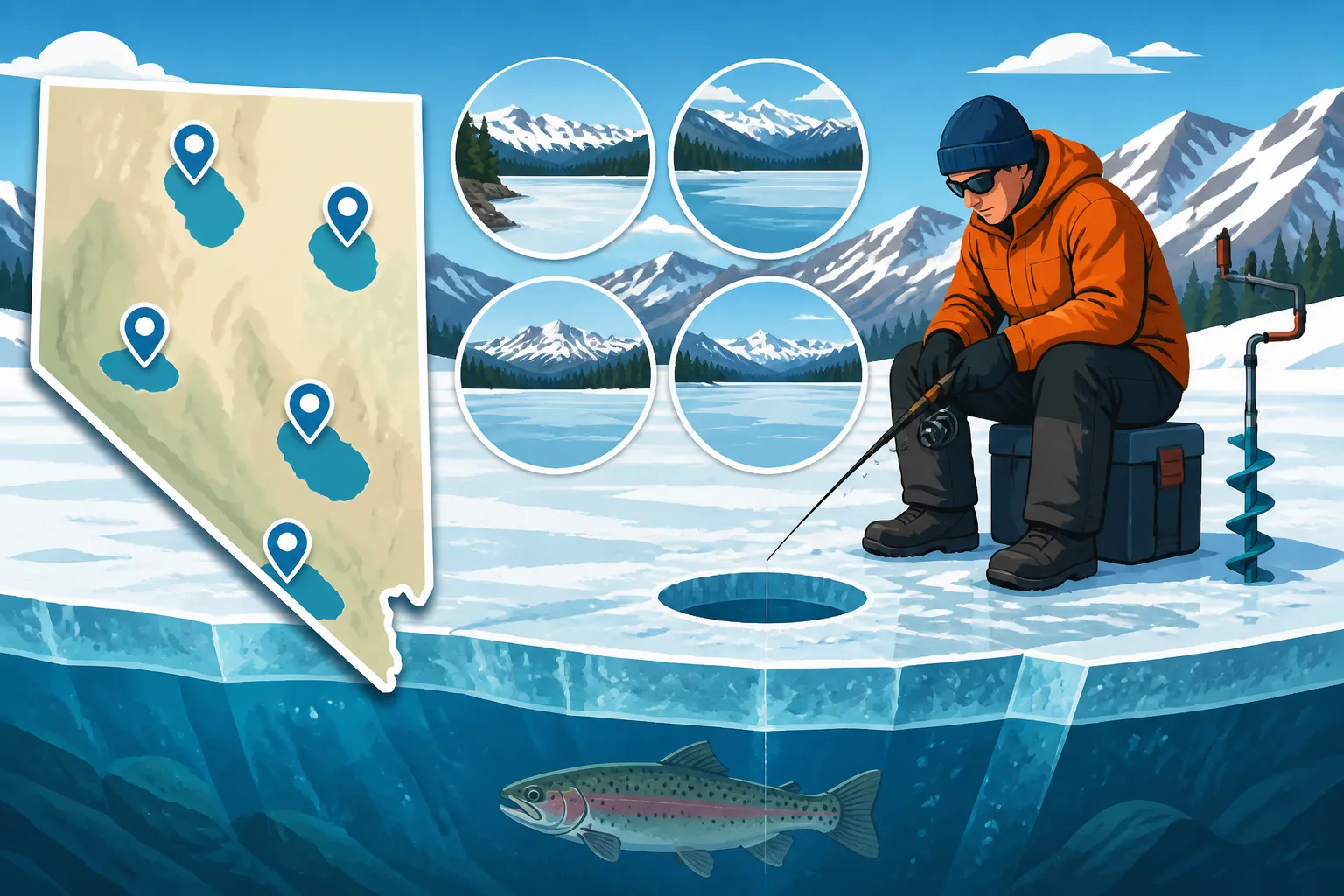
While the list isn't long, Nevada does indeed offer some fantastic ice fishing opportunities for those willing to brave the cold and seek out the right spots. These are typically smaller, higher-elevation bodies of water that consistently develop sufficient ice.
High-Elevation Gems with Consistent Hardwater
For reliable ice fishing, you're going to want to look towards Nevada's eastern and northern high country. These areas experience colder, more prolonged winters, leading to more dependable ice.
- Wildhorse Reservoir: Located northeast of Elko, Wildhorse is arguably Nevada's most consistent and popular ice fishing destination. Sitting at an elevation of over 6,200 feet, it typically freezes solid from late December through February, sometimes even into March. Anglers here target a variety of species, including rainbow trout, brown trout, and especially yellow perch. The perch fishing can be phenomenal, with anglers often catching large numbers. You might even find the elusive tiger trout here. The Wildhorse Reservoir Nevada Fishing Guide offers much more detail on this popular spot. When ice fishing at Wildhorse, remember to check current conditions with NDOW or local outfitters before making the drive.
- Jakes Creek Reservoir: Situated in White Pine County near Ely, Jakes Creek Reservoir is another strong contender for reliable ice fishing. It's smaller than Wildhorse but high enough in elevation to freeze well. Rainbow trout are the primary target here, often stocked by NDOW, making it a great spot for family outings once the ice is safe. Access can sometimes be tricky depending on snowfall, so a 4×4 vehicle is often recommended.
- Cave Lake State Park: Also near Ely, Cave Lake is a beautiful state park at over 7,300 feet. It’s regularly stocked with rainbow trout and occasionally brown trout, offering good opportunities through the ice. The park amenities, including restrooms and a warming hut, make it a comfortable option for a day on the hardwater. Like other high-elevation lakes, the ice here is usually solid for a good portion of winter. Check the Nevada Trout Stocking Schedule for updates on when fish are placed in these waters, as freshly stocked fish can be quite active.
- Marlette Lake: Nestled high in the Carson Range, between Lake Tahoe and Carson City, Marlette Lake offers a truly unique, remote ice fishing experience. However, access is challenging, typically requiring a snowmobile or cross-country skis in winter, and it's regulated by the Nevada Division of State Parks rather than NDOW for fishing. It's known for Lahontan cutthroat trout and rainbow trout. Before planning a trip here, always verify access and specific regulations, as they can differ from statewide rules. This is truly a wilderness experience.
Lower-Elevation Options: When Conditions Align
For lakes at lower elevations, ice fishing becomes a much more opportunistic endeavor. These waters rarely freeze thick enough, or for long enough, to be considered truly reliable, but during unusually cold snaps, they might offer brief windows of opportunity.
- Rye Patch Reservoir: Located north of Lovelock, Rye Patch is a large reservoir that generally doesn't freeze over completely. However, during particularly harsh winters, its shallower northern coves and bays can develop fishable ice. If you happen to catch it on one of these rare occasions, you might find good yellow perch fishing. This is a situation where local reports are absolutely crucial, as conditions can be extremely localized and short-lived.
- Urban Ponds: In metropolitan areas like Las Vegas and Reno, some of the smaller urban ponds, like those found in Floyd Lamb Park or Sunset Park, can skim over with ice during severe cold fronts. While theoretically possible to ice fish, these ponds are often not maintained for ice fishing and the ice is seldom thick enough for more than a very brief, cautious attempt on foot. Extreme caution is advised, and usually, it's safer to avoid these altogether for ice fishing. They're wonderful for open water fishing, but their ice is far less predictable and often too thin. Always consult with NDOW or local parks staff if you're even considering it.
Essential Gear and Preparations for Nevada Ice Fishing
Just like with any specialized angling, successful and safe ice fishing requires the right equipment and a good deal of preparation. Don't show up unprepared, especially in Nevada's often remote winter environments.
What to Pack: Beyond the Basics
Your ice fishing kit should be robust, focusing heavily on safety and warmth. This isn't just about catching fish; it's about staying alive and comfortable in potentially harsh conditions.
- Ice Auger: This is your most critical tool for both finding fish and checking ice safety. For Nevada, a manual auger is often sufficient for thinner ice, but a power auger (gas or electric) will make quick work of thicker ice and save your energy, especially at higher elevations. You can find a wide range of reliable ice augers on Amazon, from lightweight hand augers perfect for occasional use to powerful electric models for serious hardwater anglers.
- Safety Gear:
- Ice Picks: Essential for self-rescue if you fall through. Wear them around your neck.
- Flotation Suit or PFD: An ice fishing suit with built-in flotation or a personal flotation device (PFD) worn under your outerwear can be a lifesaver.
- Rope/Throw Bag: For rescuing others.
- Headlamp/Lantern: Crucial for early mornings, late evenings, or inside your shelter.
- Shelter: A portable ice fishing shelter (flip-over or hub-style) can drastically improve comfort, especially on windy Nevada lakes. They provide warmth and shield you from the elements. Consider a portable heater for inside your shelter. Check out our guide on Best Ice Fishing Auger and Shelter for more detailed recommendations.
- Warm Clothing: Layers, layers, layers! Thermal base layers, fleece mid-layers, and a waterproof, insulated outer shell are a must. Don't forget warm, waterproof boots, thick wool socks, a hat, and insulated gloves or mittens.
- Rods and Reels: Short, sensitive ice fishing rods (24-36 inches) paired with small spinning reels are ideal.
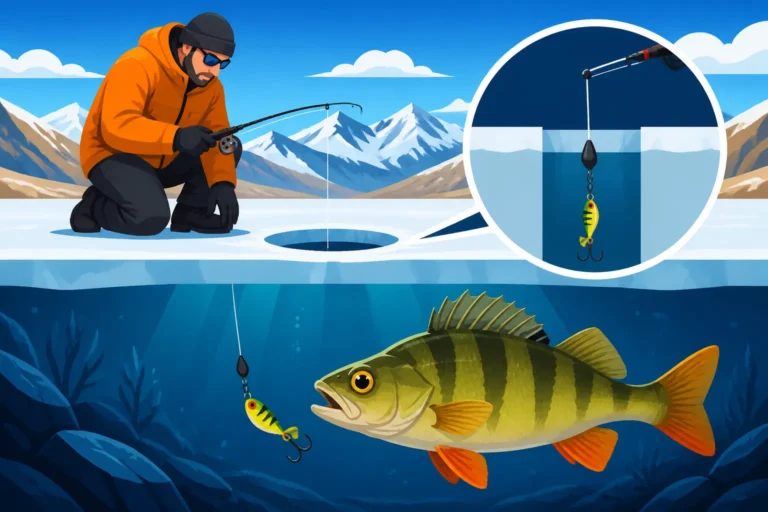
- Tackle: Small jigs (tungsten jigs are popular for their weight), spoons, and small swimbaits are effective. Live bait like mealworms, wax worms, or PowerBait can be deadly for trout and perch. Make sure your tackle box is organized for easy access in cold conditions.
- Chairs/Buckets: A five-gallon bucket serves as both a seat and a convenient way to carry gear.
- GPS/Map: For navigating the lake, especially in whiteout conditions or on large reservoirs like Wildhorse.
- First-Aid Kit: Always smart practice.
- Plenty of Water and Snacks: Staying hydrated is just as important in the cold as in the heat.
Checking Conditions and Local Resources
This cannot be stressed enough: always check current ice conditions before heading out. Rely on reputable sources, not just hearsay.
- Nevada Department of Wildlife (NDOW): NDOW often provides ice condition updates, especially for popular spots like Wildhorse Reservoir, on their website or social media channels. They are your primary resource for Nevada Fishing Regulations Explained and other important advisories.
- Local Bait Shops and Outfitters: These are invaluable sources of real-time, on-the-ground information. Shops near ice fishing destinations (like those in Elko for Wildhorse) will know exactly what the ice is doing, what's biting, and what techniques are working. They also sell bait and tackle tailored to local conditions.
- Online Forums and Social Media Groups: Many dedicated ice anglers share conditions and tips on local fishing forums or Facebook groups. While helpful, always cross-reference this information and use your own judgment.
Important Note: The weather in Nevada can be incredibly unpredictable. A warm spell can quickly degrade ice that was perfectly safe days before. Always be prepared for changing conditions, including sudden drops in temperature, strong winds, or unexpected snowfall. Have a backup plan if the ice isn't safe, or if conditions rapidly deteriorate.
Here's a quick reference table for some of Nevada's best ice fishing options:
| Lake Name | General Location | Elevation (approx.) | Typical Ice Season (safe) | Primary Target Species | Notes |
|---|---|---|---|---|---|
| Wildhorse Reservoir | Northeast of Elko | 6,200 ft | Dec – Feb/Mar | Rainbow, Brown, Yellow Perch | Most consistent, popular. Great for Yellow Perch at Wildhorse Reservoir. |
| Jakes Creek Reservoir | Near Ely, White Pine County | 7,000 ft | Dec – Feb | Rainbow Trout | Good for trout, 4×4 often recommended for access. |
| Cave Lake State Park | Near Ely, White Pine County | 7,300 ft | Dec – Feb | Rainbow, Brown Trout | State park amenities, good access (check road conditions). |
| Marlette Lake | Carson Range (Lake Tahoe) | 7,800 ft | Dec – Mar | Lahontan Cutthroat, Rainbow | Challenging access (snowmobile/ski). Verify special regulations. |
| Rye Patch Reservoir | North of Lovelock | 4,100 ft | Rare, opportunistic | Yellow Perch | Shallow coves may freeze during severe cold snaps. High risk. |
Remember, the "Typical Ice Season (safe)" column refers to periods when conditions may allow for safe ice fishing, but personal verification of ice thickness is always required. Make sure to consult the Nevada Fishing License Guide to ensure you have the proper permits before heading out. For more general guidelines, our Nevada Fishing Regulations Explained article is a valuable resource.
While Nevada may not be the first place that comes to mind for ice fishing, for those who embrace the chill and respect the risks, it offers unique and rewarding opportunities. The key is to target high-elevation lakes, prioritize safety above all else, and stay informed about current conditions. So, bundle up, grab your auger, and maybe we'll see you out on the ice!
Disclaimer
Fishing conditions and regulations in Nevada can change frequently. Always consult the official Nevada Department of Wildlife (NDOW) website or their current fishing proclamation for the most up-to-date information on licenses, limits, and specific waterbody rules before planning your trip. Safety is paramount, especially on ice, and this guide provides general advice only. Personal responsibility for safety and adherence to all regulations rests with the individual angler.