How early to start fishing in hot weather
There's nothing quite like the dream of a peaceful morning on the water, but the reality of fishing in Nevada's scorching summer heat can quickly turn that dream into a sweaty, frustrating ordeal. You've probably experienced those days where you arrive at the lake, full of hope, only to find the fish are nowhere to be seen, likely lounging in the deepest, coolest crevices they can find. This guide is here to help you conquer the challenge of hot weather fishing, focusing on the absolutely critical strategy of starting early to maximize your chances of success and comfort.
The Crucial Early Start: Why Beat the Sun?
When the Nevada sun climbs high, it doesn't just make us humans uncomfortable; it fundamentally changes the aquatic environment, impacting everything from water temperature to oxygen levels. For successful fishing, especially during those notoriously hot months, understanding and reacting to these environmental shifts is key.
Understanding the Nevada Heat and Its Impact on Fish
Nevada's desert climate means temperatures can soar well into the triple digits, and this isn't just a surface phenomenon. While deeper waters take longer to heat up, even a few hours of intense sun can significantly warm the shallows. This rise in water temperature directly affects the fish. First, warmer water generally holds less dissolved oxygen, which fish need to survive. Think of it like trying to run a marathon in thin air – it's exhausting! Fish become lethargic and stressed, instinctively seeking out cooler, more oxygenated water.
For species like trout, which prefer cooler temperatures, this means retreating to the deepest parts of reservoirs or finding spring-fed pockets. Bass, while more tolerant of warmth, will still seek shade and cooler depths as the day progresses. The metabolism of fish also increases with temperature, making them less inclined to chase fast-moving prey in the heat of the day. They become much pickier, conserving energy. You'll notice this difference particularly at places like Lake Mead or Lake Mohave, where the sheer size offers more thermal refuge, versus smaller, shallower bodies of water like many of the Las Vegas Nevada Urban Pond Fishing Guide spots, which can heat up rapidly.
The Dawn Bite: When Fish Are Most Active
If you've ever heard anglers talk about the "dawn bite," it's not just folklore – it's biological fact. Fish are often most active during periods of low light and cooler temperatures, and the hours immediately surrounding sunrise are prime time. There are a few compelling reasons for this behavior. Firstly, the water temperature is at its coolest point after the long night, meaning higher oxygen levels and less physiological stress for the fish. This allows them to feed more aggressively and move more freely without expending excessive energy.
Secondly, low light conditions provide a natural advantage for many predatory fish. With the sun barely cresting the horizon, their camouflage is more effective, and prey fish are often less wary, making them easier targets. This is why you'll often see schools of baitfish in the shallows at dawn, drawing in larger predators. Whether you're chasing How to Fish for Bass in Nevada in a rocky cove or hoping for a big Lahontan cutthroat trout at Pyramid Lake, the window from about an hour before sunrise to an hour or two after is typically your best bet for consistent action. This prime feeding window tapers off quickly once the sun fully illuminates the water and starts to warm things up.
Strategies for an Effective Early Morning Session
To truly capitalize on that precious cool, low-light window, you can't just roll out of bed and head to the lake. A little planning and a few strategic adjustments to your fishing approach will make a world of difference in your success rate.
Timing Your Arrival: Beyond Just Sunrise
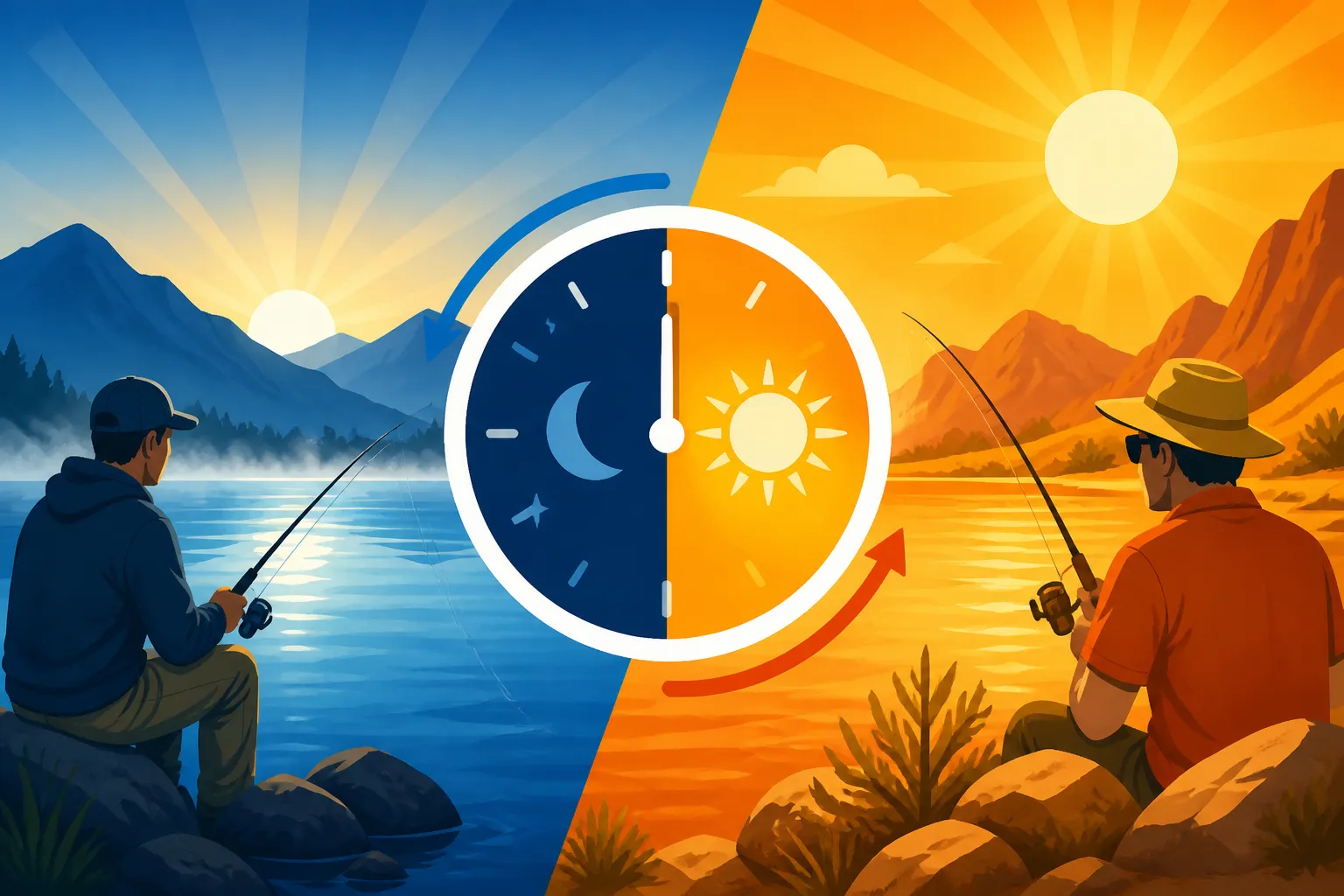
When we talk about "early," we're not just talking about getting there at sunrise. To maximize your chances, you really want to be on the water, lines wet, and ready to cast before the sun even peeks over the horizon. This means often arriving at your chosen spot 30 to 60 minutes before what's known as "civil twilight" begins, allowing you time to get set up in the low light. This pre-sunrise period, often called the "blue hour," is incredibly productive. The air is cool, the water is calm, and fish are often at their most confident, cruising the shallows for an easy meal.
Think about it: if sunrise is at 5:30 AM, you should be aiming to be casting by 5:00 AM, which means leaving your house even earlier. This might sound brutal, but the payoff is often worth it. You'll find the fish are much more willing to strike, and you'll avoid the crowds that typically start arriving once the sun is fully up. A reliable alarm clock is your best friend here, and doing as much preparation as possible the night before – like rigging your rods, tying on your chosen lures, and packing your cooler – will save you precious minutes in the dark morning hours.
Targeting the Right Depths and Cover
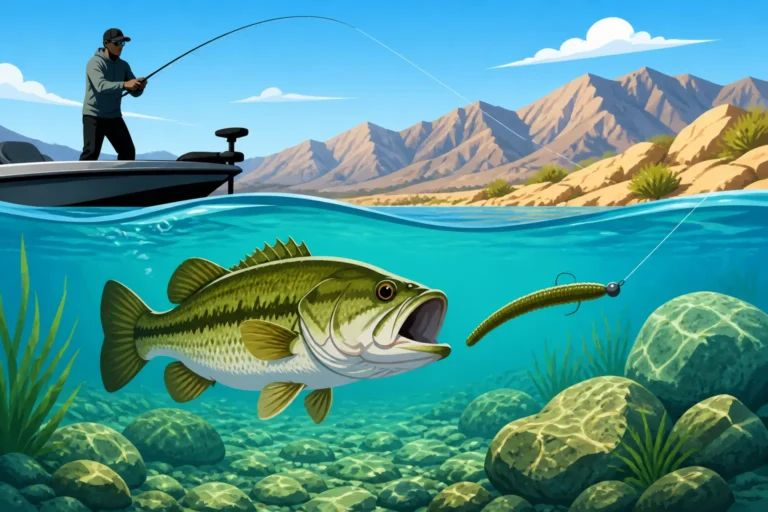
In the early morning, fish tend to be much shallower than they will be later in the day. They've often moved out of their deeper, nighttime resting spots to feed in the more accessible, baitfish-rich shallows. Look for areas with structure: submerged rocks, weed lines, drop-offs, docks, or even shaded banks. These spots provide ambush points for predatory fish. For bass, specifically, targeting these shallow feeding grounds can be incredibly productive. You might find them cruising just a few feet below the surface.
However, as soon as that sun begins to climb and the light intensifies, these fish will start their retreat. They'll move deeper, often clinging to the side of submerged ledges, seeking shade under overhanging trees, or burying themselves in dense cover. If you're still fishing the exact same shallow spots an hour after sunrise, you're likely missing the boat. Be prepared to shift your focus as the light changes, moving your presentations to deeper water or casting into any available shadow. Even a small patch of shade cast by a large rock can hold a quality fish trying to escape the glare and heat.
Choosing Your Baits and Lures for Low Light
The low light conditions of early morning often dictate different lure choices than what you might use in bright, midday sun. Fish rely more on their other senses when visibility is reduced. This means opting for baits and lures that create a strong silhouette, emit vibrations, or have some form of auditory appeal.
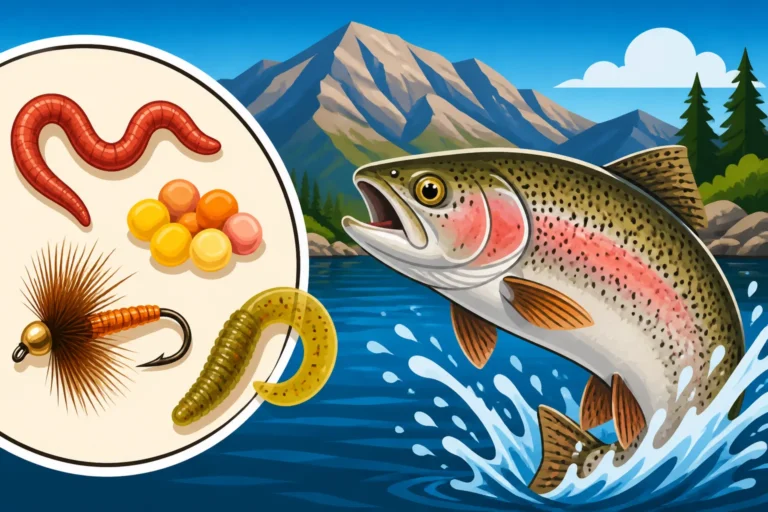
Topwater lures like poppers, walking baits, or buzzbaits can be incredibly effective in the dim light, creating a commotion on the surface that mimics a struggling baitfish. The visual of a fish exploding on a topwater lure at dawn is truly unforgettable. For baits that run subsurface, consider dark colors like black, blue, or purple. These colors create a distinct silhouette against the lighter sky or water surface, making them easier for fish to see in low light. Spinnerbaits with Colorado blades (which create more thumping vibration) or ChatterBaits are also excellent choices, as their movement and sound can draw fish in from a distance.
As the sun starts to brighten, you might transition to more natural colors or lures that mimic the local forage. But for that initial, crucial window, don't be afraid to go bold with your presentation. For How to Fish for Striped Bass in Nevada at Lake Mead, for example, a dark colored swimbait retrieved just below the surface can be irresistible during the pre-dawn hours. Many anglers find great success with these techniques. You can find a wide variety of these specialized lures and baits, like dark soft plastics or topwater plugs, on Amazon, making it easy to stock up before your next early morning adventure.
Adapting Your Approach as the Day Heats Up
While starting early is your best bet, the reality is that the sun will eventually rise, and the heat will begin to permeate the air and water. Being able to adapt your techniques as these conditions change is crucial for extending your success beyond the initial dawn bite.
Transitioning to Deeper Water and Shade
As the sun climbs and water temperatures increase, fish will invariably retreat from the shallows. Your primary goal then becomes finding cooler, more comfortable water where they are likely to congregate. This usually means shifting your focus to deeper parts of the lake or reservoir. Learning Summer Fishing Techniques for Hot Desert Lakes involves targeting submerged structures, deep ledges, drop-offs, and points that extend into deeper water.
For bass, this could mean moving from topwater lures to jigs, Carolina rigs, or drop-shot rigs presented along deep contours. For trout, they'll likely be suspended in the thermocline (the layer where warm surface water meets cooler deep water) or hugging the bottom in the deepest sections of the lake. Trolling with downriggers or weighted lines can be effective for targeting these deeper-dwelling trout. Additionally, actively seek out shade. This could be the shadow cast by a canyon wall, a large rock outcropping, or even artificial structures like docks and bridges. Fish will often stack up in these cooler, shaded zones, even if it's in relatively shallower water. The key is to be mobile and willing to experiment with different depths and locations until you find where the fish have retreated.
Maintaining Angler Comfort and Safety
While we're talking about the fish, let's not forget about ourselves! Fishing in hot Nevada weather, even in the early morning, can quickly become dangerous if you're not prepared. Hydration is non-negotiable; drink plenty of water, even if you don't feel thirsty, starting the night before. Electrolyte drinks can also be beneficial to replenish what you lose through sweat.
Sun protection is equally vital. Long-sleeved, lightweight, quick-drying shirts (often labeled UPF for sun protection factor) are a lifesaver, as are wide-brimmed hats and polarized sunglasses. Don't forget sunscreen, especially on any exposed skin. Look for products with high SPF ratings. You can find a fantastic selection of Best Sun Protection Gear for Desert Fishing, including comfortable performance shirts and wide-brimmed hats, on Amazon to keep you cool and protected. It's also important to know your limits. If you start feeling dizzy, nauseous, or excessively fatigued, it's time to pack it up and get somewhere cool. No fish is worth risking heatstroke. The best time to call it a day might be when the sun feels unbearable, usually by late morning or early afternoon, before you reach that critical point of discomfort.
Best Times to Fish: A Quick Reference
Understanding the general patterns of fish activity throughout a hot summer day can help you plan your outing for maximum effectiveness and comfort.
| Time of Day | Fish Activity Level | Typical Location | Recommended Techniques | Angler Comfort |
|---|---|---|---|---|
| Pre-Dawn (Blue Hour) | Highest | Shallower feeding flats, ambush points | Topwater, dark soft plastics, spinnerbaits | High |
| Sunrise (Golden Hour) | High | Shallower cover, edges of drop-offs | Topwater, shallow crankbaits, jigs | High |
| Morning (Post-Sunrise) | Moderate | Moving towards deeper water, shade | Deep diving lures, jigs, Carolina rigs | Moderate |
| Midday (Peak Heat) | Lowest | Deepest, coolest water, dense shade/cover | Finesse (drop-shot), bottom fishing, slow retrieves | Low |
| Late Afternoon | Low to Moderate | Similar to midday, sometimes brief shallow moves | Deeper presentations, patience | Moderate |
| Sunset | Moderate to High | Similar to sunrise, moving shallow to feed | Topwater, shallow crankbaits | High |
| Night (Post-Sunset) | High (for certain species) | Shallower flats, channels, open water | Scented baits, glow lures, slow retrieves | High |
This table highlights why the "How early to start fishing in hot weather" question is so important. That pre-dawn and sunrise window is truly golden. For certain species, like catfish and striped bass, the night bite can be incredibly productive, offering a cooler alternative to daytime fishing.
Specific Nevada Considerations for Hot Weather Fishing
Nevada is a diverse state, and what works in one area might not be the exact strategy for another. When it comes to hot weather fishing, understanding the nuances of different water bodies can make all the difference.
Urban Ponds vs. Large Reservoirs
The difference between fishing a small, urban pond and a massive body of water like Lake Mead Nevada Fishing Guide or Lake Mohave during hot weather is significant. Urban ponds, such as those you might find in Las Vegas at Floyd Lamb Park or Sunset Park, are typically shallower and have a much smaller volume of water. This means they heat up much faster and retain that heat throughout the night. For these ponds, starting exceptionally early, even before the first hint of light, is paramount. The fish, often stocked trout or panfish, will seek any available shade or slightly deeper pockets. Their active feeding window will be very short. After about an hour or two past sunrise, fishing can become extremely challenging as the water quickly becomes uncomfortably warm for most species.
Conversely, large reservoirs like Lake Mead, Lake Mohave, and Wildhorse Reservoir, with their immense depths and vast expanses, offer fish a much better refuge from the heat. While surface temperatures can still get very warm, the deeper water remains significantly cooler and more oxygenated. Fish here, like the How to Fish for Bass in Nevada or How to Fish for Striped Bass in Nevada, can simply retreat to deeper layers or move to cooler thermoclines. This means your early morning bite might last a bit longer, and you can transition to deep water techniques with more success through the late morning. You might not need to pack up and leave as early as you would at an urban pond, but your fishing strategy will need to adapt more dramatically to depth.
High Mountain Lakes: A Different Ballgame
Head up into Nevada's mountains, and you'll find a completely different environment for hot weather fishing. Lakes at higher elevations, such as those in the Ruby Mountains or near Lake Tahoe, benefit from cooler ambient air temperatures and generally have much colder water, even in the height of summer. This significantly extends the active feeding windows for trout and other cold-water species. While an early start is still advantageous for hitting the initial bite and enjoying the calmest conditions, it's not as critical for success as it is in the scorching low desert.
In these mountain lakes, fish may remain active closer to midday, especially in areas with natural springs or feeder creeks bringing in fresh, cold water. The challenge here might be less about escaping the heat and more about accessibility, as many high mountain lakes require a hike. However, if you're looking to escape the oppressive desert heat and enjoy some productive fishing for species like rainbow trout or even Mackinaw at Lake Tahoe, these higher elevation lakes offer a fantastic alternative. They still benefit from an early approach, but you generally have more flexibility throughout the morning.
When to Consider Night Fishing
Sometimes, despite your best early morning efforts, the heat is just too much, or the fish simply aren't cooperating during daylight hours. This is when Night Fishing Techniques for Striped Bass and catfish come into their own. For certain species, especially channel catfish and striped bass, night fishing can be incredibly productive and a much more comfortable experience for the angler.
Under the cover of darkness, water temperatures cool slightly, and predatory fish often move into shallower areas to feed more aggressively. The lack of boat traffic and bright sun can also make fish less wary. This is a popular strategy at Lake Mead for striped bass, where anglers will often chum with anchovies or use glow-in-the-dark lures. For catfish, stink baits or cut baits fished on the bottom in shallower coves can yield excellent results. While it requires different gear, like headlamps and glow sticks, and a heightened awareness of safety, night fishing offers a fantastic way to bypass the extreme heat altogether and still enjoy a rewarding angling experience in Nevada.
Disclaimer
Please be aware that fishing regulations, conditions, and fish stocking schedules can change. Always consult the most current regulations published by the Nevada Department of Wildlife (NDOW) before you head out. This guide provides general information and recommendations, but it is your responsibility to ensure compliance with all local and state laws. Stay safe and enjoy your time on the water!