How water level affects fishing at Lake Mead
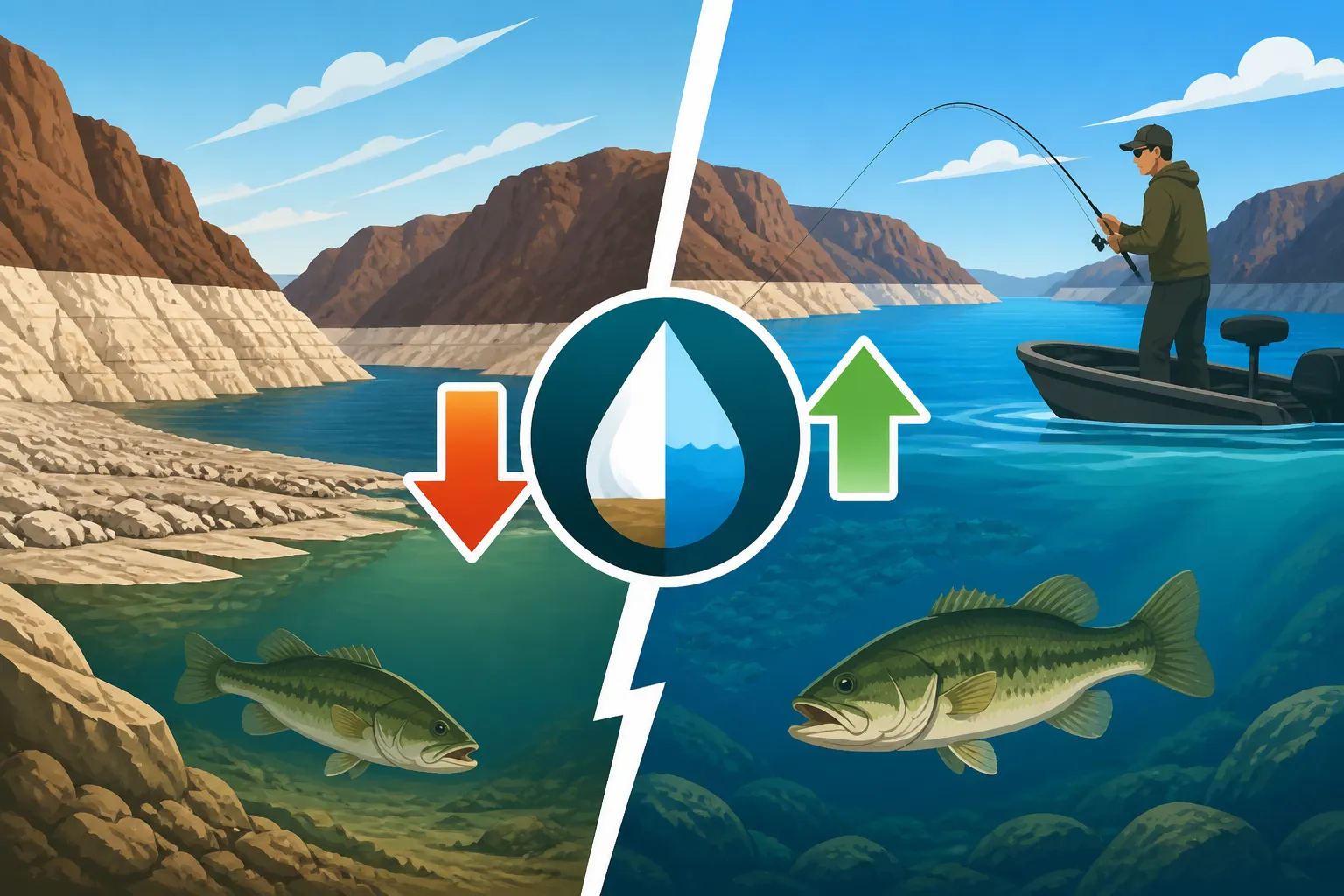
It can be incredibly frustrating to plan a fishing trip to a beloved spot like Lake Mead, only to arrive and find the water levels drastically different from your last visit, or even from what you expected. These constant fluctuations can completely change the landscape, hide or expose structure, and seemingly make all your tried-and-true spots disappear. This guide is here to help you understand precisely how Lake Mead's dynamic water levels impact fish behavior and habitat, and more importantly, how you can adapt your strategies to continue finding success on the water, no matter what the gauges say.
The Unpredictable Nature of Lake Mead's Water Levels
Lake Mead, a jewel in the Nevada desert, is as famous for its fluctuating water levels as it is for its incredible fishing opportunities. For anglers, this isn't just a number on a chart; it's a fundamental shift in the entire ecosystem that dictates where fish live, where they feed, and how accessible certain areas become. Understanding these movements is the first step to becoming a more adaptable and successful angler on this vast reservoir.
A Legacy of Fluctuation
Long before modern monitoring, water levels in natural river systems and large lakes have always changed due to seasonal snowmelt, rainfall, and drought. Lake Mead, as a man-made reservoir, amplifies these natural cycles with the added complexity of human management. It’s a dynamic, ever-changing environment, and while consistent levels might be nice for predictable fishing, that's rarely the reality here. What was once a submerged brush pile might now be a barren shore, or a deep channel could become a shallow flat. This constant evolution means that the "hot spot" you found last year might be completely different this season, forcing anglers to constantly re-evaluate and explore. It’s a challenge, for sure, but also an opportunity to discover new productive areas.
Anglers often lament the sight of shrinking shorelines and exposed bathtub rings, but these visible changes represent a monumental ecological shift below the surface. Fish that rely on specific depths or types of cover are forced to relocate, sometimes miles from their previous haunts. This constant state of flux means that historical fishing knowledge, while valuable, must always be viewed through the lens of current water conditions. The fish are always moving, and so must our strategies.
Sources of Water Level Change
The primary driver of Lake Mead's water level is the Colorado River, which feeds into the lake from distant Rocky Mountain snowpacks. The amount of snow that falls in Colorado, Wyoming, and Utah directly impacts the volume of water flowing downstream. Beyond natural precipitation, the Bureau of Reclamation manages these inflows and outflows, allocating water to Nevada, Arizona, California, and Mexico. Drought cycles, which have become more frequent and severe in recent decades, play a significant role in reducing the overall water available to the system.
In addition to inflow and outflow, evaporation rates are a massive, often overlooked factor, especially in a vast desert reservoir like Lake Mead. The intense Nevada sun and dry air can remove billions of gallons of water from the lake's surface each year. When you combine reduced inflows from upstream, substantial allocations for human use, and high evaporation, it creates the dramatic water level drops we often witness. This complex interplay of hydrology and human demand ensures that Lake Mead remains a challenging but endlessly fascinating place to fish, demanding that anglers stay informed and agile.
How Water Level Directly Shapes Fish Habitat
The rise and fall of Lake Mead's water directly dictates the availability and quality of fish habitat. As the water recedes, familiar landmarks transform, and new challenges—and sometimes new opportunities—arise for both fish and the anglers pursuing them. It's like the lake is constantly rearranging its furniture, and the fish have to find new comfortable spots.
Exposed Structures and New Cover
When Lake Mead's water levels drop, areas that were once submerged deep below the surface are often exposed, revealing old roadbeds, rock formations, and even forgotten structures that haven't seen the light of day in years. This process can be a double-edged sword for fishing. On one hand, it can destroy shallow water cover, like brush and emergent vegetation, that fish like bass relied on for shelter and ambush points. Suddenly, those fish are displaced and forced to seek new homes in deeper water.
However, receding water also concentrates fish into remaining deeper cover or exposes new hard structure like rock piles and ledges that were previously too deep to be effectively fished. These newly accessible deep-water structures can become prime holding areas for species like striped bass and even largemouth bass seeking refuge and ambush points. Anglers who take the time to study these exposed areas before the water covers them again can gain invaluable knowledge about the hidden topography of the lake, giving them an advantage when the water fluctuates again. It's about looking for the "last remaining cover" or the "first deep break."
Impact on Spawning Grounds and Forage Fish
Perhaps one of the most significant long-term impacts of fluctuating water levels is on fish spawning grounds and the delicate balance of forage fish populations. Many species, particularly largemouth and smallmouth bass, rely on specific shallow-water environments with ample cover for successful spawning. When water levels drop precipitously during the spring spawn, these critical areas can become exposed, leading to failed spawns, decimated nests, and reduced recruitment of young fish into the population. This directly affects future fishing prospects and the overall health of the fishery.
Furthermore, forage fish like shad also rely on certain depths and types of vegetation or structure for their own spawning and survival. If their habitat is disrupted, their populations can suffer, leading to a ripple effect up the food chain. Game fish like striped bass depend heavily on abundant baitfish. When water levels concentrate forage into smaller areas, it can create temporary feeding frenzies, but sustained low levels can stress and reduce overall baitfish numbers, making it harder for predators to thrive. Understanding these links is crucial for grasping the full impact of water level changes on Lake Mead's ecosystem.
Adapting Your Fishing Tactics to Changing Depths
Fishing Lake Mead when water levels are low requires a different mindset and approach than during periods of high water. What worked before might not work now, and the key to success lies in understanding how fish respond to these changes and adjusting your tactics accordingly.
Targeting Striped Bass in Lowered Waters
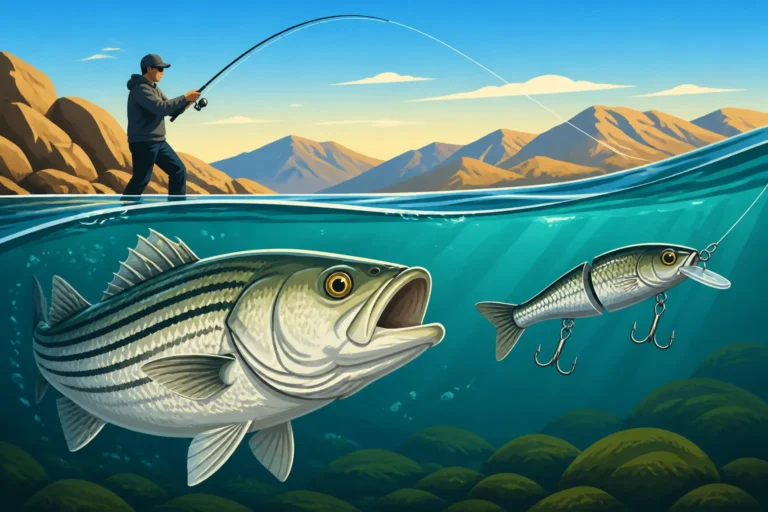
Striped bass are pelagic fish, meaning they typically roam open water, often following schools of baitfish like shad. In lower water conditions, these patterns can become more concentrated and predictable, yet also more challenging. With less overall water, stripers might be pushed into specific channels, deeper sections of the lake, or congregated around remaining prominent underwater structures. Your focus should shift to locating these concentrations of baitfish and the stripers that are likely feeding on them.
Vertical jigging with heavy spoons or blade baits, especially over deep structure or in main lake channels, can be incredibly effective. Anglers often employ their fish finders to mark schools of bait and stripers, then drop their lures directly into the feeding zone. Trolling deep-diving crankbaits or spoons at various depths can also cover a lot of water and help locate active schools. For those who enjoy live bait, chumming with cut anchovies can still draw stripers in, particularly if you're targeting areas where they are already known to congregate. Having a variety of lure types, easily found on platforms like Amazon, can make a huge difference in these conditions. To learn more about where these fish gather, check out our guide on Lake Mead Striped Bass Hotspots.
Locating Largemouth and Smallmouth Bass
Unlike stripers, bass tend to relate more to structure and cover. In low water conditions, many of the shallow brush piles, flooded trees, and submerged vegetation that once held bass might be completely exposed. This forces bass to relocate to deeper water or to the most accessible remaining cover. Anglers should focus their efforts on finding hard structure like rock ledges, steep drop-offs, deep points, and the edges of newly exposed humps. These areas provide both cover and access to deeper, more stable water.
Look for areas where submerged channels run close to shore, or where there's a quick transition from shallow to deep water. Using jigs, deep-diving crankbaits, or Texas-rigged soft plastics can be effective for probing these deeper, rockier zones. Slow presentations are often key, as bass may be less aggressive and more tucked into cover. Sometimes, what was once a deep-water point in high water might now be a mid-lake hump that concentrates fish. Our guide on Lake Mead Largemouth Bass Coves can help you identify areas that might still offer productive fishing, even with lower water levels, by focusing on deeper contours. You might also want to consult our general guide on Best Lures for Nevada Bass to ensure you have the right arsenal.
The Role of Sonar and Electronics
In a dynamic environment like Lake Mead with ever-changing water levels, a reliable fish finder isn't just a luxury; it's practically an essential tool. Low, clear water can make visual observation difficult, but your electronics can literally show you what's beneath the surface. Modern sonar units with side-imaging and down-imaging capabilities can reveal hidden rock piles, submerged trees, and subtle contour changes that are now critical holding areas for fish. They can also pinpoint schools of baitfish, which are often the key to finding predatory game fish.
Learning to interpret your sonar screen to identify structure, depth changes, and fish arches becomes paramount. You'll be able to see exactly where a drop-off begins, where brush is still submerged, or where a school of stripers is suspended in the water column. This technology allows you to effectively "read" the newly revealed underwater landscape and quickly eliminate unproductive water, saving you valuable fishing time. For a deeper dive into choosing the right equipment, see our recommendations in Best Fish Finder for Reservoir Fishing.
Navigating the Practical Challenges of Low Water
Beyond altering fish behavior, receding water levels at Lake Mead also present significant practical challenges for anglers, particularly regarding access and safe navigation. Ignoring these can lead to frustrating delays, damage to equipment, or even dangerous situations on the water.
Adjusting Boat Launches and Access Points
One of the most immediate and visible impacts of low water is on boat launch ramps. What was once a long, gradual ramp might now end abruptly, leaving a steep drop-off or exposed mud flats that make launching impossible for most boats. Many popular ramps might even be completely closed due, or require significant extensions, forcing anglers to seek alternative access points. This means checking current conditions before you head out is absolutely crucial. Websites and local bait shops often provide updates on which ramps are open and what the current conditions are like.
For those with smaller boats, kayaks, or canoes, low water might present new opportunities for hand-launching in areas that were previously inaccessible or too deep. However, even these small watercraft need to be launched carefully to avoid damaging hulls on newly exposed rocks or navigating through extremely shallow, silty areas. Always approach new or uncertain launch sites with caution, scouting the area on foot if possible, to ensure a safe entry and exit from the water. Consider reviewing Nevada Boat Registration and Titling Guide to ensure your vessel is compliant, regardless of where you launch.
Boating Safety in Unfamiliar Waters
As water levels drop, areas that were once safe to navigate can become treacherous overnight. Submerged rocks, old foundations, and hidden sandbars that were previously deep below the surface can suddenly become prop-killers or even cause serious damage to your hull. It’s a bit like driving on a familiar road where someone has randomly added new potholes. This demands a heightened sense of awareness and a significant reduction in speed, especially when traversing areas you haven't fished in low water before.
Always operate your boat with extreme caution, particularly in coves, near points, or when moving into areas where the depth changes rapidly. Rely on your depth finder, GPS charts (which might not be entirely accurate for extremely low historical levels, so proceed with caution), and visual cues. Look for changes in water color, ripples, or shadows that might indicate shallow areas or submerged hazards. Prioritizing safety over speed is paramount when navigating Lake Mead's ever-changing landscape. Ensure you have all the necessary items listed in Essential Safety Gear for Boating on Lake Mead before setting out.
Shoreline Fishing Opportunities and Obstacles
Low water levels can dramatically change the experience for bank anglers. On one hand, vast mud flats or newly exposed rock formations might mean a longer, more arduous walk from your vehicle to the actual water's edge. What was once a short stroll to a promising point might now be a half-mile trek over uneven, sun-baked ground. This necessitates carrying lighter gear, comfortable walking shoes, and plenty of water.
Conversely, receding water can also reveal new, accessible shoreline structure that was previously too deep for casting from the bank. Exposed rock piles, deeper cuts, or the edges of old creek channels might suddenly become prime bank fishing spots, concentrating fish closer to shore. It's all about scouting. Take the time to walk the newly exposed shoreline, observe the contours, and look for any promising changes in depth or cover that the water is still touching. These new formations can offer some fantastic opportunities, provided you're prepared for the hike.
Essential Gear and Preparedness for Dynamic Conditions
Fishing in a massive, open, and ever-changing body of water like Lake Mead demands thoughtful gear selection and a strong emphasis on personal preparedness. The desert environment, combined with fluctuating water levels, presents unique challenges that your equipment needs to be ready for.
Selecting the Right Rods and Reels
Versatility is the name of the game when choosing rods and reels for Lake Mead. You'll want a setup that can handle powerful striped bass while still being sensitive enough to detect subtle bites from wary largemouth or smallmouth. A medium-heavy to heavy action spinning or baitcasting rod, typically in the 7 to 7'6" range, often strikes a good balance. This length allows for long casts from shore or boat, and the power provides the necessary backbone to fight larger fish and throw heavier baits.
Pair your rod with a reliable reel that has a smooth drag system and ample line capacity. For line, many anglers opt for a braided main line (often 30-50 lb test for stripers, 15-30 lb for bass) for its sensitivity and strength, paired with a fluorocarbon leader (10-25 lb test) for abrasion resistance and invisibility in Lake Mead's often clear waters. Having extra spools or even a second rod setup, perhaps a lighter one for finesse presentations, can be a lifesaver when conditions change unexpectedly. Dive deeper into line choices with our guide on Best Line for Desert Reservoir Fishing.
Sun Protection and Hydration
Fishing Lake Mead means prolonged exposure to the intense Nevada sun, especially with wide-open spaces and little natural shade due to lower water levels. This isn't just about comfort; it's about safety. Prioritizing sun protection and hydration is non-negotiable for any angler venturing out onto this reservoir. You'll want a wide-brimmed hat that offers full facial and neck coverage, quality polarized sunglasses to cut through glare and spot submerged structures, and UV-protective clothing. Long-sleeved shirts made from breathable, sun-blocking fabrics are a game-changer.
Equally important is staying hydrated. Carry significantly more water than you think you'll need, especially during warmer months. Dehydration can creep up quickly in the desert, impairing judgment and ruining a fishing trip. Consider bringing a cooler dedicated just for drinks and ice. Many of these essential items can be easily found and purchased on platforms like Amazon, ensuring you're fully prepared before you hit the water. For more tips on battling the heat, check out Summer Fishing Techniques for Hot Desert Lakes.
Adaptable Tackle Boxes
With water levels constantly shifting, the fish's preferred depths and feeding patterns can change day by day. This means your tackle box needs to be as adaptable as your strategy. Don't go out with just one type of lure. Instead, pack a versatile array of options that can cover various depths and presentations. For bass, include deep-diving crankbaits to probe submerged structure, jigs for vertical presentations, and a variety of soft plastics for finesse fishing.
For striped bass, heavy spoons, swimbaits, and umbrella rigs are often go-to choices, along with terminal tackle for bait fishing if that's your preferred method. Always have a good selection of hooks, weights, swivels, and leader material on hand. Being able to quickly switch techniques or target different depths without having to run back to your vehicle or boat dock is crucial for maximizing your time on the water. A well-stocked, organized tackle box is your best friend on Lake Mead. Consider a larger, multi-compartment tackle box, easily available on Amazon, to accommodate this diversity.
| Feature | High Water Conditions | Low Water Conditions |
|---|---|---|
| Fish Habitat | Abundant shallow cover (brush, vegetation), widespread habitat. | Concentrated fish in deeper channels, exposed hard structure. |
| Spawning | Expansive shallow spawning grounds. | Reduced, disrupted, or exposed spawning areas. |
| Baitfish | Dispersed, wide-ranging schools. | Concentrated in deeper zones, potential for stress. |
| Access | All boat ramps typically open, easy shoreline access. | Limited open ramps, long walks to water, new hazards. |
| Navigation | Fewer submerged hazards, familiar routes. | Increased hidden dangers, uncharted obstacles. |
| Bass Location | Shallow cover, flooded timber, weed lines. | Deep rock ledges, steep drop-offs, remaining deep cover. |
| Striper Location | Wide-ranging, follow open water bait. | Concentrated in main channels, prominent deep structures. |
| Recommended Gear | Versatile setups, topwater lures, shallow crankbaits. | Heavy jigs, deep-diving crankbaits, sonar-focused tackle. |
| Strategy | Covering water, targeting visible cover. | Slow, methodical search for structure, reliance on electronics. |
Disclaimer
This article is for general informational purposes only and does not constitute professional advice. Laws, prices and regulations vary by location and change over time. Consult a qualified professional for guidance on your specific situation.