Best salmon egg technique for rainbow trout
There’s nothing quite as frustrating as showing up to your favorite Nevada fishing spot, fully equipped with what you think is the perfect bait – like a jar of those vibrant salmon eggs – only to watch other anglers reel in trout while your line stays stubbornly still. It can feel like a secret handshake you’re not privy to, leaving you wondering if you're holding the eggs wrong, rigging them incorrectly, or just fishing in the wrong spot entirely. This guide is here to unravel those mysteries, helping you master the art of using salmon eggs to consistently entice rainbow trout across Nevada’s diverse waters.
Understanding Rainbow Trout and Salmon Eggs
Before we dive into the nitty-gritty of techniques, it's crucial to understand why salmon eggs are such a potent bait for rainbow trout. It's not just a random coincidence; there's a biological reason these little spheres are so effective.
Why Rainbow Trout Love Salmon Eggs
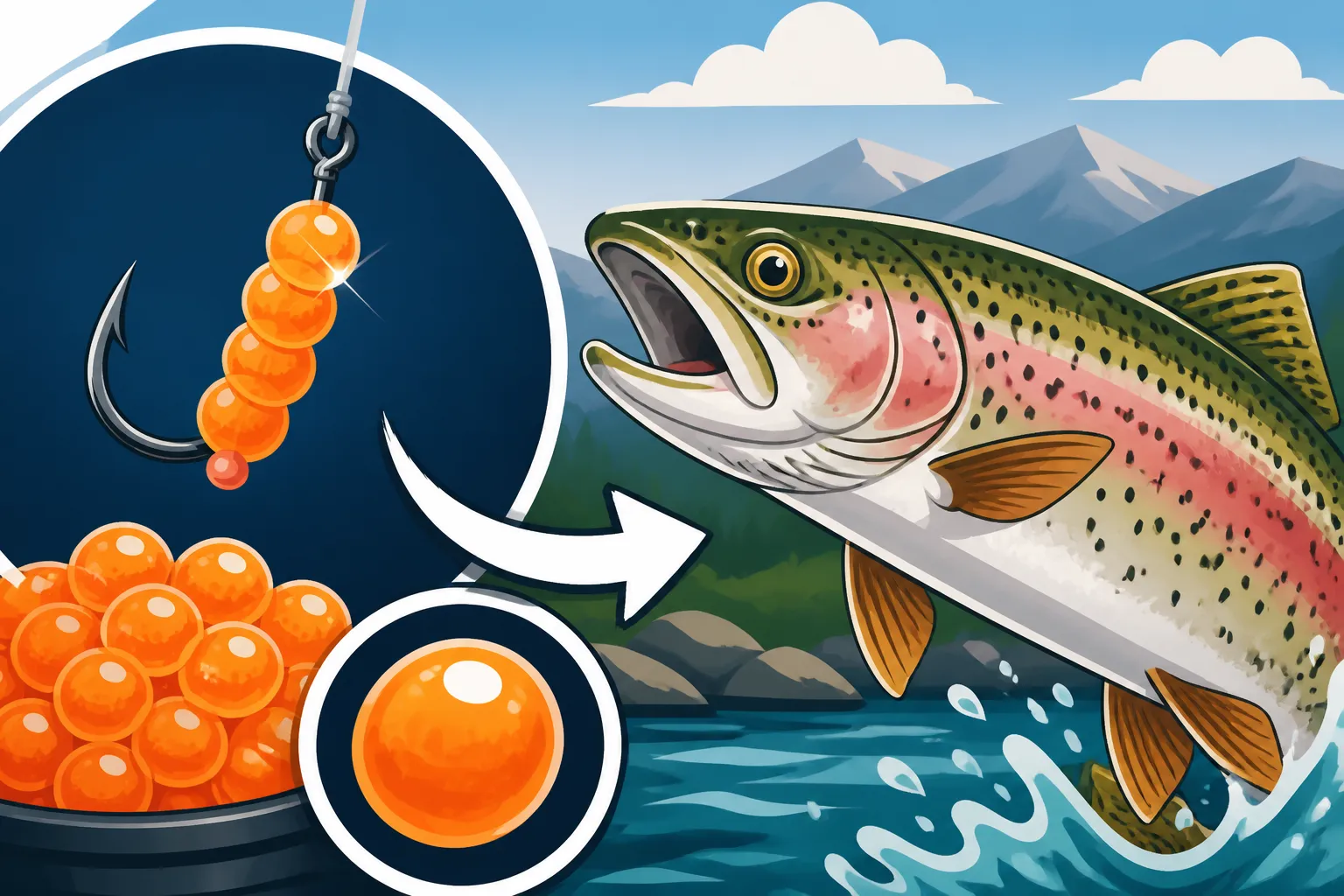
Think about a trout's natural environment. In many of the colder, clearer waters where trout thrive, salmon and other trout species are spawning, especially in feeder streams or during certain times of the year. During these spawning events, eggs are naturally dislodged and drift downstream, becoming an irresistible, high-protein snack for opportunistic trout. Rainbow trout are particularly keen on these easy meals.
What makes a salmon egg so appealing? First, there's the color. The bright oranges and reds mimic the natural roe that trout encounter. Then there's the scent, which is incredibly powerful and something trout can detect from a good distance, even in moving water. Finally, their soft texture makes them easy for a trout to mouth and swallow, often leading to a more confident bite than with harder, more artificial lures. It’s a complete package of sensory triggers for a hungry trout.
The Importance of Freshness and Scent
Just like us, trout prefer their food fresh and flavorful. While you might be tempted to just grab any old jar of salmon eggs from the back of your tackle box, the freshness and integrity of the scent are paramount. Natural salmon eggs, if you can get them, have the most potent allure. However, commercially prepared salmon eggs are also highly effective, but their scent and softness can degrade over time or if exposed to air.
Always ensure your jar of salmon eggs is sealed tightly when not in use. Store them in a cool, dark place, and if you’re out on a hot Nevada summer day, keeping them in a cooler with ice can help preserve their potency. Some anglers even add a drop of a liquid scent enhancer to their eggs to give them an extra kick, especially if they suspect their bait might be past its prime. The goal is to present an egg that smells and feels as natural and enticing as possible to a discerning trout.
Types of Salmon Eggs for Fishing
When you walk into a sporting goods store or browse fishing supplies on platforms like Amazon, you'll notice a bewildering array of salmon eggs. Don't worry, it's not as complicated as it seems.
- Natural Cured Eggs: These are whole salmon eggs that have been treated with a curing agent, often with added dyes and scents. They maintain a natural appearance and scent profile and are very popular. Brands often offer "clusters" or single eggs.
- Scented/Treated Eggs: Many commercially available eggs are heavily scented with attractants like anise, garlic, or a proprietary fish scent. These are designed to maximize the sensory appeal to trout and can be incredibly effective, especially in stained or murky waters where visual cues are reduced.
- Glow Eggs: Some eggs are infused with glowing properties, which can be fantastic in low-light conditions, deep water, or on overcast days. While perhaps less "natural," the visual novelty can sometimes trigger strikes when traditional eggs don't.
- Plastic/Artificial Eggs: These aren't salmon eggs per se, but they mimic them in shape and color. Often used in combination with natural bait or scent, they offer durability but lack the natural texture and biodegradable scent trail of real eggs. For the purposes of this guide, we're focusing on the real deal, or at least the best commercially prepared versions.
Understanding these types allows you to choose the best option for your specific fishing conditions and target trout species.
Essential Gear for Salmon Egg Success
You might think using salmon eggs is as simple as putting one on a hook, but having the right supporting gear makes all the difference. It ensures your presentation is natural, your bite detection is keen, and you have the best chance of landing that rainbow trout.
Rod, Reel, and Line Selection
For fishing with salmon eggs, especially when targeting wary trout, sensitivity is key. You're usually dealing with light bites, and you want to feel every little tap.
- Rod: A light to ultralight action spinning rod, typically 5 to 7 feet in length, is ideal. The softer tip allows the trout to take the bait without feeling too much resistance, and the sensitive blank transmits even the subtlest bites to your hand. A good quality graphite rod will offer the best feel.
- Reel: Pair your rod with a small, smooth spinning reel. A 1000 or 2000 series reel is usually plenty. Ensure it has a smooth drag system, as even a modest rainbow can snap light line if the drag isn't set correctly. Many anglers find great deals on these types of spinning reels for trout fishing on Amazon.
- Line: This is crucial. Use a light monofilament or fluorocarbon line, typically 2 to 4 lb test. Monofilament has some stretch, which can be forgiving, while fluorocarbon is virtually invisible underwater and incredibly sensitive. Some anglers prefer a very thin braided line with a fluorocarbon leader for maximum sensitivity and casting distance, especially when fly fishing. Check out this guide on Best line weight for trout fishing to dive deeper. The thinner the line, the less visible it is to the trout, and the more natural your bait presentation will be.
Hook, Sinker, and Swivel Choices
These small components play a huge role in how your salmon egg rig performs.
- Hooks: Size matters significantly. You want a small, sharp hook that can be almost completely hidden by the salmon egg. Treble hooks are generally too large and will damage the delicate egg. Opt for single hooks, typically a size 10 to 14, in a baitholder or Aberdeen style. Baitholder hooks have small barbs on the shank to help keep the egg in place, while Aberdeen hooks are thin and don't tear the egg as much. The key is to barely pierce the egg, allowing it to remain mostly intact and juicy.
- Sinkers: Rainbow trout are often found in relatively shallow water or suspended, so heavy sinkers are usually unnecessary and counterproductive. Small split shot weights are your best friend. Start with one or two small split shot (e.g., #7 or #5) placed about 6-12 inches above your hook. The goal is just enough weight to get your egg down to the desired depth and to provide a natural drift, not to anchor it to the bottom. In very light currents, you might not need any weight at all.
- Swivels: While not always necessary for a basic free-drift rig, a small barrel swivel can be beneficial when using a leader. It helps prevent line twist, especially if you're retrieving your line often or if your bait is spinning slightly in the current. Choose the smallest swivel you can find, as large swivels can spook fish.
Other Helpful Accessories
Beyond the basics, a few other items can significantly enhance your salmon egg fishing experience:
- Bobbers/Indicators: For visual strike detection, especially in still or slow-moving water, a small slip bobber or fixed bobber is invaluable. It helps you control your depth and immediately alerts you to a bite. Learning How to fish for trout with a bobber is a game-changer for many anglers.
- Forceps or Pliers: Trout have small mouths, and those tiny hooks can be tricky to remove. Forceps make unhooking much easier and safer for both you and the fish, especially if you plan on catch-and-release.
- Cooler: As mentioned earlier, keeping your salmon eggs cool helps preserve their scent and texture. A small personal cooler is also great for keeping any harvested trout fresh on a hot day.
- Landing Net: A small, fine-mesh landing net can help you safely land trout, especially when using light line and small hooks. It reduces the chance of losing a fish right at the bank or boat.
- Sun Protection: Always remember your hat, sunglasses, and sunscreen when fishing in Nevada! The desert sun can be brutal.
Having these items ready will not only make your trip more comfortable but also more successful. For more general advice on what to bring, check out this comprehensive guide on Best tackle for Nevada Trout Fishing.
Top Salmon Egg Rigs and Techniques
Now that you're geared up, let's talk about how to present those juicy salmon eggs to maximize your chances of success. The key across all these methods is natural presentation.
The Simple Free-Drift Rig
This is arguably the most common and often the most effective way to fish salmon eggs, especially in rivers, streams, or when trout are actively feeding in the water column. It mimics a naturally drifting egg, which is exactly what trout are looking for.
To set up a free-drift rig:
- Tie your small hook (size 10-14) directly to your mainline or to a short fluorocarbon leader (12-24 inches) attached to your mainline with a small swivel.
- Crimp one or two small split shot weights about 6 to 12 inches above the hook. Adjust the number and size of split shot based on current speed and desired depth. You want just enough weight to get the egg down but allow it to drift naturally.
- Carefully thread a single salmon egg onto the hook, just barely piercing its skin so the hook point is covered, but the egg remains mostly intact. You want it to look as natural as possible.
- Cast upstream and let the egg drift downstream naturally with the current. Keep your line relatively taut to feel bites, but not so tight that it pulls the egg out of the natural current lane. Watch your line for any twitch, stop, or unnatural movement – that's often a bite.
This method is fantastic in moving water, allowing your bait to cover a lot of ground and reach trout that might be holding in various pockets and eddies. If you're tackling moving water, you might find this article on How to fish for trout in a fast-moving river helpful.
The Slip Bobber Rig
When trout are suspended at a specific depth, or in still water environments like many of Nevada's urban ponds and reservoirs, a slip bobber rig offers excellent depth control and strike indication.
Here’s how to set it up:
- Start by sliding a small bobber stop (usually a piece of string or rubber tubing) onto your main line, followed by a small bead. This stop is adjustable and will determine the depth your bait fishes.
- Next, thread your slip bobber onto the line. These bobbers have a hole through the middle, allowing the line to slide freely until it hits the bobber stop.
- Attach a small barrel swivel below the bobber.
- Tie a 12 to 24-inch fluorocarbon leader to the other end of the swivel.
- Crimp one or two small split shot weights onto the leader, 6-12 inches above your hook. Again, just enough weight to sink the egg.
- Attach your salmon egg to the hook as described above.
With this rig, you can easily adjust the bobber stop to set your bait at any desired depth, from just below the surface to several feet down. The bobber provides a clear visual cue for bites – any dip, movement, or disappearance signals a fish. This is especially effective in still waters or when fish are holding at a precise depth. For specific tips on fishing urban ponds, check out the Nevada Urban Pond Fishing Rules.
Bottom Bouncing with Salmon Eggs
Sometimes trout are hugging the bottom, perhaps in deeper pools or slower stretches of a river. This is where a bottom-bouncing rig can come in handy. It’s a more active way to fish, allowing you to cover ground while keeping your bait near the bottom.
To rig for bottom bouncing:
- Attach a three-way swivel to your main line.
- To one eye of the swivel, tie a short leader (6-12 inches) with a pyramid or bell sinker heavy enough to hold bottom in the current you’re fishing.
- To another eye, tie a longer leader (18-36 inches) of light fluorocarbon, with your small salmon egg hook at the end.
- Attach your salmon egg to the hook.
Cast this rig out, and let the sinker bounce or drag along the bottom. The longer leader allows your salmon egg to flutter and drift naturally just above the bottom, where trout might be looking for food. This technique works well in rivers and even some reservoir settings where fish are feeding near the lakebed. It’s also effective when targeting larger trout that tend to hold deeper.
Reading the Water and Presentation Tips
Having the right gear and rig is only half the battle. Knowing where to cast and how to present your salmon egg effectively is what separates a good angler from a great one.
Locating Trout with Salmon Eggs
You can have the perfect bait, but if you’re not putting it in front of the fish, you won’t catch anything. Rainbow trout, whether wild or stocked, tend to hold in certain types of areas.
- Structure: Look for underwater structures like submerged logs, rock piles, drop-offs, or weed lines. Trout use these as ambush points or for cover from predators and current.
- Current Breaks: In rivers and streams, trout conserve energy by holding just out of the main current, in seams or eddies, where food is swept to them. Cast your salmon egg to drift into these slack water areas.
- Depth: Trout will move up and down in the water column depending on light conditions, water temperature, and food availability. In cooler mornings or evenings, they might be shallower. Mid-day in hot weather, they'll often retreat to deeper, cooler water. Adjust your slip bobber or the amount of weight on your free-drift rig to match their depth. During different times of year, trout will be at different depths; knowing How to catch trout in hot summer water can be especially useful for Nevada's warm days.
- Stocked Ponds: For urban ponds in Nevada, trout are often freshly stocked. They might be disoriented at first, then settle into predictable patterns near aeration pumps, shaded areas, or deeper sections. Check the Nevada Trout Stocking Schedule for your local pond to know when fresh fish are available. The best time to fish after stocking is often within the first few days, as the trout are still actively feeding and less wary.
Fine-Tuning Your Presentation
Once you’ve identified a likely spot, your presentation can make or break your success.
- Casting: Make accurate casts, trying to land your rig gently to avoid spooking fish. In rivers, cast slightly upstream of your target area to allow the bait to sink and drift naturally into the strike zone.
- Drift: The goal is a completely natural drift. Your salmon egg should tumble or float along as if it were a natural food item dislodged from the bottom. Avoid "dragging" the bait against the current, as this looks unnatural.
- Retrieve: In still water, a very slow, almost imperceptible retrieve can sometimes entice a bite, making the egg look like it's slowly sinking. However, often just letting it sit or drift is best.
- Detecting Bites: This is where that sensitive rod and light line come in. Watch your line closely for any twitch, pause, or unnatural movement. If using a bobber, any dip, sideways movement, or sudden disappearance calls for a hookset. With a free-drift rig, you'll feel a subtle tap or resistance. Don't wait too long; trout can spit out a bait quickly if they feel resistance.
- Hookset: When you detect a bite, use a quick, firm, but not overpowering, upward or sideways sweep of your rod. Remember you're using light line and small hooks, so a gentle set is usually all that's needed.
Adjusting for Nevada's Diverse Waters
Nevada's fishing landscape is incredibly varied, from high mountain lakes to scorching desert reservoirs and urban ponds. Your salmon egg technique will need slight adjustments based on these conditions.
- High Mountain Lakes & Streams: These waters are often crystal clear. This means your presentation needs to be even more subtle. Use lighter line (2lb test) and smaller split shot. Trout here can be incredibly wary.
- Desert Reservoirs (e.g., Lake Mead, Lake Mohave): These can be vast, and trout might be deeper or spread out. Trolling with salmon eggs behind a dodger or flasher can cover more water, or using a slip bobber in deeper coves. Water clarity can vary, so sometimes a more vibrant, scented egg is beneficial.
- Urban Ponds (e.g., Floyd Lamb Park, Sunset Park): These ponds are typically stocked frequently, especially during cooler months. The trout here might be less wary but also under more fishing pressure. The slip bobber rig is often king in these settings, as fish are frequently suspended. The Nevada Urban Pond Fishing Guide offers great insights into these specific locations. Always check the Nevada Trout Daily Limit Rules for specific water bodies to ensure you're compliant.
Common Mistakes and Troubleshooting
Even experienced anglers make mistakes, and using salmon eggs is no exception. Understanding these common pitfalls can save you a lot of frustration and lead to more successful outings.
Using the Wrong Gear
It's easy to think "a fishing rod is a fishing rod," but for delicate bait like salmon eggs and cautious fish like trout, your gear choices are critical.
- Too Heavy of a Rod/Line: Using a medium or heavy action rod designed for bass or catfish will make it incredibly difficult to feel the subtle taps of a trout mouthing a salmon egg. The stiff tip won't load properly, and you'll likely miss most bites. Similarly, line that's too heavy (e.g., 8-10 lb test) is much more visible to the trout and can impede the natural drift of your small egg, making it look unnatural.
- Oversized Hooks/Sinkers: A hook that's too big will not only be difficult to hide within the salmon egg but also make the trout wary. They might mouth the egg and feel the hook, spitting it out before you even realize. Too much weight will pin your bait to the bottom or make it drag unnaturally, again, not mimicking a free-floating egg.
- Lack of Sensitivity: If you can't feel the light bites, you can't set the hook. Investing in a good quality, sensitive rod and using appropriate line, as discussed in Best line weight for trout fishing, will drastically improve your bite detection. Don't underestimate the impact of tiny gear choices on big results.
Improper Bait Presentation
This is probably the most common mistake and the one that anglers often overlook, assuming the bait itself will do all the work.
- Unnatural Drift: Whether you're in a river or a still pond, your salmon egg needs to look like it's part of the environment, not being yanked around. In rivers, this means mending your line to avoid drag, allowing the current to carry the bait naturally. In still water, avoid constant twitching or pulling unless you're intentionally experimenting with a subtle retrieve. A natural drift is paramount, especially when trout are finicky.
- Exposed Hook: If too much of your hook is exposed, the trout will see it, feel it, and often reject the bait. Take the time to carefully thread the egg onto the hook, ensuring the point is just barely covered or nestled inside. Sometimes, using two very small eggs can help conceal the hook better.
- Stale or Dried Out Eggs: The scent and softness of the salmon egg are its primary attractors. If your eggs have dried out from being left open in the sun, or if they're simply old and lost their potency, trout will pass them up. Always check the freshness and texture. If they feel hard or lack that characteristic smell, it’s time to get a new jar. You can often find fresh stock of quality salmon eggs on Amazon.
Overlooking Environmental Factors
Fishing is as much about understanding the environment as it is about the fish. Ignoring environmental cues can lead to a frustrating day.
- Water Temperature and Clarity: Trout are cold-water fish. In warmer summer months, they'll retreat to deeper, cooler water. Your salmon egg needs to be presented at their depth. Conversely, in cold water, their metabolism slows, and they might be less aggressive. Water clarity also dictates how visible your line and bait are. In clear water, be extra subtle; in murkier conditions, brighter, more scented eggs can be beneficial. Learning Best time of day to fish in summer heat can give you an edge.
- Time of Day and Weather: Trout often feed most actively during dawn and dusk, or on overcast days when light penetration is lower. Extreme bright sunlight can push them deeper or into shaded areas. Adjust your fishing times and locations accordingly.
- Fishing Pressure: In popular spots, especially urban ponds after a stocking event, trout can become "pressured" – meaning they've seen a lot of lures and baits and are warier. This is when the most natural, subtle presentation with fresh salmon eggs is absolutely essential. Consider fishing less crowded areas or trying different times of day. Remember, sometimes a simple approach is the best approach, but it must be done flawlessly under pressure. For further insights on live bait versus artificial lures, check out Live Bait versus Artificial Lures for Trout.
By being mindful of your gear, presentation, and the conditions around you, you’ll unlock the full potential of salmon eggs for rainbow trout fishing in Nevada.
| Rig Type | Best Use Case | Pros | Cons | Key Gear |
|---|---|---|---|---|
| Free-Drift Rig | Rivers, streams, moving water, shallow areas | Natural presentation, covers wide area | Harder to detect subtle bites, depth control limited | Small hook, split shot |
| Slip Bobber Rig | Still water, specific depths, urban ponds | Excellent depth control, clear bite visual | Limited mobility, can be affected by wind | Slip bobber, bobber stop, swivel, split shot, small hook |
| Bottom Bouncing | Deeper pools, slower currents, bottom feeders | Targets bottom-holding trout, covers ground | Can snag on bottom, less natural drift than free-drift | Three-way swivel, heavy sinker, long leader, small hook |
Disclaimer
This article is for general informational purposes only and does not constitute professional advice. Laws, prices and regulations vary by location and change over time. Consult a qualified professional for guidance on your specific situation.