How to fish high mountain lakes after ice-out
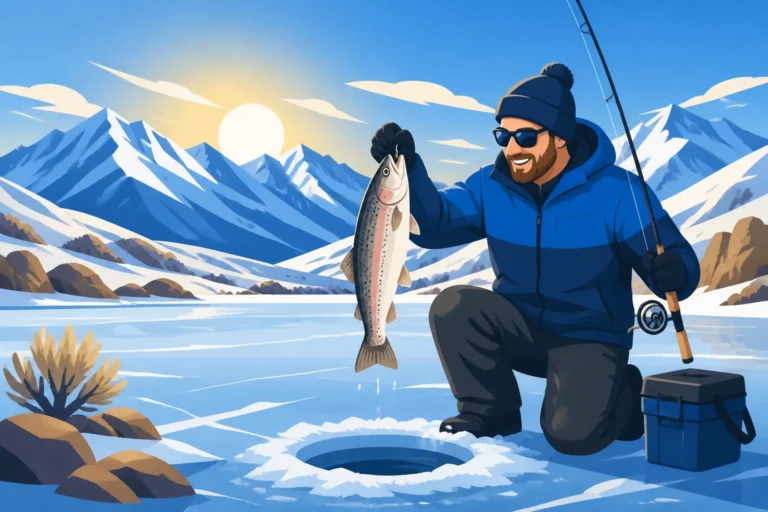
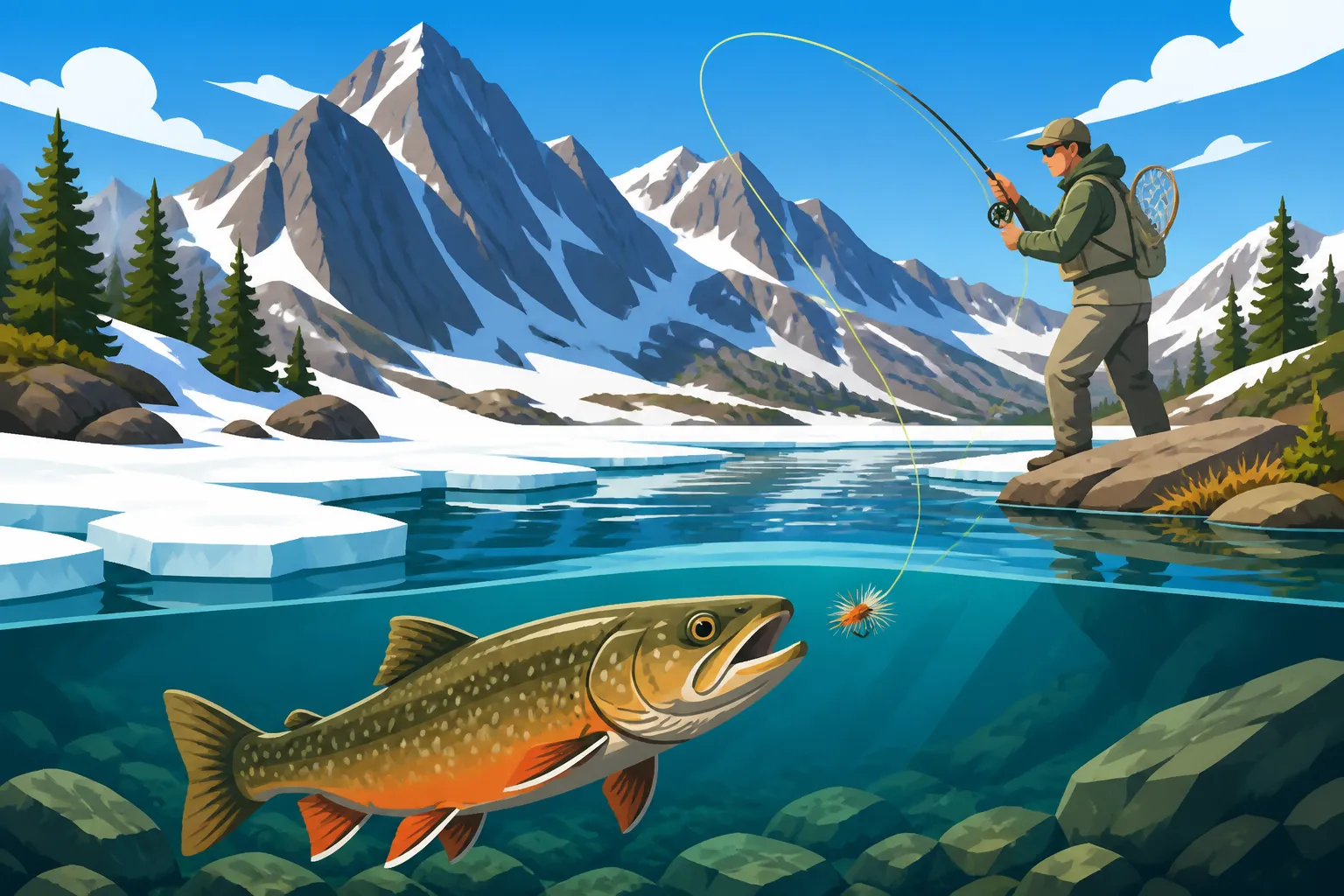
There's nothing quite like the allure of those crystal-clear, high mountain lakes in Nevada. You dream of the serene beauty, the crisp air, and the thrill of pulling a wild trout from waters that have been locked under ice for months. But let's be honest, that dream can quickly turn into a frustrating reality if you hike all that way right after the ice melts, only to find the fish are nowhere to be seen or simply aren't biting your usual go-to lures. It’s a completely different ballgame up there when the ice first gives way, and knowing how to approach it can make all the difference between a memorable trip and a strenuous blank. This guide is here to equip you with the knowledge and strategies to successfully navigate the unique challenges of fishing high mountain lakes in Nevada right after the ice-out.
Understanding Ice-Out Conditions and Fish Behavior
The ice-out period in high mountain lakes is a truly transformative time. It’s not just about the ice disappearing; it’s about a complete shift in the aquatic ecosystem that directly impacts where fish are, what they’re eating, and how active they might be. Understanding these changes is your first step to unlocking a successful fishing trip. These lakes, often tucked away in stunning ranges like the Ruby Mountains or the Sierra Nevadas, behave differently than their lower-elevation counterparts.
Water Temperature and Oxygen Levels
When the ice first melts, the water in these high mountain lakes is absolutely frigid. We're talking barely above freezing in many cases. But here’s the interesting part: this melting ice, along with spring snowmelt, introduces a rush of fresh, highly oxygenated water into the lake. This creates a fascinating dynamic. Trout, being cold-water fish, appreciate the chill, but they also seek out areas with good oxygen. Initially, the lake might be undergoing a "turnover," where the colder, denser surface water sinks and mixes with the deeper water. This can temporarily spread fish out.
As the days warm, even slightly, the shallowest areas of the lake—like coves, rocky shelves, and inlet zones where streams flow in—will be the first to absorb solar radiation. Even a small rise of a few degrees can make a huge difference to a trout. These warmer, well-oxygenated zones become prime real estate for fish looking for both comfort and food. Don't waste your energy casting into the middle of the deepest, coldest part of the lake right away; focus on the edges and inflows where conditions are more favorable.
Food Sources and Fish Location
For months, fish under the ice have been in a state of reduced metabolism, relying on limited food sources and their fat reserves. When ice-out occurs, it's like a grand buffet is slowly being set up. Initial food sources can be scarce, but anything that was trapped under the ice—aquatic insects, small crustaceans, or even terrestrial insects that fell in—becomes fair game. The melting ice also stirs up the lake bottom, dislodging invertebrates.
Trout will instinctively move towards these emerging food sources. This means they often patrol the shallow edges, especially near submerged structure like rocks, logs, or weed beds (if any have started to grow). Inlets are absolute hotspots because they not only bring in warmer, oxygenated water but also a steady flow of nutrients and dislodged bugs from upstream. Think of it like a conveyor belt of food. Fish won't expend a ton of energy chasing fast-moving prey when they're still recovering from winter, so slow-moving or stationary offerings can be very effective. This is a time when the fish are opportunistic, but not necessarily aggressive. Best Time of Year to Fish in Nevada can help you generally plan for warmer periods, but ice-out is a unique window.
Timing Your Trip for Optimal Conditions
Timing is truly everything for ice-out fishing in high mountain lakes. You want to hit that sweet spot: when the ice has just fully receded, but before the massive influx of summer crowds and significantly warmer water pushes the fish deeper. This window is notoriously fickle and can vary wildly from year to year, and even from lake to lake within the same region. A general rule of thumb is late spring to early summer, but checking local conditions and talking to people who frequent these areas is crucial.
The Nevada Department of Wildlife (NDOW) often provides updates, or you can check trail reports for higher elevations. A cold, snowy spring can delay ice-out significantly, while a mild one might bring it early. You also need to consider accessibility. Many high mountain lakes require extensive hiking, and trails might still be snow-covered or muddy even after the lake itself is clear. Planning a trip for early June might mean perfect fishing conditions at a 9,000-foot lake, but an earlier or later visit could lead to disappointing results or impassable trails. For more generalized planning, understanding Nevada Trout Season Dates is a good start, but remember these high-elevation spots have their own micro-seasons. You'll often find that the very latest of the Nevada mountain lake ice-out timing will yield the most energetic fish once they've had a chance to shake off their winter lethargy.
Essential Gear for High Mountain Lake Fishing
Fishing remote high mountain lakes right after ice-out isn't like casting a line at your local urban pond. The conditions can be challenging, the hike in arduous, and the weather unpredictable. Having the right gear isn't just about comfort; it's about safety and success. You'll need to prioritize lightweight, durable, and versatile equipment.
Rods, Reels, and Line for High Altitude
For rods, think versatile and packable. A lightweight, medium-light action spinning rod between 5.5 and 7 feet is usually ideal. It’s long enough for decent casts from shore but manageable in tight spaces or while navigating brush. Many anglers opt for multi-piece travel rods that can easily fit into a backpack, saving you the hassle of carrying a full-length rod through dense terrain. Brands like Ugly Stik or even some of the travel rod kits you can find on Amazon offer great durability without breaking the bank.
Pair this with a small, reliable spinning reel (size 1000 or 2000) spooled with 4-6 pound test monofilament or fluorocarbon line. Monofilament offers a bit of stretch for fighting fish and is forgiving, while fluorocarbon is nearly invisible in clear water and has less stretch for better sensitivity. Braided line can also be a good option for its strength and casting distance, especially with a fluorocarbon leader for stealth. The clear, pristine waters of high mountain lakes mean fish can be line-shy, so subtlety is key.
If you're into fly fishing, a 3- to 5-weight fly rod, preferably a 4-piece for easy transport, is perfect. It's light enough for delicate presentations but can handle a decent trout. A matching reel and a floating weight-forward fly line are standard. Consider adding a small section of sinking tip line or poly leader for getting flies deeper if needed. You can find excellent value in Fly Fishing Gear for Pyramid Lake, though Pyramid Lake is much larger and lower elevation, the principles of durable, effective gear apply to high mountain environments too.
Lures and Baits for Post-Ice Trout
This is where understanding fish behavior really pays off. Forget your aggressive topwater lures or fast-moving crankbaits for the immediate ice-out period. Fish are sluggish and looking for easy meals.
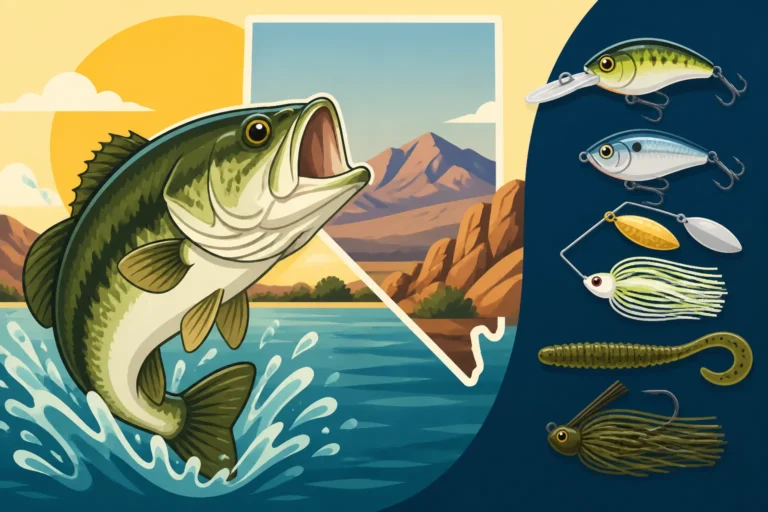
- Small Spoons and Spinners: Think classic trout lures like Kastmasters, Daredevils, or small Rooster Tails. Colors like silver, gold, brass, or even a subtle blue/silver combo work well. The key is to retrieve them slowly and erratically, mimicking an injured baitfish or a dislodged insect. A 1/16 to 1/8 ounce size is often perfect.
- PowerBait and Natural Baits: This is almost always a winner for stocked trout, and often for wild trout too, especially when they're still feeling a bit lethargic. Small balls of PowerBait (in colors like rainbow, white, or chartreuse), usually fished off the bottom with a very light sinker or a small bobber, can be deadly. Nightcrawlers or mealworms, offered in a similar fashion, are also incredibly effective. They provide a strong scent and a natural food source that trout can't resist. For specific recommendations, check out Best Bait for Nevada Trout.
- Flies: If you’re a fly angler, nymphs (like Prince Nymphs, Hare's Ear, Pheasant Tail) and small emerger patterns are excellent choices, especially fished under an indicator or with a slow retrieve. Woolly Buggers in black, olive, or brown can imitate leeches or baitfish, and a slow strip-pause retrieve can be very enticing. Sometimes, a tiny dry fly, like an Adams or a Caddis, can work during a brief hatch on a sunny, calm afternoon, but subsurface is usually more productive initially.
Remember, the fish aren't going to chase much. Present your offering in a way that suggests an easy meal floating or slowly sinking by.
Clothing, Safety, and Backpacking Considerations
A successful high mountain lake trip requires more than just fishing gear. You're heading into the wilderness, where conditions can change rapidly.
- Layered Clothing: This is non-negotiable. Start with a moisture-wicking base layer, add an insulating fleece or down layer, and top it with a waterproof and windproof outer shell. Even if it's sunny when you start, a sudden afternoon thunderstorm, hail, or strong winds can drop temperatures dramatically. A warm hat and gloves are often essential, even in early summer mornings. You can find excellent, lightweight layering options on Amazon.
- Sturdy Footwear: Waterproof hiking boots with good ankle support are a must. Trails can be rocky, muddy, or still have snow patches.
- Navigation and Safety: Always carry a map, compass, or a reliable GPS device (and know how to use them). Cell service is often nonexistent in these remote areas. Pack a first-aid kit, extra food and water, a headlamp, and a fire starter. Let someone know your itinerary and expected return time.
- Backpack: A comfortable, adequately sized backpack (20-40 liters for a day trip, larger for overnight) is crucial to carry all your gear. Look for one with good lumbar support and adjustable straps.
- Sun Protection: Even on cool days, the high altitude means increased UV exposure. Sunscreen, a wide-brimmed hat, and polarized sunglasses are vital. The glare off the water can be intense.
- Water Filter/Purifier: Don't rely solely on bottled water. A lightweight water filter or purification tablets can be a lifesaver.
- Float Tube or Kayak (Optional): If you're planning a longer stay or want to cover more water, a lightweight, packable float tube or inflatable kayak can be fantastic. Just be mindful of the added weight and effort for the hike in. If you're considering this, check out Best Float Tube for Mountain Lakes.
Effective Techniques for Post-Ice-Out Trout
Once you've made it to the lake, equipped and ready, it's time to put those techniques into practice. Remember, the fish are in a transitional phase, so patience, stealth, and a slow approach are your best friends.
Targeting Shallow Bays and Inlets
As we discussed, these are your primary target zones. Trout will congregate here for the warmer water, higher oxygen, and emerging food sources. Look for:
- Rocky points and submerged structure: These provide cover and ambush points for trout.
- Inlets: Streams flowing into the lake are absolute magnets. Position yourself to cast into the slower currents where fish might be holding, waiting for food to drift by.
- Shallow coves and weed lines (if present): These areas warm up quickly and can harbor insect life.
- Any visible drop-offs: Fish might patrol the edge of a shallow flat before dropping into deeper water for security.
Cast your lure or bait towards these areas, but don't cast directly on top of them at first. Try to present your offering a bit further out and retrieve it through the target zone to avoid spooking fish that might be holding tight to cover. Remember, the water is often very clear, and fish can be easily spooked by shadows or sudden movements.
Slow Presentations and Patience
This cannot be stressed enough: slow down. Fish right after ice-out are not typically chasing down fast-moving prey. Their metabolism is still relatively low, and they prefer an easy meal.
- Lure Retrieve: For spoons and spinners, a slow, steady retrieve with occasional pauses or twitches is often more effective than a fast burn. Let the lure flutter and sink a bit on the pause, as this often triggers a strike. Think "wounded prey."
- Bait Fishing: If you're using PowerBait or worms, let your bait sit on the bottom, or just suspended off the bottom with a bobber. Give it time. A small twitch every few minutes can help attract attention without being overly aggressive. Fish these natural baits right in the warmest, shallowest pockets you can find.
- Fly Fishing: Nymphs should be dead-drifted or slowly stripped. Woolly Buggers are best fished with a slow, erratic strip-pause retrieve. Indicator fishing with nymphs is often very effective, as it allows for a natural drift in the current or across a shallow flat.
Patience is paramount. You might not get a strike on every cast, or even every 10 casts. Work an area thoroughly before moving on. Fish may be spread out or only actively feeding in short bursts. Don't be afraid to experiment with different depths within these shallow zones—sometimes just a few feet deeper makes all the difference.
Reading the Water for Fish Activity
While the high mountain lakes are beautiful, they can also be challenging to read. Learning to spot subtle clues can significantly improve your success.
- Surface Activity: Look for subtle rises or dimples on the water, indicating fish feeding on insects near the surface. This is more common as the day warms.
- Shadows and Structure: Pay attention to how the light hits the water. Shadows from overhanging trees or large rocks can offer fish cover and a place to ambush prey. The clearer the water, the more important visual structure becomes.
- Water Color and Clarity: While most high mountain lakes are crystal clear, a slight tinge from snowmelt or a murky patch near an inlet could indicate a food source or warmer water.
- Bird Activity: Keep an eye on ospreys, eagles, or even ducks. Their behavior can sometimes indicate where baitfish or insect hatches are occurring, which in turn might tell you where the trout are.
- Temperature Checks: If you have a small thermometer, checking the water temperature in various spots can confirm where the warmest water is. Even a 2-3 degree difference can be a hot spot.
And, of course, practicing Catch and Release Techniques for Trout is always a good idea, especially in these delicate high-altitude ecosystems, to ensure these pristine fisheries remain productive for generations to come.
Specific Nevada High Mountain Lakes to Consider
Nevada boasts a surprising number of high mountain lakes, particularly in the northern and central parts of the state. While ice-out timing varies wildly, many of these spots offer incredible post-thaw fishing opportunities for various trout species. Always check current conditions and accessibility before planning your trip, as some trails may still be snow-covered even if the lake is clear.
Ruby Mountains Lakes
The Ruby Mountains, often called Nevada's "Swiss Alps," are home to numerous glacial lakes that offer breathtaking scenery and fantastic trout fishing. These include lakes like Lamoille Lake, Dollar Lakes, Island Lake, and Liberty Lake. Most of these lakes are stocked with various trout species, including rainbow, brook, and sometimes Lahontan cutthroat trout. Access typically involves hiking some of Nevada's most stunning trails, such as the Lamoille Canyon National Scenic Byway, which itself is often closed by snow well into late spring or early summer.
After ice-out, the inlet streams and shallow rock shelves of these lakes are prime targets. The fish will be cruising the edges, looking for emerging insects or small minnows. Small spinners, PowerBait, or slowly retrieved nymphs are highly effective. The solitude and wild beauty of these lakes make the effort of reaching them incredibly rewarding. Just remember, these are truly high-altitude environments, so be prepared for rapidly changing weather conditions and strong sun exposure.
Sierra Nevada Lakes (Nevada Side)
While many of the Sierra Nevada's famous lakes are in California, the Nevada side also offers some gems. Spots like Marlette Lake, Spooner Lake, and some of the smaller, higher-elevation lakes accessible from the Tahoe Rim Trail (like those above Spooner) can offer excellent ice-out fishing. Lake Tahoe Nevada Fishing License Rules will apply here, as will specific regulations for individual waters. Marlette Lake, for instance, is a popular hike-in lake known for its Lahontan cutthroat trout.
These lakes are characterized by clear, cold water and granite bottoms, with occasional submerged timber. Post-ice-out, fish will be found near inlets and rocky drop-offs. Trolling with small spoons from a float tube or kayak, or simply casting from shore with light tackle and bait, can be productive. The views of Lake Tahoe and the surrounding peaks make these fishing excursions truly unforgettable. Always be mindful of any special regulations for these sensitive areas, as some may have specific bait restrictions or catch-and-release rules.
Other Remote Lakes and Reservoirs
Beyond these iconic ranges, Nevada has other remote, high-elevation bodies of water that can offer excellent ice-out opportunities. Places like Jarbidge Wilderness lakes in northeastern Nevada, or even some of the higher reservoirs like Wildhorse Reservoir (though not strictly a "high mountain lake," it can experience similar ice-out dynamics at its elevation) can be fantastic after the thaw. Wildhorse, in particular, is stocked with a variety of trout and can be a popular spot. You might consider checking out Wildhorse Reservoir Nevada Fishing Guide for more details on that specific location.
Always remember that for these remote locations, minimal impact fishing practices are crucial. Pack out everything you pack in, and be respectful of the fragile ecosystems. The beauty of these high mountain lakes is their pristine nature, and it's up to us to keep them that way.
| Condition / Scenario | Recommended Approach | Preferred Lures / Baits | Key Considerations |
|---|---|---|---|
| Early Ice-Out (Frigid Water) | Target shallow inlets, coves; slow, deliberate retrieves. | PowerBait (rainbow, chartreuse), nightcrawlers, small jigs. | Fish are sluggish; extreme patience; focus on warmth/oxygen. |
| Mid-Ice-Out (Slightly Warmer) | Work shorelines, submerged rocks, visible structure; varied slow retrieves. | Small spoons (silver/gold), Rooster Tails, Woolly Buggers. | Fish are slightly more active; subtle twitches, pauses. |
| Visible Insect Activity | Match the hatch if possible; fish nymphs/emergers under an indicator. | Nymphs (Prince, Pheasant Tail), tiny dry flies (Adams). | Observe insect type and size; delicate presentations. |
| Clear Water, Spooky Fish | Long casts, light line (fluorocarbon leader), natural colors, stealthy approach. | Natural-colored PowerBait, unweighted worms, clear spoons. | Avoid sudden movements, shadows; fish from a distance. |
| Windy Conditions | Cast into sheltered coves, use slightly heavier lures for casting distance. | Heavier spoons, jigs; focus on wind-blown banks for stirred food. | Wind can push baitfish; can make casting and boat control tricky. |
Disclaimer
This article is for general informational purposes only and does not constitute professional advice. Laws, prices and regulations vary by location and change over time. Consult a qualified professional for guidance on your specific situation.