Smallmouth Bass Fishing in Nevada
Finding that feisty, hard-fighting smallmouth bass in Nevada's vast and often crystal-clear waters can feel like searching for a needle in a haystack for many anglers. It's a challenging but incredibly rewarding pursuit, especially when you're used to targeting their largemouth cousins. This comprehensive guide is dedicated to equipping you with the knowledge, techniques, and local insights you need to successfully locate, hook, and land more smallmouth bass across the Silver State's premier fisheries.
Understanding Smallmouth Bass in Nevada
Smallmouth bass, often affectionately called "bronzebacks" or "brown bass," are a prized game fish known for their aggressive strikes and tenacious fights. Unlike their largemouth relatives who prefer dense cover and shallower, murkier water, smallmouth thrive in cleaner, cooler environments with rocky structures. In Nevada, this means targeting them in large reservoirs and lakes that offer these specific conditions. Understanding their unique biology and behavior is the first step to becoming a successful smallmouth angler here.
Distinguishing Smallmouth from Largemouth
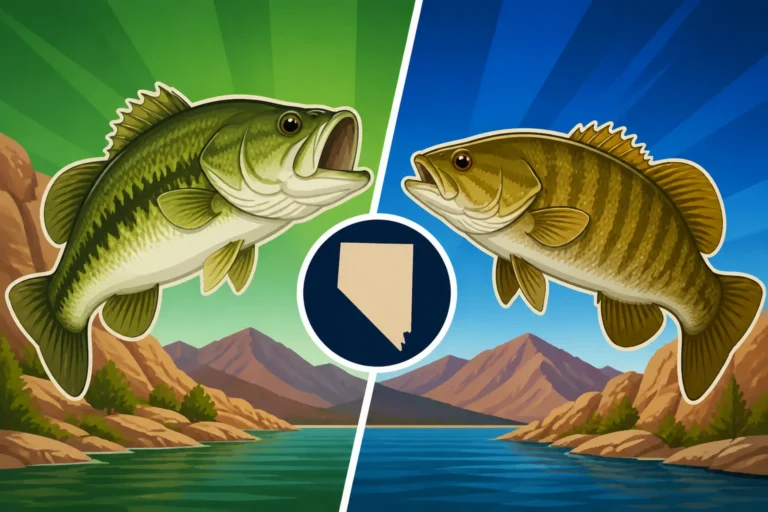
Many new anglers, and even some seasoned ones, can sometimes confuse a smallmouth bass with a largemouth bass, especially when they're similar in size. However, there are a few key characteristics that will help you tell them apart. The most obvious difference is the mouth itself: a smallmouth's jaw typically doesn't extend beyond the middle of its eye, while a largemouth's jaw extends well past the eye. Beyond that, smallmouth generally have vertical bars or splotches on their sides, giving them a mottled, bronze appearance, whereas largemouth often have a distinct horizontal stripe down their body. Their dorsal fins are also slightly different; a smallmouth's dorsal fin usually appears more uniformly connected than the deeply notched fin of a largemouth. Recognizing these differences isn't just about identification; it helps you understand their preferred habitats and, consequently, how to target them more effectively.
Smallmouth Habitat Preferences
Smallmouth bass are truly creatures of the rock and open water. They absolutely adore rocky bottoms, submerged ledges, points, humps, and any kind of hard, irregular structure that offers both cover and ambush points. They prefer cleaner, clearer water than largemouth bass, and generally thrive in cooler temperatures, though they can tolerate warm desert lake conditions by retreating to deeper water. In Nevada's large reservoirs like Lake Mead or Lake Mohave, you'll often find them patrolling transition zones where a flat bottom drops off into deeper water, or congregating around rocky islands and submerged brush piles. These areas provide them with hiding spots from predators and a perfect vantage point to ambush prey like shad, crawfish, and smaller fish. Understanding this preference for structure and clear water is crucial, as blindly casting into open water will rarely yield results for these discerning fish.
Nevada Smallmouth Growth and Behavior
The growth rate and behavior of smallmouth bass in Nevada are largely influenced by water temperature, forage availability, and fishing pressure. In well-fed reservoirs with abundant shad and crawfish, smallmouth can grow quite large, offering impressive fights. They are generally more active feeders than largemouth, often chasing down prey in open water, which makes them exciting to target with moving baits. Their behavior is highly seasonal; in spring, they move shallower to spawn, becoming more accessible to anglers. As summer heat sets in, they retreat to deeper, cooler water. Fall sees a resurgence of activity as they gorge themselves in preparation for winter, when they become sluggish and hold tight to structure in deep water. Understanding these seasonal patterns, which we'll dive into later, is key to consistent success. Also, remember that even smaller smallmouth are incredible fighters, often leaping clear of the water when hooked, making every catch an adrenaline rush.
Where to Find Smallmouth Bass in Nevada
Nevada offers some truly spectacular smallmouth bass fishing, particularly in its larger, clear-water reservoirs. While these waters can be intimidating due to their sheer size, knowing the prime locations where smallmouth tend to congregate can dramatically increase your chances of success. It's all about understanding the type of habitat they seek out and then finding those specific spots on the water.
Prime Lake Mead Smallmouth Spots
Lake Mead, a vast and iconic reservoir on the Colorado River, is arguably one of Nevada's best smallmouth bass fisheries. The sheer amount of rocky shoreline, countless submerged canyons, ledges, and points make it ideal smallmouth habitat. When fishing Lake Mead, focus your efforts on the rocky points and main lake ledges in the lower basin, especially areas around the Boulder Basin and Overton Arm that have significant drop-offs. Coves with rocky banks and submerged timber can also hold good numbers, particularly during the cooler months. Look for areas where the bottom transitions from a flat, sandy shelf to a steeper, rocky incline. These transition zones are highways for baitfish and crawfish, attracting hungry smallmouth. Popular access points like Hemenway Harbor and Callville Bay offer easy access to productive smallmouth waters. Learning the Smallmouth Bass Habitat at Lake Mead can give you a significant advantage in these massive waters.
Lake Mohave's Smallmouth Opportunities
Just downstream from Lake Mead, Lake Mohave offers another fantastic smallmouth bass experience, often with clearer water and an even more rugged, canyon-like shoreline. The riverine nature of Mohave, with its deep channels and steep canyon walls, provides excellent deep-water habitat for smallmouth. Target the rocky outcroppings, submerged islands, and steep banks throughout the lake, from the Willow Beach area down to the Davis Dam. Much like Lake Mead, points and ledges that drop into significant depths are smallmouth magnets. The clear water here means stealth is often key; long casts and subtle presentations can make a big difference. Many anglers find success fishing around the many small coves and inlets that dot the shoreline, especially those with an abundance of natural rock and broken shale. If you're looking for consistent action and don't mind navigating tight canyon bends, Lake Mohave Nevada Fishing Guide details more spots to explore.
Other Nevada Waters with Smallmouth
While Lake Mead and Lake Mohave are the undisputed kings for smallmouth bass in Nevada, other waters can also hold decent populations, especially for those looking for a different experience. Some of the smaller, high-desert reservoirs with clear water and rocky shores might occasionally produce smallmouth. However, these are often secondary fisheries for smallmouth, with largemouth or trout being the more dominant species. It's always a good idea to check the latest regulations and stocking reports from the Nevada Department of Wildlife (NDOW) for specific areas you plan to visit. While these spots might not offer the trophy potential of the larger lakes, they can provide a fun challenge and a chance to explore new waters. Always verify local regulations, as they can sometimes vary even within the same region, as detailed in the Nevada Fishing Regulations Explained.
Essential Gear for Smallmouth Bass Fishing
Having the right equipment can make all the difference when targeting smallmouth bass. These fish are known for their strong pulls and acrobatic jumps, requiring gear that can stand up to the fight. While you don't need the most expensive tackle on the market, choosing the right rods, reels, lines, and lures for Nevada's conditions will significantly improve your success rate and enjoyment on the water.
Rod, Reel, and Line Selection
For smallmouth bass, a versatile setup is key. I generally recommend a medium-light to medium power spinning rod, typically in the 6'6" to 7'6" range. This length provides good casting distance for reaching those offshore structures while still offering enough sensitivity to detect subtle bites. A fast action tip is ideal as it allows for quick hooksets, which is crucial when fishing with finesse presentations. For reels, a 2500 to 3000 series spinning reel balances well with these rods, providing smooth drag and sufficient line capacity. You can find excellent options on Amazon from brands like Shimano or Daiwa that fit this description perfectly.
When it comes to line, a good all-around choice is 6-10 lb fluorocarbon. Fluorocarbon offers excellent sensitivity, low stretch, and, most importantly in Nevada's clear waters, it's nearly invisible underwater. Many anglers also opt for a braided main line (10-15 lb) tied to a fluorocarbon leader (6-10 lb). The braid provides superior casting distance and strength, while the fluorocarbon leader maintains stealth. The choice between straight fluorocarbon and braid-to-fluoro often depends on the specific technique and water clarity you encounter, but both are effective for tackling bronze-backed fighters. For beginners, a Best Rod and Reel Combo for Beginners could be a great starting point, offering a balanced setup.
Top Lures and Baits for Smallmouth
Smallmouth bass are opportunistic feeders, and a variety of lures can be effective. However, some stand out as consistent producers in Nevada.
- Jigs: Small hair jigs, tube jigs, and Ned rigs are absolute smallmouth killers, especially when fish are finicky or holding deep. Their subtle action mimics crawfish or small baitfish. Colors like green pumpkin, brown, and watermelon are always good bets.
- Crankbaits: Shallow-diving crankbaits (for top of structure) and medium-diving crankbaits (for covering ledges) in shad or crawfish patterns are excellent for aggressive smallmouth. Rapala and Strike King offer reliable options.
- Soft Plastics: Drop shot worms, grubs, and small swimbaits rigged on jig heads are incredibly versatile. Presenting these finesse baits on a drop shot rig is often the key to unlocking bites from pressured fish.
- Topwater Lures: In low-light conditions or when smallmouth are actively feeding on the surface, walking baits, poppers, and prop baits can provide explosive strikes that are unforgettable.
- Spinnerbaits/Chatterbaits: These are great search baits, covering water quickly and attracting attention with their flash and vibration.
Having a diverse selection of these in your tackle box will prepare you for varying conditions and fish moods. You can explore a wide range of these on Amazon, often at competitive prices. For a deeper dive into lure selection, check out Best Lures for Nevada Bass.
Accessories and Safety Gear
Beyond the basic rod, reel, and lures, a few essential accessories can make your smallmouth fishing trip safer and more productive in Nevada.
- Pliers/Forceps: Essential for safely removing hooks, especially if you're practicing catch and release.
- Landing Net: A good rubberized landing net is invaluable for safely landing larger smallmouth, preventing them from flopping around on the boat or shore, which can injure both the fish and you.
- Sun Protection: Nevada's sun is intense. A wide-brimmed hat, polarized sunglasses, and high-SPF sunscreen are non-negotiable. Long-sleeved, breathable fishing shirts are also highly recommended.
- First Aid Kit: Always have one on hand for minor cuts or emergencies.
- Hydration: Bring plenty of water, especially during the warmer months. Dehydration can sneak up on you in the desert environment.
- Fishing License: Absolutely critical! Make sure your Nevada Fishing License Guide is up to date and readily available.
- Mapping/GPS: On large lakes like Mead or Mohave, a good GPS unit or a reliable fishing app on your phone with detailed mapping can help you pinpoint and return to productive spots. This is especially helpful when navigating complex submerged structures where smallmouth like to hide.
Top Techniques for Catching Smallmouth Bass
Smallmouth bass are active and often aggressive, but they can also be finicky, especially in clear, heavily pressured waters. To consistently catch them in Nevada, you need a diverse set of techniques that cater to their preferences and the specific conditions you encounter. Mastering a few key presentations will significantly increase your hook-up ratio.
Jigging and Drop-Shotting
These finesse techniques are absolute game-changers for smallmouth, especially when they are deep, inactive, or highly pressured.
Jigging: This involves working a small jig (tube, Ned rig, or hair jig) along the bottom with subtle lifts and drops. The goal is to imitate a crawfish scuttling or a baitfish darting.
- How to Do It: Cast your jig out to a rocky point or submerged structure. Let it sink to the bottom. Once it's down, use small twitches of your rod tip to lift the jig a few inches off the bottom, then let it fall back on a semi-slack line. Most bites occur on the fall, so pay close attention to any "tick" or sudden weightlessness. Vary your retrieve speed and the height of your lifts until you find what the fish prefer. This is a feel-based technique that takes practice but is incredibly rewarding.
Drop-Shotting: The drop-shot rig suspends a soft plastic lure above a weight, keeping the bait in the strike zone longer without constant movement. This is deadly for smallmouth holding tight to vertical structure or in deep water.
- How to Do It: Tie a hook directly to your main line (a Palomar knot works great for this), leaving a long tag end. Attach your weight to the end of that tag end, determining how far off the bottom you want your lure to sit. Then, nose-hook or wacky-rig a small worm, minnow imitation, or grub onto the hook. Cast or lower your rig to the desired depth, let the weight hit the bottom, and then gently shake your rod tip to impart action to the lure. The key is to keep tension on the line so you can feel the subtle bites. Learning How to fish a drop shot rig for bass can transform your deep-water smallmouth success.
Crankbait and Spinnerbait Tactics
When smallmouth are actively feeding and willing to chase, crankbaits and spinnerbaits are excellent choices for covering water and triggering reaction strikes.
Crankbait Tactics: These lures dive to specific depths and, with their wobbly action, mimic injured baitfish.
- How to Do It: Select a crankbait that dives to the depth where you expect the smallmouth to be. Cast it out and retrieve it at a steady pace, trying to make it "crash" into rocky structure. This erratic deflection often triggers aggressive strikes. Vary your retrieve speed and incorporate pauses or quick jerks to make the bait seem even more lifelike. For areas with abundant shad, choosing crankbaits with silver or chrome sides can be particularly effective.
Spinnerbait Tactics: Spinnerbaits combine flash, vibration, and a realistic profile, making them effective in a variety of conditions, especially around submerged cover or points.
- How to Do It: Cast your spinnerbait past your target area and retrieve it with a steady, moderate pace, just fast enough to keep the blades turning. For smallmouth, often a smaller profile spinnerbait with willow leaf or Colorado blades is effective. Try to keep it just above or bumping off the top of submerged rocks and ledges. You can also "slow roll" a spinnerbait in deeper water by allowing it to sink and retrieving it slowly, keeping it close to the bottom. The flash and vibration can draw fish from a good distance.
Topwater and Jerkbait Strategies
The explosive strikes on topwater lures are what many anglers live for, and smallmouth are notoriously aggressive topwater eaters. Jerkbaits, fished just below the surface, are also excellent for triggering reaction bites.
Topwater Strategies: These lures are best in low-light conditions (dawn, dusk) or on overcast days when fish are shallow and looking up.
- How to Do It: Walking baits (like a Heddon Super Spook) require a "walk-the-dog" retrieve, creating a side-to-side sashay on the surface. Poppers create a "chug" sound and splash, mimicking a struggling baitfish. Cast your topwater lure to rocky points, shallow humps, or over submerged grass. Let it sit for a few seconds, then begin your retrieve with erratic twitches and pauses. The key is to be patient; sometimes, a longer pause will entice a hesitant smallmouth to strike. These strikes are often violent and heart-stopping!
Jerkbait Strategies: Jerkbaits suspend in the water column when paused, making them irresistible to smallmouth.
- How to Do It: Cast your jerkbait out and then "twitch, twitch, pause." The twitches make the bait dart erratically, imitating a wounded baitfish, and the pause allows it to hang tantalizingly in the strike zone. Vary the length of your pauses; sometimes a short pause is all it takes, while other times a prolonged pause (5-10 seconds) will draw a strike from a cautious fish. Clear or silver patterns are often effective in Nevada's clear waters. Using a quality fluorocarbon line will enhance the jerkbait's action and help it achieve its advertised running depth.
Seasonal Strategies for Nevada Smallmouth
Smallmouth bass behavior changes significantly throughout the year in response to water temperature and spawning cycles. Understanding these seasonal shifts is crucial for consistently locating and catching them in Nevada's diverse waters. What works in spring won't necessarily work in the scorching summer heat or the chilly depths of winter.
Spring Pre-Spawn and Spawn Fishing
Spring is often considered one of the best times to target smallmouth bass, as they move from their deep wintering grounds to shallower areas for spawning.
- Pre-Spawn (Water Temps 45-55°F): As water temperatures begin to rise in early spring, smallmouth move to secondary points, rocky flats, and the mouths of coves near deeper water. They are actively feeding to bulk up for the spawn. This is a prime time for crankbaits, spinnerbaits, and jerkbaits, as the fish are aggressive and chasing food. They'll also hit tube jigs and crawfish imitations bounced off rocky bottoms. Focus on areas that warm up first, typically sun-exposed rocky banks.
- Spawn (Water Temps 55-65°F): Once the water consistently hits the mid-50s, smallmouth will move onto beds, typically in rocky, shallower areas, often near submerged logs or boulders, usually in 5-15 feet of water. During the spawn, they become highly protective of their nests. While fishing directly for bedding fish can be controversial, understanding their locations can help you target nearby fish that are moving in or out. Tube jigs, Ned rigs, and small soft plastics presented slowly on or near beds can provoke a defensive strike. Be mindful of ethical angling practices during this sensitive time and consider catch-and-release to help maintain healthy populations, as described in Catch and Release Techniques for Trout (principles apply to bass too).
Summer Deep Water Tactics
As Nevada's summer temperatures soar and surface waters warm significantly, smallmouth bass will retreat to deeper, cooler, more oxygenated water. This doesn't mean they stop biting, just that you need to adjust your tactics.
- Finding Deep Fish: Smallmouth will gravitate towards deep rocky points, submerged humps, ledges, and transition zones where shallow water drops into 20-50 feet or more. A good fish finder is invaluable for locating these structures and baitfish schools, which the smallmouth will follow. Look for schools of shad congregated over deep structure.
- Effective Lures: Finesse techniques shine in summer. Drop-shot rigs, especially with small worm or minnow imitations, are highly effective. Lead head jigs with soft plastics (grubs, tubes) fished vertically or slowly hopped along the bottom can also produce. Deep-diving crankbaits can be used to target fish suspending over deep structure, or to bounce off the bottom of deep rock piles. Early morning or late evening often provides a brief window when smallmouth might move shallower to feed, making topwater or shallow crankbaits viable. Knowing the Best time of day to catch bass in summer heat is crucial.
Fall Feeding Frenzy and Winter Slowdown
Fall is another fantastic time for smallmouth, as they go on a feeding binge before the cold winter months. Winter fishing, while slower, can still yield results for patient anglers.
- Fall Feeding Frenzy (Water Temps 50-65°F): As water temperatures cool, smallmouth become incredibly active, aggressively feeding to build up fat reserves. They often school up and chase baitfish in open water. This is a great time for crankbaits, spinnerbaits, jerkbaits, and swimbaits, as they can cover a lot of water and draw strikes from active fish. Focus on main lake points, rocky flats, and creek channel swings where baitfish are abundant. The bite can be furious and consistent during this period.
- Winter Slowdown (Water Temps Below 45°F): In the coldest months, smallmouth become much less active, preferring to congregate in deep water, often holding very tight to the bottom or steep structure. Their metabolism slows, and they won't chase lures far. This is when patience and subtle finesse techniques are paramount. Vertical jigging with spoons or blade baits, drop-shotting small soft plastics, and Ned rigs presented extremely slowly can entice strikes. Fish often bite very lightly, so a sensitive rod and fluorocarbon line are essential for detecting these subtle takes. Focus on the deepest, most sheltered areas of the lake, often where the main channel meets a sharp drop-off.
| Season | Water Temperature Range | Primary Locations | Recommended Lures/Techniques |
|---|---|---|---|
| Spring | 45-65°F | Rocky points, shallow flats, cove mouths | Crankbaits, Jerkbaits, Spinnerbaits, Tube Jigs, Drop Shot |
| Summer | 65-80°F+ | Deep points, submerged humps, ledges | Drop Shot, Jigs, Deep-diving Crankbaits, Spoons |
| Fall | 50-65°F | Main lake points, rocky flats, creek channels | Crankbaits, Jerkbaits, Spinnerbaits, Swimbaits |
| Winter | Below 45°F | Deep structure, steep drop-offs | Vertical Jigs, Spoons, Blade Baits, Drop Shot |
Conservation and Regulations for Smallmouth Bass
As passionate anglers, it's our responsibility to ensure the health and sustainability of Nevada's smallmouth bass populations for future generations. This means adhering to regulations, practicing responsible angling, and understanding the impact of our actions on the fishery. The Nevada Department of Wildlife (NDOW) sets these guidelines to protect fish stocks and habitat.
Nevada Smallmouth Bag and Size Limits
Before you even make your first cast, it's absolutely critical to familiarize yourself with the current Nevada Bass Daily Limit and Size Rules. These regulations are put in place for a reason – to manage fish populations and ensure healthy breeding stock. For smallmouth bass, limits can vary by specific body of water and change periodically, so always check the most recent NDOW fishing guide. Generally, there will be a daily bag limit (the number of fish you can keep in one day) and often a size limit (a minimum or slot length requirement).
For instance, some lakes might have a "slot limit," meaning you can only keep fish below a certain size or above a certain size, with fish in the middle "slot" required to be released. This is often designed to protect prime breeding fish. Violating these rules can result in hefty fines and even loss of fishing privileges, which nobody wants. A quick look at the NDOW website or a stop at a local tackle shop (like those you might find supplies for on Amazon) for a physical copy of the regulations booklet before your trip is always a wise move.
Catch and Release Best Practices
Many smallmouth bass anglers, myself included, practice catch and release, especially for larger fish. Smallmouth are incredibly resilient, but improper handling can cause significant harm. If you intend to release a fish, follow these best practices to maximize its survival rate:
- Minimize Fight Time: Land the fish as quickly as possible to reduce stress and exhaustion.
- Use Barbless Hooks: Consider crimping down the barbs on your hooks or using barbless hooks, as they cause less damage and are easier to remove.
- Handle with Care: Wet your hands before touching the fish to protect its slime coat, which is its natural defense against disease. Avoid squeezing the fish's belly or gills. Support its weight horizontally, especially for larger fish.
- Quick Hook Removal: Use pliers or forceps to remove the hook swiftly. If the fish is deeply hooked, it's often better to cut the line as close to the hook as possible rather than tearing tissue trying to remove it.
- Revive if Necessary: If the fish seems sluggish, hold it gently in the water, supporting it upright until it regains strength and can swim away on its own. Point its head into a gentle current if possible to help water flow over its gills.
- Avoid Air Exposure: Keep the fish out of water for the absolute minimum amount of time required for a photo. Every second counts.
These practices aren't just for smallmouth; they apply to all species and are crucial for preserving all of Nevada's fisheries. Catch and Release Techniques for Trout provides excellent universal guidance.
Protecting Smallmouth Habitat
The availability of healthy habitat is paramount to thriving smallmouth populations. In Nevada, this often means preserving the clear, rocky environments they depend on. As anglers, we can contribute to habitat protection by:
- Practicing Leave No Trace: Pack out everything you pack in. Never leave trash, fishing line, or discarded baits behind.
- Preventing Invasive Species: Always clean, drain, and dry your boat, kayak, and gear between fishing locations to prevent the spread of invasive species like quagga mussels, which can drastically alter aquatic ecosystems and harm fish habitats.
- Respecting Shorelines: Avoid damaging vegetation or disturbing natural banks when fishing from shore.
- Educating Others: Share your knowledge of responsible angling and conservation with fellow fishermen, especially new anglers and youth.
By being mindful of our impact and actively participating in conservation, we ensure that the thrilling experience of smallmouth bass fishing continues for generations to come.
Common Challenges and Troubleshooting
Fishing for smallmouth bass in Nevada can present unique challenges, largely due to the vastness and clarity of the waters, as well as the often extreme weather conditions. From strong winds to gin-clear lakes, anglers frequently face hurdles. Knowing how to troubleshoot and adapt your approach can turn a frustrating day into a successful one.
Dealing with Windy Conditions
Nevada is famous for its wind, and it can be a real adversary on the water, making boat control difficult and bite detection nearly impossible. However, wind can also be your friend by creating current and concentrating baitfish, which in turn attracts smallmouth.
- Boat Control: If boating, use your trolling motor effectively to maintain boat position. Facing directly into the wind can help stabilize your boat. For bank anglers, try to find sheltered coves or points that offer some respite from the direct wind.
- Line Management: Wind creates slack in your line, making it hard to feel bites. Use heavier jigs or weights to maintain bottom contact. Opt for braided line, which has less stretch and helps you feel those subtle bites. Keep your rod tip low to the water to minimize wind's effect on your line.
- Presentation: While finesse can be tough in the wind, sometimes throwing a reaction bait like a crankbait or spinnerbait can be effective. The wind often pushes baitfish, and smallmouth will use the turbulent water to ambush prey. Focus on "wind-blown banks" or points where baitfish are likely to be stacked up.
- Safety: Above all, prioritize safety. If the wind creates dangerous conditions, especially on large, open reservoirs like Lake Mead, it's always best to head back to shore. No fish is worth risking your safety.
Fishing in Clear, Pressured Waters
Many of Nevada's prime smallmouth waters, especially the large reservoirs, are notoriously clear. While beautiful, this clarity can make smallmouth wary and challenging to catch, particularly in areas that see a lot of fishing pressure.
- Stealth is Key: Clear water means fish can see you and your boat from a distance. Make long casts to keep your distance. Use a longer leader if you're using braided line. Quiet boat movements are essential; avoid dropping tackle or banging around.
- Finesse Reigns: When fish are pressured or the water is clear, they often prefer subtle presentations. This is where drop-shotting, Ned rigs, and small tube jigs become incredibly effective. Downsize your lures and line.
- Natural Colors: Opt for more natural and translucent lure colors like green pumpkin, watermelon, or light browns that mimic the natural forage. Avoid bright, unnatural colors unless the fish are extremely aggressive.
- Target Deeper Water: In clear water, smallmouth often hold deeper during the day to feel more secure. Adjust your depth accordingly and use your fish finder to locate them. They might move shallower during low-light conditions. Learning How to find fish in a new lake often starts with understanding how fish behave in clear vs. murky water.
Adjusting to Changing Water Levels
Nevada's reservoirs, particularly those in the Colorado River system, can experience significant fluctuations in water levels, often due to water management for consumption and power generation. These changes can dramatically impact smallmouth fishing.
- Falling Water: A rapidly falling water level can push fish offshore and make them disoriented and less aggressive. Focus on the new "main lake" points and drop-offs that were recently deeper but are now accessible. Look for isolated cover that might have been submerged but is now exposed, attracting baitfish and then smallmouth. It can take a few days for fish to adjust to a new stable level.
- Rising Water: Rising water can sometimes draw smallmouth into newly flooded cover, like brush or rocks, as they search for new food sources or spawning grounds. However, if the water rises too quickly, it can spread fish out, making them harder to locate. Try fishing the edges of the newly submerged vegetation or structure.
- Reading the Banks: Pay attention to the "bathtub ring" on the shoreline—the mineral deposits that show previous high-water marks. This can give you an idea of how much the water has fluctuated and where historical structures might now be located underwater.
- Adapt Quickly: The most important thing is to be adaptable. If your usual spots aren't producing, don't be afraid to try different depths, techniques, and areas of the lake. Smallmouth will follow the forage and seek comfortable habitat, so if the water changes, their location will too.
Disclaimer
This article is for general informational purposes only and does not constitute professional advice. Laws, prices and regulations vary by location and change over time. Consult a qualified professional for guidance on your specific situation.