Do I need a trout stamp if I only fish for bass in Nevada?
It's a common dilemma that pops into every angler's mind when they're planning a trip to Nevada's diverse waters: with all the different licenses and stamps out there, what do you actually need? Specifically, if your heart is set on reeling in some hard-fighting bass and you have no intention of targeting trout, do you still need to fork over extra cash for a Nevada trout stamp? This guide is here to clear up that confusion and ensure you're fully compliant with the Nevada Department of Wildlife (NDOW) regulations.
Understanding Nevada's Fishing License Structure
Navigating fishing regulations can feel like trying to untangle a bird's nest of fishing line – confusing, frustrating, and sometimes you just want to snip it all away. But once you understand the basic structure, it becomes much clearer. Nevada's system is designed to fund conservation efforts and manage fish populations effectively, and that starts with a foundational license.
The Basics of a General Nevada Fishing License
Think of the general Nevada fishing license as your golden ticket to almost all public fishing waters in the state. This is the absolute first thing every angler aged 12 and older needs before casting a line, whether you're a Nevada resident or an out-of-state visitor. This single license grants you the permission to pursue most species of game fish, including various types of bass, catfish, carp, and many panfish, across the vast majority of lakes, rivers, and urban ponds. It covers the administrative costs, fish stocking programs for many species (like the urban ponds that get regular deliveries of catchable trout and channel catfish), and enforcement efforts that keep our waters healthy and accessible. Without this foundational license, you're not legal to fish for anything. It's truly the cornerstone of legal angling in the Silver State. You can learn more about the different options in our comprehensive guide on a Nevada Fishing License Cost Breakdown.
Why the General License is Your First Step
The general fishing license isn't just a formality; it's a vital part of the state's conservation model. Every dollar from these licenses goes back into managing Nevada's fisheries, from habitat restoration projects on the Truckee River to stocking programs in Lake Mead and the Las Vegas urban ponds. It ensures that future generations of anglers will have vibrant fisheries to enjoy. So, before you even consider what fish you're going after, securing your basic Nevada Fishing License Guide is non-negotiable. It's the universal entry pass that unlocks Nevada's angling opportunities, regardless of your target species.
The Specifics of a Nevada Trout Stamp
Now, let's talk about that elusive trout stamp. This is where the specific intent of your fishing trip really comes into play. It's an add-on, a specialized endorsement for a very particular type of fishing.
What Exactly is a Trout Stamp For?
The Nevada trout stamp is an additional endorsement required only if you intend to fish for, catch, or possess trout in specific waters. It's not a blanket requirement for all fishing, but rather a targeted fee to support trout management and stocking programs. Think of it this way: some of Nevada's most prized fisheries are dedicated to trout, often requiring extensive habitat management and regular stockings of various trout species, including rainbow, brown, cutthroat, and even unique hybrids like tiger trout. The funds generated by the trout stamp specifically help NDOW manage these cold-water fisheries, ensuring healthy populations and continued angling opportunities for trout enthusiasts. If you’re planning a trip up to Wildhorse Reservoir or chasing Lahontan Cutthroat at Pyramid Lake (which has its own unique permit requirements, by the way), this stamp is crucial. Our Nevada Trout Stamp Requirements article delves deeper into this.
When a Trout Stamp Becomes Mandatory
The rule is pretty straightforward: if you are fishing in waters designated as "trout waters," or if you have the intent to catch or possess trout, you need that stamp. This includes a vast array of streams, high-mountain lakes, and many popular reservoirs that are regularly stocked with trout by NDOW. It's also required if you find yourself fishing in a mixed-species lake where trout are present and you want to keep any that you catch.
Here are a few scenarios where it's absolutely mandatory:
- You're heading to a lake like Marlette Lake or a section of the Truckee River known primarily for its trout populations.
- You're fishing at a general-purpose lake, but you specifically bait up with PowerBait or salmon eggs, commonly used for trout, and you plan to keep any trout you hook.
- You accidentally catch a trout and decide to keep it for dinner. If you don't have a trout stamp, even an accidental catch becomes an illegal possession if you retain it.
The key takeaway is "intent to fish for or possess." If you're setting out with the gear and techniques suited for trout, or if you're keeping trout, you need the stamp.
Fishing for Bass in Nevada: What You Really Need
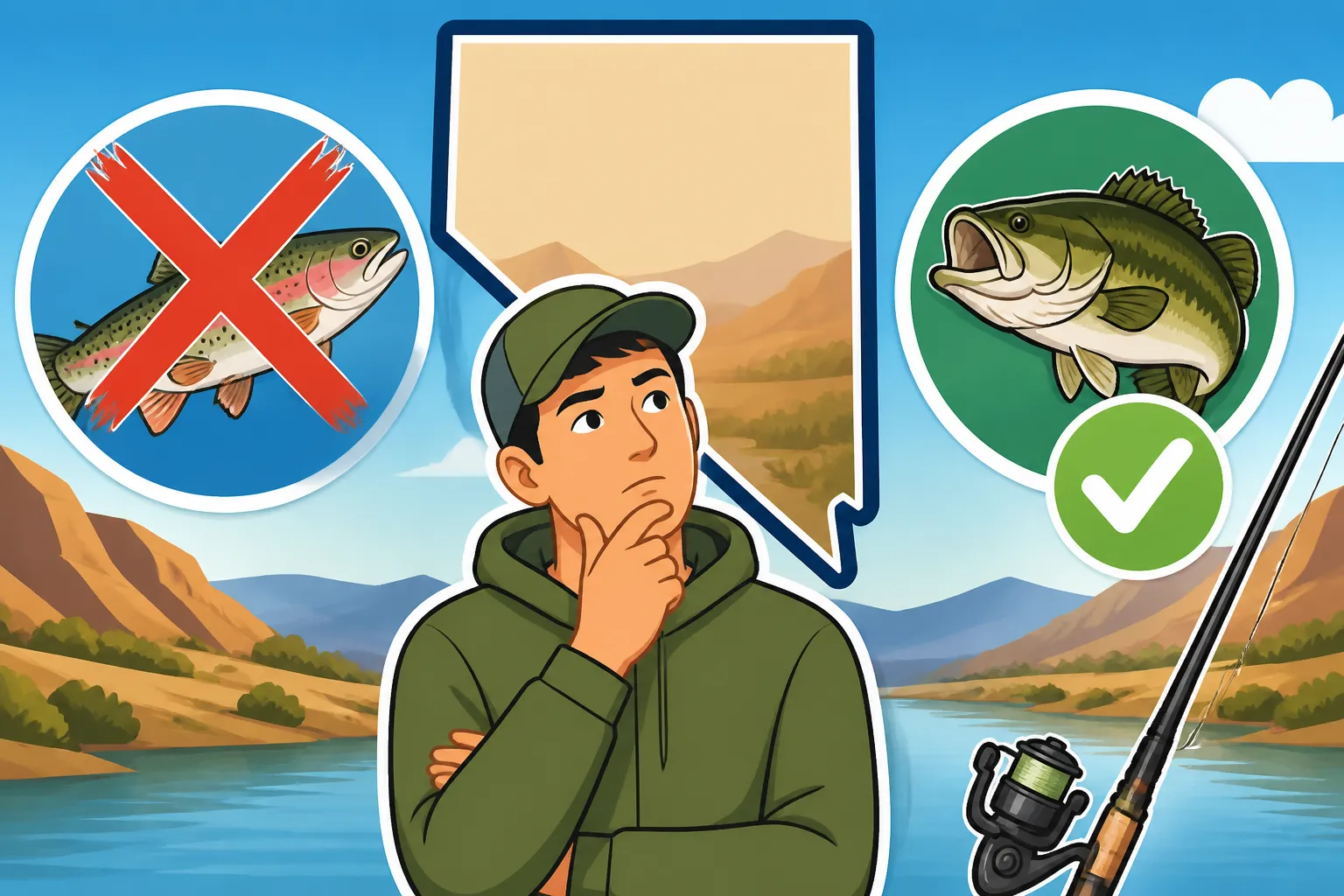
So, back to the core question: if you're solely focused on bass, do you need the trout stamp? The short answer is generally, no.
The General License Requirement for Bass Anglers
If your angling adventures in Nevada are exclusively dedicated to bass – whether you're targeting largemouth, smallmouth, or striped bass – your standard, general Nevada fishing license is all you need. You do not need to purchase an additional trout stamp. The general license covers these warm-water species, allowing you to legally fish for and possess them within the designated Nevada Statewide Bag Limits Explained and size restrictions. This applies whether you're pitching jigs into the coves of Lake Mead or throwing topwater lures for smallmouth on Lake Mohave. The focus here is entirely on the species you're pursuing and keeping.
Common Bass Species in Nevada
Nevada is home to a fantastic variety of bass species, offering exciting opportunities for anglers.
- Largemouth Bass: These are the classic "bucketmouths" known for their aggressive strikes and are often found in warmer, shallower waters with plenty of cover like submerged brush, weed beds, or rocky outcrops. Lake Mead, Lake Mohave, and some of the smaller reservoirs and urban ponds hold good populations. Our guide on How to Fish for Bass in Nevada provides excellent strategies.
- Smallmouth Bass: Renowned for their incredible fighting power, smallmouth prefer cooler, clearer waters with rocky bottoms. You'll find strong populations in places like Lake Mead and Lake Mohave, often around points and drop-offs.
- Striped Bass: A truly unique and exciting fishery, especially in southern Nevada. Stripers are powerful, schooling predators that can grow to impressive sizes. Lake Mead and Lake Mohave are world-class destinations for striped bass, where they chase schools of shad in open water. Targeting these species is a thrill, and fortunately, it doesn't require a special trout stamp. You can learn more about these fish in our Nevada Bass Daily Limit and Size Rules article.
Waters Primarily Known for Bass Fishing
Nevada boasts several premier bass fishing destinations where you can confidently pursue your passion without needing a trout stamp (unless, as we'll discuss, you decide to switch gears).
- Lake Mead: This massive reservoir, easily accessible from Las Vegas, is a legendary bass fishery. It's famous for its abundant largemouth and smallmouth bass, and especially for its hard-hitting striped bass. Anglers here often spend days targeting only these species, enjoying the vast expanse and diverse structure the lake offers. You can find more details in our Lake Mead Nevada Fishing Guide.
- Lake Mohave: Downstream from Lake Mead, Lake Mohave offers similar, equally exciting bass fishing opportunities, particularly for smallmouth and striped bass. Its clear waters and canyon walls provide stunning backdrops for a day of fishing. Check out our Lake Mohave Nevada Fishing Guide for more information.
- Urban Ponds (for warm-water species): While many urban ponds are stocked with trout in cooler months, they often hold good populations of largemouth bass and channel catfish year-round. If you're targeting just these species in an urban pond, your general license is sufficient.
In these waters, if you're rigged for bass – using bass lures, jigs, crankbaits, or even live bait like shiners for stripers – and you're not keeping trout, you're good to go with just your general fishing license.
Situations Where You Might Encounter Both Trout and Bass
Life, and fishing, rarely stay in neat, predictable boxes. Sometimes, despite your best intentions, you might find yourself in a situation where both bass and trout are present. It's important to understand the regulations for these mixed scenarios to avoid any unintended violations.
Mixed Species Waters: The "Better Safe Than Sorry" Rule
Many of Nevada's larger reservoirs and even some smaller lakes aren't exclusively warm-water (bass) or cold-water (trout) fisheries. They can support healthy populations of both! Lake Tahoe, for example, is famous for its Mackinaw trout but also holds smallmouth bass. Smaller reservoirs like Wildhorse Reservoir often contain rainbow trout, brown trout, and various bass species.
If you're fishing in a water body known to host both bass and trout, and there's even a slight chance you might decide to keep a trout if you catch one, it's always the wisest and safest approach to purchase the trout stamp upfront. The cost is relatively low compared to the potential fines and headaches of a violation. It's truly a "better safe than sorry" situation. This ensures that no matter what bites your line and what you decide to do with it (within legal limits, of course), you're fully covered.
Accidental Catches and Releasing Trout
Let's say you're casting a crankbait for largemouth bass in a mixed-species lake, and much to your surprise, a rainbow trout slams your lure. What do you do if you don't have a trout stamp?
The key here is possession. If you do not have a trout stamp, you are legally obligated to immediately release any trout you catch, unharmed. This means:
- Handle with care: Minimize handling, especially out of water.
- Use appropriate gear: Barbless hooks can make release easier. If you use barbed hooks for bass, be extra careful when removing them from a trout.
- Release quickly: Get the fish back into the water as fast as possible.
If you accidentally catch a trout and decide to keep it without a trout stamp, you are in violation of NDOW regulations. This can result in fines and other penalties, as outlined in the Nevada Fishing Violation Penalties guide. The best practice is to always adhere to catch-and-release protocols for non-target species if you don't have the appropriate endorsements.
Future-Proofing Your Fishing Trip
Even if you go into a trip with the firm intention of only catching bass, things can change. Maybe your buddy lands a beautiful trout, and you get inspired to try for one yourself. Or perhaps the bass just aren't biting, and you decide to switch tactics to what is active.
By purchasing a trout stamp along with your general fishing license, you're essentially "future-proofing" your trip. It gives you the flexibility to adapt your fishing strategy on the fly without worrying about legal repercussions. It also shows a commitment to supporting all aspects of Nevada's fishery management, contributing to the health of both warm-water and cold-water species. For a small additional fee, you gain peace of mind and expand your angling options. You can explore all the licensing options in the comprehensive Nevada Fishing License Guide.
Navigating the Nevada Department of Wildlife NDOW Resources
When it comes to understanding and complying with fishing regulations, the Nevada Department of Wildlife (NDOW) is your ultimate authority and resource. They provide all the official information you need.
Official Regulations Booklet and Online Tools
NDOW is meticulous about publishing comprehensive regulations that cover everything from statewide bag limits to specific rules for individual water bodies. These regulations are updated annually, so it's crucial to always refer to the most current version.
You can access these vital resources in a few ways:
- NDOW Website: The official NDOW website (ndow.org) is a treasure trove of information. Here, you can find the complete, up-to-date fishing regulations booklet, often available as a downloadable PDF. This online version is usually the most current. It also provides regional breakdowns, trout stocking schedules, and information on various fish species.
- Printed Booklets: Physical copies of the regulations booklet are often available wherever fishing licenses are sold, such as sporting goods stores, bait shops, and some general retailers. It's a good idea to grab one and keep it in your tackle box or vehicle for quick reference, especially when you're out of cell service.
- Regional Offices: NDOW has regional offices throughout the state (e.g., in Las Vegas, Reno, Elko). These offices are staffed with knowledgeable personnel who can answer specific questions and provide clarification on complex regulations. Don't hesitate to reach out to them if you're unsure about a particular rule or water body. Understanding the Nevada Fishing Regulations Explained is key to a successful and legal trip.
Where to Purchase Licenses and Stamps
Getting your fishing license and any necessary stamps is usually a straightforward process. NDOW has made it quite convenient for anglers.
- Online: The easiest and often quickest way to purchase your Nevada fishing license and trout stamp is directly through the NDOW website. You can buy them from the comfort of your home, print them out, or save a digital copy to your phone. This method ensures you have immediate access to your legal fishing credentials. Our guide on Buying a Nevada Fishing License Online walks you through the steps.
- Authorized License Agents: Numerous sporting goods stores, bait and tackle shops, and even some general merchandise retailers across Nevada are authorized NDOW license agents. Places like Bass Pro Shops, Cabela's, and local tackle shops will happily assist you in purchasing the correct licenses and stamps. This is a great option if you prefer an in-person transaction or need to pick up some last-minute gear (though you can always find a huge selection of fishing gear and accessories from online retailers like Amazon to have them shipped right to your door before your trip). Find a location near you with our Where to Buy a Nevada Fishing License guide.
- NDOW Offices: You can also purchase licenses and stamps directly from any NDOW regional office. While perhaps not as convenient for most anglers, it's an option, especially if you have complex questions that you want to discuss with an NDOW representative.
Remember to always carry proof of your current fishing license and any required stamps while actively fishing. Whether it's a physical copy or a digital one on your smartphone, be prepared to present it to an NDOW game warden if requested.
Nevada Fishing License and Trout Stamp Scenarios
To make it even clearer, let's break down some common scenarios in a simple table.
| Scenario | Primary Target Species | General NV Fishing License Needed? | NV Trout Stamp Needed? | Notes |
|---|---|---|---|---|
| Fishing for Bass Only | Largemouth, Smallmouth, Striped Bass | Yes | No | If you only fish for bass and release any accidental trout immediately. |
| Fishing for Trout Only | Rainbow, Brown, Cutthroat, Mackinaw | Yes | Yes | Essential if you intend to fish for or possess any trout. |
| Fishing for Bass and Keeping Trout | Bass (and keeping accidental trout) | Yes | Yes | You need both if you might keep any trout you catch, even if your main focus is bass. |
| Fishing for Catfish Only | Channel Catfish, Bullhead | Yes | No | Catfish are covered by the general license. |
| Fishing in Mixed Waters (Release All Trout) | Any (but only keeping non-trout) | Yes | No | You must release all trout unharmed if you don't have the stamp. |
| Fishing Pyramid Lake | Lahontan Cutthroat Trout | No (Tribal waters) | No (State stamp) | Pyramid Lake has its own separate tribal permit. A state license/stamp is not valid there. |
Disclaimer
The information provided in this guide is intended for general informational purposes only and is subject to change. Fishing regulations in Nevada are established and enforced by the Nevada Department of Wildlife (NDOW) and can be updated periodically. While we strive to provide accurate and current information, it is the angler's sole responsibility to consult the official NDOW regulations booklet or website before engaging in any fishing activities to ensure full compliance with all applicable laws and rules. Fishing in tribal waters, such as Pyramid Lake, requires specific tribal permits and adheres to separate regulations. Always verify the latest regulations directly from official sources.