Nevada ice fishing license requirement
There's a common misconception swirling around the ice fishing community, especially for those new to drilling holes in frozen lakes or visiting Nevada from warmer climates: "Do I need a special license for ice fishing?" The thought of navigating a whole new set of rules just for a specific method of fishing can feel overwhelming. This guide is here to cut through that confusion, clarifying Nevada's ice fishing license requirements and ensuring you're fully prepared and legal for your next frosty adventure.
Understanding Nevada's General Fishing License Requirements
Before we dive into the icy specifics, it’s crucial to grasp the foundation of Nevada’s fishing regulations. All fishing activities, regardless of method or season, fall under the Nevada Department of Wildlife (NDOW) guidelines. These rules are in place for very important reasons, and understanding them helps make sense of why a general license covers so much.
Why Licenses Are Necessary
You might wonder why you need a license just to drop a line in the water. It’s a fair question, especially when you’re just trying to enjoy a peaceful day. The truth is, fishing licenses are the lifeblood of conservation efforts across Nevada. The funds generated from license sales directly support vital programs like fish stocking, habitat restoration, and scientific research that ensures healthy fish populations for generations to come. Without these funds, the vibrant fisheries we enjoy, from the Lahontan cutthroat trout in Pyramid Lake to the bass in Lake Mead, wouldn't be nearly as robust. They also help fund the wardens who enforce regulations, ensuring everyone plays by the same rules, which protects our natural resources from overfishing or illegal activities.
Who Needs a Standard Fishing License in Nevada
The general rule of thumb in Nevada is quite straightforward: if you are 12 years of age or older, you need a valid Nevada fishing license to fish in public waters. This applies whether you're casting from a boat, wading in a river, or, yes, even ice fishing. Residency plays a big role in the cost and type of license you'll need. Nevada residents typically pay a lower fee as part of their contribution to state resources, while nonresidents pay a higher fee. It's a system designed to ensure that those who benefit from the state's natural resources contribute to their upkeep.
For residents, options range from annual licenses to combination hunting and fishing licenses. Nonresidents have choices like annual, 1-day, or 5-day permits, perfect for those visiting for a short trip. It’s always best to figure out which type suits your fishing plans before you head out. You can find detailed information about specific requirements in our guide on Nevada Fishing License Age Requirements and explore the different options for residents in Nevada Resident Fishing License Types and for visitors in Nevada Nonresident Fishing License Types.
Where to Purchase Your Nevada Fishing License
Getting your fishing license in Nevada is usually a pretty smooth process, which is great because the last thing you want is a bureaucratic headache when all you’re thinking about is getting out on the water. The most convenient way for many these days is online, directly through the NDOW website. This allows you to purchase and often print your license from the comfort of your home, or even pull up a digital copy on your phone when you're already out in the field. This digital convenience has been a game-changer for many anglers, allowing for last-minute purchases without a detour.
If you prefer a more traditional approach, or simply enjoy browsing tackle, you can also purchase licenses at various sporting goods stores across the state. Larger retailers like Big 5 Sporting Goods, Bass Pro Shops, or even local bait and tackle shops are usually authorized vendors. Don't forget, NDOW offices also sell licenses if you happen to be near one during business hours. For a comprehensive list and more details on the process, check out our articles on How to Buy a Nevada Fishing License Online and Where to Buy a Nevada Fishing License. Just remember to have your driver's license or state ID handy, and proof of residency if applicable.
The Specifics of Ice Fishing and Licensing in Nevada
Now, let's get to the core question: what's the deal with ice fishing and licenses in Nevada? The good news is, it's not nearly as complicated as some might fear.
Does Ice Fishing Require a Separate License?
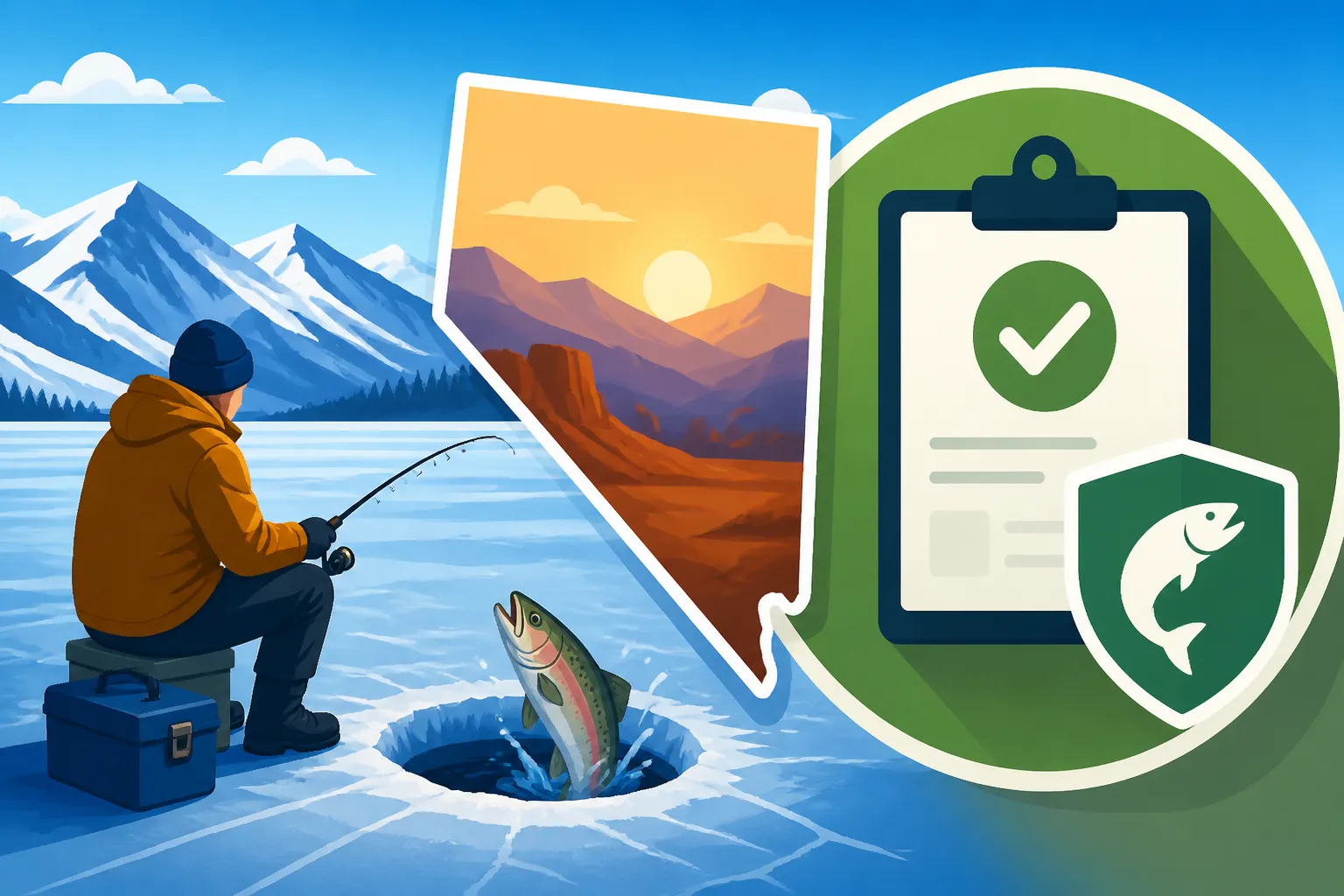
Here's the definitive answer that will save you a lot of worry: No, ice fishing in Nevada does not require a separate or special license beyond a standard valid Nevada fishing license. If you have a current annual, 1-day, or multi-day fishing license that is valid for the dates you plan to be on the ice, you are good to go. The Nevada Department of Wildlife treats ice fishing as simply another method of recreational fishing, just like casting from shore or trolling from a boat.
This often comes as a relief to anglers, especially those who might be visiting from states with more complex licensing structures that include specific endorsements or stamps for certain activities. In Nevada, your general fishing license covers you for virtually all legal fishing methods in public waters, as long as you adhere to all other regulations. The key is to simply have that base fishing license in your possession.
Age and Residency Rules for Ice Fishing
Since ice fishing falls under the general umbrella of Nevada fishing, the age and residency requirements remain exactly the same. This means:
- Under 12 Years Old: Children under the age of 12 do not need a fishing license to ice fish in Nevada. This is fantastic news for families looking to introduce youngsters to the sport during the winter months. It removes a potential barrier and encourages participation. It’s a great opportunity for them to experience the thrill of pulling a perch or trout through the ice without any financial commitment for a license.
- 12 Years and Older: Anyone 12 years of age or older, resident or nonresident, must possess a valid Nevada fishing license. There are no exceptions for ice fishing specifically.
- Residency: Your residency status will determine the cost of your license, but not the requirement itself. If you're a Nevada resident, you'll purchase a resident license; if you're visiting from out of state, you'll need a nonresident license.
For more specific details on who needs a license based on age, you can consult our article on Nevada Youth Fishing License Rules or get a quick answer to the common question, Do kids need a fishing license in Nevada?. The aim is to make it easy for everyone to enjoy the state's diverse fisheries, even when they're frozen over.
Additional Permits or Stamps for Ice Fishing
While you don't need a separate ice fishing license, there's one additional endorsement that might apply to your winter angling adventures: the Trout Stamp. If you plan to fish for trout, which is a very popular target species through the ice in many Nevada lakes, and you are between the ages of 12 and 64, you will need a Nevada Trout Stamp in addition to your regular fishing license.
This is not exclusive to ice fishing; it applies to all trout fishing methods. The trout stamp helps fund specific trout management and stocking programs, ensuring these prized cold-water fish remain abundant. If your ice fishing plans involve only species like yellow perch or black bullhead catfish (which can also be popular ice fishing targets), and you don't anticipate catching or keeping any trout, then a trout stamp isn't required. However, many ice anglers do target trout, so it's a common addition. Always double-check your target species and regulations to be sure. You can learn more about the specific requirements for this endorsement in our Nevada Trout Stamp Requirements guide and understand the differences in Nevada Trout Stamp vs Regular License.
Navigating Nevada's Ice Fishing Waters and Regulations
Having the right license is just the first step. Understanding where you can ice fish and what specific rules apply to those locations is just as critical for a successful and legal outing.
Popular Ice Fishing Destinations in Nevada
Nevada might be known for its deserts, but it boasts some fantastic ice fishing opportunities, particularly in its northern and eastern regions where winter temperatures consistently drop low enough to form safe ice. One of the most renowned spots is Wildhorse Reservoir Nevada Fishing Guide, located near Elko. This reservoir offers excellent chances for rainbow trout, brown trout, and yellow perch through the ice. It's a favorite for many, drawing anglers from across the state.
Other notable locations include Cave Lake State Park near Ely, which is regularly stocked with trout, making it a great option, especially for beginners. Echo Canyon Reservoir and Comins Lake are also popular choices in the eastern part of the state, offering similar opportunities for trout and sometimes other species. High-elevation lakes in the Ruby Mountains can also provide unique ice fishing experiences, though access might be more challenging. These spots provide a welcome escape from the warmer valleys and offer a unique winter fishing experience. For more insights into these frozen hotspots, explore our comprehensive guide on Ice Fishing in Nevada.
Understanding Local and Statewide Regulations
Even with a valid fishing license and a trout stamp (if needed), you're not entirely off the hook. All general fishing regulations for Nevada apply when you're ice fishing. This includes:
- Bag Limits: The number of fish you can legally keep in a day. For example, the statewide trout daily limit might be different from specific lake limits.
- Size Limits: Minimum or maximum lengths for certain species that you can retain.
- Bait Restrictions: While common for open water, some lakes might have specific rules about live bait or artificial lures, even for ice fishing. Always check before you go.
- Hours: General fishing hours apply, although sunrise-to-sunset rules might be less strict in some areas for ice fishing, it's always wise to verify.
- Number of Lines: NDOW regulations typically allow a certain number of lines per angler. For ice fishing, this often means multiple holes, but you must ensure you are actively attending all your lines.
It's absolutely essential to consult the current Nevada Fishing Regulations booklet or the NDOW website for the specific body of water you intend to fish. Regulations can vary significantly from one lake to another, especially concerning bag and size limits. What's legal at Wildhorse might not be legal at Cave Lake. Our articles on Nevada Statewide Bag Limits Explained and Nevada Fishing Regulations Explained can serve as excellent starting points for understanding these critical details.
Safety First: Beyond the License
While not directly license-related, it would be negligent to discuss ice fishing without emphasizing safety. A license gets you legal, but good judgment keeps you safe. Nevada's high desert environment means ice conditions can be notoriously variable, even within the same body of water. Early season ice, late season ice, and areas with currents or springs can be dangerously thin.
Always check ice thickness before venturing out, and do so frequently as you move. A general rule of thumb is at least 4 inches of clear, solid ice for individual foot travel, and more for groups or equipment. Dressing in layers, bringing appropriate ice fishing gear like an ice auger, ice picks (worn around your neck for quick access), a spud bar for testing ice, and flotation devices are not just recommendations – they're lifesavers. An insulated shelter, a reliable heater, and a fully charged phone are also crucial for comfort and emergencies. You can find many essential ice fishing safety items, from ice picks to portable shelters, on Amazon before your trip. Always tell someone where you're going and when you expect to return. Our guide on Ice Fishing Safety on Nevada Reservoirs provides more detailed advice to keep you safe on the ice.
Common Questions and Scenarios for Ice Fishing Licenses
Even with the basic rules in mind, specific situations can lead to more questions. Let's tackle some common scenarios.
Visitors and Out-of-State Anglers
If you're visiting Nevada from another state specifically to experience the thrill of ice fishing, you'll need to purchase a nonresident fishing license. As mentioned earlier, NDOW offers several nonresident options, including 1-day, 5-day, and annual licenses. The best choice depends on the length of your stay and how often you plan to fish throughout the year in Nevada.
It’s important to remember that a fishing license from your home state is not valid in Nevada waters, even if there's a reciprocal agreement for open water fishing on shared border lakes (which are rare for ice fishing, as conditions differ). You must obtain a specific Nevada nonresident license. This ensures you're contributing to the conservation efforts that maintain the very fisheries you're traveling to enjoy. Always plan ahead and purchase your license before hitting the ice to avoid any last-minute complications or potential fines. For detailed requirements for those visiting from outside the state, refer to Nevada Out-of-State Angler Requirements.
Group Trips and Kids' Licenses
Planning an ice fishing trip with family or friends can be a blast, but it's essential to ensure everyone who needs one has the proper license. The same age rules apply across the board: anyone 12 years and older needs a license. This means if you're taking your 10-year-old and your 14-year-old, only the 14-year-old needs a license.
For larger groups, it’s a good practice for the trip organizer to remind everyone of the licensing requirements well in advance. Having a digital copy of your license on your phone is convenient, but it's wise to have a printed copy or laminated card too, especially in very cold conditions where phone batteries can drain quickly. It's also a good idea to ensure any adult accompanying a minor understands the general regulations, especially if the minor is actively fishing.
Consequences of Fishing Without a License
It might seem like a minor oversight, but fishing without a valid license in Nevada is a violation of state law. Game wardens actively patrol fishing areas, including ice fishing spots, and they have the authority to ask to see your license. If you're caught fishing without one, you could face significant fines, confiscation of your fishing gear, and even potential court appearances. The financial penalty alone far outweighs the cost of purchasing a license, not to mention the hassle and embarrassment.
Beyond the legal ramifications, fishing without a license undermines the very conservation efforts that make Nevada's fisheries so special. These rules exist to protect our natural resources and ensure everyone has a fair and sustainable opportunity to enjoy them. So, before you step onto that ice, make absolutely sure your license is current and in your possession. Ignorance of the law is rarely an acceptable excuse. To understand the full implications, read our article on Penalty for fishing without a license in Nevada.
Nevada Fishing License Requirements Table
To make it super easy, here's a quick summary of who needs a license for ice fishing in Nevada, keeping in mind that these are the same requirements for all general fishing in the state:
| Angler Type | Age Requirement | License Required? | Trout Stamp Required (if targeting trout)? | Notes |
|---|---|---|---|---|
| Nevada Resident | Under 12 | No | No | Must provide proof of residency. |
| Nevada Resident | 12-64 | Yes | Yes | Various license types available (Annual, Combo). |
| Nevada Resident | 65+ | Yes (Discounted) | Yes (Discounted) | Senior discounts apply to both. |
| Nonresident | Under 12 | No | No | Children under 12 fish free, regardless of residency. |
| Nonresident | 12 and Older | Yes | Yes | Various license types available (1-day, 5-day, Annual). |
| Disabled Veteran | Any | Yes (Discounted) | Yes (Discounted) | Specific eligibility requirements apply. |
Remember, while this table provides a handy overview, it's always best to verify the latest regulations directly through the NDOW website or official publications before you go.
Disclaimer
Please note that fishing regulations, license costs, and requirements can change. While every effort has been made to provide accurate and up-to-date information, it is always the angler's responsibility to check the latest Nevada Department of Wildlife (NDOW) regulations before heading out on the water. This guide is for informational purposes only and should not be considered legal advice.