Nevada state record channel catfish
The dream of every serious angler often involves landing "the big one" – that monster fish that makes for legendary stories and maybe, just maybe, earns a spot in the record books. For many in the Silver State, that dream centers around the elusive, powerful Nevada state record channel catfish. Chasing a record isn't just about the size of the fish; it's about the challenge, the patience, and the pure thrill of battling a true freshwater giant. This guide will walk you through what it takes to pursue a record-breaking channel catfish in Nevada, from understanding where these behemoths lurk to the specialized gear and techniques you'll need to succeed.
The Allure of the Nevada State Record Channel Catfish
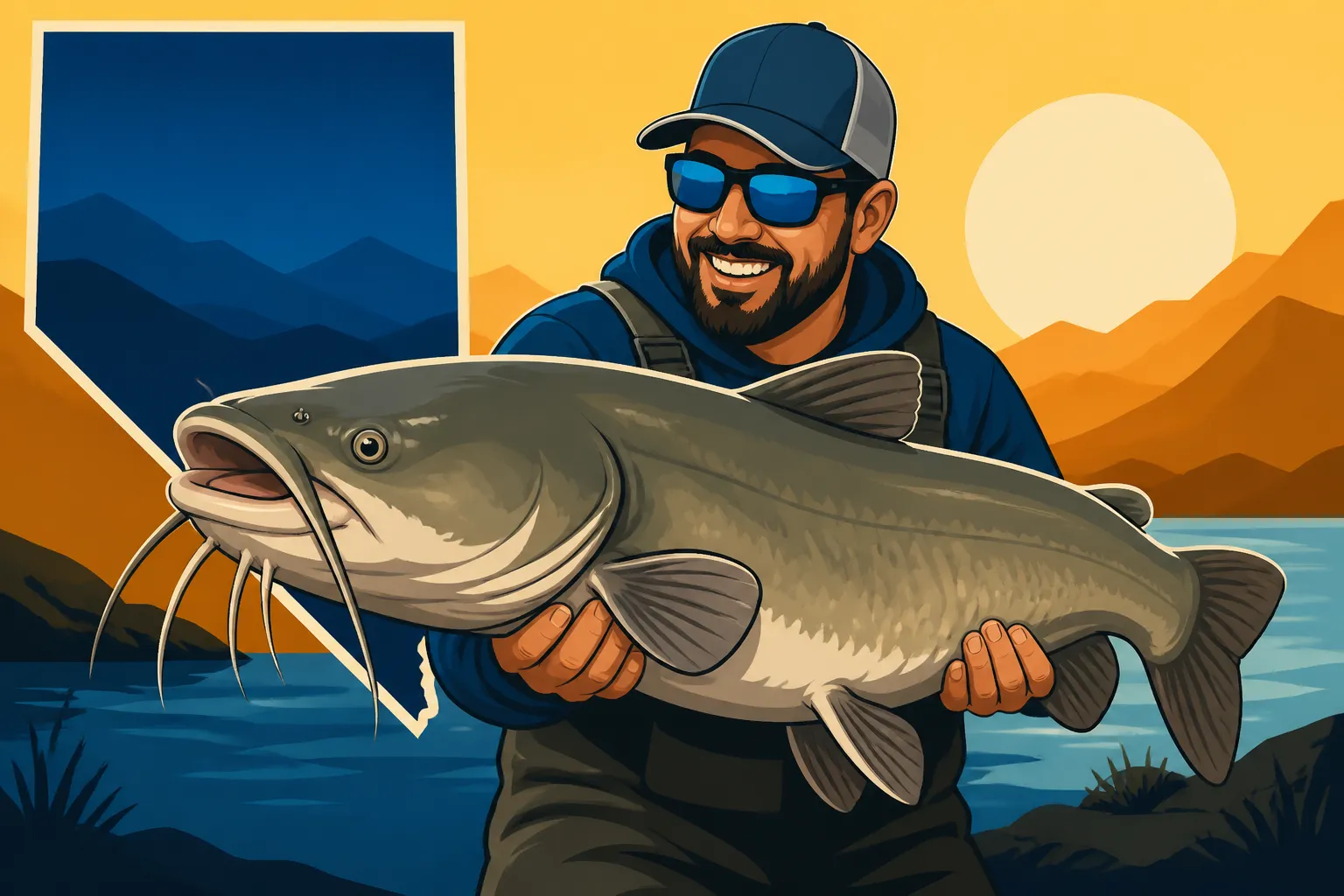
There's something uniquely captivating about channel catfish. They're widespread, often accessible, and can grow to truly impressive sizes. But when we talk about a state record, we're stepping into a whole new league. This isn't your average panfish; this is a fish that has defied the odds, evaded countless anglers, and grown to an extraordinary weight, often measured in the tens of pounds. The current Nevada state record channel catfish is a testament to the potential of our waters and the persistence of anglers. While records are always subject to change, the sheer size and robust health of such a fish make it a prized catch, inspiring countless hours on the water.
Imagine the sheer force as a record-setting catfish takes your bait. These fish are known for their strong runs and deep dives, testing every ounce of your tackle and skill. It's a fight that can last a significant amount of time, a true tug-of-war against a creature perfectly adapted to its environment. The exhilaration of finally bringing such a magnificent specimen to the net is an experience etched in an angler's memory forever. It's not just about bragging rights; it's about connecting with the raw power of nature and proving your mettle against one of Nevada's toughest freshwater adversaries.
What Makes a Channel Catfish a "Trophy"?
A "trophy" channel catfish isn't just heavy; it's often a beautifully proportioned fish, with broad shoulders and a powerful tail. While size is certainly the defining factor for a state record, a trophy also encompasses the overall health and condition of the fish. These are typically older, more experienced individuals that have survived and thrived for many years. Their coloration might be darker, their whiskers thicker, and their eyes hold the wisdom of a seasoned survivor of the depths. Every scar, every mark tells a story of survival in the wild.
Beyond the physical attributes, a trophy catfish carries with it the story of the catch. Was it a long night under the desert stars? Did you brave a sudden storm? Was it a surprise hookup or the culmination of weeks of scouting and targeted effort? These elements contribute to the mystique of a trophy fish, making it more than just a number on a scale. It's about the adventure, the memory, and the bond forged between angler and nature. It's these kinds of stories that fuel the fires of those chasing their own record.
The Current Nevada State Record Channel Catfish
While I can't give you the exact, up-to-the-minute details of the current Nevada state record channel catfish (because official records are maintained by the Nevada Department of Wildlife and can change), I can tell you that it's a fish that exemplifies the incredible growth potential of channel catfish in our state's waters. When a new record is set, it's typically a fish weighing in the upper double-digits, pushing or even exceeding the 30-pound mark. Imagine a fish nearly as long as your leg, with a girth that makes it seem more like a small torpedo than a fish. That's the caliber of channel catfish we're talking about for a state record.
These record-breakers usually come from our larger, more fertile reservoirs, where a consistent food supply and ample habitat allow them to grow to such immense proportions over many years. When an angler lands a fish of this magnitude, it's almost always a combination of specialized knowledge, persistent effort, and a little bit of luck. The record stands as a challenge, a benchmark for all other anglers to aspire to. If you're serious about chasing a record, always check the official Nevada Fish Species Guide for the most current information and the requirements for submitting a potential new record. It's an exciting goal to set your sights on, and Nevada's waters certainly hold the potential for such giants.
Where the Giants Lurk: Top Spots for Record Catfish in Nevada
Nevada's diverse aquatic environments, from vast desert reservoirs to smaller urban ponds and flowing rivers, all hold channel catfish. However, to find those truly colossal, record-contending specimens, you often need to focus your efforts on specific types of water bodies that offer the ideal conditions for these fish to grow exceptionally large. These are typically places with abundant food sources, deep holes for refuge, and stable environments that allow them to live long enough to reach trophy size. Understanding Channel Catfish Habitat in Nevada Reservoirs is key to success.
While a record could theoretically come from anywhere, certain locations consistently produce bigger catfish. The pursuit of a state record means concentrating on these proven areas, but also keeping an eye out for less-pressured spots that might surprise you. Remember, these fish didn't get big by being easy to catch, so patience and persistence are your greatest allies when scouting potential record-holding waters.
Reservoirs and Large Lakes
When most anglers think of trophy channel catfish in Nevada, their minds immediately go to the vast expanses of Lake Mead and Lake Mohave. These massive reservoirs, formed by the Colorado River, are ecological powerhouses. They offer huge amounts of water, diverse underwater structures like canyons, ledges, and submerged trees, and a rich forage base that allows catfish to grow to incredible sizes. The sheer volume of water means there are vast, undisturbed areas where older, larger catfish can thrive away from heavy fishing pressure. You're not just fishing; you're exploring an aquatic wilderness.
Fishing these large lakes for record catfish often means targeting deeper channels, the mouths of coves, and areas where feeder creeks or washes enter the main body of water, bringing in nutrients and baitfish. These larger bodies of water also provide the stable, consistent environment needed for catfish to reach extreme ages and weights. While they can be challenging to navigate due to their size, the rewards of hooking into a true monster from these legendary waters are unparalleled. Many anglers will tell you that the deep, fertile waters are precisely where you'll find those truly legendary cats.
Urban Ponds and Smaller Bodies of Water
While the big reservoirs get a lot of the attention, don't overlook the potential of smaller, often overlooked urban ponds and smaller reservoirs around the state. These waters, especially those that receive regular stocking and management, can sometimes hold surprisingly large channel catfish. The advantage here is often accessibility and concentrated fish populations. A smaller body of water means less area for a giant catfish to hide, making them theoretically easier to locate. The Las Vegas Nevada Urban Pond Fishing Guide might surprise you with the potential for large fish in these accessible locations.
Often, these smaller waters benefit from consistent stocking programs which, while primarily aimed at smaller catchable fish, can inadvertently provide a rich food source for a few older, larger catfish that have managed to avoid being caught. These older fish become apex predators in their micro-ecosystems, growing quickly on the plentiful offerings. While a state record is a long shot from most urban ponds, it’s not impossible, and many anglers have stories of landing surprisingly large catfish from these convenient spots. Plus, it's a great way to hone your skills before tackling the big waters, and you never know when you'll stumble upon a hidden gem.
Gear Up for a Monster: Essential Tackle for Trophy Channel Catfish
Chasing a Nevada state record channel catfish is not the time to skimp on your fishing gear. These fish are powerful, and if you hook into a true giant, your tackle will be put to the ultimate test. Trying to land a 20+ pound catfish on light tackle is a recipe for heartbreak, snapped lines, and lost fish. You need robust, reliable equipment that can withstand powerful runs, deep dives, and the sheer strength of a freshwater behemoth. Think heavy-duty everything, built for battle. Many anglers find reliable, specialized gear on platforms like Amazon, ensuring they have the right tools for the job.
The right gear isn't just about strength; it's about balance and comfort. You'll be holding onto this setup for hours, sometimes in challenging conditions, waiting for that one explosive bite. Investing in quality components from rod tip to hook can make all the difference when that once-in-a-lifetime fish decides to bite. This isn't just fishing; it's an equipment-intensive pursuit, and proper preparation is absolutely crucial. For a comprehensive overview, check out our Nevada Fishing Gear Essentials guide.
Rods, Reels, and Line
For trophy channel catfish, you'll want a heavy-action or medium-heavy action rod, typically between 7 and 9 feet long. This length provides the leverage needed to cast heavy baits and fight strong fish, while also offering good backbone to muscle them out of snags. Look for rods with a strong, durable blank and sturdy guides. A common choice is a quality fiberglass or composite rod known for its durability and forgiving action under heavy loads. Pair this with a robust baitcasting reel or a large, heavy-duty spinning reel (think sizes 6000-8000). While Best Spinning Reels for Trout Fishing might be for lighter work, the principles of a strong drag and smooth retrieve apply to the heavier reels needed for catfish. The reel should have a smooth, powerful drag system that can be precisely adjusted, as this will be your main tool for tiring out a big fish.
When it comes to line, forget the finesse stuff. You'll want heavy monofilament or braided line. Many anglers opt for braided line in the 30-50 pound test range for its incredible strength, low stretch, and sensitivity, allowing you to feel even subtle bites in deep water. If using braid, a leader of tough monofilament or fluorocarbon (20-40 pound test) is often a good idea, as it provides a bit of stretch and can be more abrasion-resistant against rocky bottoms or catfish teeth. Some anglers prefer heavy monofilament for its shock absorption, typically 20-30 pound test. Finding the Best Line for Desert Reservoir Fishing often means balancing strength with invisibility. Always check your knots and inspect your line regularly for any nicks or fraying; a weak point can mean losing that fish of a lifetime.
Baits and Rigs for Big Cats
Channel catfish are primarily scavengers and opportunistic predators, so strong-smelling, natural baits are often the most effective for attracting big ones. The classics include cut baits (shad, carp, or even mackerel), chicken livers, and various prepared "stink baits." For truly trophy-sized fish, bigger baits often work better – a whole smaller shad or a large chunk of cut bait is more likely to entice a giant than a tiny morsel. The Best Bait for Channel Catfish at Night will often be something with a potent aroma that disperses well in the water. Some anglers swear by specific types of cheese or dough balls infused with strong scents, but fresh, natural bait is hard to beat for records.
The rigging for these baits needs to be equally robust. A common and effective setup is a Carolina rig or a slip-sinker rig. This involves a heavy egg sinker (1-3 ounces or more, depending on current and depth) above a swivel, followed by a sturdy leader (12-24 inches) and a strong, sharp hook. Circle hooks are highly recommended, often in sizes 5/0 to 8/0, as they are designed to hook fish in the corner of the mouth, minimizing deep hooking and making catch-and-release easier and safer for both the fish and the angler. Learning How to rig a bait for catfish in a reservoir effectively can significantly increase your chances of success. Ensure all your terminal tackle – hooks, swivels, and snaps – are heavy-duty and rated for the kind of fight a record fish will put up.
Techniques for Targeting Record Catfish
Simply having the right gear and bait isn't enough; you also need a strategic approach. Trophy channel catfish are often wary, experienced fish that have seen it all. They won't just bite at anything, anytime. Understanding their behavior, preferred feeding times, and prime locations is critical to increasing your odds of a record-breaking catch. This often involves patience, observation, and a willingness to adapt your methods based on conditions. The most successful record hunters aren't just lucky; they're methodical and knowledgeable.
It's about thinking like a catfish. Where would a large, dominant fish position itself to ambush food or feel secure? What time of day or night offers the best cover and feeding opportunities? These are the questions you need to ask yourself. Combining sound technique with the right location and timing dramatically tips the odds in your favor.
Night Fishing and Prime Times
Channel catfish are notoriously more active after dark, especially the larger specimens. As the sun sets and the water cools, these nocturnal hunters emerge from deeper, cooler waters to patrol shallower areas, coves, and flats in search of food. This makes night fishing one of the most productive times to target trophy catfish. You'll need good headlamps, glow sticks for your rod tips, and a keen sense of hearing to detect those subtle bites in the darkness. Our guide on Night Fishing Techniques for Striped Bass can offer some transferable strategies for evening angling.
Beyond the cover of darkness, other prime times exist. Low-light conditions at dawn and dusk can also be highly productive. During the heat of a Nevada summer day, big catfish will often retreat to deeper, cooler water. However, cloudy days, approaching storms, or even slightly stained water conditions can sometimes encourage them to feed more actively during daylight hours. Pay attention to lunar cycles as well; many catfishermen swear by full moon and new moon phases for increased activity. Timing really is everything when you're after a fish of this magnitude.
Understanding Catfish Behavior
To consistently catch trophy channel catfish, you need to understand their behavior. They are primarily bottom dwellers, often found near structures like submerged trees, rock piles, ledges, and channel drop-offs. These structures provide cover, ambush points for prey, and protection from strong currents. In reservoirs, look for old river channels, humps, and points that extend into deeper water. These are natural highways and feeding grounds for large fish. Catfish also have an incredible sense of smell, which is why scent-rich baits are so effective. They can home in on a strong smell from a considerable distance, especially in murky water.
Temperature also plays a significant role. During warmer months, channel catfish will often spend their days in deeper, cooler water, becoming more active as the water cools in the evenings. In colder months, they might congregate in even deeper holes or slower-moving sections of rivers and reservoirs. Observing patterns, using a depth finder to locate structure and depth changes, and understanding the nuances of the water body you're fishing are all crucial. Learning how these fish move and react to environmental changes is an ongoing process, but it's what separates a lucky catch from a consistent record pursuit.
A Comparative Look at Catfish Sizes
To truly appreciate the quest for a Nevada state record channel catfish, it's helpful to understand the difference between an average catch and a trophy. This table provides a quick comparison to illustrate the scale of the fish we're discussing.
| Characteristic | Average Channel Catfish (Nevada) | Trophy Channel Catfish (Nevada) | Nevada State Record Target |
|---|---|---|---|
| Weight | 1-5 pounds | 10-20 pounds | 25+ pounds |
| Length | 12-24 inches | 25-35 inches | 36+ inches |
| Girth | 6-12 inches | 15-20 inches | 20+ inches |
| Age | 2-5 years | 10-20 years | 20+ years |
| Diet | Insects, small fish, detritus | Larger baitfish, crawfish, carrion | Large, consistent food sources |
| Habitat | Rivers, ponds, shallow coves | Deep channels, large structures, main lake | Unpressured deep water, abundant forage |
| Fight | Strong pulls, good resistance | Powerful runs, deep dives, relentless | Sustained, brutal battle, tests all gear |
Note: All figures are approximate and can vary based on specific water body and conditions. The "Nevada State Record Target" refers to the general caliber of fish that would challenge the current record.
The pursuit of a Nevada state record channel catfish is an incredible journey, blending skill, patience, and a deep appreciation for these powerful freshwater giants. It's a goal that demands the right knowledge, the appropriate heavy-duty gear (which you can often find from retailers like Amazon), and a commitment to spending time on the water, often under the cover of darkness. The thrill of hooking into a fish that could potentially rewrite the record books is an experience unlike any other. So, get your heavy tackle ready, rig up some potent bait, and head out to those prime Nevada waters. You never know when your next cast could connect you with a legend.
Disclaimer
This article is for general informational purposes only and does not constitute professional advice. Laws, prices and regulations vary by location and change over time. Consult a qualified professional for guidance on your specific situation.