Yellow perch size at Wildhorse Reservoir
If you've ever cast a line into the clear, often windswept waters of Wildhorse Reservoir, you know the thrill and anticipation that comes with targeting its feisty yellow perch. It's common to wonder what kind of size you can expect to pull out of this fantastic northeastern Nevada fishery. This guide is here to shed some light on the typical yellow perch size at Wildhorse Reservoir, what makes them grow, and how you can boost your chances of landing a few real beauties.
Understanding Wildhorse Reservoir's Yellow Perch Fishery
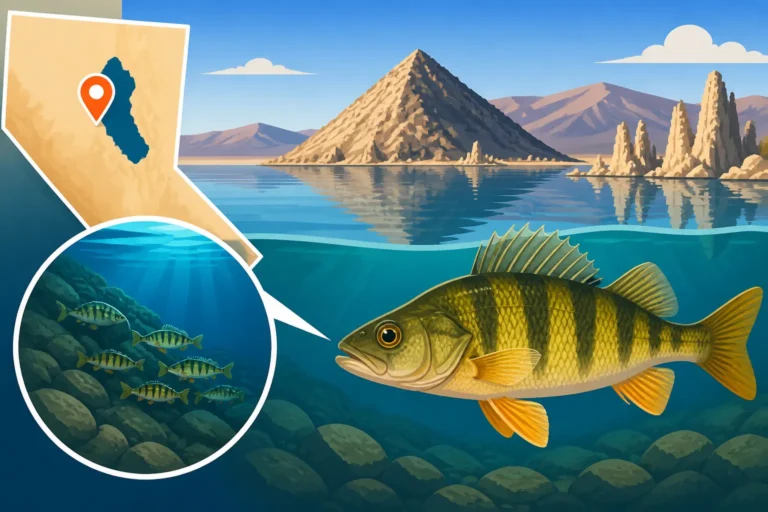
Wildhorse Reservoir, tucked away in the high desert of northeastern Nevada near Elko, is a gem for anglers. It's a vast body of water, and its ecosystem plays a huge role in the health and size of its fish populations, especially the yellow perch. Perch here thrive in the nutrient-rich waters, finding ample food and suitable habitat to grow.
The reservoir's unique blend of clear water, varying depths, and abundant aquatic vegetation provides an ideal environment for perch. They're not just surviving here; they're truly flourishing. This means that while you might find smaller panfish in some urban ponds, Wildhorse generally offers a more robust perch population with a healthier size structure. Understanding this foundational aspect of the fishery helps us appreciate why Wildhorse is such a popular spot for these striped beauties. If you're planning a trip, be sure to check out our Wildhorse Reservoir Nevada Fishing Guide for more comprehensive details on this incredible location.
Wildhorse's Ecosystem and Forage Base
The health of any fishery, and the size of its fish, boils down to one primary factor: food. Wildhorse Reservoir boasts a strong forage base, which is a big reason why its yellow perch often impress anglers. These perch are opportunistic feeders, and Wildhorse provides them with a smorgasbord of options. From insect larvae and small crustaceans to smaller baitfish, there's a constant supply of calories for them to grow.
This rich diet contributes directly to their growth rate and overall condition. When fish have plenty to eat, they grow faster and become plump and healthy. It’s not uncommon to clean a Wildhorse perch and find its belly full of various aquatic treats, a testament to the reservoir's productivity. A robust forage base means less competition for food among the perch themselves, which helps prevent widespread stunting that can sometimes plague other fisheries. This healthy food chain is a critical component of what makes Wildhorse perch a joy to catch.
Environmental Factors Affecting Perch Growth
Beyond food, several environmental factors influence the size yellow perch reach at Wildhorse. Water temperature, oxygen levels, and overall water quality are all pieces of this complex puzzle. Wildhorse experiences distinct seasons, with cold winters that lead to ice fishing opportunities and warm summers. These seasonal changes dictate fish metabolism and feeding patterns.
During warmer months, perch are more active and feed aggressively, putting on weight rapidly. In winter, their metabolism slows, but they still feed, albeit less intensely. Stable water levels, good oxygenation throughout the water column, and minimal pollution all contribute to a stress-free environment where fish can grow efficiently. Extreme fluctuations or poor water conditions can stress fish, diverting energy from growth to survival. Thankfully, Wildhorse generally provides a stable and healthy environment, which allows the perch to reach respectable sizes. You can learn more about general perch behavior in our Yellow Perch Fishing in Nevada article.
Typical Size Range and What Influences It
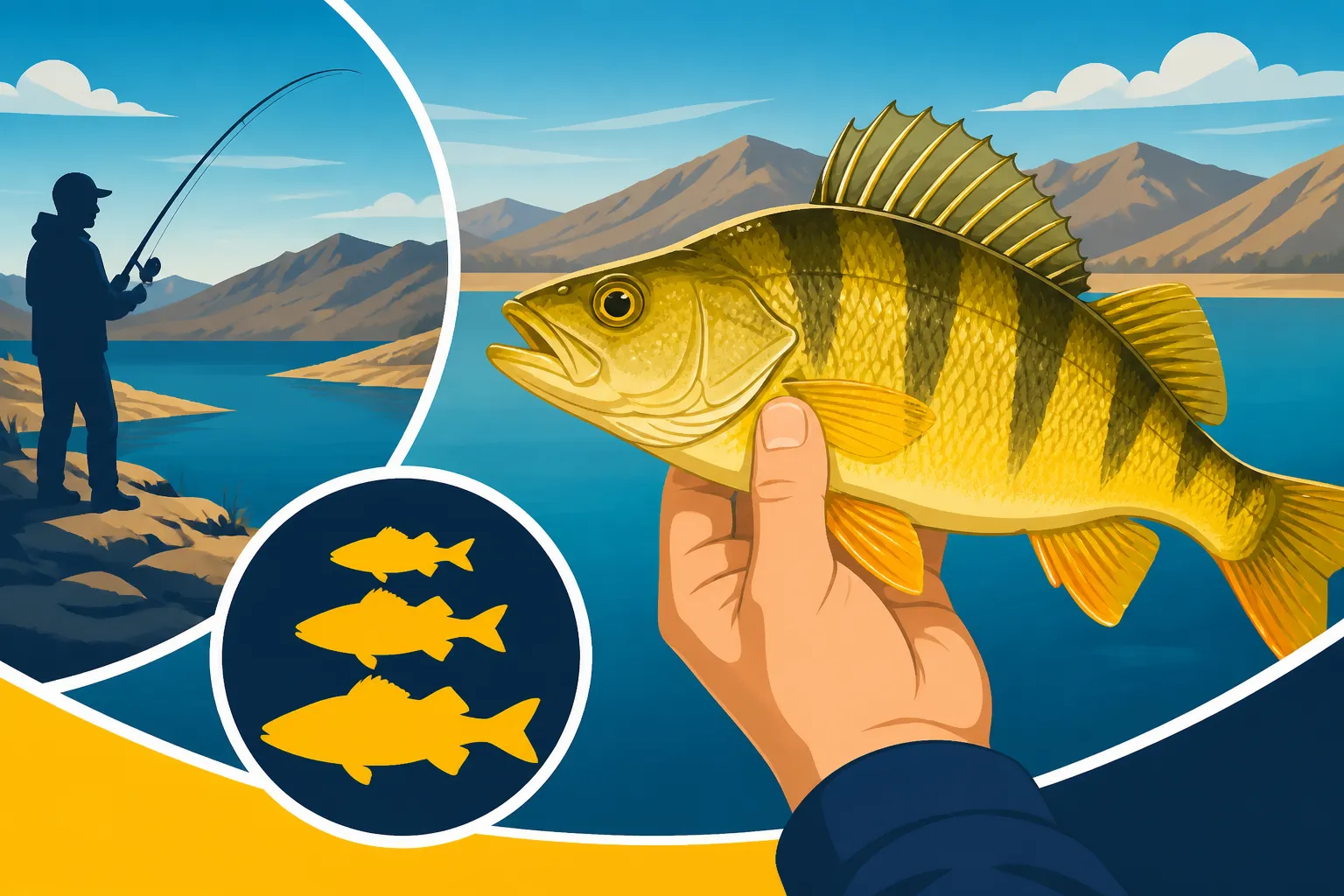
When you talk about yellow perch at Wildhorse Reservoir, you're generally talking about a pretty solid fish. Anglers often report catching fish in the 8 to 12-inch range with good girth. These aren't tiny baitfish; they're respectable panfish that put up a fun fight and make for an excellent meal.
While the 8-12 inch range is common, Wildhorse also has a reputation for producing some "slab" perch that push the limits, sometimes reaching 13 to 15 inches or even a bit more. These larger specimens are often older, well-fed fish that have managed to avoid predators and anglers for several seasons. It’s these bigger fish that really get the heart pumping when you feel that tell-tale tap on your line!
Average Length and Weight Expectations
For most anglers visiting Wildhorse, you should realistically expect to encounter yellow perch in the 8 to 12-inch range. A perch in this size category typically weighs anywhere from a half-pound to a full pound, sometimes a little more if it's a particularly stout specimen. These are fantastic eating fish, offering firm, white fillets.
It's not unusual to catch several fish within this size bracket during a successful outing. The consistency of these "eater" size fish is what makes Wildhorse so popular. Of course, individual fish will vary, but this average gives you a good idea of what your cooler might look like by the end of the day.
| Perch Size Category | Typical Length Range | Approximate Weight Range | Notable Characteristics |
|---|---|---|---|
| Common Keeper | 8-10 inches | 0.5 – 0.75 pounds | Good eating size, abundant |
| Solid Perch | 10-12 inches | 0.75 – 1.25 pounds | Excellent eating, strong fight |
| Trophy "Slab" | 13+ inches | 1.25+ pounds | Less common, challenging to find |
Factors Leading to Larger Perch
Landing those bigger "slab" perch at Wildhorse often comes down to a combination of age, genetics, and favorable conditions. Older perch naturally have had more time to grow, assuming they've had a consistent food supply. Wildhorse's robust ecosystem means these older fish aren't usually stunted; they continue to add length and girth.
Genetics also play a role, with some fish simply having the genetic predisposition to grow larger than their peers. Beyond that, a stable and abundant food source, good water quality, and perhaps slightly less fishing pressure in certain, harder-to-reach areas of the reservoir can allow these giants to thrive. Anglers who consistently target deeper water or less accessible coves sometimes find a better ratio of larger perch. Patience and understanding the seasonal movements of the fish are key to encountering these bigger specimens.
Tips for Targeting Larger Perch at Wildhorse
If you're heading to Wildhorse with dreams of a true trophy perch, you'll want to adjust your approach a bit. While the smaller fish are plentiful and eager to bite, the bigger ones often require a bit more strategy. It's a rewarding challenge, and when you finally hoist one of those plump, golden-sided slabs, you'll know it was worth the extra effort.
Remember, fishing is as much about understanding the fish's habits as it is about your tackle. The biggest perch tend to be a little more wary and less aggressive than the smaller, more abundant ones. This means you might need to slow down your presentation, use different baits, and explore various depths. For more general advice on fishing for these tasty fish, check out our guide on Nevada Fish Species Guide.
Seasonal Perch Movement and Behavior
Yellow perch at Wildhorse Reservoir exhibit predictable seasonal movements that can help you target larger fish. In the spring, as water temperatures begin to rise, perch move into shallower waters, often around submerged vegetation and rocky areas, to spawn. This can be a prime time to catch numbers of good-sized fish, as they are actively feeding before and after spawning.
During the warmer summer months, many of the larger perch will retreat to deeper, cooler water. Look for them around drop-offs, underwater humps, and the edges of weed lines in 15-30 feet of water. As fall approaches and temperatures cool again, perch will once again become more active, feeding heavily in preparation for winter, often moving back towards mid-depth structures. Winter brings ice fishing, where large schools of perch can be found congregated on flats or near submerged structures, making for excellent action if you can locate them. Knowing these patterns, and checking out resources like Best Time of Year to Fish in Nevada, can drastically improve your success.
Effective Techniques for Trophy Perch
Catching trophy perch at Wildhorse often requires a slightly different approach than simply dropping a worm on a hook. These larger fish can be more discerning, so finesse techniques often work best. Vertical jigging with small spoons, blade baits, or soft plastics is incredibly effective, especially when you mark fish on your sonar. Tip your jig with a piece of mealworm, a perch eye (if legal and you've kept a smaller one), or a small piece of nightcrawler for added scent and appeal.
Another excellent method is a slip bobber rig, especially from shore or a slow-drifting boat. This allows you to present live bait like a minnow or a juicy nightcrawler at a precise depth. Focus on structure – rocky points, submerged timber, weed edges, and sudden depth changes. Don't be afraid to experiment with retrieve speeds and jigging motions; sometimes a subtle twitch is all it takes to entice a reluctant behemoth. You'll find a lot of useful information on different techniques in our Ice Fishing in Nevada guide, as jigging is a core method for winter perch.
Bait and Lure Selection for Big Perch
When it comes to bait and lures for larger yellow perch at Wildhorse, think "small but mighty." While they'll hit smaller offerings, don't shy away from slightly larger presentations than you might use for typical panfish. Small jigging spoons in silver, gold, or glow-in-the-dark colors are phenomenal, especially when tipped. Brands like Northland Tackle and Lindy often offer great options.
Soft plastics, such as small grub tails, minnow imitations, or tiny tubes, fished on a 1/16 to 1/8 ounce jig head, can also be deadly. Natural colors like greens, browns, and whites often perform well, but don't overlook bright chartreuse or orange, especially in stained water or under the ice. Live bait is almost always a winner for perch. Small minnows, nightcrawler pieces, and mealworms are perennial favorites. You can find a fantastic selection of these specialized lures and baits online, and often get them delivered quickly from retailers like Amazon. Having a variety on hand allows you to adapt to what the fish are preferring on any given day.
Gear and Best Practices for Perch Success
Having the right gear makes a huge difference, especially when you're trying to land those bigger Wildhorse perch. While you don't need heavy-duty saltwater tackle, a well-balanced setup will improve your casting, bite detection, and overall control once you've hooked into a nice one. Beyond the equipment, practicing responsible angling ensures that Wildhorse remains a fantastic fishery for years to come.
Remember that fishing is an ongoing learning process. Every trip to Wildhorse offers new insights into what the fish are doing and what gear they're responding to. Don't be afraid to try new things, but always keep a few reliable setups ready to go. Our general guide on Nevada Fishing Gear Essentials can give you a great overview of what to consider.
Recommended Rod and Reel Setups
For targeting yellow perch at Wildhorse, a light to ultralight spinning rod is your best friend. A rod between 5'6" and 6'6" in length with a fast or extra-fast action will give you the sensitivity to feel subtle bites and the backbone to handle a feisty perch. Pair this with a small, lightweight spinning reel (size 1000 or 2000) spooled with 4-6 pound test monofilament or fluorocarbon line. Some anglers prefer a thin braided line (6-8 pound test) with a fluorocarbon leader for even greater sensitivity and strength, especially when jigging in deeper water.
This setup offers excellent casting distance for those light baits, superb bite detection, and enough power to bring in even the larger perch without overwhelming them. A good drag system on your reel is crucial to prevent line breaks, particularly if you unexpectedly hook into one of Wildhorse's bigger trout or bass while perch fishing!
Essential Tackle Box Additions
Your tackle box for Wildhorse perch should be well-stocked with a variety of small offerings. Here's a quick checklist of essentials:
- Jig Heads: 1/16 oz, 1/8 oz, and 1/4 oz in various hook sizes (e.g., #6, #4).
- Small Spoons: Jigging spoons in silver, gold, and glow patterns (e.g., Kastmasters, Swedish Pimples).
- Soft Plastics: Small grub tails (1-2 inch), minnow imitations, tube jigs in natural and bright colors.
- Live Bait Hooks: Small Aberdeen or "wormer" hooks (sizes #8 to #4).
- Weights: Split shots, small bullet weights, or drop shot weights.
- Bobbers: Slip bobbers and small clip-on bobbers.
- Swivels: Small barrel swivels to prevent line twist.
Consider a small tackle binder or a dedicated perch box to keep these smaller items organized. Stocking up on these items is easy online, many anglers find that Amazon offers a fantastic selection and competitive prices for these specific small tackle components.
Responsible Angling and Conservation
Beyond the thrill of the catch, practicing responsible angling is paramount, especially at a popular and productive fishery like Wildhorse Reservoir. Always be mindful of the daily bag and possession limits for yellow perch, even though they are generally quite generous. While perch are delicious, only keep what you'll reasonably eat, and consider releasing some of the larger breeding-size fish to help sustain the population.
Proper handling of fish you intend to release is also crucial. Wet your hands before touching fish, support their body weight, and quickly return them to the water. Avoid excessive handling or dragging fish on dry surfaces. Dispose of all trash, including discarded fishing line, properly. Leave the shoreline cleaner than you found it. By following these simple guidelines, we can all do our part to ensure that Wildhorse Reservoir continues to be a vibrant and productive fishery for yellow perch and all other species for generations of anglers to enjoy. Check the Nevada Fishing Regulations Explained for any specific rules for Wildhorse.
Disclaimer
This article is for general informational purposes only and does not constitute professional advice. Laws, prices and regulations vary by location and change over time. Consult a qualified professional for guidance on your specific situation.