Where yellow perch are found in Nevada
It’s easy to get caught up in the allure of Nevada’s famous trout and bass fisheries, but for many anglers, there’s a quiet thrill in pursuing a different kind of fish: the humble, yet feisty, yellow perch. Many folks don't even realize they're here! If you've been wondering where you might actually find these striped beauties in the Silver State, you've come to the right place. This comprehensive guide will tell you exactly where to look for yellow perch in Nevada, why they thrive in those specific locations, and how you can get in on the action.
The Primary Perch Stronghold: Wildhorse Reservoir
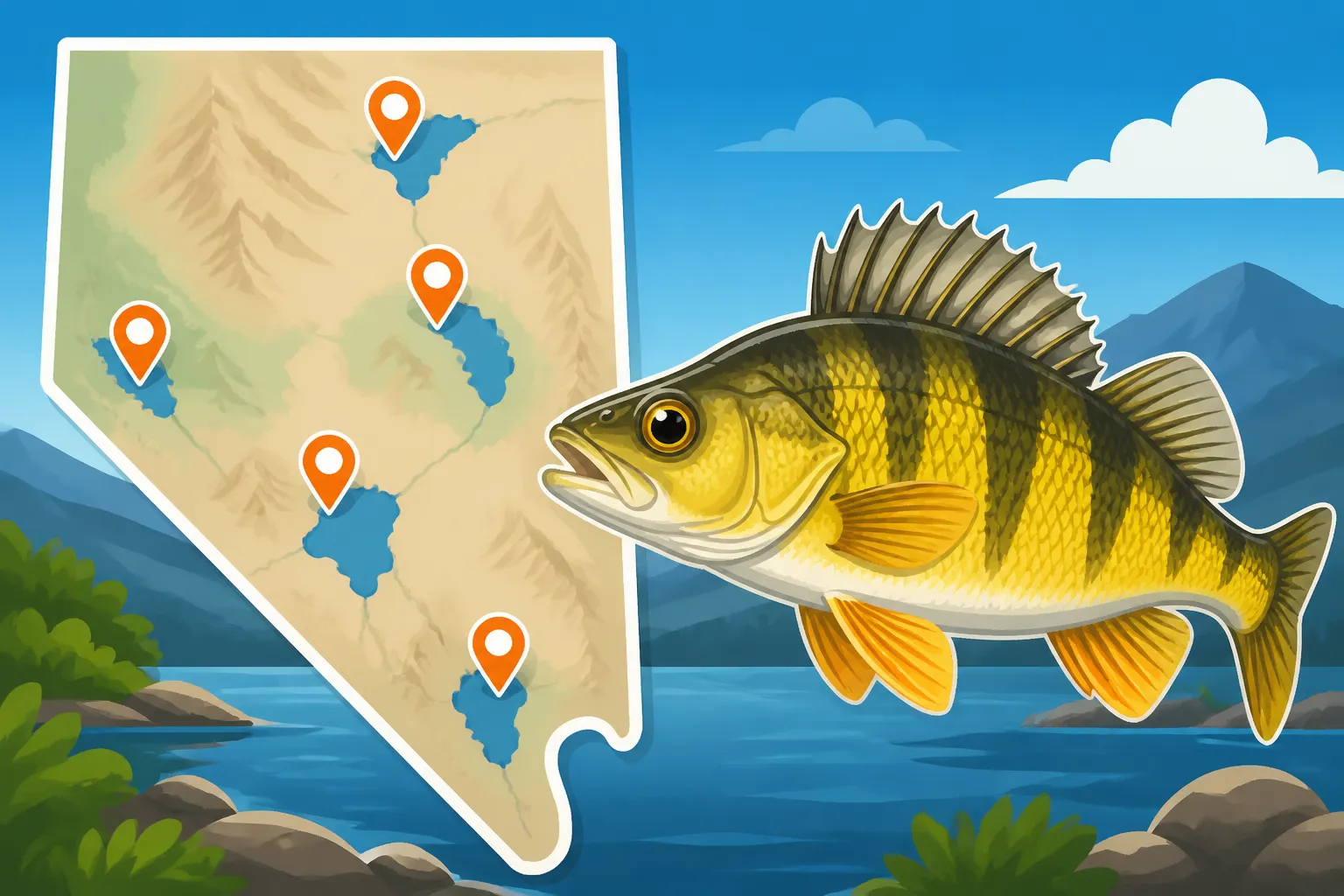
When you talk about yellow perch in Nevada, one name rises above all others: Wildhorse Reservoir. Located in northeastern Nevada, near the Idaho border, this expansive body of water is, without a doubt, the undisputed hotspot for yellow perch in the state. For many years, it has been the most consistent and productive fishery for these panfish, drawing anglers from across the region.
Wildhorse Reservoir's Unique Ecosystem for Perch
Wildhorse Reservoir isn't just a random body of water; its characteristics create a near-perfect environment for yellow perch to thrive. It's a relatively shallow reservoir in many areas, with abundant aquatic vegetation, especially during warmer months. This vegetation serves a dual purpose: it provides crucial cover for young perch to hide from predators, and it fosters a rich invertebrate population that forms the cornerstone of the perch's diet. Think of it as a nursery and a buffet all rolled into one. The water clarity can vary, but generally, it's productive enough to support a robust food chain, from microscopic organisms to the larger insects and baitfish that mature perch prey upon.
The topography of Wildhorse Reservoir also plays a significant role. It features numerous coves, submerged structures, and gradual drop-offs that yellow perch absolutely love. These areas offer ideal spawning grounds in the spring, and excellent foraging opportunities throughout the year. When you add the consistent stocking efforts by the Nevada Department of Wildlife (NDOW) for other species, such as trout, the ecosystem supports a diverse fish population, keeping the perch active and growing. If you're planning a trip to this area, our Wildhorse Reservoir Nevada Fishing Guide has even more detailed information about the reservoir itself.
Beyond Wildhorse: Limited and Historic Perch Sightings
While Wildhorse Reservoir is the reigning champion, some anglers might recall or hear whispers of yellow perch in other Nevada waters. It’s important to clarify that sustained, healthy populations outside of Wildhorse are exceptionally rare, if they exist at all, in recent times. Historically, there might have been occasional stockings or accidental introductions of yellow perch into other reservoirs or ponds. However, these populations generally haven't taken hold or flourished to the extent seen at Wildhorse.
Nevada's desert environment presents unique challenges for many fish species. The extreme temperature fluctuations, variable water levels, and specific habitat requirements make it difficult for non-native species to establish long-term, self-sustaining populations without active management. Therefore, if your goal is to specifically target and catch yellow perch in Nevada, Wildhorse Reservoir remains your best, and frankly, only reliable bet. Don't waste your precious fishing time chasing ghosts in other waters when a proven fishery awaits you up north.
Why Yellow Perch Thrive in Specific Nevada Waters
Understanding where yellow perch are found is one thing, but knowing why they thrive there provides valuable insight into their behavior and how to catch them. It all boils down to a combination of favorable habitat conditions, food availability, and the specific management strategies employed by the Nevada Department of Wildlife.
Ideal Habitat Conditions for Yellow Perch
Yellow perch are not particularly picky eaters, but they are quite particular about their environment. They prefer cool to moderately warm waters, typically ranging from 65 to 75 degrees Fahrenheit, though they can tolerate colder temperatures, making them prime candidates for ice fishing in appropriate conditions. Shallow, vegetated areas are their bread and butter. Think of shallow bays, weed beds, and areas with submerged timber or rock piles – basically, any structure that offers cover and a place for their prey to hide.
The presence of ample aquatic vegetation is perhaps the single most important factor. This isn't just about cover; it's about the entire food web. Weeds host insects, insect larvae, and small crustaceans, all of which are primary food sources for perch. Without this robust invertebrate population, a perch population would struggle to grow and sustain itself. Additionally, clear to moderately turbid water is preferred, as it allows them to see their prey while still offering enough cover to feel secure. Wildhorse Reservoir perfectly fits this description, which is why it's such a productive perch fishery.
Stocking Efforts and Population Management
While yellow perch can reproduce naturally, their numbers and distribution in Nevada are heavily influenced by human intervention, primarily through stocking. The Nevada Department of Wildlife (NDOW) plays a crucial role in managing fish populations across the state. While they primarily focus on species like trout and bass, their broader ecosystem management indirectly benefits other species. However, when it comes to yellow perch, specific efforts often involve ensuring a balanced ecosystem where they can thrive.
For Wildhorse Reservoir, the perch population is largely self-sustaining due to the ideal conditions. However, NDOW's management includes regular surveys and monitoring to assess the health and size of the fish populations. They also manage water levels, regulate angler harvest, and control invasive species, all of which contribute to a healthy environment for yellow perch. For more general information on how fish populations are managed, you might find our Nevada Trout Stocking Schedule interesting, as it highlights the type of active management that benefits many species, even if perch aren't specifically mentioned in a stocking schedule.
Strategies for Finding and Catching Nevada Yellow Perch
So, you've decided to head to Wildhorse Reservoir for some perch action – fantastic! Now, let's talk about how to actually find and catch these willing biters. Perch can be incredibly fun to target, especially for families or new anglers, but they also offer a rewarding challenge for seasoned pros.
Best Times and Seasons for Perch Fishing
Yellow perch are active year-round, but certain seasons offer better opportunities.
- Spring (Pre-spawn & Spawn): As water temperatures warm into the 50s and low 60s Fahrenheit, perch move into shallower waters to spawn. This is a prime time for shore anglers, as they'll be concentrated in easily accessible areas. Look for them around weed beds, submerged brush, and rocky points in 2-10 feet of water.
- Summer: Perch will spread out a bit more, often retreating to deeper, cooler water during the heat of the day, particularly during high noon. Early mornings and late evenings will find them moving back into shallower feeding zones. Target shaded areas, deep weed lines, and underwater humps.
- Fall: This is another fantastic time to target perch. As waters cool, they become very active, feeding heavily to pack on fat for the winter. They'll often school up in larger groups, making it possible to catch many fish once you find a school. Look for them along drop-offs and the edges of weed beds.
- Winter (Ice Fishing): If Wildhorse Reservoir freezes sufficiently, ice fishing for yellow perch can be an absolute blast. They'll congregate in predictable areas, often still relating to structure and deeper points near historical weed beds. Our Ice Fishing in Nevada guide can give you a great overview of the sport, and Ice Fishing Gear for Nevada Lakes will help you get properly outfitted for the chilly conditions.
Essential Gear and Tackle for Perch
You don't need heavy-duty gear to catch yellow perch; in fact, lighter tackle often performs best due to their relatively small mouths and subtle bites.
- Rods and Reels: An ultralight or light-action spinning rod, typically 5 to 6.5 feet long, paired with a small spinning reel (size 1000 or 2000) spooled with 4-6 pound test monofilament or fluorocarbon line is ideal. This setup allows for maximum sensitivity to detect those light bites. You can often find great deals on these types of rods and reels on Amazon, making it easy to get started without breaking the bank.
- Baits: Live bait is often king for perch. Small minnows, worms (especially red wigglers or nightcrawlers cut into pieces), and even waxworms or mealworms are incredibly effective. A simple bobber rig with a small hook (size 6-10) and a split shot weight is a classic setup that works wonders.
- Lures: Small jigs are excellent for perch. Think tiny panfish jigs, micro-jigs, or ice fishing jigs tipped with a small piece of worm, a waxworm, or a plastic grub tail. Colors like chartreuse, white, pink, and orange are often very effective. Spoons, especially slender ones, can also draw strikes. Again, a quick search on Amazon will reveal a plethora of options for these specific small baits and lures, allowing you to stock up before your trip. For more general tackle advice, check out our Best Tackle for Nevada Trout Fishing guide, as many of the principles for small lures and light lines apply to perch.
- Other Essentials: Don't forget a pair of small pliers for hook removal, a small cooler to keep your catch fresh, and appropriate sun protection, especially when fishing in Nevada's often bright conditions. Our Nevada Fishing Gear Essentials outlines other crucial items you might need.
Effective Techniques for Catching Perch
Yellow perch are schooling fish, which means if you find one, you've likely found a whole group!
- Bobber Fishing: This is arguably the most common and effective method, especially for beginners or those fishing from shore. Cast your bait (worm, minnow) under a bobber and let it drift or sit near weed lines, submerged structures, or drop-offs. Watch for the bobber to dip or move horizontally.
- Jigging: From a boat, kayak, or even through the ice, vertical jigging is deadly. Drop a small jig or spoon directly over structure or a marked school of fish. Use short, sharp lifts and drops, pausing briefly between movements. Vary your retrieve and depth until you find what the fish prefer. Using a fish finder can dramatically increase your success here by helping you pinpoint schools.
- Casting and Retrieving: Small crankbaits or spinners can also entice active perch. Cast them out and use a slow, steady retrieve along weed edges or over submerged cover. Experiment with retrieve speed and depth until you get bites.
Remember, perch are often finicky, so sometimes the slightest change in presentation can make all the difference. Don't be afraid to experiment with different baits, lures, colors, and depths until you crack the code for that particular day.
Contributing to Sustainable Perch Fishing
Responsible angling isn't just a good idea; it's essential for maintaining healthy fish populations for future generations of anglers. When you're out chasing yellow perch in Nevada, keeping conservation in mind is just as important as knowing your tackle.
Understanding Regulations and Limits
Before you even cast a line, always make sure you're familiar with the current Nevada Fishing Regulations Explained. These regulations are put in place by NDOW to protect fish populations and ensure sustainable fishing. For yellow perch specifically, there will be daily bag limits and possession limits, which dictate how many fish you can keep. These numbers can change, so consulting the most recent fishing proclamation is key.
| Body of Water | Target Species | Daily Limit (Perch) | Size Restrictions (Perch) | Notes |
|---|---|---|---|---|
| Wildhorse Reservoir | Yellow Perch | Consult NDOW | Consult NDOW | Primary perch fishery in Nevada. Check regulations annually. |
| Other Nevada Waters | Yellow Perch | Consult NDOW | Consult NDOW | Perch are rare or non-existent in most other waters. Check for specific exceptions. |
| General Statewide Rule | Panfish | Consult NDOW | Consult NDOW | Applies to species not specifically listed. |
Always check the most current Nevada Department of Wildlife fishing regulations for precise numbers before your trip, as these can be updated. Our guide on Nevada Statewide Bag Limits Explained offers a broader look at how these regulations apply to various species across the state. Remember, violating these rules can lead to significant penalties, so it's always better to be safe than sorry. You'll also need a valid Nevada Fishing License Guide before you even think about fishing anywhere in the state!
Practicing Responsible Angling
Beyond adhering to the legal limits, practicing responsible angling helps preserve the fishery.
- Minimize Stress on Released Fish: If you're practicing catch and release, handle fish gently with wet hands, avoid touching their gills, and release them quickly. This is especially important for smaller perch you might not want to keep. While perch are generally hardy, every effort to minimize stress improves their survival rate.
- Dispose of Monofilament Properly: Lost or discarded fishing line is a major hazard for wildlife. Always pack out all your trash, including any tangled line or bait containers.
- Respect the Environment: Leave no trace. Pack out everything you pack in. This includes old bait, packaging, and any other litter. Maintaining the pristine nature of Nevada's waters ensures a better experience for everyone and a healthier habitat for fish.
By understanding where to find yellow perch, how to effectively catch them, and most importantly, how to fish responsibly, you'll not only enjoy some fantastic days on the water but also contribute to the long-term health of Nevada's unique fisheries.
Disclaimer
This article is for general informational purposes only and does not constitute professional advice. Laws, prices and regulations vary by location and change over time. Consult a qualified professional for guidance on your specific situation.