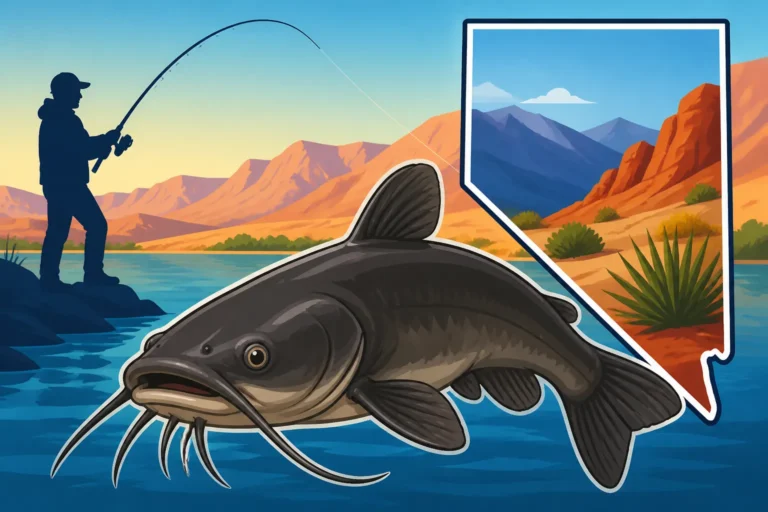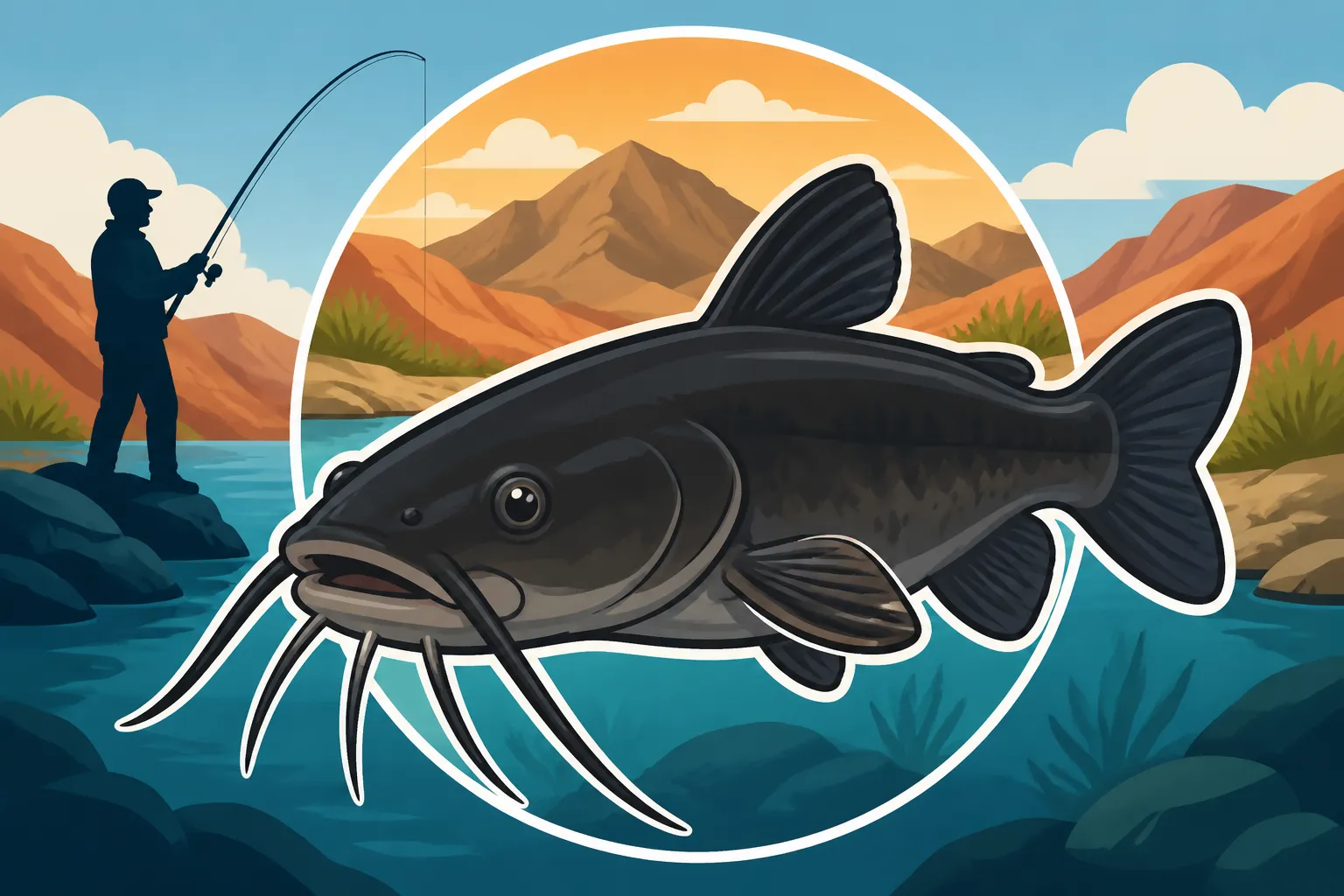
What a black bullhead catfish is
Have you ever been out fishing in one of Nevada's serene lakes or urban ponds, reeled in a whiskered bottom-dweller, and wondered exactly what kind of catfish you just caught? It's a common scenario, especially with the variety of species calling our waters home. This comprehensive guide will pull back the curtain on the often-misunderstood black bullhead catfish, helping you identify them, understand their habits, and even improve your chances of catching them.
Understanding the Black Bullhead Catfish
The black bullhead, often a familiar sight to many Nevada anglers, is a hardy and adaptable fish that has successfully carved out a niche in many of our waterways. While not always the most sought-after trophy, they offer consistent action and can be a fantastic target, especially for newer anglers or families fishing our local ponds.
Distinguishing Features and Appearance
So, what exactly sets a black bullhead apart from its whiskered cousins? At first glance, you might just see a dark, slippery fish, but there are distinct characteristics that help in identification. Black bullheads typically have a stout, heavy-bodied appearance. Their most striking feature is usually their color, which can range from dark olive to black on their backs, fading to a yellowish or white belly. They aren't always jet black, sometimes showing a mottled brown or greenish tint depending on the water clarity and substrate of their home.
One of the key identifiers lies in their barbels, those whisker-like sensory organs around their mouth. Black bullheads have dark or black barbels on their chin, which can be a crucial detail when trying to differentiate them from other bullhead species. Their head is relatively broad and somewhat flattened. Unlike other game fish, catfish, including bullheads, do not have scales; instead, they have smooth, tough skin. Pay close attention to the caudal fin, or tail. On a black bullhead, the tail fin is usually square or only very slightly notched, not deeply forked like that of a channel catfish. This is a very important difference! Their pectoral fins, located just behind the gills, each possess a sharp spine that can deliver a painful poke if you're not careful, so always handle them with respect and perhaps a good pair of gloves.
Native Range and Introduction to Nevada
Originally, the black bullhead catfish calls the central and eastern United States home, thriving in a wide range of freshwater environments. However, their incredible adaptability and tolerance for diverse conditions made them prime candidates for introduction into other regions, including the arid landscapes of Nevada. They likely made their way into Nevada waters through various means over the years, often as part of fish stocking programs or sometimes through accidental introductions by anglers moving fish from one water body to another.
Once established, they proved remarkably resilient. Unlike some more finicky species, black bullheads aren't easily deterred by fluctuating water levels, varying temperatures, or even less-than-pristine water quality – conditions that can be quite common in many of Nevada's desert reservoirs and urban ponds. This hardiness has allowed them to colonize numerous bodies of water across the state, from the tranquil urban fisheries of Las Vegas to certain remote reservoirs. They are true survivors, and their presence adds another layer of diversity to Nevada's aquatic ecosystems, offering a readily available fishing opportunity even in spots where other species might struggle. For an overview of all our local aquatic residents, check out our Nevada Fish Species Guide.
Black Bullhead Habitat and Behavior in Nevada
Understanding where and how black bullheads live is crucial for anyone hoping to tangle with these robust bottom-dwellers. They aren't picky, which is part of their charm and why they're so prevalent.
Preferred Environments and Bottom Dwellers
Black bullheads are classic bottom-dwellers, and they're not too particular about their surroundings. You'll typically find them in lakes, ponds, slow-moving rivers, and even larger reservoirs across Nevada. Their absolute favorite spots usually feature soft, muddy or silty bottoms, often with plenty of submerged vegetation, fallen timber, or other forms of cover where they can hide and forage. They are incredibly tolerant of conditions that would send other fish packing. Think about those urban ponds that might get a little murky or warm in the summer – that's prime bullhead territory! They can handle lower oxygen levels and higher water temperatures than many game fish, which is why they thrive in many of our desert environments and especially in the managed urban ponds you find in places like Las Vegas. If you're looking for an accessible fishing experience, the Las Vegas Nevada Urban Pond Fishing Guide offers some great starting points.
While they appreciate some cover, they're often found simply grubbing around on open, soft bottom areas. Their barbels are essentially taste buds that allow them to "smell" and "taste" their way across the lakebed, locating food even in zero visibility. This adaptability makes them a consistent target, regardless of how clear or silty the water might be.
Diet and Foraging Habits
When it comes to dinner, the black bullhead catfish isn't particular – they are true omnivorous scavengers. Their diet is incredibly varied, reflecting their opportunistic nature and their bottom-feeding habits. They'll munch on pretty much anything they can find: aquatic insects, insect larvae, small crustaceans like crayfish, snails, and even smaller fish. But they don't stop there; they'll also consume plant matter, algae, detritus (decaying organic material), and even carrion if it's available. Essentially, if it's edible and near the bottom, a black bullhead will likely try to eat it.
While they are primarily nocturnal feeders, meaning they're most active at night, they will certainly feed throughout the day if the opportunity arises. Overcast days, murky water, or periods of reduced light can trigger daytime feeding sprees. This broad diet and flexible feeding schedule contribute significantly to their success and abundance in Nevada's waters. From an ecological perspective, they play an important role in breaking down organic matter and providing a food source for larger predators, although in some systems, their sheer numbers can lead to competition with other species for food resources.
Spawning and Reproduction
Black bullheads are prolific breeders, contributing to their widespread presence in Nevada's waters. Their spawning habits are quite interesting and demonstrate a level of parental care not always seen in many other fish species. Typically, spawning occurs in the spring and early summer when water temperatures reach a comfortable range, usually between 68 and 75 degrees Fahrenheit.
The female will lay her eggs in a shallow, saucer-shaped nest, often excavated in soft, muddy bottoms or among dense vegetation. Both parents, but particularly the male, will guard the nest diligently, fanning the eggs to keep them aerated and free of silt, and aggressively chasing away any potential predators. Once the eggs hatch, the fry (baby fish) stay together in a dense, dark ball, often referred to as a "school of bullheads" or "catfish ball," for several weeks. The parents continue to guard this ball of fry, guiding them around the shallow waters as they grow. This intensive parental care significantly increases the survival rate of the young, allowing bullhead populations to grow quickly and become well-established in a given water body. Their high reproductive rates are a major factor in their ability to thrive in so many different environments.
Fishing for Black Bullhead Catfish in Nevada
Fishing for black bullheads is often seen as a fantastic entry point into the world of angling, particularly for beginners and children. They're usually abundant, cooperative, and don't require highly specialized gear or techniques.
Best Baits and Rigging Techniques
When it comes to bait, black bullheads are not finicky eaters, which is excellent news for anglers! The classics truly shine here. You can't go wrong with live nightcrawlers or garden worms; these are universally appealing to bullheads. Just thread a whole worm or a good chunk onto your hook. Other fantastic options include cut bait (small pieces of fish like anchovies or pieces of hot dog), shrimp, or even dough balls made from bread or corn. Many anglers swear by commercially available "stink baits" or "catfish pastes," which have a strong odor designed to attract catfish from a distance. If you're looking to stock up on a variety of options, many popular baits, hooks, and simple rigs can be easily found on platforms like Amazon.
For rigging, simplicity is key. A basic bottom rig is all you need. This usually consists of a small to medium-sized hook (sizes 4 to 1/0 work well, depending on the bait size), a sinker heavy enough to keep your bait on the bottom (a half-ounce to one-ounce egg sinker or split shot is often plenty), and a swivel to prevent line twist. A common setup involves a slip sinker threaded onto your main line, followed by a bead (to protect the knot), then tied to a swivel. A leader line (about 12-18 inches) is then tied from the other end of the swivel to your hook. This allows the fish to pick up the bait and run without feeling the resistance of the sinker. For those fishing in areas with snags, a simple paternoster rig (where the sinker hangs below the hook) can also be effective.
You don't need heavy-duty gear for bullheads. A medium-light to medium action spinning rod and reel combo with 6-10 pound test monofilament or fluorocarbon line is more than sufficient. This lighter tackle makes the fight more enjoyable and sensitive to their often subtle bites.
Where and When to Target Them
Black bullheads are widely distributed throughout Nevada, making them accessible to many anglers. For consistent action, focus on the urban ponds in metropolitan areas like Las Vegas and Reno. These ponds are often regularly stocked and offer easy access for bank fishing. Beyond urban settings, you can find them in many of Nevada's warmer reservoirs, particularly in shallower coves, backwaters, and areas with muddy bottoms and abundant vegetation. Even slower-moving sections of rivers can hold good numbers of bullheads. For specific rules on urban ponds, consult the Nevada Urban Pond Fishing Rules.
While bullheads can be caught year-round, the warmer months of late spring, summer, and early fall are generally the most productive. This is when they are most active and feeding aggressively. Although primarily nocturnal, meaning dawn, dusk, and nighttime are often peak fishing times, they will bite throughout the day, especially if the weather is overcast or the water is a bit murky. Fishing during a light rain shower can also be surprisingly productive. Setting up a comfortable spot on the bank with a rod holder, some snacks, and a good light source for night fishing can lead to a very rewarding experience. If you are fishing during the scorching summer heat, consider going out during the cooler parts of the day. Our Nevada Fishing Seasons by Month guide can give you an idea of overall fishing patterns.
Handling and Culinary Considerations
When you successfully reel in a black bullhead, there are a few things to keep in mind for safe handling. As mentioned, their pectoral (side) and dorsal (back) fins each have a sharp, stiff spine. These spines can inflict a painful puncture wound if you're not careful. The best way to handle them is to firmly grasp them behind the head, placing your hand over the top of the dorsal fin and carefully avoiding the pectoral fins. Many experienced anglers use a wet rag or a specialized fish gripper to get a secure hold. Pliers or a hook remover are invaluable tools for extracting hooks, minimizing direct contact with the fish.
When it comes to eating them, black bullheads are often overlooked, but they can be quite tasty! Their flesh is firm, white, and mild, especially when caught from clean, cool water. Many anglers claim they taste just as good, if not better, than their channel catfish cousins, particularly the smaller ones. Cleaning them can be a bit more challenging than scaled fish due to their tough skin. The most common method involves making a cut behind the head, scoring the skin around the body, and then using pliers to peel the skin off. A sharp fillet knife is essential for this process. Once skinned, they can be filleted or cooked whole, typically fried, baked, or grilled.
Black Bullhead Catfish vs. Other Nevada Catfish Species
Nevada's waters are home to a few different types of catfish, and it's easy to get them confused. Knowing the key differences can help you identify your catch and understand its behavior.
Key Differences from Channel Catfish
The channel catfish is perhaps the most famous and widely sought-after catfish species in Nevada, and it's often confused with the black bullhead. However, there are several distinct differences that make identification relatively straightforward:
| Feature | Black Bullhead Catfish | Channel Catfish |
|---|---|---|
| Body Shape | Stout, heavy-bodied, somewhat chunky | Sleeker, more elongated |
| Tail Fin | Square or very slightly notched (almost straight) | Deeply forked, V-shaped |
| Chin Barbels | All barbels (upper and lower jaw) are dark or black | Chin barbels are pale, often white or yellowish |
| Coloration | Dark olive to black on back, yellowish/white belly | Silvery-gray to olive on back, white belly, often has dark spots (especially younger fish) |
| Maximum Size | Generally smaller, rarely exceeding 2-3 pounds | Can grow much larger, often 10+ pounds, even 40+ lbs |
| Habitat Pref. | Very tolerant of murky, warm water, soft bottoms | Prefers clearer, flowing water, but adaptable to reservoirs |
The most immediate giveaway is the tail fin. A deeply forked tail means you've got a channel catfish, while a square or barely notched tail points to a bullhead. Next, check the chin barbels; dark barbels mean a bullhead. Channel catfish also tend to have a sleeker, more torpedo-shaped body, whereas bullheads are more robust and chunky. For a deeper dive into these differences, our guide on Bullhead versus channel catfish differences is an excellent resource. You'll find that while both are bottom feeders, their preferences can lead them to slightly different niches within the same water body. If you're specifically targeting the larger, harder-fighting channel cats, you'll find tips in our Channel Catfish Fishing in Nevada article.
Distinguishing from Other Bullhead Species
While black bullheads are the most common bullhead species in many parts of Nevada, there are other bullheads that might occasionally be encountered, such as the brown bullhead or the yellow bullhead. Distinguishing between them can be a bit trickier than telling a bullhead from a channel cat, as their overall body shapes and habits are very similar.
The key often lies in subtle differences in barbels and coloration:
- Black Bullhead: Dark/black chin barbels, square or very slightly notched tail, 17-21 rays in the anal fin. Often dark brown to black.
- Brown Bullhead: Mottled brown sides, slightly notched tail, 21-24 rays in the anal fin. Chin barbels are often dusky or dark brown, but sometimes show a faint lighter base.
- Yellow Bullhead: Yellowish-brown color, rounded tail (no notch at all), 23-27 rays in the anal fin. Crucially, their chin barbels are distinctly white or yellowish.
While brown and yellow bullheads are less common or localized in Nevada compared to black bullheads, knowing these subtle distinctions can help a keen angler correctly identify their catch. The specific number of anal fin rays is a very scientific way to tell them apart, but usually, the color of the chin barbels and the shape of the tail are enough for a field identification.
Management and Ecological Role
The black bullhead, while not a glamorous trophy fish, plays an important, albeit sometimes complex, role in Nevada's aquatic ecosystems. Their adaptability and prolific nature have both benefits and challenges for fishery managers.
Role in Nevada's Aquatic Ecosystems
In many of Nevada's lakes and ponds, black bullheads serve as an essential part of the food web. Smaller bullheads provide a food source for larger predatory fish like largemouth bass, striped bass, and even some species of trout, particularly in systems where they coexist. Their omnivorous diet helps to process detritus and organic matter on the bottom, acting as a "clean-up crew" for the aquatic environment.
However, their very success can sometimes lead to issues. Because they reproduce so rapidly and can tolerate less-than-ideal conditions, black bullhead populations can sometimes explode, leading to overpopulation in certain water bodies. When their numbers are too high, they can outcompete other more desirable game fish for food resources, and their bottom-feeding habits can stir up sediment, reducing water clarity and potentially impacting aquatic vegetation. This is a delicate balance that fishery managers constantly monitor. Despite these challenges, their presence means a resilient and accessible fishing opportunity, especially in areas where other species might struggle due to environmental factors.
NDOW Management and Regulations
The Nevada Department of Wildlife (NDOW) generally manages black bullhead catfish as part of the broader "catfish" category in many state regulations. Unlike some other species, black bullheads are rarely stocked intentionally by NDOW as a primary game fish. They are often present in waters as a naturally reproducing population or have been established long ago.
Because they are so hardy and can become overpopulated, regulations for bullheads tend to be quite liberal. Often, there are no specific size limits, and daily possession limits are generous or sometimes non-existent, encouraging anglers to harvest them. This approach helps to keep populations in check, preventing them from overwhelming an ecosystem. It's always crucial to consult the most current Nevada Fishing Regulations Explained booklet or the NDOW website before heading out, as rules can vary by specific water body and change over time. Generally, if you're fishing for bullheads in Nevada, you'll need a valid Nevada Fishing License Guide, just as you would for any other species, unless you fall under specific exemptions like Nevada Free Fishing Day or youth rules.
Disclaimer
This article is for general informational purposes only and does not constitute professional advice. Laws, prices and regulations vary by location and change over time. Consult a qualified professional for guidance on your specific situation.