Where to catch crappie in Nevada
Many anglers in Nevada spend their days chasing trout or bass, but if you're looking for a rewarding and often delicious challenge, crappie fishing is where it's at. Finding these panfish in the vast and varied waters of the Silver State can feel like searching for a needle in a haystack, especially if you're new to the game or just don't know the local honey holes. This comprehensive guide is here to unravel the mystery, showing you exactly where to find crappie in Nevada and how to bring them to the net.
The Allure of Crappie Fishing in Nevada
Crappie, often overlooked in favor of flashier game fish, offer some of the most consistent and enjoyable fishing experiences in Nevada. They are prolific, can grow to respectable sizes, and are incredibly tasty on the dinner plate. For families, crappie fishing is fantastic because they are often found in numbers, leading to more bites and keeping everyone engaged. It’s not just about the size of the fish, but the sheer joy of the tug on the line and the potential for a cooler full of fillets.
Nevada's diverse aquatic environments, from vast desert reservoirs to smaller, cooler lakes and even urban ponds, provide various challenges and opportunities for crappie enthusiasts. Understanding the nuances of these different water bodies is key to consistently locating these schooling fish. Before you even cast a line, knowing a bit about crappie themselves and their preferred hangout spots will significantly increase your chances of success.
Understanding Nevada's Crappie Species
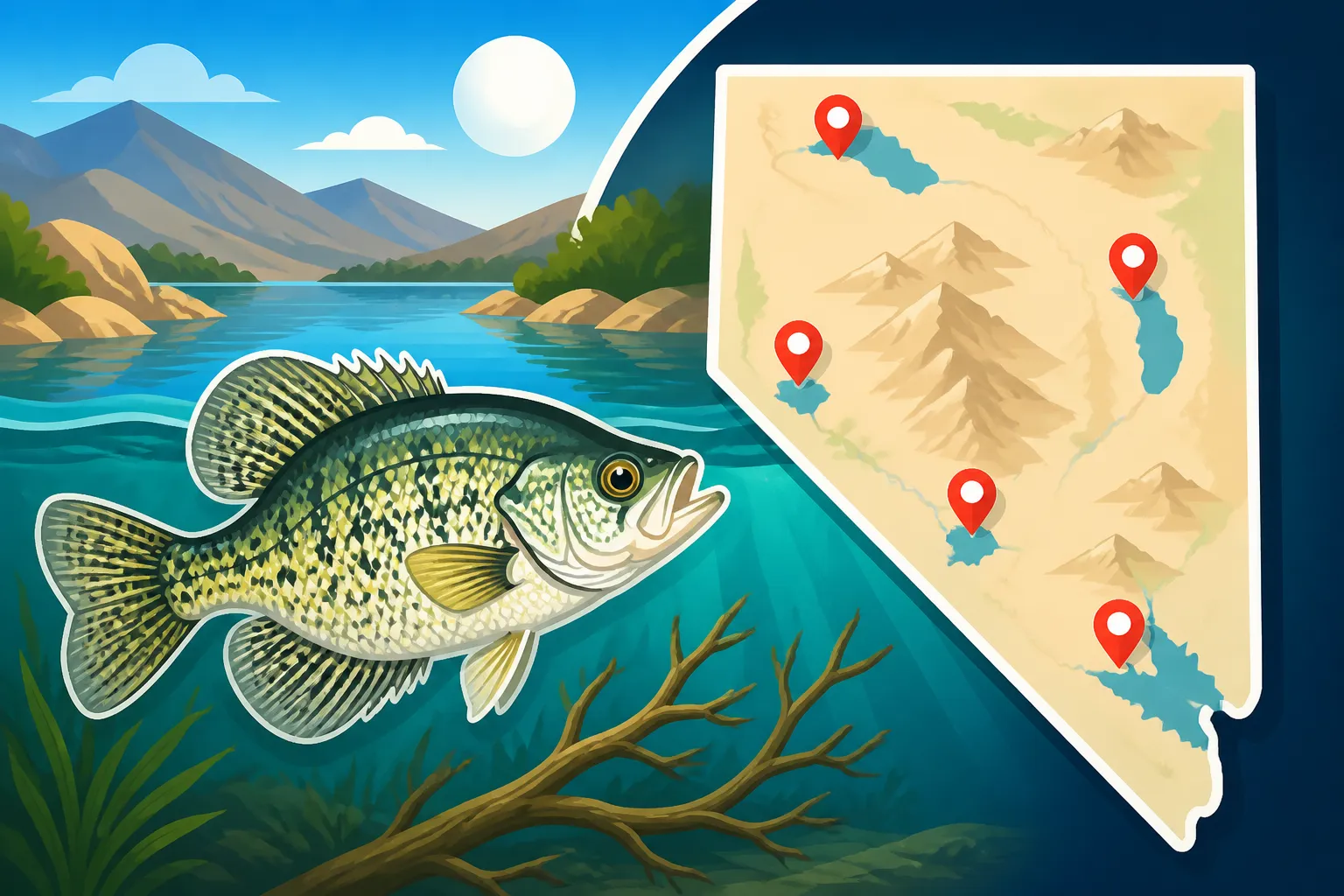
In Nevada, you're primarily going to encounter two species of crappie: the black crappie and the white crappie. While they share many similarities, there are subtle differences in their appearance and typical habitats that can help you identify them and, more importantly, figure out where to find them. Black crappie usually have seven or eight dorsal spines and tend to have a mottled, spotted pattern, making them appear darker. They generally prefer clearer, cooler water with abundant vegetation.
White crappie, on the other to hand, typically have six dorsal spines and display more distinct vertical bars on their silver bodies. They are a bit more tolerant of turbid (cloudy) water and often thrive in larger, less vegetated reservoirs and rivers. Both species can grow quite large in Nevada, with slabs pushing over a pound being common in good years. Knowing which species you're likely to encounter in a particular body of water can inform your fishing approach, though often, the techniques used for one will work for the other.
Preferred Habitats of Crappie in the Silver State
Crappie are ambush predators, and their habitat preferences reflect this. They love structure, plain and simple. Think about submerged brush piles, standing timber, rock piles, docks, bridge pilings, and even weed beds. These structures provide cover from predators, shade from the harsh Nevada sun, and excellent ambush points for foraging on smaller baitfish and invertebrates. You’ll rarely find crappie just hanging out in open water unless they are actively chasing schools of baitfish.
In reservoirs like Lake Mead or Lake Mohave, crappie will often relate to canyon walls, submerged islands, and deep creek channels. During spawning seasons, they'll move shallower, seeking out protected coves with brush or overhanging trees. In smaller, more vegetated lakes, they might be found deeper in the weed lines or congregating around any available sunken wood. Always consider where the fish can hide, find food, and feel secure – that’s generally where the crappie will be.
Prime Crappie Fishing Locations Across Nevada
Nevada boasts some fantastic crappie fishing, although you might have to put in a little effort to discover the best spots. The key is to look for waters that have good structure, decent forage, and aren't subject to extreme fluctuations that might disrupt crappie populations too much. Here are some of the standout locations that have a reputation for producing crappie.
Finding a good crappie spot often involves some scouting, whether it's by boat with a fish finder or by meticulously working the shoreline. Don't be afraid to ask local tackle shops for tips – they often have the most up-to-date information on what's biting where. Remember to always consult the Nevada Fishing Regulations Explained before heading out, as limits and special rules can vary by water body.
Southern Nevada's Crappie Havens
When it comes to southern Nevada, Lake Mead and Lake Mohave are often the first places anglers think of for crappie. While not always the easiest to locate in such vast waters, these lakes can produce some absolute giants. Look for crappie in the numerous coves and bays with submerged brush, especially areas that have a bit of depth nearby. The fishing often picks up significantly in the spring when crappie move into shallower water to spawn, but they can be found year-round if you know where to look in deeper areas. Lake Mead Nevada Fishing Guide and Lake Mohave Nevada Fishing Guide offer more detailed insights into these expansive reservoirs.
Beyond the big lakes, southern Nevada also offers some excellent urban pond opportunities. While perhaps not known for monster crappie, these ponds are regularly stocked and can provide consistent action, especially for beginners or those fishing with kids. Ponds like those at Floyd Lamb Park or Sunset Park in Las Vegas sometimes hold crappie populations, though they are more famous for trout. It's always worth checking with the Nevada Department of Wildlife (NDOW) stocking reports for specific pond details.
Northern Nevada's Productive Crappie Waters
Moving north, Rye Patch Reservoir is a well-known crappie hotspot. This reservoir, located on the Humboldt River, is famous for its abundant crappie population and is often considered one of the best crappie fisheries in the state. Rye Patch Reservoir Fishing details why this spot is so popular. Anglers here often find crappie congregating around the standing timber and brush piles that line the old river channel and its submerged banks. Springtime is especially productive as crappie move into the shallows to spawn, but good fishing can be had through the summer and fall by targeting deeper structure.
Another strong contender in northern Nevada is Lahontan Reservoir. While perhaps more noted for its bass and walleye, Lahontan also holds a healthy crappie population. Like Rye Patch, the key here is to locate submerged structure. The reservoir's often turbid water can make it a bit more challenging to pinpoint schools, so rely on your electronics if you have them, or systematically work areas with known submerged trees and brush. Both Rye Patch and Lahontan can offer some incredible days on the water for crappie anglers, making them prime targets on your Best Places to Fish in Nevada list.
Unexpected Urban Pond Opportunities
While the big reservoirs get most of the attention, don't overlook the smaller, often overlooked urban ponds scattered throughout Nevada. These community fisheries, typically managed by NDOW, are designed to provide accessible fishing opportunities. While they are usually stocked primarily with trout, some of these ponds have established populations of crappie and other panfish that can offer fantastic light-tackle action. These spots are perfect for a quick outing after work or a relaxed weekend with family.
The crappie in these urban ponds, while generally smaller than their reservoir cousins, are often less pressured and more willing to bite. Look for them around any docks, cattail edges, or deeper sections of the pond. Even a small piece of submerged structure can hold a school of crappie. It's a great way to introduce new anglers to the sport, as success rates can be high. Just remember that even in urban ponds, you'll still need a valid Nevada Fishing License Guide for anyone aged 12 and over.
Mastering Crappie Techniques for Nevada's Diverse Waters
Catching crappie consistently requires a blend of the right gear and an understanding of their behavior. They are not typically aggressive biters, especially the larger "slab" crappie, so finesse often wins the day. Whether you're a seasoned pro or just starting out, honing your crappie techniques will put more fish in your cooler.
One of the beautiful things about crappie fishing is that it doesn't require a lot of specialized or expensive gear. A simple spinning rod, a few jigs, and some minnows can be incredibly effective. However, understanding how to present your bait or lure in different conditions, and knowing when to adjust your approach, is what truly sets successful crappie anglers apart.
Go-To Baits and Lures for Crappie
When it comes to crappie, minnows are king. A live minnow, hooked lightly through the back or lips, suspended under a bobber near structure, is often irresistible. The natural movement and scent of a live minnow can draw crappie in from a distance. If you're using live bait, make sure it's fresh and lively. You can find live minnows at most well-stocked bait shops in Nevada.
Beyond live bait, small jigs are incredibly effective. Think tiny grub jigs, tube jigs, or marabou jigs in sizes like 1/32 to 1/16 ounce. Colors can vary, but chartreuse, white, pink, and black/chartreuse combinations are always good starting points. Tipping your jig with a small piece of a crappie nibbler or a grub tail can add scent and attraction. Soft plastic crappie baits, often resembling small shad or minnows, are also highly productive. Many anglers find great deals on a variety of crappie jigs and soft plastics through online retailers like Amazon.
Seasonal Strategies for Consistent Crappie Catches
Crappie behavior changes dramatically with the seasons, and so should your fishing strategy. In spring, as water temperatures rise, crappie move into shallow areas (2-8 feet) to spawn. This is often the easiest time to catch them, as they become more concentrated and aggressive. Small jigs or minnows fished around brush, docks, and submerged wood in protected coves are deadly. This period generally coincides with the warming trends around April and May, though it varies by lake and elevation.
In summer, crappie retreat to deeper, cooler water, often suspending over structure or relating to thermoclines if present. They might be found anywhere from 10 to 30 feet deep. Vertically jigging small spoons or dropping minnows directly onto schools marked on your fish finder becomes the primary technique. Fall sees them moving back towards shallower feeding grounds as temperatures cool, offering another excellent opportunity for active fish. Winter crappie fishing is slower, often requiring vertical presentations in deep water, but the fish caught can be very large. Understanding the Nevada Fishing Seasons by Month and the Best Time of Year to Fish in Nevada will definitely give you an edge.
Here's a quick guide to seasonal crappie tactics in Nevada:
| Season | Typical Depth Range | Preferred Habitat | Effective Techniques |
|---|---|---|---|
| Spring | 2-8 feet | Shallow coves, brush, docks, submerged wood | Bobber and minnow, small jigs, spider rigging |
| Summer | 10-30+ feet | Deep structure, thermoclines, bridge pilings | Vertical jigging, drop-shotting, trolling |
| Fall | 5-15 feet | Creek channels, brush piles, submerged points | Cast jigs, slow trolling, bobber and minnow |
| Winter | 15-40+ feet | Deepest structure, humps, sharp drop-offs | Vertical jigging, ice fishing (where applicable) |
Essential Gear for a Successful Nevada Crappie Trip
While crappie fishing doesn't demand an arsenal of gear, having the right tools for the job will certainly make your experience more enjoyable and successful. From your rod and reel setup to the small tackle items that make a big difference, a little preparation goes a long way. This is especially true in Nevada's sometimes challenging environments, where durable and reliable gear is key.
Thinking about the conditions you'll face – be it blazing sun, windy days, or potentially crowded fishing spots – will help you select the best items. Investing in quality gear, even for panfish, can really pay off in terms of performance and longevity. You don't need the most expensive items, but choosing gear that holds up to the task is always a smart move.
Rods, Reels, and Line: The Crappie Setup
For crappie, a lightweight setup is ideal. A light to ultra-light spinning rod, typically between 5 to 7 feet in length, offers the sensitivity needed to detect subtle crappie bites and the backbone to handle a decent slab. Pair this with a small spinning reel, size 500 or 1000, spooled with 4 to 6-pound test monofilament or fluorocarbon line. Monofilament offers good stretch for light bites and is easy to tie knots with, while fluorocarbon provides excellent sensitivity and invisibility in clear water. Braided line in a similar strength can also be used, especially if you're jigging in heavier cover, but you might want a fluorocarbon leader for stealth.
Many anglers prefer a longer rod (7-10 feet) for "spider rigging" (trolling multiple rods at once) from a boat, allowing them to spread out their baits. For shore anglers or those in kayaks, a shorter, more manageable rod is often better. When selecting a rod, consider the action; a fast action tip will help with detecting those soft bites. You can find excellent value combos suitable for crappie fishing on platforms like Amazon. For more general advice on what to look for, check out Best Fishing Rods for Nevada Lakes.
Must-Have Tackle and Accessories
Beyond your rod and reel, a few key items belong in every crappie angler's tackle box. As mentioned, a selection of small jigs (1/32 to 1/8 ounce) in various colors is crucial. Don't forget an assortment of soft plastic crappie baits to pair with your jigs. Small bobbers, both fixed and slip bobbers, are indispensable for presenting live minnows or jigs at a specific depth. A variety of small hooks (sizes 4 to 8, Aberdeen or Kahle style) for live bait, and some split shot weights to help your bait sink, will complete your terminal tackle.
Other accessories that come in handy include a pair of small fishing pliers for hook removal, a small measuring tape to ensure you're within legal size limits (if applicable), and a cooler with ice to keep your catch fresh. A small net can be a lifesaver for landing larger crappie, preventing them from flopping off at the boat or shoreline. You might also consider a portable fish finder, especially if you plan to fish deeper reservoirs; these devices can be invaluable for locating submerged structure and schools of crappie. Many of these items, from tackle boxes to multi-tools, are readily available on Amazon. For a broader look at what to pack, refer to Nevada Fishing Gear Essentials.
Boating and Safety for Crappie Anglers
Crappie fishing often involves boats, as many of the best crappie spots are offshore or in areas inaccessible from the bank. If you're using a boat, remember to always prioritize safety. This means having all required safety equipment, including life jackets for everyone on board, a whistle or horn, and a fire extinguisher. Nevada boating regulations are in place to ensure everyone's safety, so familiarize yourself with them before you launch.
Small boats, pontoon boats, and even kayaks or float tubes are excellent for crappie fishing. A quiet approach can often make a big difference, as crappie can be spooky. Electric trolling motors are fantastic for silently maneuvering around structure and holding position. Always check the weather before heading out, especially on large, open reservoirs like Lake Mead, where conditions can change rapidly. Being prepared for Nevada's often intense sun is also crucial, so bring plenty of water, sunscreen, and appropriate sun protection clothing.
Disclaimer
This article is for general informational purposes only and does not constitute professional advice. Laws, prices and regulations vary by location and change over time. Consult a qualified professional for guidance on your specific situation.