Largest fish ever caught in Nevada
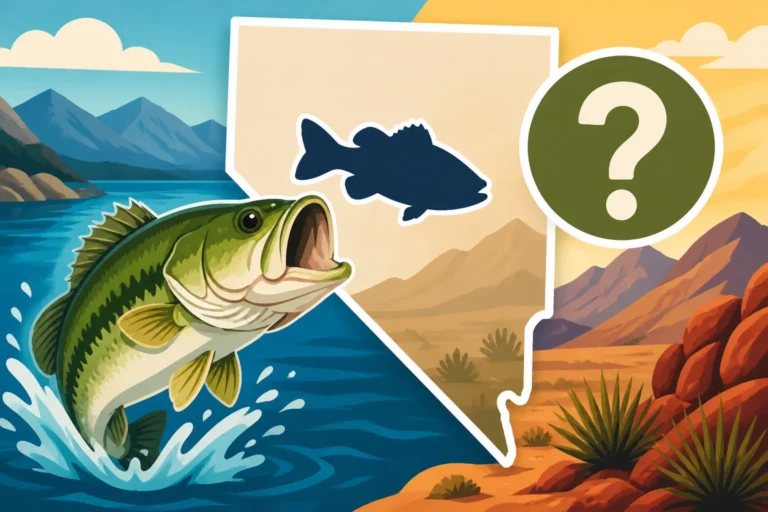
For many anglers, the dream isn't just to catch a fish, it's to catch the fish – the one that makes your heart pound, your arms ache, and perhaps, even lands you a spot in the record books. Nevada, with its diverse waters ranging from sprawling desert reservoirs to cold mountain lakes, holds some truly monumental fish, making the pursuit of a state record an exhilarating, albeit challenging, quest. This guide dives deep into the world of Nevada's largest catches, exploring the species that grow to epic proportions, where these giants lurk, and how you might just land one of your own.
Chasing Giants: The Allure of Nevada's Record Fish
There’s something primal about wanting to catch the biggest fish. It's not just about bragging rights, though those are certainly a perk! It's about testing your skill, your patience, and your gear against a formidable opponent. In Nevada, where the landscape itself often feels larger than life, the fish can match that grandeur. Anglers often spend years, even decades, pursuing that one exceptional catch, driven by the sheer excitement of what could be lurking beneath the surface.
The "trophy hunt" aspect of fishing is what truly hooks many of us. We read stories, pore over old photographs, and listen intently to tales from seasoned veterans, all hoping to glean a secret that will lead us to a behemoth. It's an ambition that transcends casual angling, pushing individuals to invest in top-tier equipment, study fish behavior, and explore remote, challenging waters. This isn't just fishing; it's a dedicated pursuit, a quest for a truly memorable experience that will last a lifetime. Imagine the moment that rod bends double, the line screams off the reel, and you know, just know, that something extraordinary is at the other end. That's the allure of Nevada's record fish.
Why Records Matter to Anglers
Beyond personal satisfaction, state records serve as benchmarks for the health and potential of Nevada’s fisheries. A massive fish isn't just a testament to an angler's skill; it's often an indicator of a thriving ecosystem, abundant food sources, and good management practices by the Nevada Department of Wildlife (NDOW). These records inspire future generations of anglers and provide valuable data for fishery biologists. They highlight specific waters known for producing quality fish, drawing attention and often tourism to those areas.
For anglers themselves, breaking a record means etching your name into the state's angling history. It’s a permanent mark, a legacy. It requires meticulous documentation, adherence to specific rules, and often, an official weigh-in on certified scales. The rigorous process ensures the integrity of the record, making the achievement even more significant. It transforms a hobby into a historical event.
Nevada's Record Book: The Biggest Catches Known
Nevada’s waters are home to several species capable of reaching impressive sizes, creating thrilling opportunities for anglers dreaming of a state record. While the official Nevada State Record Fish List is the definitive source for current records, we can certainly talk about the types of fish that routinely make headlines and challenge the scales.
The desert state might surprise some, but its large reservoirs and deep lakes provide ideal conditions for certain fish species to grow to truly colossal proportions. Think of the mighty Lahontan Cutthroat Trout in Pyramid Lake or the hard-fighting Striped Bass in Lake Mead. These aren't just big fish; they're iconic species deeply woven into the fabric of Nevada's angling culture.
Iconic Species and Their Record Potential
When you think "biggest fish in Nevada," a few species immediately spring to mind. The Lahontan Cutthroat Trout from Pyramid Lake is legendary. These ancient fish are native to the Great Basin and can grow to truly enormous sizes, far exceeding typical trout expectations. Their deep, cold habitat and abundant food sources allow them to thrive and reach weights that are the envy of trout anglers worldwide.
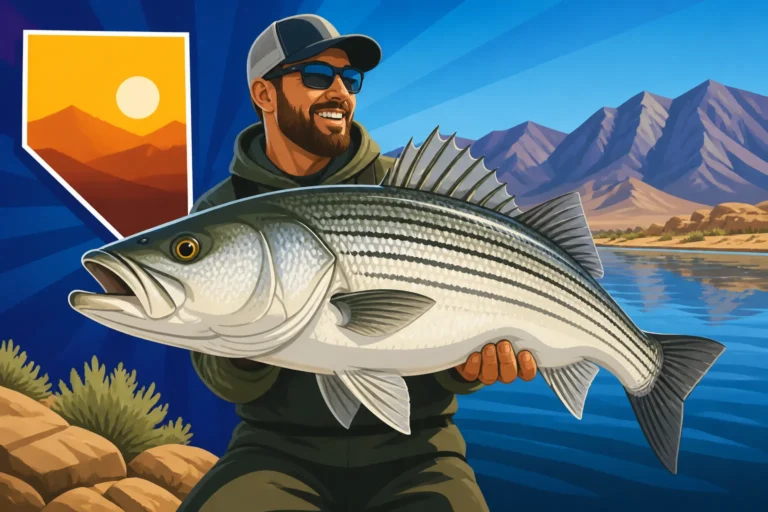
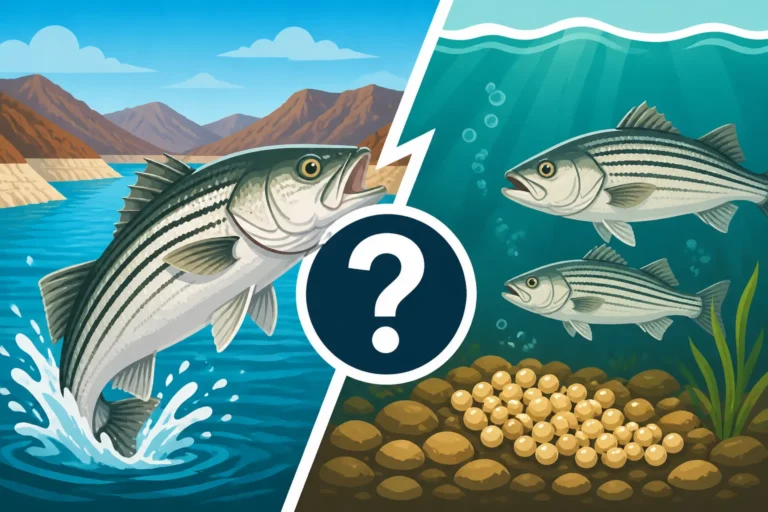
Then there are the Striped Bass of Lake Mead. While not native, these powerful saltwater transplants have adapted remarkably well to the vast freshwater reservoir, growing into massive, hard-pulling predators. Their sheer size and aggressive nature make them a favorite target for trophy hunters, and the challenge of landing one from the vastness of Lake Mead is a true test of strength and endurance. You'll often find anglers specifically targeting these colossal stripers, armed with heavy tackle bought from places like Amazon, capable of handling such a formidable fight.
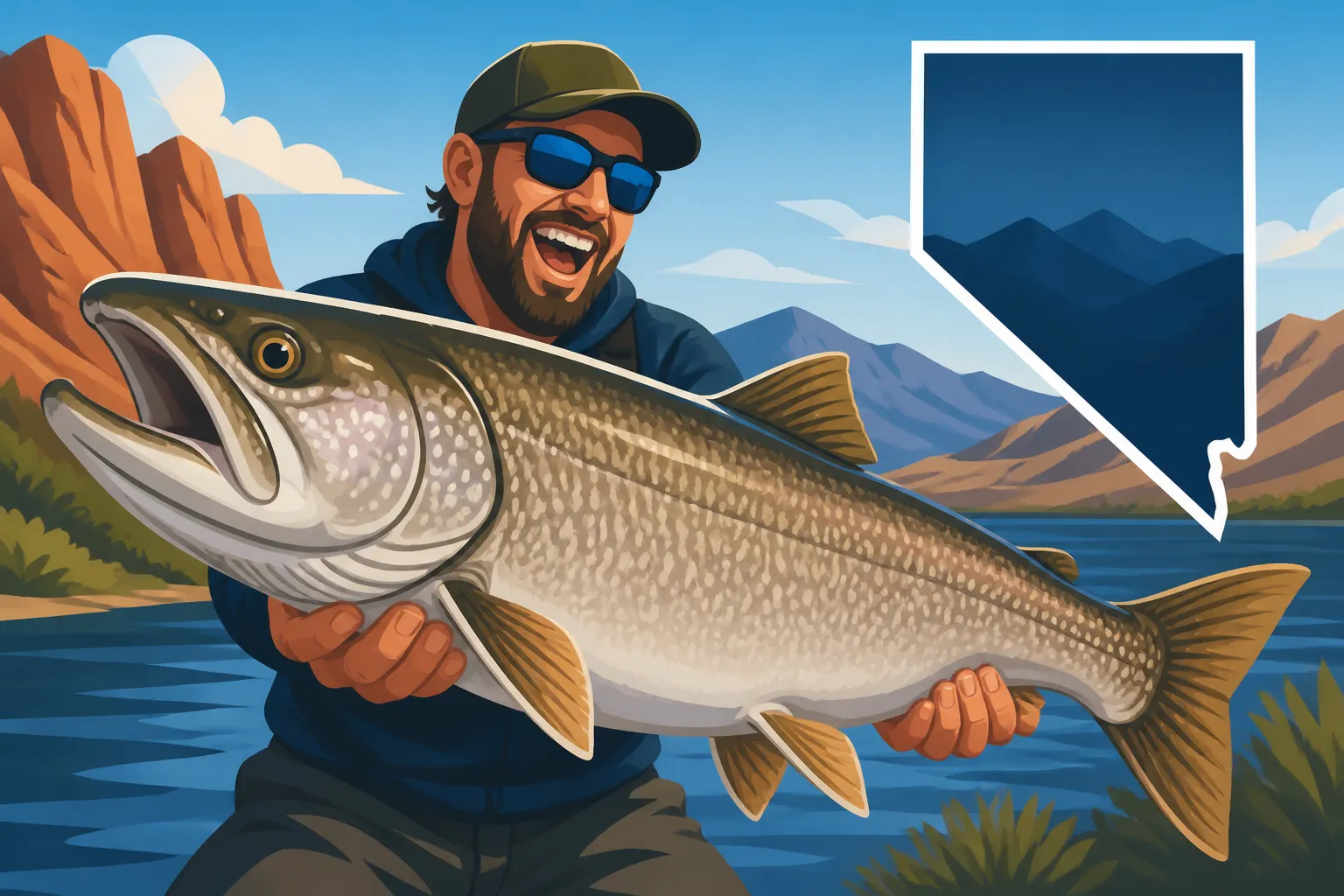
Lastly, we can't forget the Mackinaw (Lake Trout) in the icy depths of Lake Tahoe. These deep-water dwelling leviathans are built for size and longevity, often living for decades and growing to impressive weights. Targeting them requires specialized techniques and equipment, but the reward of a truly massive Mackinaw is unparalleled. These fish are true cold-water titans, perfectly adapted to the deep, clear, and cold environment of Lake Tahoe.
| Species | Notable Weight Range (Record-Challenging) | Primary Location(s) | Key Characteristics |
|---|---|---|---|
| Lahontan Cutthroat | 15-20+ lbs | Pyramid Lake | Native, iridescent colors, large spots, often found in deep, alkaline waters. |
| Striped Bass | 40-60+ lbs | Lake Mead, Lake Mohave | Silver body with distinct horizontal stripes, powerful fighters, predatory. |
| Mackinaw (Lake Trout) | 25-40+ lbs | Lake Tahoe | Dark, mottled coloration, deep-bodied, slow-growing, deep-water residents. |
| Largemouth Bass | 8-12+ lbs | Lake Mead, Private Ponds | Dark green, distinct lateral line, large mouth extending past the eye. Found in warmer, structured waters. |
| Channel Catfish | 25-35+ lbs | Lake Mead, Urban Ponds | Smooth skin, barbels around mouth, deeply forked tail, popular for their fighting ability and table fare. |
Note: The weights listed are indicative of significant catches and should not be taken as exact current record figures. Always consult the official Nevada Department of Wildlife (NDOW) record list for precise and up-to-date information.
Famous Waters for Record-Breaking Catches
When the hunt is on for a truly monumental fish, certain Nevada waters consistently rise to the top as prime hunting grounds. Pyramid Lake is undoubtedly the undisputed king for Lahontan Cutthroat Trout. Its unique ecosystem, fed by the Truckee River, has allowed these trout to evolve into giants. Anglers come from all over the world specifically to target these magnificent fish. Understanding the nuances of this ancient lake, from its depth contours to its unique forage base, is crucial for success. For more on these incredible fish, check out Lahontan Cutthroat Trout in Nevada.
Lake Mead and Lake Mohave are the epicenters for record-class Striped Bass. The immense size of these reservoirs, combined with a plentiful forage base of threadfin shad, creates an environment where stripers can grow to staggering dimensions. These vast waters demand different approaches, whether you're trolling the open water, chunking bait from shore, or jigging deep structures. Lake Mead is also renowned for its Lake Mead Nevada Fishing Guide which often delves into these massive stripers.
For those pursuing the enormous Mackinaw, Lake Tahoe is the obvious choice. The sheer depth and cold, oxygen-rich waters of Tahoe provide perfect habitat for these large, long-lived trout. While challenging to fish due to its immense size and clear waters, the reward of a Mackinaw pushing thirty or forty pounds is a memory that lasts a lifetime. You'll find specific details on how to pursue these giants in Mackinaw Lake Trout at Lake Tahoe.
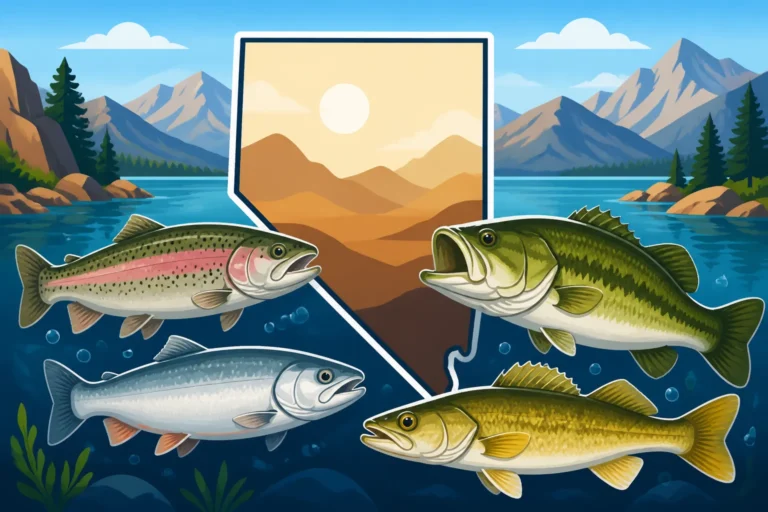
Even the warm-water species have their hotspots. While not always breaking overall weight records, lakes like Lake Mead and various private ponds can yield truly impressive Largemouth Bass. And for Channel Catfish, many of the urban ponds in the Las Vegas area, along with Lake Mead and Lake Mohave, are known to produce very large specimens for those who know how to target them.
What Makes a Monster? Factors Behind Nevada's Trophy Fish
Catching a record-breaking fish isn't just luck; it's the culmination of several environmental and biological factors. These giants aren't born overnight; they are products of their surroundings, growing slowly and steadily under optimal conditions. Understanding these factors can help anglers identify potential trophy waters and refine their strategies.
It’s easy to think a big fish is just an old fish, but there’s so much more to it. A fish might live a long time, but without the right conditions, it might never reach its full size potential. It's a delicate balance of biology and environment that creates these true monsters of the deep.
Environmental Conditions for Growth
The key to a trophy fish is usually a combination of abundant food, suitable habitat, and favorable water conditions. For cold-water species like Lahontan Cutthroat Trout and Mackinaw, this means deep, cold, oxygenated water. These fish thrive in stable environments where water temperatures remain consistent throughout the year, allowing them to conserve energy and focus on growth. Pyramid Lake and Lake Tahoe offer exactly these conditions, with vast depths that provide thermal refuge during warmer months. An ample supply of their preferred forage, like the Tui Chub in Pyramid Lake or smaller fish in Lake Tahoe, is also critical.
For warm-water species like Striped Bass and Largemouth Bass, large, fertile reservoirs like Lake Mead and Lake Mohave provide the necessary expanse and food. These lakes boast extensive areas of open water for stripers to hunt schools of shad and offer diverse shoreline structures like coves, points, and submerged brush where largemouth bass can ambush prey and grow fat. A stable food chain is paramount; if the baitfish population declines, the growth rates of the predatory game fish will suffer. Good water quality, free from excessive pollution, also contributes to fish health and growth.
Genetics and Longevity
While environmental factors are crucial, a fish's genetic makeup also plays a significant role in its ultimate size. Some individual fish, within any species, simply have the genetic predisposition to grow larger and live longer than their counterparts. These "super growers" are the ones that, given the right environment, have the potential to become true giants.
Longevity is also directly tied to size. A fish needs many years to accumulate the mass required to become a record breaker. This means avoiding predators, diseases, and, of course, anglers! Older fish are often warier and more challenging to catch, having survived numerous encounters. Their accumulated wisdom and sheer size make them formidable opponents. This combination of strong genetics, long life, and an ideal environment is the perfect recipe for a record-breaking catch. Fishing for these long-lived giants often means employing careful Catch and Release Techniques for Trout to ensure these valuable fish can continue to grow and contribute to the gene pool.
Strategies for Landing Your Own Nevada Record Contender
So, you're inspired to chase your own state record? It's an ambitious goal, but certainly not impossible with the right approach. It requires dedication, research, and often, specialized gear. This isn't about casual casting off a dock; it's a focused mission.
Remember, the biggest fish are often the smartest and the hardest to fool. They've seen it all, survived countless attempts, and are masters of their environment. You'll need to think like the fish, understand its habits, and be prepared for a serious battle. Many anglers find great success by continually researching and upgrading their gear, often finding high-quality, specialized equipment from online retailers like Amazon.
Research and Preparation
The first step in any trophy hunt is thorough research. Start by consulting the official NDOW record list to understand the current benchmarks for your target species. Then, dive into resources that detail the best waters for that species, such as our guide on the Best Places to Fish in Nevada. Understand the specific regulations, including daily limits and size restrictions, which can vary significantly by water body (e.g., Nevada Fishing Regulations Explained). For instance, Pyramid Lake has very specific rules for Lahontan Cutthroat Trout, including slot limits, which you can learn more about in the Pyramid Lake Fishing Permit Guide.
Beyond locations, research the fish's behavior: what do they eat, what depths do they prefer, and what are their seasonal patterns? For instance, understanding Nevada Bass Season and Spawn Timing can significantly impact your success for largemouth or smallmouth. Knowing the Best Time of Year to Fish in Nevada for your target species is also crucial. This preparation might involve studying topographic maps, observing water temperatures, and even using a fish finder to locate deep structure or schools of baitfish. The more you know, the better your chances.
Specialized Gear and Techniques
Landing a record-sized fish often requires moving beyond your standard fishing setup. You'll likely need heavier rods, stronger reels, and higher test line capable of handling the immense power of a large fish. For giant Striped Bass, this might mean a stout boat rod with a conventional reel spooled with braided line, coupled with large lures or heavy chunk baits. For Mackinaw, specialized trolling setups with downriggers and large spoons or dodgers are common. And for the Lahontan Cutthroat, powerful fly rods or heavy spinning gear with large streamers or jigs are often employed. Many anglers purchase these specialized items, like heavy-duty fishing line or large swivels, from reputable online sellers on Amazon, ensuring they have the right tools for the job.
Techniques will also need to be refined. Deep-water jigging, specific trolling patterns, or even carefully presenting large live bait are often the keys to success. For big bass, this might involve targeting specific submerged structures with oversized soft plastics or crankbaits. For trout, understanding how to present bait or lures in strong currents or at extreme depths is critical. Always carry a large, knotless landing net or a quality Boga Grip for safely handling and weighing large fish, especially if you intend to practice catch and release. Many serious trophy hunters also carry a precise digital scale, often purchased from Amazon, to get an accurate weight right on the water.
Patience and Persistence
Perhaps the most important "gear" for chasing a state record is an abundance of patience and persistence. These fish are not caught every day, or even every year. You might spend countless hours on the water, endure harsh weather conditions, and face numerous failures before that one glorious moment arrives. It’s the nature of the pursuit.
Learning from each outing, even the unsuccessful ones, is key. What worked? What didn't? How did the fish react to different presentations or different parts of the lake? Keep a detailed log of your trips, noting conditions, locations, and tactics. Talk to other experienced anglers and guide services. Every piece of information can contribute to your ultimate success. The journey to a state record is often a long one, filled with moments of frustration, but the reward, when it finally comes, makes every minute of effort worthwhile.
Disclaimer
This article is for general informational purposes only and does not constitute professional advice. Laws, prices and regulations vary by location and change over time. Consult a qualified professional for guidance on your specific situation.