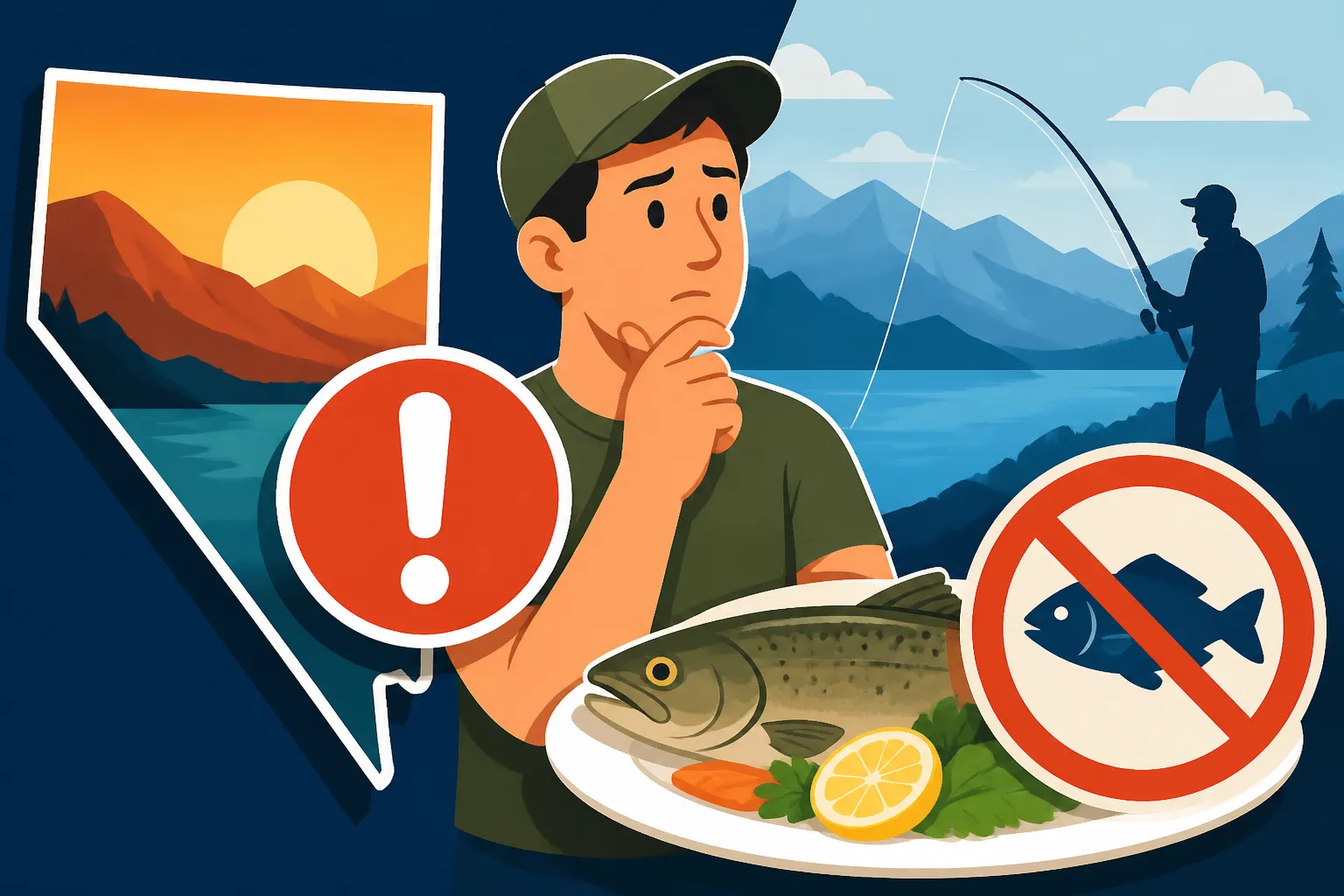
Are there fish consumption advisories in Nevada?
It’s a natural concern when you've just reeled in a beautiful catch from one of Nevada's stunning lakes or rivers: "Is this fish safe to eat?" You’ve put in the time, the effort, and maybe even battled the elements, so the last thing you want is for your fresh dinner to come with hidden health worries. This guide is here to shed light on fish consumption advisories in Nevada, helping you understand why they exist, where to find them, and how to make informed choices about enjoying your hard-earned harvest.
Understanding Nevada's Fish Consumption Advisories
The thought of mercury or other contaminants in our food can be really unsettling, especially when we're trying to enjoy nature's bounty. It’s important to know that Nevada, like many states, does have specific fish consumption advisories for various bodies of water and certain fish species. These aren't meant to scare you away from fishing, but rather to provide guidance so you can safely enjoy the experience and the delicious rewards.
What Are Fish Consumption Advisories?
Imagine you’re out at Lake Mead, hoping to land a hefty striped bass. You've heard whispers about advisories, but what do they actually mean? Simply put, a fish consumption advisory is a recommendation from public health agencies about how much and what kind of fish you can safely eat from a particular body of water. They usually come about when scientists find levels of contaminants in fish that could pose a health risk if consumed regularly, or in large quantities, especially by vulnerable groups like pregnant women, nursing mothers, and young children. It’s not a ban on fishing or even on eating fish, but rather a guide to help you manage your intake.
These advisories are typically based on extensive testing of fish tissue for various pollutants that can accumulate in the environment and, subsequently, in fish. For instance, you might see advisories for common contaminants like mercury, which often originates from natural sources and human activities, settling into waterways and then being absorbed by aquatic life. Another concern can be polychlorinated biphenyls (PCBs), industrial chemicals that, while largely banned, persist in older sediments and food chains. The key takeaway is that these advisories are put in place with your health in mind, allowing you to participate in outdoor recreation like fishing with confidence.
Why Do Advisories Exist in Nevada?
Nevada is a land of incredible contrasts, from vast deserts to high mountain lakes, and each unique ecosystem can present different environmental factors affecting fish health. The state's waters are constantly monitored by agencies like the Nevada Department of Wildlife (NDOW) and various health departments. They collect fish samples, test them, and then, in conjunction with health experts, determine if advisories are necessary. Think about it – some of our larger reservoirs, like Lake Mead or Lahontan Reservoir, are massive bodies of water that have seen a lot of human activity and natural processes over the decades. Over time, certain substances can build up in these environments.
The advisories are often very specific. They might apply only to particular species (larger predatory fish often accumulate more contaminants), certain sizes of fish (older, bigger fish have had more time to accumulate substances), or even just parts of the fish (like the skin or fatty tissues). It’s a very science-driven process designed to pinpoint where potential risks lie, rather than issuing a blanket warning for all fish everywhere. This allows for targeted advice, meaning you can still enjoy fishing in most places, provided you follow the specific guidance for that area. It’s all about empowering you with the information to make smart choices.
Navigating Nevada's Fish Consumption Guidelines
So, you’ve decided to hit up a favorite spot like Lake Mohave, and you want to be sure you're doing things right. Knowing where to look for the most current information and how to interpret it is half the battle. This isn't always as straightforward as we'd like, but a little preparation goes a long way.
Where to Find Current Advisories
The best and most accurate place to find current fish consumption advisories for Nevada is through official state resources. You're generally looking at the Nevada Department of Wildlife (NDOW) website, as they manage the state's fisheries, and the Nevada Division of Public and Behavioral Health (DPBH). These agencies often collaborate to ensure the public has access to up-to-date information. They'll typically have dedicated sections or downloadable documents that list advisories by water body.
You might find that some advisories are specific to different regions of the state, reflecting the unique characteristics and potential issues of those areas. For example, a warning for Lake Mead Nevada Fishing Guide might be different than for a high-mountain lake where trout are the primary species. Always double-check the most recent information before heading out. While local tackle shops or online forums can be great for fishing tips, always rely on the official government sources for health advisories. A quick search on your phone or computer for "Nevada fish consumption advisories" should lead you to the right place.
Understanding the "Do Not Eat" vs. "Limit Consumption" Guidelines
Once you find an advisory, you'll usually see it broken down into categories, which can seem a bit confusing at first glance. The most severe advisory is "Do Not Eat," which pretty much means what it says: avoid consuming fish from that particular species or water body altogether due to high contaminant levels. These are relatively rare but do exist for specific circumstances.
More commonly, you'll encounter "Limit Consumption" advisories. These typically suggest a maximum number of meals per week or month for certain fish species, often with different recommendations for the general population versus sensitive populations. Sensitive populations are typically pregnant women, women who might become pregnant, nursing mothers, and young children, as their developing systems are more vulnerable to contaminants. For instance, an advisory might suggest adults limit consumption of a certain fish to one meal per week, but sensitive populations should avoid it entirely or limit it to one meal per month. Pay close attention to these distinctions, as they are crucial for making safe choices.
Here’s a simplified example of what you might see:
| Advisory Level | General Population | Sensitive Population (Pregnant/Nursing Women, Young Children) | Common Contaminant Concerns | Affected Fish Types (Examples) |
|---|---|---|---|---|
| Do Not Eat | No consumption recommended | No consumption recommended | High Mercury, PCBs | Specific large predatory fish |
| Limit to 1 Meal/Week | Up to one 6-8 oz meal per week | Avoid or limit to 1 meal/month | Moderate Mercury, PCBs | Larger bass, some trout |
| Limit to 1 Meal/Month | Up to one 6-8 oz meal per month | Avoid entirely | Moderate to High PCBs | Very large, older fish |
| No Advisory | Generally safe to consume in typical quantities | Generally safe to consume in typical quantities | Low levels, regularly tested | Stocked trout, smaller panfish |
Note: This table is illustrative. Always refer to official Nevada state advisories for precise, up-to-date guidance for specific water bodies and fish species.
The key is often size and species. Larger, older predatory fish like big striped bass or Mackinaw trout tend to accumulate more contaminants over their lifetime than smaller, shorter-lived species or those lower on the food chain, such as Rainbow Trout Fishing in Nevada from stocked urban ponds. This is why you might see specific size recommendations within an advisory, suggesting that smaller fish are a safer bet.
Making Safer Choices for Your Catch
Even with advisories in place, fishing is a fantastic way to connect with nature and enjoy fresh food. By understanding how to minimize your exposure to contaminants, you can still relish the experience and the bounty.
Tips for Reducing Contaminant Exposure
If you're fishing in waters with advisories, or even if you're just generally concerned, there are several practical steps you can take to reduce your exposure to potential contaminants. It’s not just about what you catch, but how you prepare it.
First off, vary your catch. If you frequently fish the same water, try to target different species or move to different locations if regulations allow. This spreads out your potential exposure across different types of fish and different environments. Remember, species lower on the food chain or those that are regularly stocked, like many of the Nevada Trout Stocking Schedule fish, often have lower contaminant levels.
When you're cleaning your fish, trim away the fat, skin, and internal organs. Many contaminants, particularly PCBs and pesticides, tend to accumulate in these fatty areas. Filleting your fish carefully and removing these parts before cooking can make a big difference. This is where a good, sharp filleting knife comes in handy – you can find excellent options on platforms like Amazon.
Finally, consider your cooking methods. Grilling, baking, or broiling fish on a rack that allows fat to drip away can further reduce the amount of contaminants in your meal. Avoid frying in excessive oil if you're concerned about contaminants, as the fat rendered from the fish might just be reabsorbed. Simple preparation methods that remove fat are generally your best bet.
Choosing Wisely: Species and Location
When you're planning your fishing trip, think about the species you're targeting and the water body you’ll be visiting. If you're a big fan of Lahontan Cutthroat Trout in Nevada from Pyramid Lake, for instance, you'll want to check specific advisories for that unique fishery, which are managed by the Pyramid Lake Paiute Tribe. Similarly, if you're hitting up the urban ponds around Las Vegas, Nevada Urban Pond Fishing Rules might have different considerations due to their smaller, managed environments and frequent stocking.
Generally, smaller, younger fish and those that eat lower on the food chain (like plankton or insects) tend to have lower levels of contaminants. Stocked fish, particularly trout, often come from hatcheries with controlled environments and may be a safer choice. If you're going after the big, old, trophy-sized bass or catfish, it’s wise to check the advisories extra carefully, especially if you plan to eat them regularly. Consider catch-and-release for the really big ones, preserving them for future anglers and potentially reducing your contaminant exposure.
Remember to also be mindful of general Nevada Fishing Regulations Explained and where you're fishing. Some areas may have unique ecological conditions that affect advisories. It’s always a good practice to consult the official sources for specific water bodies you plan to fish in. You might also want to consult a comprehensive Nevada Fish Species Guide to understand the typical size and diet of different species, which can indirectly inform your consumption choices.
The Broader Picture of Safe Consumption
Fishing in Nevada is more than just catching fish; it's about embracing the outdoor lifestyle, spending time in nature, and connecting with the waters that make our state so special. While consumption advisories are a critical part of ensuring our health, they don’t have to detract from the joy of the sport.
Balancing Enjoyment and Health
It's easy to get overwhelmed by health advisories, but remember that for most recreational anglers, the occasional fish meal is perfectly fine. The advisories are primarily aimed at protecting individuals who consume fish frequently or in large quantities, and especially those in sensitive groups. For someone who enjoys a fish dinner once a month, the risk is typically much lower than for someone who eats fish from the same water body several times a week.
Think of it as part of being a responsible angler. Just as you understand Nevada Fishing License Guide requirements or specific bag limits, understanding consumption advisories is another layer of informed participation. By taking a few extra steps, like checking advisories and preparing your catch thoughtfully, you can continue to enjoy fishing and the delicious, lean protein that fish provides. If you're thinking about extending your trip, remember to pack a good cooler to keep your catch fresh. Brands like Yeti, Coleman, or even options available on Amazon can help ensure your fish stays cold until you get home for proper preparation.
When in Doubt, Look it Up!
My best advice for any angler in Nevada is this: if you have any doubt about the safety of consuming fish from a particular lake, river, or pond, take a few minutes to look up the official advisories. The information is readily available online, and it’s a small step that can provide great peace of mind. It’s always better to be informed and make choices that support your health and the health of your family. Enjoy the stunning waters of Nevada, the thrill of the catch, and the satisfaction of a meal prepared from your own efforts – all safely and responsibly.
Disclaimer
This article is for general informational purposes only and does not constitute professional advice. Laws, prices and regulations vary by location and change over time. Consult a qualified professional for guidance on your specific situation.