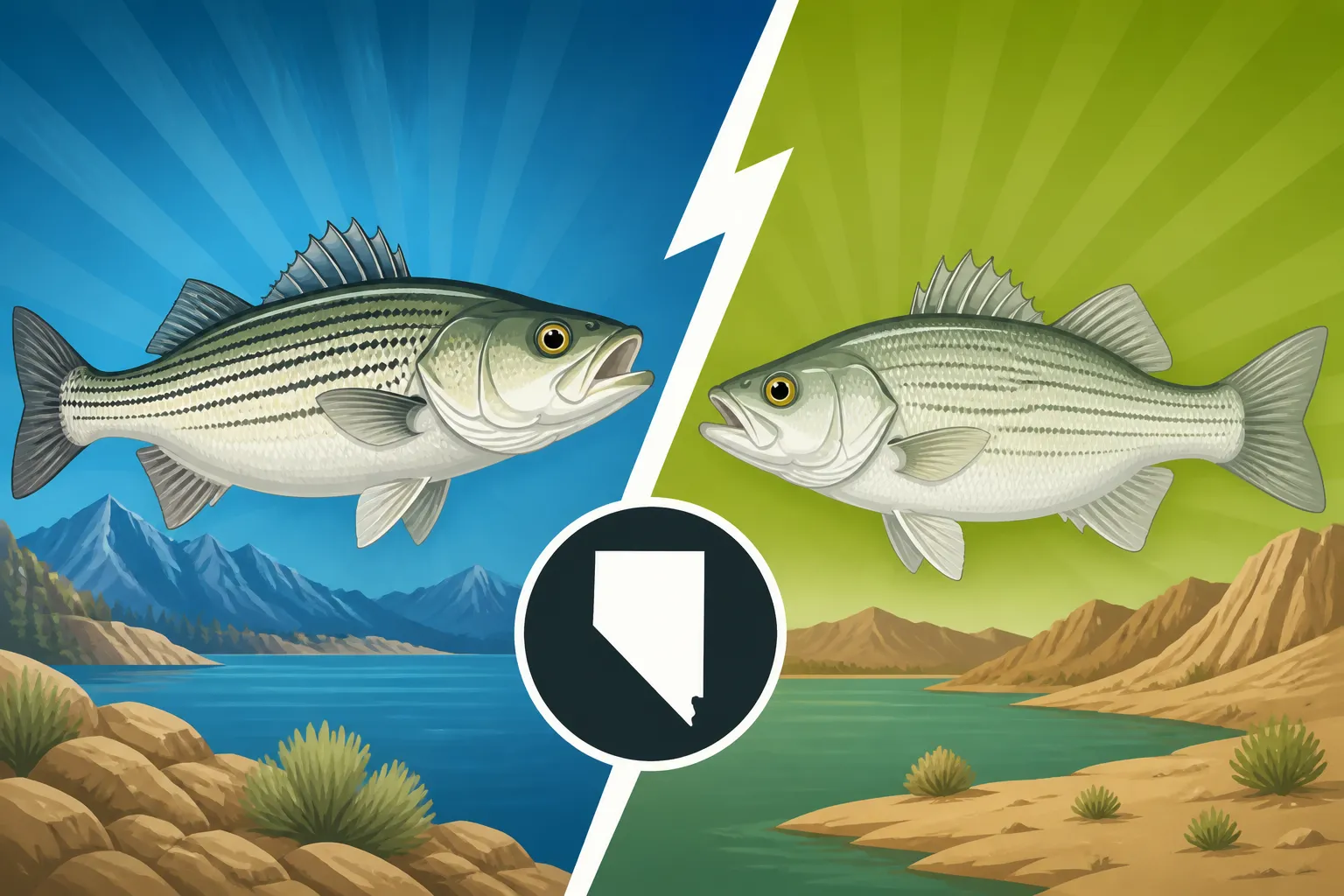
Difference between a hybrid striped bass and a white bass
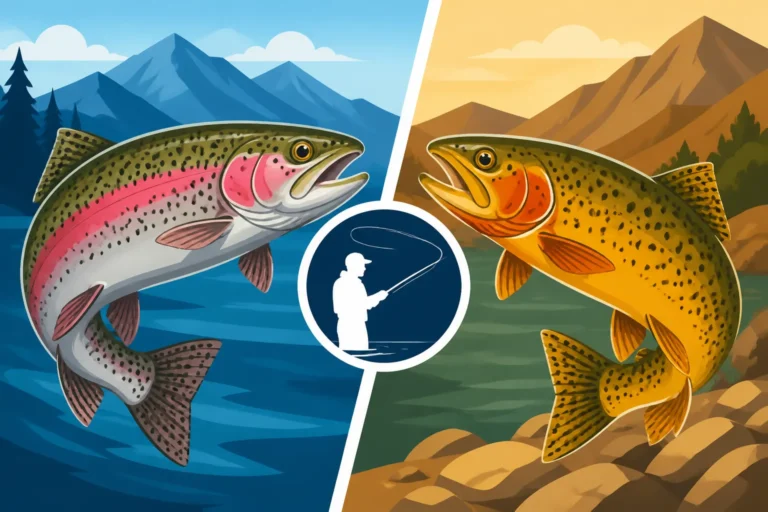
There's a common bit of confusion on Nevada's waters, especially among anglers new to places like Lake Mead: distinguishing between a hybrid striped bass, often affectionately called a "wiper," and a pure white bass. It can be genuinely tricky, leading to questions about regulations, fishing techniques, and even just simple identification when you pull one out of the water. This guide is here to unravel that mystery, giving you clear, practical ways to tell these two fantastic fighting fish apart so you can fish with confidence and understand exactly what you've caught.
The Hybrid Striped Bass: A Closer Look at the Wiper
Let's dive into the fascinating world of the hybrid striped bass, or as most of us in the Nevada fishing community call them, "wipers." These fish aren't naturally occurring; they're a crossbreed, typically created by crossing a female striped bass with a male white bass. The result is a fast-growing, hard-fighting fish that combines the best traits of both parents. Anglers often love them for their aggressive strikes and powerful runs, making them a thrilling catch. Wiper Hybrid Bass Identification is a topic many find useful.
They were introduced into various reservoirs across the country, including some of Nevada's larger bodies of water like Lake Mead, to provide another robust sport fish option. The idea was to create a fish that could thrive in these conditions and offer excellent angling opportunities, especially in waters where their parent species might not grow as large or fight as hard. It’s a testament to fisheries management to create such a successful and popular game fish.
Physical Characteristics of the Wiper
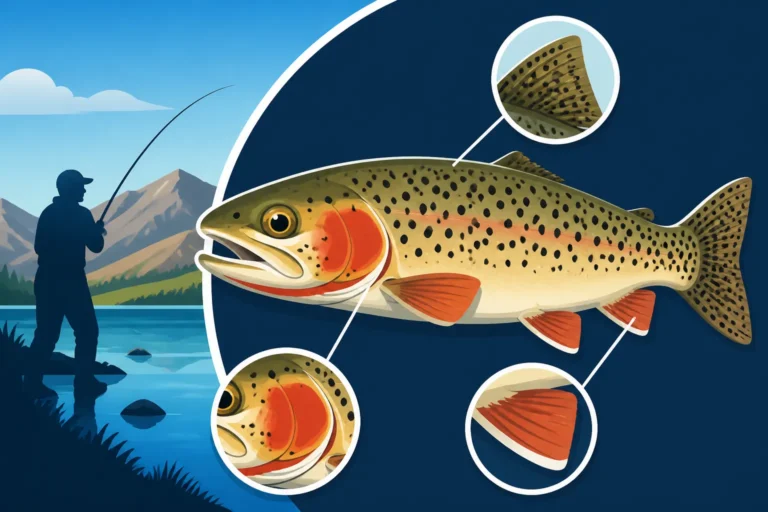
When you land a wiper, the first thing you'll notice is their robust, football-like body shape. They tend to be chunkier and more powerful-looking than a pure white bass, often showing a silvery body with distinct dark, broken stripes running horizontally along their sides. This "broken" stripe pattern is one of the key visual cues we'll talk about for telling them apart. Sometimes, these stripes can be quite erratic, appearing dashed or interrupted, which is a big hint.
Another characteristic is their mouth and head. Wipers generally have a more streamlined head and a larger mouth than white bass. Their scales are typically larger and more prominent. If you're holding a fish and thinking, "Wow, this thing feels really solid and powerful," chances are good you've got a wiper. They are built for speed and aggression in open water, and their physical form reflects that. Their coloration can vary slightly depending on the water clarity and diet, but that silvery-white base with dark stripes is pretty consistent.
Habitat and Behavior of Hybrid Striped Bass
Wipers are true open-water predators, often schooling in large groups in the middle to upper water columns of large reservoirs. They love to chase baitfish, and when they're on a feeding frenzy, it can be an unforgettable experience. You'll often find them suspended over deeper water or patrolling main lake points and humps where baitfish congregate. They're highly migratory within a reservoir, following schools of shad or other forage.
Their behavior is characterized by powerful, fast strikes. They hit lures hard, often tearing off line with impressive speed. This makes them a favorite target for anglers who enjoy aggressive fishing techniques. You might notice them crashing bait on the surface during morning or evening feeding sprees, creating quite a commotion. This is often referred to as a "boil," and if you can get your lure into one, you're in for a treat. They are opportunistic feeders, so they'll hit a wide variety of baits and lures, which we'll discuss more later.
The White Bass: A Native Nevada Fighter
Now, let's turn our attention to the white bass, another fantastic species you'll find in many Nevada reservoirs. Unlike the wiper, the white bass is a pure species, and they are quite common in many waters across the country. In Nevada, they play a vital role in the ecosystem and offer thrilling fishing, especially for those looking for consistent action. They are typically smaller than their hybrid cousins but make up for it with sheer numbers and enthusiastic fights.
White bass have a fascinating life cycle, often making significant spawning runs up rivers or into shallow coves in the spring. These events can create incredible fishing opportunities, with anglers catching dozens of fish in a single outing. They're a classic panfish that can grow to impressive sizes, especially in productive waters. While not quite the size of a true striped bass, a big white bass is still a respectable catch.
Physical Characteristics of the White Bass
A white bass, when compared directly to a wiper, generally has a more compact, somewhat deeper body, almost like a bluegill but elongated. They have a silvery-white color overall, but their dark horizontal stripes are usually much fainter and, critically, are almost always unbroken and run continuously from gill plate to tail. This is your primary visual cue: unbroken lines on a white bass.
Their head also tends to be smaller and their mouth less cavernous than a wiper's. They often have a slight greenish or yellowish tint on their back, fading to white on their belly. The fins can sometimes have a yellowish tinge as well, especially the pectoral and pelvic fins. While they might not have the sheer bulk of a wiper, a large white bass is still a beautiful and powerful fish in its own right, and those unbroken lines are a dead giveaway.
Habitat and Behavior of White Bass
White bass are also schooling fish, often found in large groups, but they tend to prefer shallower, more structured areas compared to wipers. You'll find them around submerged humps, rocky points, creek channels, and sometimes even in fairly shallow coves, especially during spawning season. They are very responsive to water temperature changes and will adjust their depth accordingly.
Like wipers, white bass are aggressive predators, but they tend to be a bit less migratory on a daily basis. They'll often school up and ambush baitfish, creating smaller, localized feeding frenzies on the surface. When you find a school of white bass, you can often catch them one after another for a good while. Their fights are spirited, with lots of headshakes and quick dashes, providing excellent sport on light tackle. For consistent action, especially with kids, white bass are hard to beat. If you're looking for more general information, our Nevada Fish Species Guide could be a good resource.
Unpacking the Differences: How to Tell Them Apart
Alright, now for the moment of truth! When you're standing by the water's edge, or perhaps even on your boat, with a fish in hand, how do you quickly and confidently identify whether you've caught a hybrid striped bass (wiper) or a white bass? It really boils down to a few key visual indicators. Forget about size, as some smaller wipers might look like larger white bass, and vice-versa. Focus on these consistent traits.
The biggest, most reliable difference lies in those stripes. Think of it like a secret code:
- Hybrid Striped Bass (Wiper): Their dark horizontal stripes are almost always broken, interrupted, or uneven. They might look like dashed lines, or some lines might completely disappear for a segment, only to reappear further back. There might also be more stripes overall, and some might not run perfectly parallel.
- White Bass: Their dark horizontal stripes are typically unbroken and continuous from head to tail. They are usually fewer in number and run quite parallel and evenly along the body.
Beyond the stripes, you can also look at body shape and mouth size. The wiper will generally have a beefier, more football-shaped body and a larger mouth that extends further back on its head. The white bass will look a bit more "delicate" by comparison, with a smaller head and mouth.
Here’s a quick comparison table to help you out:
| Feature | Hybrid Striped Bass (Wiper) | White Bass |
|---|---|---|
| Body Shape | Robust, football-like, often chunkier | Deeper body, somewhat more compact |
| Stripes | Dark, distinct, broken or interrupted | Fainter, unbroken, continuous |
| Stripe Count | Often more stripes, some uneven | Fewer stripes, generally parallel |
| Mouth Size | Larger, extends further back on head | Smaller, does not extend as far back |
| Overall Size | Can grow much larger | Generally smaller, but still good size |
| Coloration | Silvery, distinct dark stripes | Silvery-white, often yellowish tint on back/fins |
I often tell new anglers to carry a picture of each on their phone if they're unsure, just to cross-reference. You can find plenty of great visual aids on Amazon for fishing guides or species identification charts, which can be invaluable when you're out on the water. It’s better to be sure, especially with differing regulations.
Fishing for Both: Strategies and Regulations
Once you can tell the difference, the next step is enjoying the fishing! Both hybrid striped bass and white bass offer fantastic angling experiences in Nevada, but knowing their habits can help you target them more effectively. The strategies aren't wildly different, as both are aggressive predators, but there are nuances.
Targeting Hybrid Striped Bass (Wipers)
For wipers, think aggressive presentations and covering water. They are often found in open water, chasing baitfish schools. Trolling deep-diving crankbaits or large swimbaits can be incredibly effective, especially in larger bodies of water like Lake Mead. Look for them suspended over underwater structure, like old riverbeds or submerged islands. Vertical jigging spoons or heavy swim jigs can also be deadly when you mark schools on your fish finder. Jigging Techniques for Lake Mead Stripers can be a great way to learn more.
When you see surface activity, that's your cue! Throw topwater lures, poppers, or fast-retrieved spoons right into the boil. Wipers will hit these with an explosive force that'll make your heart pound. Since they can grow quite large, make sure your tackle is up to the task. A medium-heavy spinning or baitcasting rod with a good quality reel spooled with 10-15 lb test monofilament or fluorocarbon, or even heavier braided line, is a good starting point. Check out the array of options for "heavy duty fishing lures" on Amazon to get an idea of what works.
Targeting White Bass
White bass, while also open-water roamers, often hug structure a bit more. They're keen on points, humps, and even shallower flats where baitfish seek refuge. During spring, look for them making spawning runs into feeder creeks or shallow coves. Small crankbaits, spinnerbaits, and jigs are excellent choices. White bass are less finicky than some other species and will readily hit a variety of artificials.
Light to medium-light tackle is perfect for white bass, making their spirited fights even more enjoyable. A 6 to 7-foot light spinning rod with 4-8 lb test line is usually plenty. Small Kastmaster spoons, Rooster Tail spinners, or even simple curly-tail grubs on a jig head can produce non-stop action. When you find a school, you're in for a treat, as they'll often stay put and feed for extended periods. You might even want to pick up a few extra packs of "white bass lures" on Amazon before your trip! For a general overview of fishing for this type of fish, check out White Bass in Nevada Reservoirs.
Key Regulations and Ethical Practices
It's absolutely critical to be aware of the specific regulations for both hybrid striped bass and white bass in Nevada. While they might look similar, their bag and possession limits can differ. Always consult the current Nevada Fishing Regulations Explained before you head out. These regulations are in place to ensure healthy fish populations for everyone to enjoy for years to come.
Additionally, practice good catch-and-release techniques if you're not keeping your catch. For those fish you do keep, understand the statewide bag limits for specific species to avoid any issues. For instance, knowing the Nevada Statewide Bag Limits Explained is always a good idea. Handle fish gently, minimize their time out of water, and use appropriate tools like de-hookers to ensure their survival. Being a responsible angler means understanding and respecting the fish and the rules that protect them.
Disclaimer
This article is for general informational purposes only and does not constitute professional advice. Laws, prices and regulations vary by location and change over time. Consult a qualified professional for guidance on your specific situation.