Best Fishing Rods for Nevada Lakes
Heading out to fish Nevada's incredible waters – from the vast expanses of Lake Mead to the serene high mountain lakes or even your local urban pond – can be an amazing experience. But let's be honest, standing in front of a wall of fishing rods at the tackle shop, or endlessly scrolling online, trying to figure out which one is "the best" for our unique desert fisheries can feel completely overwhelming. A rod that's perfect for chasing stripers on Lake Mohave might be completely wrong for delicate trout presentations in a small stream, leading to frustration and fewer fish in the net. This comprehensive guide is here to cut through the confusion and help you confidently choose the right fishing rod for every single one of your Nevada fishing adventures.
Understanding the Anatomy of a Fishing Rod for Nevada Waters
Before we dive into specific recommendations, let's get down to the basics. Just like you wouldn't use a wrench for a nail, you need to understand the fundamental parts of a fishing rod and what they do. Each component plays a vital role in how the rod performs, affecting everything from how far you can cast to how well you can feel a subtle bite. Ignoring these details is like trying to navigate the desert without a map – you might get somewhere, but it won't be efficient or enjoyable. Nevada's diverse fishing environments, with their varying conditions and target species, demand a thoughtful approach to rod anatomy.
The Importance of Rod Length and Its Impact on Casting
Rod length is one of the most immediate and impactful decisions you'll make when selecting a fishing rod. It's not just about how tall you are, or how cool a really long rod looks. Length directly influences your casting distance, accuracy, and leverage when fighting a fish, especially important when you're trying to reach those far-off seams in the Truckee River or battling the Nevada wind on a large reservoir.
For anglers fishing in tighter spaces, perhaps targeting small trout in a brushy mountain stream or navigating the close quarters of some urban pond spots in Las Vegas, a shorter rod – typically under 6 feet – is often the best bet. These rods excel at precise, accurate casts where pinpoint placement is more crucial than sheer distance. They're also easier to manage from a kayak or float tube, where space is at a premium.
When you move to more open waters, like the broad sections of Lake Mead or the expansive shores of Lake Mohave, a medium-length rod, usually between 6 and 7.5 feet, becomes incredibly versatile. This range offers a great balance, allowing for decent casting distance while still maintaining good accuracy and control. They're excellent for a wide variety of techniques, from throwing spinnerbaits for bass to drifting live bait for catfish. If you're looking for a good all-around rod to get started with general reservoir fishing in Nevada, something in this medium length is usually a fantastic starting point.
Then there are the giants – the longer rods, often 8 feet or more. These are the workhorses for applications where maximum casting distance is paramount. Think about fishing from the shore at Pyramid Lake, trying to reach those distant drop-offs where the Lahontan cutthroat cruise. Or perhaps you're on a large, open reservoir and need to cover a vast amount of water with each cast. The extra length provides greater leverage for fighting big fish, too, which is a huge advantage when you hook into a powerful striper or a trophy lake trout. However, their size can make them cumbersome in tight spots or for smaller anglers.
Rod Material Matters: Graphite, Fiberglass, and Composites
The material your rod is made from significantly impacts its performance characteristics, influencing its weight, sensitivity, and durability. Each material has its strengths and weaknesses, making some more suitable than others for particular Nevada fishing techniques. Choosing wisely here can mean the difference between feeling that subtle "tick" of a bass inhaling a worm or missing it entirely.
Graphite rods are a favorite among many serious anglers, and for good reason. They are incredibly lightweight, which reduces fatigue during a long day of casting, especially in the relentless Nevada sun. More importantly, graphite is exceptionally sensitive. This high sensitivity allows you to feel even the most delicate bites, the subtle changes in bottom composition, or the precise action of your lure. This makes graphite rods ideal for finesse techniques, like dropshotting for smallmouth bass or presenting light jigs to picky trout. The downside? Graphite can be more brittle than other materials, making it more prone to snapping if mishandled or if you high-stick a heavy fish.
On the other end of the spectrum, we have fiberglass rods. These rods are known for their durability and flexibility. While heavier and less sensitive than graphite, fiberglass has a slower, more parabolic bend. This "softer" action is fantastic for certain applications, such as fishing with crankbaits, where the flexibility helps the fish fully inhale the lure without feeling too much resistance. They're also excellent for trolling for species like lake trout or for soaking live bait for catfish or stripers, as their forgiving nature helps prevent hooks from pulling out during a powerful run. Fiberglass rods are generally more robust and can take more abuse, which is a plus for those rugged Nevada adventures.
Finally, many modern rods are made from composite materials, which are a blend of graphite and fiberglass. These rods aim to offer the best of both worlds: a good balance of sensitivity, durability, and a reasonable weight. A composite rod can be an excellent all-around choice for many Nevada applications, providing enough feel for most lure presentations while still being tough enough to handle the occasional bump or scrape. They represent a versatile middle ground, often providing great value for anglers who want a single rod that can do a bit of everything without specializing too much.
Rod Power and Action: Matching Your Rod to Nevada's Fish Species
Beyond length and material, two other critical specifications define a rod's performance: its power and its action. These terms are often confused or used interchangeably, but they describe very distinct characteristics that are absolutely essential to understand for successful fishing in Nevada. Misunderstanding these can lead to a rod that's either too stiff and pulls hooks or too flimsy and can't handle the fight. Getting this right is key to Nevada Fishing Gear Essentials.
Decoding Rod Power: Light, Medium, Heavy Explained
Rod power refers to the amount of force required to bend the rod, essentially its lifting strength or backbone. It dictates the size of the line, lures, and ultimately the fish that the rod is designed to handle effectively. Trying to land a big Lake Mead striped bass on an ultra-light rod, for instance, would be a recipe for a broken rod and a lost fish, not to mention a lot of disappointment.
Let's break down the typical power classifications:
- Ultra-Light and Light Power: These rods are designed for the smallest fish and lightest tackle. They're perfect for targeting panfish like bluegill or crappie in Nevada's urban ponds or for delicate presentations to small rainbow trout in high mountain streams or recently stocked waters. They excel with very light lines (2-6 lb test) and tiny lures or baits, offering maximum sport on small fish. If you're enjoying Nevada Urban Pond Fishing Guide or fly fishing in smaller streams, a light power rod will provide exhilarating fights.
- Medium-Light and Medium Power: This is often the sweet spot for many general fishing applications in Nevada. A medium-light rod is fantastic for larger trout (like those found in Lake Tahoe or Wildhorse Reservoir), smaller bass, or even walleye if you find them. Medium power rods are incredibly versatile, capable of handling a wider range of lures and larger fish than their lighter counterparts. They are a popular choice for many anglers who fish the state's diverse reservoirs for a mix of species, offering a good balance of sensitivity and fighting power.
- Medium-Heavy and Heavy Power: When you're targeting the heavy hitters in Nevada, like the feisty largemouth bass lurking in the coves of Lake Mead, the powerful striped bass in Lake Mohave, or deep-water Mackinaw trout in Lake Tahoe, you'll want a rod with more backbone. These rods are built to cast heavier lures, handle stronger lines (10-25+ lb test), and, most importantly, provide the leverage needed to pull big fish away from cover or bring them up from the depths. They offer the necessary muscle to effectively set a hook through thick jaw tissue and control powerful runs.
Understanding Rod Action: Fast, Moderate, and Slow
While rod power tells you how stiff a rod is overall, rod action describes where along the blank the rod bends when pressure is applied. This characteristic profoundly influences hook-setting ability, casting performance, and how the rod handles a fighting fish. It's the nuance that separates a rod ideal for jigging from one perfect for throwing a crankbait.
- Fast Action: A fast action rod bends primarily in the top one-third or less of the blank. This design makes the rod very sensitive to subtle bites, as the slightest tap is transmitted directly to your hand. It also provides a very quick, powerful hook set, which is crucial when fishing with single hooks, jigs, or plastic worms for bass where you need to drive the hook home instantly. Fast action rods are excellent for techniques that require a lot of feel and immediate response, such as vertical jigging for stripers or pitching into heavy cover.
- Moderate-Fast Action: This action sees the rod bend in the upper half of the blank. It offers a great compromise, providing a good blend of sensitivity for feeling bites and enough flexibility to cast a wide range of lures effectively. The slightly slower bend absorbs some of the shock of a strike, which can be beneficial when fishing with treble hooks, as it helps prevent hooks from tearing out during the fight. This is a highly versatile action for many types of fishing, including spinnerbaits, chatterbaits, and even some topwater presentations.
- Moderate (or Regular) Action: A moderate action rod bends more towards the middle of the blank. This longer bend loads up more slowly on the cast, allowing for longer, smoother casts, especially with crankbaits and other reaction baits. The more parabolic bend provides excellent shock absorption, making it forgiving for fish that might thrash their heads or make sudden runs. It also makes it easier to keep fish hooked. If you're frequently using treble hook lures, a moderate action rod will often increase your landing ratio.
- Slow Action: These rods bend throughout nearly the entire blank, almost to the handle. They are the most flexible and offer the greatest cushioning effect. Slow action rods are typically used for very light lines and small lures, especially for panfish or when you need to cast tiny baits a short distance. They excel at protecting light lines from breaking and providing maximum play on small fish, but they lack the power for quick, strong hook sets or fighting larger game fish effectively.
Spinning Rods vs. Baitcasting Rods: Which is Best for Your Nevada Adventures?
Deciding between a spinning rod and a baitcasting rod is one of the most fundamental choices an angler faces. Each system has its unique advantages and disadvantages, and knowing when to choose one over the other is crucial for optimizing your success on Nevada's waters. It's not about one being "better" than the other, but rather about matching the tool to the task and your personal comfort level.
The Versatility of Spinning Rods for Nevada Anglers
Spinning rods are often the first type of rod many anglers pick up, and for good reason: they are incredibly user-friendly and versatile, making them a fantastic choice for a wide range of fishing scenarios in Nevada. If you're just starting out, or you prefer a simpler setup, a spinning rod is almost always the way to go.
The open-faced spinning reel sits below the rod, and the line flows off the spool in coils. This design makes spinning reels exceptionally good for casting light lures and baits, as there's very little resistance for the line to overcome. This is a huge advantage when you're trying to present a small spinnerbait to a rainbow trout in the Truckee River or drift a tiny worm for panfish in a Las Vegas urban pond. Their ease of use also means fewer frustrating backlashes, which can be a common hurdle for beginners trying to master a baitcaster. For learning the ropes, these rods make Casting Techniques for Beginners much easier to grasp.
Spinning rods excel with lighter lines, typically in the 4 to 12-pound test range, and are often paired with light to medium power rods. This setup is ideal for finesse techniques, where sensitivity and a delicate presentation are key. Think about dropshotting for smallmouth bass on Lake Mohave, or using ultra-light jigs for crappie. Many anglers also find spinning reels easier to operate in cold weather, as your fingers are less exposed to the elements compared to a baitcaster. Given the sometimes unpredictable weather in Nevada's mountain regions, this can be a real plus.
For general trout fishing, hitting up destinations like Lake Tahoe, Wildhorse Reservoir, or even the regularly stocked urban ponds, a medium-light spinning rod between 6 to 7 feet is often the go-to. It provides the right balance of casting distance for shore anglers and enough backbone to handle a decent-sized trout. Their simplicity and ability to handle a broad spectrum of lures and baits make them the workhorse for countless Nevada anglers.
Mastering Baitcasting Rods for Power and Precision
While spinning rods offer versatility and ease of use, baitcasting rods are the preferred choice for experienced anglers seeking greater power, precision, and control, especially when targeting larger, hard-fighting fish in Nevada's deeper and more challenging waters. The learning curve for a baitcaster is steeper, mainly due to the potential for "bird's nests" or backlashes if not properly managed, but the rewards for mastering them are significant.
Baitcasting reels sit on top of the rod, and the spool rotates directly with the outgoing line, providing a more direct connection to your lure. This design allows for much heavier lines (often 10-pound test and up, sometimes much heavier for braided lines) and heavier lures, making them ideal for techniques that demand strength and robust gear. If you're pitching heavy jigs into dense cover for largemouth bass on Lake Mead or throwing large swimbaits for monster striped bass in the depths of Lake Mohave, a baitcasting setup gives you the necessary muscle to retrieve effectively and control powerful fish.
The direct line path and spool rotation also translate to exceptional casting accuracy once you've honed your technique. This precision is invaluable when you need to place a lure exactly next to a submerged bush or a rocky outcropping where a big bass might be hiding. The palming grip of a baitcaster also often feels more ergonomic and comfortable for many anglers when engaged in heavy casting throughout the day.
Baitcasting rods typically come in medium-heavy to heavy power with fast or moderate-fast actions. This combination is designed for quick, forceful hook sets and the leverage required to wrestle big fish out of thick vegetation or away from underwater structure. They excel in techniques like flipping, pitching, frog fishing, and using large crankbaits or deep-diving plugs. For dedicated bass anglers and those pursuing trophy stripers, investing the time to learn and master a baitcasting setup will undoubtedly elevate your fishing game on Nevada's prominent lakes.
Specialty Rods for Specific Nevada Fisheries and Techniques
Nevada's fishing landscape is incredibly varied, from high desert reservoirs to alpine lakes and the unique environment of Pyramid Lake. Because of this diversity, a single "all-purpose" rod, while convenient, often isn't the best tool for every job. For those looking to optimize their success and truly dial in their approach, understanding and utilizing specialty rods tailored to specific fish species and techniques can make a world of difference.
Rods for Trout and Panfish in Nevada's Diverse Waters
Trout and panfish are staples for many Nevada anglers, particularly those hitting the urban ponds, smaller reservoirs, and pristine mountain streams. The key to success with these species often lies in presenting small baits or lures delicately and feeling those notoriously subtle bites. This is where a specialized rod truly shines.
For the nimble rainbow trout found in places like Floyd Lamb Park in Las Vegas or the countless stocked waters across the state, and certainly for the panfish like bluegill and crappie that inhabit many of these same locations, ultra-light to medium-light spinning rods are the undisputed champions. These rods typically range from 5'6" to 7 feet in length. Their lighter power allows them to load efficiently with minimal weight, enabling those delicate, short casts needed for small jigs, worms, PowerBait, or tiny spinners. The sensitive tip, often a fast action, ensures you can detect even the slightest nibble, which is crucial when fish are being finicky.
When targeting wild trout in the cool waters of the Truckee River or the high mountain lakes like those in the Ruby Mountains, the principles remain similar, though you might lean towards a slightly longer (6'6" to 7') medium-light rod for better casting distance and control in currents. The lightweight nature of these rods means you can cast all day without fatigue, which is a blessing when you're hiking into remote spots. If you're serious about How to Fish for Trout in Nevada, having a rod that allows for finesse and feel will greatly increase your hook-up ratio.
Heavy Hitters: Rods for Bass and Striped Bass
Now, if you're chasing the explosive strikes of largemouth and smallmouth bass or the drag-screaming runs of striped bass, you'll need to step up your gear. These fish are powerful, often live around heavy cover, and require rods with significant backbone and precise control. Nevada's premier bass and striper fisheries, such as Lake Mead and Lake Mohave, demand robust setups.
For largemouth bass, especially when fishing around heavy cover like submerged brush, rocky points, or thick weed beds, a medium-heavy to heavy power baitcasting rod is typically the weapon of choice. These rods, ranging from 6'6" to 7'6" or even longer for specific techniques, have the power to pitch and flip heavy jigs or Texas-rigged plastics into tight spots. The fast to moderate-fast action provides the sensitivity to feel the lure and structure, combined with the quick, authoritative hook set needed to drive a worm hook through a bass's jaw. How to Fish for Bass in Nevada often involves these robust setups to pull fish out of tough spots.
Striped bass, particularly the larger specimens found in Lake Mead and Lake Mohave, are true gladiators. For these strong fighters, whether you're tossing big topwater plugs, deep-jigging heavy spoons, or trolling large swimbaits, a medium-heavy to heavy power rod with a moderate-fast to fast action is essential. Many anglers prefer baitcasting rods in the 7 to 8-foot range for their superior casting distance with heavy lures and the immense power they offer during the fight. The strong backbone helps you control a hard-running striper, preventing it from spooling your reel or breaking your line. When it comes to How to Fish for Striped Bass in Nevada, having enough power and durability in your rod is non-negotiable.
Trolling and Deep-Water Rods for Lake Tahoe and Larger Reservoirs
Lake Tahoe is famous for its deep, cold waters and the legendary Mackinaw (lake trout) that inhabit them. Similarly, targeting deep-dwelling striped bass or even suspended bass in other large Nevada reservoirs often requires specialized trolling or deep-water jigging rods. These aren't your average casting rods; they are built for endurance, handling heavy weights, and battling fish from significant depths.
Trolling rods are typically characterized by a moderate action throughout the blank and a very strong backbone. Their flexibility is key to absorbing the shock of a strike while maintaining a consistent bend when pulling heavy weights (like downrigger balls or large diving planes) and large lures through the water. They are often longer than conventional casting rods, sometimes reaching 8 to 10 feet, to spread lines out when multiple rods are being run. This length also provides a smooth, forgiving action when a fish hits, reducing the chance of hooks tearing out.
When targeting Mackinaw trout in the hundreds of feet of water found in Lake Tahoe, anglers often use specialized downrigger rods. These rods are designed to be bent over by the downrigger clip, and then spring back to life when a fish strikes, signaling the bite clearly. They are robust, capable of handling heavy lead weights and fighting powerful fish from extreme depths. Similarly, for deep-water jigging for suspended stripers, a stout, fast-action rod with significant power will help you quickly get your lure down and detect subtle hits from fish far below. If you're planning on How to Catch Mackinaw Trout at Lake Tahoe, a dedicated trolling or deep-water rod is an indispensable piece of equipment.
Essential Rod Care and Maintenance for Nevada's Harsh Environment
Nevada's environment, while beautiful, can be incredibly tough on fishing gear. The intense sun, ubiquitous dust and sand, and fluctuating temperatures can quickly degrade your rods if you don't take proper precautions. Neglecting rod care isn't just about making your gear look less shiny; it can severely impact performance, shorten the lifespan of your investment, and even lead to a broken rod when you least expect it. A little effort goes a long way in ensuring your rods are ready for every single outing.
Protecting Your Investment from Sun, Sand, and Heat
The Nevada sun is no joke. Ultraviolet (UV) radiation is a silent killer for fishing rods, especially fiberglass and composite blanks, but even graphite can suffer. Prolonged exposure to direct sunlight can cause the resin in the rod blank to break down, leading to a loss of strength and making the rod brittle over time. Guide wraps can fade and crack, and cork or EVA grips can become dry, brittle, and discolored. Always try to store your rods out of direct sunlight when not in use, whether in a garage, a rod locker on your boat, or even under a blanket in your vehicle.
Sand and dust are other constant companions in the Nevada desert, and they are incredibly abrasive. Fine dust can work its way into reel seats, potentially causing grit and wear. Worse, sand particles on your line, when reeled through guides, act like sandpaper, slowly eroding the ceramic inserts and creating grooves that can fray your line. After any trip, especially those on dusty roads or windy lakeshores, it's a good practice to gently wipe down your rod blank and guides with a damp cloth to remove any accumulated grit. A quick freshwater rinse is particularly important if you've been fishing in mineral-rich waters like parts of Lake Mead or Lake Mohave.
Finally, the intense heat of a Nevada summer can be detrimental. Leaving your rods in a hot car for extended periods can cause the epoxy that holds guides in place to soften and potentially weaken the bond. In extreme cases, intense heat can even warp rod blanks or damage delicate graphite fibers. When transporting rods, try to keep them in a cooler part of the vehicle or use a padded rod case that offers some insulation. Proper storage at home means storing rods horizontally or in dedicated racks, away from direct sunlight or extreme temperature fluctuations, to prevent warping and maintain their integrity.
Routine Cleaning and Inspection for Longevity
Beyond just protecting your rods from the elements, establishing a routine of cleaning and inspection is vital for ensuring their longevity and peak performance. Think of it like a quick pre-flight check before you hit the water; it can prevent minor issues from becoming major headaches.
After each fishing trip, take a moment to give your rod a thorough wipe-down. Start with the rod blank itself, looking for any visible dirt, grime, or salt residue (even from dried lake water). A soft cloth dampened with fresh water is usually all you need. Pay close attention to the guides. Use a cotton swab or a soft brush to gently clean around the ceramic inserts. Look for any cracks or chips in the ceramic, which can indicate potential line fraying issues. Also, check the guide frames for any signs of bending or corrosion, especially if you fish near brackish or mineral-rich waters. Loose guides can lead to uneven line distribution and affect casting.
Next, inspect the reel seat to ensure it's tight and free of any grit that might prevent your reel from seating properly. Give a quick check to the cork or EVA grips. If they're dirty, a mild soap and water solution can often clean them up, but avoid harsh chemicals that could damage the material. Look for any excessive wear or tears in the grip material, as damaged grips can make the rod uncomfortable to hold and reduce sensitivity.
Finally, give your rod a flex, listening for any creaks or odd sounds that might indicate a crack in the blank. Inspect the tip top for any damage. Even minor nicks can quickly fray your line. Addressing small issues promptly, like a loose guide wrap or a chipped tip top, can prevent more extensive and costly damage down the line. While many repairs can be done by a skilled angler, knowing when to take your rod to a professional for more complex fixes is also part of smart rod care.
Where to Find the Best Fishing Rods for Nevada Lakes
The journey to finding the perfect fishing rod for your Nevada adventures often involves exploring various retail options, each with its own set of advantages and disadvantages. From getting expert advice to scoring the best deal, knowing where to look can significantly influence your purchase and overall satisfaction. Whether you're a seasoned angler or just starting out, the choices can be overwhelming, but understanding the landscape helps.
Local Tackle Shops vs. Big Box Stores
When it comes to purchasing fishing rods, you essentially have two main brick-and-mortar avenues: your local, independent tackle shop or a larger retail chain. Each offers a distinct experience, and the "best" choice really depends on what you're prioritizing.
Local tackle shops are often hidden gems, run by passionate anglers who live and breathe fishing. The biggest advantage here is the unparalleled, hyper-local expert advice you can receive. These shop owners and staff spend their days on the very Nevada lakes and rivers you're planning to fish. They can offer specific recommendations for Pyramid Lake Fishing Permit Guide tackle, or tell you which exact rod action is nailing bass at Lake Mohave this week. They often carry specialized, high-quality gear that might not be available elsewhere and can offer custom rod building or repair services. Supporting a local shop also means investing in your community and keeping that crucial local knowledge alive. The downside might be a slightly higher price point on some items, and a more limited inventory compared to the giants. However, the personalized service and specific recommendations for fishing Nevada are often priceless.
On the other hand, big box sporting goods stores, like Bass Pro Shops, offer a vast selection of mainstream brands under one roof. Here, you'll find competitive pricing, frequent sales, and the ability to compare numerous models side-by-side. These stores are excellent for anglers looking for general-purpose rods, entry-level combos, or specific popular brands. You can usually get your hands on a rod, feel its weight, and give it a test flex before buying. Big box stores also typically have robust return policies, which can offer peace of mind. While the staff might not always have the hyper-local expertise of a dedicated tackle shop owner, they can certainly guide you through broad categories. You can often find a great selection of basic gear suitable for most needs, and these locations are also common places Where to Buy a Nevada Fishing License.
Don't forget the online world, either! Retailers like Amazon offer an almost limitless selection, often with the best prices, and the convenience of home delivery. However, you miss out on the hands-on feel and expert advice, making it crucial to do your research beforehand.
Considerations for Budget-Friendly to High-Performance Rods
Just like buying a car, fishing rods come in a huge range of prices, from very affordable entry-level models to ultra-premium, high-performance tools. Your budget will naturally play a role, but it's important to understand what you're getting for your money at each level.
- Budget-Friendly Options: For beginners or casual anglers, there are fantastic rods available at very reasonable price points. These rods are typically made with more fiberglass or composite materials, offering durability and a forgiving action. They might not have the ultimate sensitivity or lightest weight, but they are perfectly capable of catching fish and helping you learn the ropes. Don't feel pressured to break the bank when you're starting out. A good quality, entry-level spinning combo can be had for much less than you might expect and will serve you well for chasing trout in urban ponds or panfish in smaller lakes.
- Mid-Range Performance: Stepping up to the mid-range opens up a world of better materials, improved components, and enhanced performance. Here you'll find rods primarily made of higher-modulus graphite, offering better sensitivity and lighter weights. Guide quality improves, as do reel seats and handle materials. These rods strike an excellent balance between performance and cost, providing significant upgrades in feel, casting distance, and overall enjoyment without reaching professional angler prices. This segment is where many serious recreational anglers find their go-to rods for bass, stripers, or even specialized trout techniques.
- High-End, Specialized Rods: At the top tier, you're looking at rods crafted with the finest, lightest graphite (or other advanced materials), premium components like titanium guides, and incredibly sensitive designs. These rods are built for discerning anglers who demand the absolute best in sensitivity, lightest weight for all-day casting, and specific performance characteristics for highly specialized techniques. While the performance gains might be incremental over mid-range rods, for a competitive bass angler or a dedicated Lahontan cutthroat enthusiast, those small advantages can be crucial. These rods represent a significant investment, but for those who spend countless hours on the water, they can be worth every penny.
Here's a quick look at some rod recommendations by target species and typical budget considerations:
| Target Species | Rod Power | Rod Action | Recommended Length | Ideal Rod Type | Budget Recommendation |
|---|---|---|---|---|---|
| Urban Pond Trout/Panfish | Ultra-Light to Light | Fast to Moderate | 5'6" – 6'6" | Spinning | Affordable entry-level graphite/composite |
| General Lake/Reservoir Trout | Light to Medium-Light | Fast to Moderate | 6' – 7' | Spinning | Mid-range graphite or composite spinning |
| Stream Trout (e.g., Truckee) | Light to Medium-Light | Fast | 6' – 7' | Spinning | Mid-range sensitive graphite spinning |
| Largemouth/Smallmouth Bass | Medium-Heavy to Heavy | Fast to Mod-Fast | 6'8" – 7'6" | Baitcasting/Spinning | Mid-range to high-end graphite (baitcasting for power) |
| Lake Mead/Mohave Striped Bass | Medium-Heavy to Heavy | Mod-Fast to Fast | 7' – 8' | Baitcasting/Spinning | Mid-range durable composite/fiberglass or heavy graphite |
| Lake Tahoe Mackinaw (Trolling) | Medium-Heavy | Moderate | 7'6" – 10' | Trolling (specialized) | Durable fiberglass or composite trolling rod |
| Catfish | Medium-Heavy to Heavy | Moderate | 7' – 9' | Spinning/Baitcasting | Durable fiberglass or composite, strong backbone |
Beyond the Rod: Complementary Gear for Optimal Performance
A fishing rod, no matter how perfectly chosen for Nevada's waters, is just one piece of the puzzle. To truly maximize your success and enjoy your time on the water, you need to pair it with the right supporting cast of equipment. Think of it like a finely tuned engine – you need the right fuel, oil, and tires to get the best performance. Without a balanced setup, even the best rod can feel awkward and perform poorly. This includes everything from the reel on your rod to the line spooled on it, and the essential accessories that make your trip smooth and productive.
Pairing Reels and Line for Balanced Performance
The reel is the direct counterpart to your rod, and a mismatched pairing can throw off the entire balance and feel of your setup. A heavy reel on a light rod, or vice-versa, will make casting awkward and lead to fatigue. Generally, you want the reel to feel like an extension of the rod, providing a seamless balance point just forward of the reel seat.
For spinning rods, matching the reel size to the rod's power is crucial. For example, a light or ultra-light spinning rod, ideal for Nevada Trout Stocking Schedule locations like urban ponds, will typically pair best with a smaller 1000-2500 series spinning reel. A medium-light or medium power rod, great for general reservoir fishing, will feel balanced with a 3000-4000 series reel. Pay attention to the manufacturer's recommendations for line capacity and test strength to ensure it aligns with your chosen rod's capabilities.
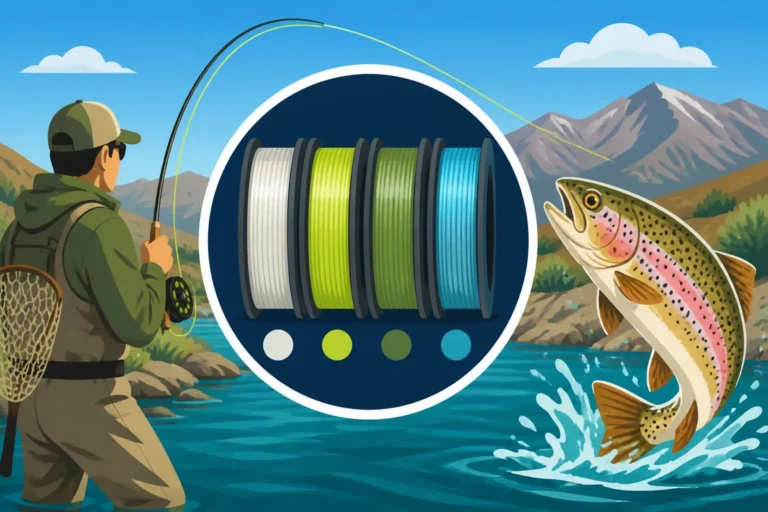
Choosing the right fishing line is just as critical as the rod and reel. There are three main types, each with distinct properties that shine in different Nevada fishing scenarios:
- Monofilament (Mono): This is the classic choice, known for its stretch, knot strength, and ease of handling. Its stretch acts as a shock absorber, which can be great for preventing hooks from tearing out of fish with soft mouths (like some trout) or for cushioning the initial strike of a powerful fish. It's often favored for topwater lures or when you want a little give in your setup.
- Fluorocarbon (Fluoro): Almost invisible underwater due to its refractive index, fluorocarbon is a favorite for clear waters like Lake Tahoe or for finicky fish that are line-shy. It has less stretch than mono, offering increased sensitivity and better feel for subtle bites. It also sinks, which can be an advantage when you want your lure to get down quickly or maintain contact with the bottom.
- Braided Line: Incredibly strong for its diameter and with virtually no stretch, braided line offers maximum sensitivity and power. It's excellent for fishing heavy cover for bass, deep jigging for stripers, or when you need to feel every bump and scrape on the bottom. Its lack of stretch provides powerful hook sets and allows you to detect even the lightest taps. However, it is visible, so many anglers will tie a fluorocarbon or monofilament leader to the end of their braid for presentation.
The line weight (test strength) should always be appropriate for the rod's power and the target species. Using too heavy a line on a light rod will restrict casting distance and action, while too light a line on a powerful rod risks breaking off a big fish. A balanced setup ensures that your rod, reel, and line work in harmony, translating into more effective casting, better bite detection, and more landed fish.
Essential Accessories to Maximize Your Rod's Potential
Beyond the core setup, a handful of essential accessories can significantly enhance your fishing experience and protect your valuable gear, especially in Nevada's often challenging conditions. Thinking ahead about these items can save you headaches and help you stay focused on the fish.
First up, rod holders. For bank fishing at popular spots along Lake Mead or for anyone using multiple rods from a boat for trolling, rod holders are indispensable. They keep your rod secure, protect it from being dragged into the water, and ensure it's in the optimal position for a strike. Whether they're simple bank sticks or sophisticated boat-mounted systems, they are a must-have.
Next, consider rod sleeves or covers. When transporting your rods, especially if you have several in a vehicle or a boat, rod sleeves prevent tangles, protect guides from damage, and keep your blanks from getting scratched. This is particularly important for delicate graphite rods.
Your lure and bait selection must naturally match your rod's action and power. A delicate ultralight rod won't effectively cast a heavy jig, and a stiff bass rod will overpower a tiny trout spinner. Understanding how your rod interacts with different lures ensures you get the best action out of your bait and can feel what it's doing underwater.
Don't forget the small but mighty tools: pliers and clippers. A good pair of fishing pliers is invaluable for removing hooks, especially from toothy fish or deep-hooked bass, protecting both your fingers and the fish. Line clippers are essential for clean knot tying and quickly snipping excess line.
Finally, while not directly part of your rod setup, hydration and sun protection are absolutely critical for any extended fishing trip in Nevada. The desert sun is relentless, and dehydration can quickly lead to fatigue and impair judgment. Always carry plenty of water and wear appropriate Desert Fishing Gear and Sun Protection, including a wide-brimmed hat, sunglasses, and long-sleeved UPF clothing. A good landing net, especially for larger fish, will also ensure you safely land your catch without over-stressing your rod or losing the fish at the boat or bank.
Disclaimer
This article is for general informational purposes only and does not constitute professional advice. Laws, prices and regulations vary by location and change over time. Consult a qualified professional for guidance on your specific situation.