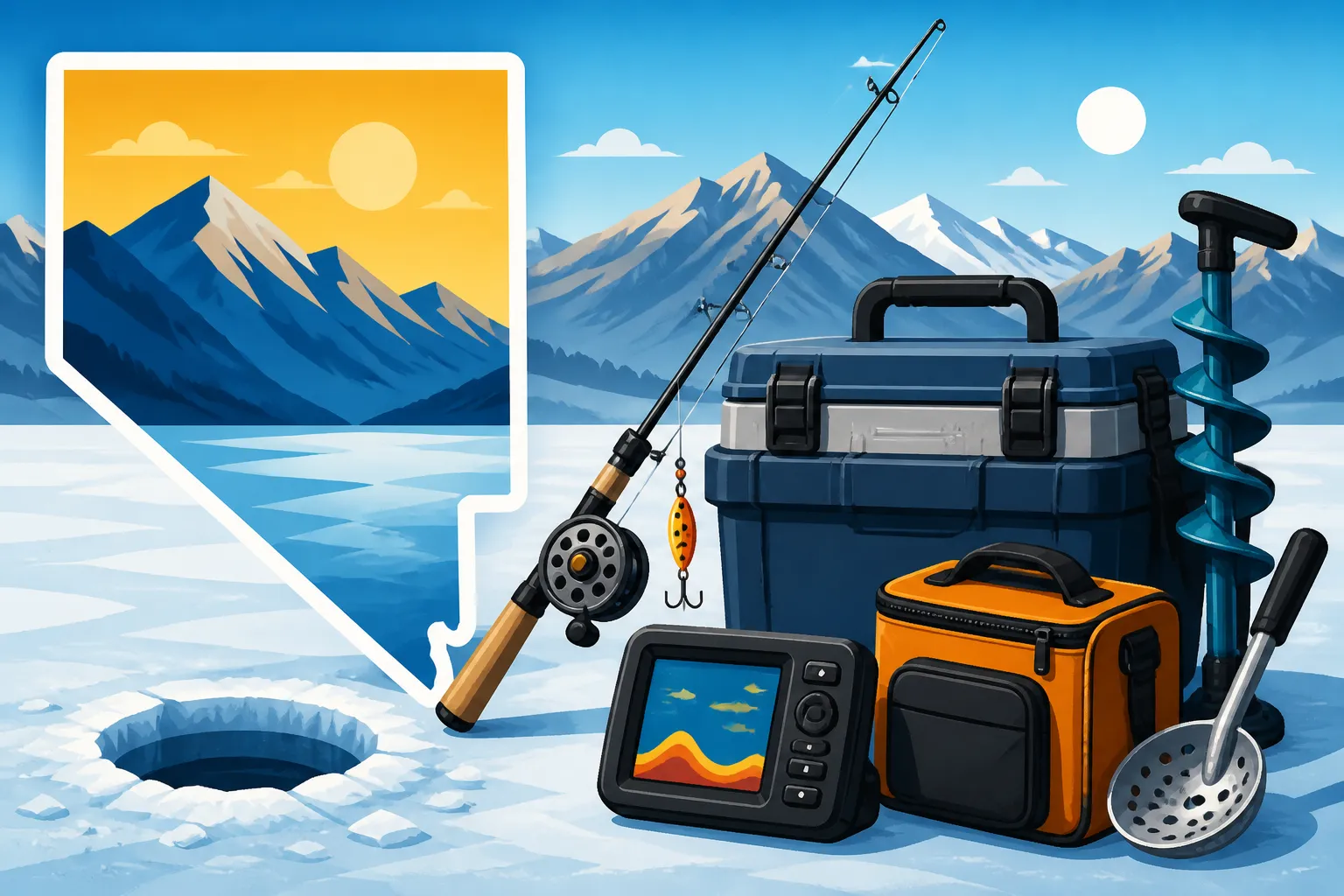
Nevada Ice Fishing Gear Checklist
When the cold grip of winter settles over Nevada, it brings with it a unique and exhilarating opportunity for anglers: ice fishing. But don't let the serene beauty of a frozen lake fool you; tackling the ice requires a specialized approach, especially in the high desert environment of the Silver State. Many anglers find themselves overwhelmed by the sheer volume of gear recommendations and wonder what truly makes a difference when venturing onto the ice. This comprehensive guide will walk you through everything you need to know about outfitting yourself for a safe, comfortable, and successful ice fishing adventure in Nevada, ensuring you're prepared for whatever the frozen landscape throws your way.
Embracing Nevada's Frozen Waters
Ice fishing in Nevada is a truly unique experience, offering a tranquil escape and the chance to target fish species that might be harder to find during warmer months. However, it's not simply traditional fishing translated to ice; it demands its own set of knowledge, techniques, and, most importantly, specialized gear. Understanding where and how ice forms in Nevada, coupled with the particular challenges of its climate, is the first step toward building your essential checklist.
Where the Ice Forms: Nevada's Prime Ice Fishing Destinations
While Nevada isn't typically thought of as an ice fishing paradise like some northern states, there are several fantastic spots where consistent ice forms, drawing dedicated anglers each winter. These often include higher elevation reservoirs and smaller lakes that experience prolonged cold temperatures. Places like Wildhorse Reservoir, up in Elko County, are renowned for their consistent ice and excellent fishing for yellow perch and trout. Further south, Cave Lake State Park near Ely also offers reliable ice fishing, often stocked with rainbow trout and even the occasional brown trout. Even some areas around Marlette Lake in the Carson Range can see fishable ice in exceptionally cold years, though access can be challenging. Each of these locations presents its own microclimate and ice conditions, which you must be prepared for. Knowing Which Nevada lakes freeze thick enough for ice fishing is crucial before you even pack your first piece of gear.
The Unique Demands of Nevada's High Desert Ice
Nevada's ice fishing scene comes with its own set of rules. Unlike some regions with deep, consistent freezes, Nevada's high desert lakes can experience more fluctuating temperatures, leading to varied ice thickness and quality. The intense high desert sun, even in winter, can rapidly degrade ice on warmer days, making vigilance about ice safety paramount. Wind is another major factor, often howling across open frozen expanses, capable of whipping away gear and cutting through inadequate clothing. High elevation also means thinner air, which can impact physical exertion and the performance of gas-powered equipment. Because of these factors, your gear needs to be robust, adaptable, and focused on both safety and comfort in potentially harsh, exposed conditions. Ice Fishing in Nevada requires a commitment to preparedness, unlike many other forms of angling in the state.
Safety First: Essential Ice Fishing Safety Gear
I can't stress this enough: safety is not an option when you're on the ice; it's an absolute requirement. Falling through the ice is a terrifying prospect, and in Nevada's often remote locations, help might be a long way off. A proper safety kit isn't just about preventing accidents; it's about giving you the best chance of survival should the unthinkable happen.
Personal Safety Devices: Your Lifelines on the Ice
Your personal safety equipment should always be within easy reach. The most critical items are ice picks, which are two spiked handles connected by a cord worn around your neck. If you break through, these give you crucial grip on the ice edge to pull yourself out. A whistle is also vital for signaling for help. Beyond that, many seasoned ice anglers invest in a specialized flotation suit. These suits are designed with built-in buoyancy that can keep you afloat if you go in, and they also offer incredible insulation against the cold. They might seem like an extravagance, but they are a true game-changer for peace of mind and warmth. Remember, even if the ice seems solid, conditions can change rapidly. Don't leave home without these basics.
Ice Assessment Tools: Don't Guess, Test!
Never assume the ice is safe. Always test it as you go. An ice spud bar is your best friend here. It's a heavy steel bar with a chisel point that you use to strike the ice ahead of you. If it goes through in one or two strikes, the ice is too thin. As a general rule, you want at least four inches of clear, solid ice for walking, and even more for ATVs or snowmobiles. An actual ice thickness gauge can provide a more precise measurement once you've made a hole. Regularly checking the ice, especially around inlets, outlets, and areas with current, is non-negotiable. Varying snow cover can also obscure thin spots, so rely on your spud bar, not just your eyes.
Emergency Preparedness: What to Do When Things Go Wrong
Beyond personal safety gear, a comprehensive emergency kit is crucial. This includes a waterproof first-aid kit that's adequately stocked for cold-weather injuries. A fully charged cell phone is a must, but remember that service can be spotty or nonexistent in remote Nevada areas. Consider carrying a satellite messenger device for true off-grid communication. A lighter or waterproof matches for starting a small fire (if permissible and safe) can be a lifesaver for warmth and signaling. A headlamp or flashlight, with extra batteries, is essential for early morning setups or unexpected delays. And finally, a throw rope (a floating rope in a bag) is excellent for helping someone else who has gone through the ice without putting yourself at risk.
Shelter and Warmth: Staying Comfortable on the Ice
Being exposed to Nevada's winter elements for hours can quickly turn an enjoyable trip into a miserable ordeal. Wind chill can be brutal, and staying warm and dry is paramount not just for comfort, but for safety. Proper shelter and clothing are your best defense.
Portable Ice Shelters: Your Mobile Warmth Hub
An ice shelter, often called a shanty or a pop-up, provides crucial protection from the wind and cold. There are two main types:
- Pop-up shelters: These are lightweight, fold down compactly, and are quick to set up. They're great for anglers who like to move around to find fish. They come in various sizes, from one-person models to larger versions for a small group. Brands like Clam and Eskimo offer excellent options that can be found at outdoor retailers like Bass Pro Shops or through online vendors like Amazon.
- Hub-style shelters: These offer more interior space and stability, often with insulated fabric that retains heat better. They're a bit heavier but provide superior comfort, especially on long days or in truly harsh weather.
Having a shelter dramatically extends your time on the ice and makes the entire experience much more enjoyable. It's not just about comfort; it's about minimizing exposure to the elements, which can lead to hypothermia. Ice Fishing Auger and Shelter are two foundational pieces of gear for any serious ice angler.
Heating Solutions for Your Shelter: Turning the Chill into a Cozy Glow
Once you have your shelter, the next step is to heat it. Portable propane heaters are the most common choice for ice fishing. Small, radiant heaters designed for enclosed spaces are typically safe and efficient. It's absolutely critical to use heaters designed for indoor use and to ensure adequate ventilation to prevent carbon monoxide buildup. Many models come with oxygen depletion sensors for added safety. Always carry extra propane canisters. Having a warm space inside your shelter allows you to shed some layers, relax, and focus on fishing, rather than constantly battling the cold.
Layering for Extreme Cold: Dressing for Success
Forget your heavy winter coat as your only defense. The key to staying warm in cold, windy Nevada conditions is layering.
- Base Layer: This should be a moisture-wicking material (like merino wool or synthetic fabrics), not cotton. It pulls sweat away from your skin, keeping you dry.
- Mid-Layer: Fleece or down insulation is perfect here. This layer traps warm air close to your body. You might have one or two mid-layers depending on the temperature.
- Outer Layer: This needs to be waterproof and windproof. A good quality ice fishing suit (like the aforementioned flotation suit) often serves as an excellent outer layer, providing both protection and insulation.
Don't forget your extremities! A warm hat that covers your ears is essential, as is a neck gaiter. Insulated, waterproof gloves or mittens are critical for hand protection, and good quality, waterproof, insulated boots are a must. Chemical hand and foot warmers can also provide a welcome boost of heat on exceptionally cold days.
Ice Fishing Tools: Drilling and Clearing Your Way
To get to the fish, you first need to get through the ice. This requires specialized tools that are up to the task of boring through several inches, or even a foot or more, of solid ice.
Choosing the Right Ice Auger: Manual, Power, or Electric?
The ice auger is arguably the most important tool after your safety gear. It's what creates your fishing hole.
- Manual Augers: These are hand-cranked and are perfect for thinner ice (under a foot) or for anglers who prefer a quieter, simpler approach. They're also the most affordable and lightweight option, ideal for walking long distances. They're also great for beginners or those who only go out occasionally.
- Gas-Powered Augers: These are beasts, tearing through thick ice with ease. They're heavier, louder, and require fuel, but they're indispensable for serious anglers on thick ice or when drilling many holes. Be mindful of their weight and bulk if you have to hike far.
- Electric Augers: A fantastic middle ground, electric augers are quieter, cleaner (no fumes), and lighter than gas models, offering excellent power from rechargeable batteries. Battery life is a consideration, especially in extreme cold, so extra batteries are a smart investment. Many brands now offer robust electric augers that can handle thick Nevada ice.
Consider the typical ice thickness in your preferred fishing spots and how many holes you plan to drill when making your choice.
Ice Skimmers and Slush Removers: Keeping Your Holes Open
Once you've drilled your hole, slush and ice chips will inevitably form, especially in freezing temperatures. An ice skimmer (a perforated ladle on a stick) is essential for clearing these out, keeping your hole open and ready for fishing. You might need to skim your hole periodically throughout the day. Some anglers also bring a small shovel or scoop to clear away larger piles of ice chips around their shelter or holes, preventing tripping hazards and making it easier to manage your catch.
Rods, Reels, and Tackle: The Business End of Ice Fishing
Ice fishing uses specialized rods and reels that are vastly different from what you'd use for open water. They're designed for precision, sensitivity, and handling fish in a confined space.
Specialized Ice Rods and Reels: Designed for the Hole
Ice fishing rods are much shorter than traditional rods, typically ranging from 24 to 36 inches. This shorter length is ideal for fishing directly over a hole, whether inside a shelter or out in the open. They come in various actions, from ultra-light for panfish (like yellow perch often found at Wildhorse Reservoir) to medium-heavy for larger trout or other species. The sensitivity of the rod tip is crucial for detecting subtle bites.
Ice reels are often small spinning reels or specialized inline reels. Inline reels are gaining popularity for ice fishing because they eliminate line twist, which is a common issue with small jigs and light lines. Whichever you choose, ensure it's rated for cold temperatures and can handle the light lines often used in ice fishing. Many combo kits featuring a rod and reel are available, making it easy for beginners to get started. You can often find great options for an Ice Fishing Rod and Tip-Up Setup at outdoor stores like Bass Pro Shops.
Baits and Lures for Nevada Ice Species: What Works Under the Ice
The types of bait and lures that work best under the ice often differ from open water techniques.
- Jigs: Small tungsten or lead jigs are incredibly effective. Tipped with a live grub (like a mealworm or waxworm), a small piece of corn, or even a soft plastic lure, they can be irresistible to trout and perch. Bright colors like chartreuse, orange, and white often stand out in the dim light under the ice.
- Spoons: Small jigging spoons, flutter spoons, or Swedish Pimples are also excellent for attracting fish. Their flash and wobble can draw fish from a distance.
- Live Bait: Minnows (where legal), mealworms, waxworms, and even cured salmon eggs are all highly effective. Always check local regulations, as some waters may have restrictions on live bait.
- PowerBait: For stocked trout, PowerBait in various colors and scents is a classic choice, often fished on a small hook with a light sinker just off the bottom.
The key is often to use subtle movements – a slow lift and fall, or tiny jiggles – to entice bites. Fish under the ice can be lethargic, so finesse is often required.
Line and Terminal Tackle Considerations: Light and Strong
For most Nevada ice fishing, especially for trout and perch, light monofilament or fluorocarbon line in the 2-6 pound test range is common. Fluorocarbon is nearly invisible in the water and sinks faster, which can be an advantage. Some anglers use braided line with a fluorocarbon leader for added sensitivity and strength.
Terminal tackle should include a variety of small hooks (sizes 8-14 are common), split shot weights, and swivels. Have a good pair of pliers or forceps for hook removal, especially when dealing with cold hands. A tackle box or bag specifically organized for ice fishing will keep your small items from getting lost in the snow.
Technology and Comfort: Enhancing Your Ice Fishing Experience
While some might prefer a minimalist approach, modern technology can significantly improve your ice fishing success and comfort. From locating fish to keeping your electronics charged, these items can make a big difference.
Portable Fish Finders and Flashers: Seeing What's Below
A portable fish finder or flasher is a game-changer for ice fishing. These devices allow you to see fish, your lure, and the bottom contour directly under your hole. This immediate feedback helps you understand how fish are reacting to your presentation, letting you adjust your depth or lure action in real-time. Flashers, with their circular displays, are incredibly popular for ice fishing due to their instant, precise readings. Many excellent models from brands like Humminbird and Garmin are compact and battery-powered, making them perfect for trekking out onto the ice.
Seating and Storage Solutions: Staying Organized and Comfortable
A comfortable seat makes a long day on the ice much more enjoyable. Many ice anglers use a bucket with a padded lid, which doubles as storage for gear or even a livewell for keeping fish. Specialized ice fishing chairs or portable sleds with integrated seats are also popular. Speaking of sleds, a durable ice fishing sled is invaluable for hauling all your gear across the snow and ice. Brands like Otter and Shappell make sleds that can withstand rough treatment and have plenty of room for your auger, shelter, heater, and tackle. It saves your back and keeps everything organized as you move.
Lighting and Power Sources: Extending Your Day on the Ice
For those early morning starts or late evening finishes, or simply for better visibility inside your shelter, good lighting is essential. A reliable headlamp with fresh batteries is a must-have. Battery-powered LED lanterns are great for ambient light inside your shelter. If you're using an electric auger or a fish finder, a portable power bank or a small, deep-cycle battery can keep your devices charged throughout the day. Some shelters even come with integrated lighting systems.
Transportation and Mobility: Getting Around on the Ice
Getting yourself and all your gear to your desired fishing spot across a frozen lake can be a challenge, especially with deep snow or slush. Proper footwear and hauling solutions are critical.
Ice Sleds and Haulers: Your Winter Workhorse
As mentioned, an ice fishing sled is a game-changer. These rugged plastic sleds are designed to be pulled by hand, or by an ATV or snowmobile if you're venturing further out (and if allowed by local regulations). They protect your gear from snow and ice, keep it organized, and make transportation infinitely easier. Some sleds are even designed to hold specific gear, like augers and propane tanks, securely. Loading everything into one or two sleds simplifies your trek and keeps your hands free for balancing or carrying essential safety items.
Footwear and Traction: Staying Upright and Warm
Your boots are one of the most important pieces of gear. You need heavily insulated, waterproof winter boots with excellent traction. Look for boots rated for extremely cold temperatures. Traction devices, such as ice cleats or Yaktrax that strap onto your boots, are absolute lifesavers. They prevent slips and falls on slick ice, which can easily lead to serious injury. You'll be walking on uneven, potentially wet and icy surfaces, so don't skimp on footwear.
Food, Drink, and Miscellaneous Essentials
Don't forget the creature comforts and practical necessities that round out your ice fishing checklist.
Hydration and Nutrition: Fueling Your Adventure
Even in cold weather, staying hydrated is crucial. Carry a thermos of hot coffee, tea, or cocoa to warm you from the inside out. A water bottle with an insulated sleeve can prevent your water from freezing. Pack plenty of snacks and a hearty lunch. High-energy foods like trail mix, energy bars, sandwiches, and fruit will keep your energy levels up during a long day in the cold. A small, insulated bag can keep your food from freezing solid.
Tools and Repair Kits: Be Ready for Anything
A multi-tool is always a good idea. Small pliers, screwdrivers, and a knife can fix minor issues on the fly. Extra line, spare batteries for all your electronics, and a small repair kit for your shelter (patch material, duct tape) can save a trip. A pair of wire cutters is handy for various rigging tasks.
Your Comprehensive Nevada Ice Fishing Gear Checklist
To help you organize your packing, here's a table summarizing the essential gear categories and items for a successful Nevada ice fishing trip. This isn't exhaustive, but it covers the foundational pieces you'll need.
| Category | Essential Items | Description |
|---|---|---|
| Safety Gear | Ice picks, Whistle, Flotation Suit | Worn around the neck for self-rescue; for signaling; insulated suit with built-in buoyancy. |
| Ice spud bar, Ice thickness gauge, Throw rope | To test ice thickness; to measure ice precisely; for rescuing others from a safe distance. | |
| First-aid kit, Charged phone, Headlamp | For injuries; for communication (check for service); for visibility in low light. | |
| Shelter & Warmth | Portable ice shelter (pop-up/hub-style) | Protection from wind and cold. |
| Portable propane heater, Extra propane | To heat the shelter (ensure ventilation); fuel source. | |
| Layered clothing, Insulated boots, Gloves | Base, mid, outer layers (moisture-wicking, insulating, wind/waterproof); waterproof, warm footwear; hand protection. | |
| Ice Tools | Ice auger (manual/gas/electric) | To drill fishing holes. |
| Ice skimmer, Small shovel | To clear slush and ice from holes; to clear larger ice piles. | |
| Rods, Reels & Tackle | Ice fishing rods & reels | Short, sensitive rods; cold-weather spinning or inline reels. |
| Assorted jigs, Spoons, Live bait, PowerBait | Lures and natural baits for trout and perch. | |
| Light line (mono/fluoro), Hooks, Sinkers | Sensitive line, small hooks, split shot. | |
| Electronics & Comfort | Portable fish finder/flasher | To locate fish and monitor lure presentation. |
| Bucket with padded lid/Ice fishing chair | For seating and storage. | |
| Portable power bank/battery | To charge electronics. | |
| Transport & Mobility | Ice fishing sled | To haul gear across ice and snow. |
| Ice cleats/Yaktrax | For traction on slick ice. | |
| Personal Essentials | Thermos (hot drink), Water bottle, Snacks | Hydration and energy. |
| Multi-tool, Extra batteries, Repair kit | For minor fixes and emergencies. |
Remember, this checklist serves as a foundation. Experienced anglers often refine their gear based on personal preferences, target species, and specific lake conditions. For example, if you're primarily targeting yellow perch, you might focus more on tiny tungsten jigs and delicate bobbers, whereas targeting larger trout at Wildhorse might warrant slightly heavier tackle. Always remember to check the Nevada Fishing Regulations Explained for specific waters you plan to visit, as rules can vary greatly.
Planning Your Nevada Ice Fishing Adventure
Beyond the gear, a successful ice fishing trip relies on thorough planning. This includes understanding the specific regulations for your chosen lake, knowing the best times to go, and communicating your plans to others. For instance, knowing the Nevada Trout Stocking Schedule can help you pinpoint waters that have recently received a fresh batch of fish, increasing your chances of success.
Understanding Local Regulations and Permits
Every body of water in Nevada will have its own set of rules, and ice fishing is no exception. This includes general Nevada Fishing License Guide requirements, specific bag and size limits for different species, and any regulations regarding the use of live bait, motorized vehicles on the ice, or temporary shelters. For instance, some waters may have special rules for specific trout species, such as Lahontan Cutthroat Trout, or for particular game fish. Always consult the Nevada Department of Wildlife (NDOW) regulations booklet or website before heading out. Violating regulations can lead to fines and spoil your day on the ice.
Weather Awareness and Contingency Planning
Nevada weather, especially in the mountains and high desert, can be notoriously unpredictable. A sunny, calm morning can quickly turn into a raging blizzard. Always check the forecast thoroughly before you go, and be prepared for sudden changes. This means having extra warm layers, knowing when to call it a day, and having a plan for safely retreating if conditions deteriorate. Tell someone responsible where you are going and when you expect to return. This "float plan" is a simple but critical safety measure for any remote outdoor activity, including ice fishing. Also, understand that travel to some ice fishing locations might require 4×4 vehicles, snow chains, or even snowmobiles, so plan your transportation accordingly.
Maintaining Your Gear for Longevity
After a cold day on the ice, it’s important to properly care for your gear. Dry out your tent, clothing, and boots thoroughly to prevent mold and mildew. Clean and lubricate your reels to prevent corrosion. Sharpen your auger blades or take them for professional sharpening. Storing your gear properly will ensure it’s ready for your next adventure and will save you money in the long run. Many of these items are an investment, and taking care of them will allow them to serve you for many seasons to come. You can find quality care products and advice at outdoor retailers like Bass Pro Shops or online at Amazon, helping you keep your gear in top shape.
Final Thoughts on Conquering Nevada's Ice
Ice fishing in Nevada offers a truly unique and rewarding experience for those willing to embrace the cold. The tranquility of a frozen landscape, the crisp winter air, and the thrill of pulling a feisty trout or a schooling perch through a hole in the ice are moments you won't soon forget. With the right gear, a commitment to safety, and a healthy respect for the elements, you'll be well on your way to creating unforgettable winter angling memories. So gather your Nevada Ice Fishing Gear Checklist, bundle up, and get ready to experience a different side of Nevada's incredible fishing opportunities.
Disclaimer
This article is for general informational purposes only and does not constitute professional advice. Laws, prices and regulations vary by location and change over time. Consult a qualified professional for guidance on your specific situation.