Best Tackle for Nevada Trout Fishing
Oh, the quest for the perfect trout tackle in Nevada! It’s a journey many of us anglers have been on, often starting with an overflowing tackle box full of mismatched gear and ending with the realization that less is often more, but the right less. If you've ever stood in an aisle, totally bewildered by the sheer number of lures, baits, and lines, wondering what on earth will actually tempt a stubborn Nevada trout, you're not alone. This comprehensive guide is here to cut through the confusion and help you confidently stock your tackle box for success across Nevada's incredibly diverse trout fisheries.
Understanding Nevada's Trout Fishing Landscape
Before we even dive into specific hooks and lines, it’s crucial to understand that Nevada isn't just one big fishing hole. The Silver State boasts an incredible variety of trout habitats, each demanding a slightly different approach. What works perfectly in a high mountain lake might be entirely ineffective in a desert reservoir or an urban pond. Truly understanding these differences is the first step to choosing the best tackle.
High Mountain Lakes and Streams
Think of the majestic Ruby Mountains or the serene Lamoille Canyon—these are often home to crystal-clear, cold waters where trout are wily and naturally wary. We're talking about native Lahontan cutthroat, rainbow, and sometimes even brook trout that have seen it all. The water is often shallow near the banks, deepening quickly, and surrounded by pine trees and rocky outcrops. These fish are used to feeding on small insects, aquatic invertebrates, and tiny baitfish. This environment screams for finesse, lighter lines, and natural presentations.
Anglers often face challenges here like strong winds whipping across exposed lakes, making casting difficult, or swift currents in streams that demand precise lure placement. The sheer beauty of these locations can also be distracting, but a focused approach to tackle selection will greatly improve your chances. You're not just fighting the fish; you're often battling the elements and the fish's natural suspicion.
Desert Reservoirs and Large Lakes
Now, picture the vast expanse of Wildhorse Reservoir or even the sprawling blue of Lake Tahoe on the Nevada side. These are entirely different beasts. While Lake Tahoe has its own unique ecosystem supporting monster Mackinaw (lake trout), many of Nevada’s high desert reservoirs are managed fisheries, often stocked with rainbow trout multiple times a year by the Nevada Department of Wildlife (NDOW). These waters can be significantly warmer than mountain streams, especially in summer, and feature fluctuating water levels, extensive open water, and sometimes limited bank access.
Trout in these larger bodies of water often feed on a wider variety of forage, including smaller baitfish like shad, scuds, and even other trout. They can be found at various depths, from cruising the shorelines in cooler months to suspending in deeper, cooler water when the desert sun is beating down. The tackle here needs to be versatile, able to handle longer casts, deeper presentations, and sometimes more aggressive strikes from larger, hunger-driven fish. This is where you might blend techniques for general trout fishing with methods that cross over into bass or striper fishing. You'll definitely want to understand the Nevada Trout Stocking Schedule for these areas.
Urban Ponds and Community Fisheries
Don't discount the urban ponds, especially around areas like Las Vegas, Reno, or Fallon. These are vital community fisheries, regularly stocked with catchable-sized rainbow trout, often multiple times during the cooler months. Places like Sunset Park, Lorenzi Park, or Floyd Lamb Park in Las Vegas offer fantastic, accessible fishing opportunities, especially for families and beginners. The fish here are often less wary, accustomed to a higher angling pressure, and eager to strike at readily available baits.
The challenges in urban ponds are different. They might be smaller, with more crowded banks, and the trout, while plentiful, can become "educated" quickly after stocking. The water might not be as clear, and the fish are usually not looking for natural, subtle presentations. Instead, they respond well to scent, color, and action that stands out. This is a great place to refine basic techniques and introduce new anglers to the joy of a bending rod. A simple approach to tackle is often the most effective here, focusing on appealing to the fish's immediate hunger rather than their natural foraging instincts.
Essential Tackle Box Basics for Trout
Regardless of where you're fishing in Nevada, a core set of tackle will always be useful. This is your foundation, the items you absolutely can't leave home without if you're targeting trout. Think of it as the Swiss Army knife of your fishing gear.
Fishing Line Choices
Choosing the right fishing line for Nevada trout is more important than many anglers realize. Trout, especially in clear waters, can be incredibly line-shy.
- Monofilament (Mono): This is your all-around workhorse. It's affordable, has good stretch (which helps absorb sudden strikes and head shakes), and is relatively easy to tie knots with. For most trout fishing in Nevada, particularly in ponds and smaller reservoirs, 4 to 6-pound test monofilament is ideal. It's strong enough to handle decent-sized trout but light enough to be less visible. You can find a wide array of quality monofilament at Bass Pro Shops, making it easy to spool up before your next trip.
- Fluorocarbon (Fluoro): This line is nearly invisible underwater due to its refractive index being similar to water. It also has less stretch than mono, offering better sensitivity, which can be crucial for detecting light bites. Many anglers use fluorocarbon as a leader material (connecting a few feet of it to their main monofilament or braided line) for its invisibility. If you're tackling wary trout in clear mountain lakes or streams, a 2 to 4-pound fluorocarbon leader can make a huge difference. The lack of stretch can be a double-edged sword, though; you need to be careful not to yank the hook out of a soft trout mouth.
- Braided Line: While not typically used as a primary line for trout due to its high visibility and lack of stretch, braid has its place, especially when paired with a fluorocarbon leader. Its strength-to-diameter ratio is incredible, meaning a 10-pound test braid is much thinner than 10-pound mono, allowing for longer casts. Its zero-stretch quality provides unparalleled sensitivity, perfect for detecting subtle bites when you're fishing deeper or at long distances. If you're fishing larger bodies of water, using a 10-pound braid with a 4-6 pound fluorocarbon leader is a fantastic setup, giving you strength for casting and battling, and invisibility where it counts.
A Selection of Hooks
Having the right hooks is paramount. Trout have relatively small, soft mouths, so sharp, appropriately sized hooks are critical for good hooksets and minimal fish damage.
- Treble Hooks: Often found on many manufactured lures, treble hooks (with three points) provide excellent hooking potential. However, they can cause more damage to a fish, especially if you plan on practicing catch-and-release. For baits like PowerBait or dough baits, anglers often swap out the stock treble for a single, smaller hook.
- Single Hooks: A selection of Aberdeen or Baitholder style single hooks in sizes #10 to #14 will cover most bait fishing situations. The long shank of an Aberdeen hook makes it easier to remove from a trout's mouth, and the barbs on a Baitholder help keep your bait secure. For fishing live worms or salmon eggs, these are your go-to. Always make sure they are super sharp. You can order various hook assortments conveniently from Amazon if you're looking to stock up without leaving home.
- Barbless Hooks: For many catch-and-release fisheries, especially certain waters or special regulations like at Pyramid Lake, barbless hooks are mandatory. Even if not required, using barbless hooks (or crimping down the barb on your existing hooks) greatly reduces stress and injury to the fish, making for healthier releases. This is a crucial practice for ethical angling, ensuring future generations of fish. Remember to always check the Nevada Fishing Regulations Explained before heading out.
Weights and Sinkers
Weights are essential for getting your bait or lure down to where the trout are, especially when dealing with current, wind, or deep water.
- Split Shot: These small, crimp-on weights are indispensable. They come in various sizes (BB, 3/0, 1/0, etc.) and allow for fine-tuning your presentation. Use one or two small split shots a foot or so above your hook for a natural drift, or add more to get your bait down faster. Always pinch them gently to avoid weakening your line.
- Sliding Sinkers (Egg Sinkers/Bullet Weights): These weights have a hole through the middle, allowing your line to slide freely. This is excellent for "Carolina Rig" style setups, where a trout can pick up the bait without feeling the weight, allowing you to detect a bite before the fish drops the bait. Sizes from 1/8 oz to 1/2 oz are common for trout.
- Bell Sinkers: Often used for still fishing with heavier bait, these lead weights have a swivel on top for attaching to your line. They're good for anchoring your bait in place in currents or at depth, particularly when you're not holding the rod constantly.
Swivels and Snaps
These small but mighty pieces of terminal tackle prevent line twist and make changing lures easier.
- Barrel Swivels: Simple, effective swivels that rotate to prevent line twist, which can be a huge problem when using spinning lures or in strong currents. Sizes 10-14 are good for trout.
- Snap Swivels: These combine a barrel swivel with a snap clip, allowing for quick lure changes without re-tying. Super convenient if you're experimenting with different colors or types of lures. Just be sure the snap is strong enough and won't unexpectedly open. Some anglers prefer just a plain swivel and tie directly to the lure or use a small snap without a swivel for less hardware in the water.
Rods and Reels: Finding Your Perfect Setup
Your rod and reel are the extension of your arm, connecting you directly to the fish. The right combination can make all the difference in casting accuracy, detecting subtle bites, and successfully landing a trout.
Spinning Rods for Versatility
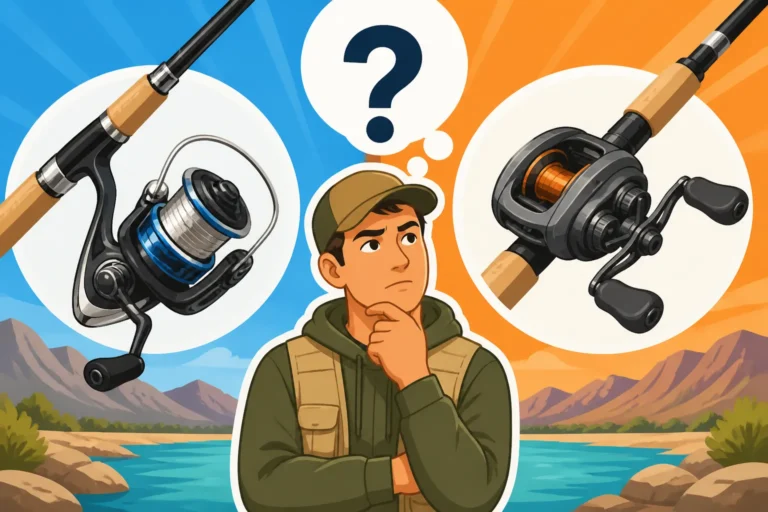
For the vast majority of trout fishing scenarios in Nevada, a spinning rod is going to be your best friend. They are incredibly versatile, easy to use for beginners, and allow for casting light lures and baits with precision.
- Rod Length: A 6-foot to 7-foot light or ultralight action spinning rod is generally ideal. A 6-foot rod is excellent for smaller streams where accuracy and maneuverability are key, while a 7-foot rod gives you more casting distance, which is a huge advantage on larger lakes and reservoirs.
- Action: Look for a rod with a "light" or "ultralight" power and a "fast" or "moderate-fast" action.
- Power refers to the rod's lifting strength. Light/ultralight rods bend more easily, making them sensitive to light bites and perfect for fighting smaller, lighter-mouthed fish like trout without tearing the hook out.
- Action describes where the rod bends. A "fast" action means the rod bends mostly in the tip, offering excellent sensitivity and quick hooksets. A "moderate-fast" action bends further down the blank, providing a bit more forgiveness and better casting for lighter lures.
- Material: Graphite rods are lighter and more sensitive than fiberglass, allowing you to feel even the most delicate nibbles. Fiberglass rods are more durable and forgiving, often a good choice for younger anglers. Many modern rods combine these materials for the best of both worlds.
Choosing a rod at a place like Bass Pro Shops allows you to feel the rod in your hand, test the flex, and ensure it balances well, which is something you just can't do when buying online.
Spinning Reels for Smooth Performance
Pair your spinning rod with a high-quality spinning reel that matches its light action.
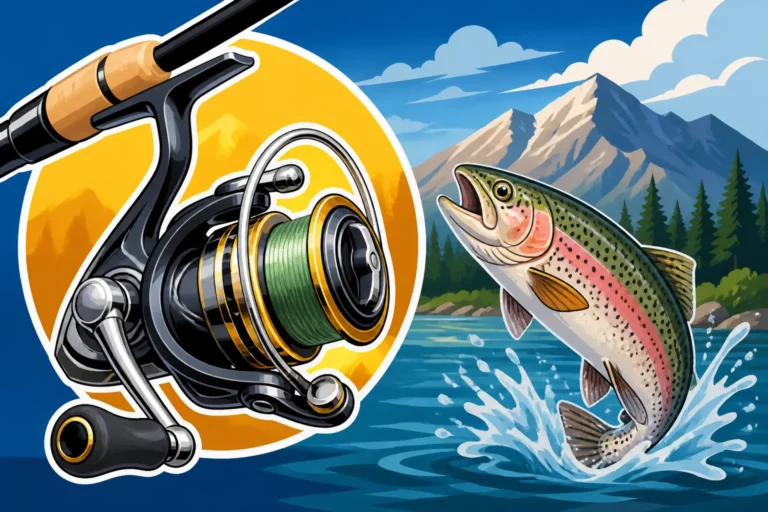
- Reel Size: For trout, a reel in the 1000 to 2500 series is usually perfect. The smaller numbers (1000, 2000) are great for ultralight setups and lighter lines, while a 2500 series reel offers a bit more line capacity and cranking power for larger fish or heavier lines.
- Smooth Drag: This is perhaps the most critical feature. A smooth, consistent drag system is vital for fighting trout on light line. It allows the fish to pull line off the spool when it runs, preventing your line from breaking, especially during those unpredictable head shakes. You don't want a drag that sticks or is jerky, as this will result in lost fish.
- Gear Ratio: A gear ratio around 5.0:1 or 6.0:1 is a good balance for trout fishing. It offers enough speed for retrieving lures quickly but also provides sufficient power for battling fish.
- Construction: Look for reels with quality ball bearings (more bearings generally mean smoother operation) and durable components. A lightweight reel will balance better with your light rod and reduce fatigue during long fishing sessions. Many excellent Best Spinning Reels for Trout Fishing are available from various manufacturers, offering reliability and smooth operation.
Fly Fishing Combos for the Purist
While spinning gear is versatile, many anglers find immense joy and challenge in fly fishing for Nevada trout, especially in the more pristine high mountain streams and lakes.
- Rod Weight: For most Nevada trout, a 3-weight to 5-weight fly rod is ideal. A 3-weight is perfect for delicate presentations on small streams and wary fish, while a 5-weight is more versatile, handling larger trout, slightly larger flies, and windy conditions on bigger waters.
- Rod Length: 7.5 feet to 9 feet are common lengths. Shorter rods (7.5-8 feet) excel on brushy streams, while longer rods (8.5-9 feet) offer better line control, casting distance, and mending capabilities on rivers and open lakes.
- Reel: A fly reel for trout is typically a "single action" reel, meaning one turn of the handle equals one turn of the spool. Its primary function is to store line and provide a smooth drag, not to reel in the fish (you usually "hand line" the fish with the fly line). A disc drag system offers superior smoothness compared to click-and-pawl.
- Fly Line: The fly line itself provides the weight needed to cast the fly. A weight-forward (WF) floating line is the most common and versatile choice for trout. You might also consider a sink-tip or full-sinking line for fishing deeper lakes or for streamer fishing.
- Leader and Tippet: These are critical for presenting your fly naturally. Tapered leaders (which get thinner towards the end) in 7.5 to 9-foot lengths are typical, with a tippet (the very end of the leader where you tie your fly) of 4X to 6X for most trout. The "X" rating indicates the tippet's diameter and breaking strength—higher X numbers mean thinner, lighter tippet.
The Best Baits and Lures for Nevada Trout
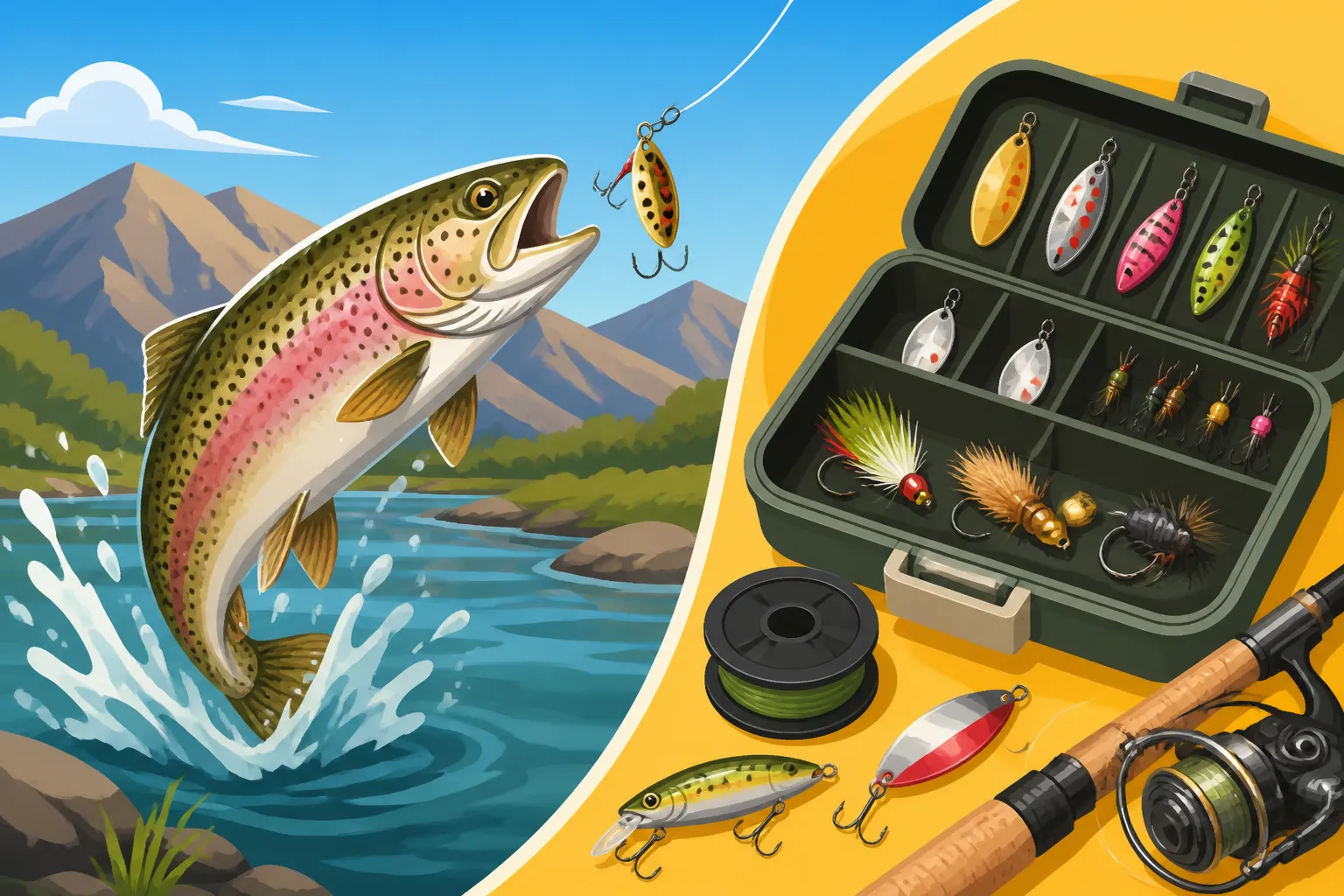
This is where the magic happens! What you tie to the end of your line often determines your success. Trout can be finicky, so having a variety of options is key.
Natural and Prepared Baits
Sometimes, trout just want something they can smell and eat. Natural and prepared baits are often incredibly effective, especially for freshly stocked trout or in urban ponds.
- PowerBait and Dough Baits: These are arguably the most popular and effective prepared baits for stocked rainbow trout in Nevada's lakes and ponds. PowerBait comes in an incredible array of colors (chartreuse, rainbow, salmon peach, garlic scent are popular) and forms (nuggets, power eggs, dough). Mold a small ball around a single hook, allowing it to float just off the bottom. The scent and bright colors are irresistible to hungry stocked trout. Experiment with different colors and scents on any given day.
- Worms (Nightcrawlers, Red Worms): The classic, and for good reason. Live worms are universally appealing to trout, offering natural scent and movement. Hook a small piece of a nightcrawler or a whole red worm through the head, letting it wiggle naturally. They work well for both stocked and wild trout, especially after rain or in muddier waters. For river and stream fishing, a small worm drifted naturally can be deadly.
- Salmon Eggs: Real or imitation salmon eggs are fantastic for trout, particularly in rivers and streams where trout naturally feed on fish eggs. Thread one or two eggs onto a small hook (size 12-14) and drift them naturally with the current. Their bright color and natural scent (for real eggs) are hard for trout to resist.
- Corn: Believe it or not, plain old canned corn can be a secret weapon for stocked trout. The bright yellow color is visible, and the sweet smell can attract fish. It’s also very soft, so use a small, sharp hook and fish it gently. This is a very budget-friendly option and often works wonders in urban ponds.
Artificial Lures for Action and Flash
When trout are actively feeding, or when you need to cover more water, artificial lures are often the way to go. They mimic baitfish or insects, triggering a predatory response.
- Spinners: Lures like the classic Mepps Aglia, Panther Martin, or Rooster Tail are staples in any trout angler's tackle box. Their rotating blade creates flash and vibration that drives trout wild. Sizes from 1/16 oz to 1/4 oz are ideal. They work well in streams, rivers, and lakes. Cast them out and retrieve steadily, letting the blade do its work. Different blade colors (silver, gold, copper) and body colors (black, white, fluorescent) can make a difference depending on water clarity and light conditions.
- Spoons: Thin, wobbling metal lures such as the Kastmaster, Little Cleo, or Thomas Buoyant are excellent for casting long distances and imitating injured baitfish. They flutter enticingly on the fall and wobble on the retrieve. Silver, gold, and various painted patterns are popular. They're particularly effective in larger lakes and reservoirs where trout might be chasing baitfish. Jig them vertically if you're fishing from a boat or bank in deeper water.
- Jigs: Small marabou jigs, tube jigs, or grub jigs (1/32 oz to 1/8 oz) can be incredibly effective, especially when fished under a bobber or slowly jigged along the bottom. White, black, olive, and chartreuse are great colors. Tipping them with a small piece of worm or PowerBait can make them even more enticing. These are fantastic for reaching fish at specific depths and mimicking small prey. You can find a huge variety of trout jigs at any well-stocked tackle shop or online through Amazon.
- Small Crankbaits: Lures like the Rapala CountDown or Cotton Cordell Wally Diver can be surprisingly effective for larger trout in reservoirs, especially those mimicking minnows. They dive to specific depths and have a tight wobbling action. Use smaller sizes, generally 1.5 to 3 inches long. These are excellent for trolling from a boat or casting and retrieving from shore when fish are cruising deeper.
- Soft Plastics: Tiny plastic grubs, worms, or trout worms (like those from Berkley Gulp!) fished on a small jig head or under a bobber can be deadly. The scent often impregnated into these plastics, combined with their subtle action, makes them very appealing. These often mimic aquatic insects or small fry and can be fished very slowly. You can learn more about specific bait choices in our Best Bait for Nevada Trout guide.
Specialized Gear for Specific Nevada Trout Fishing Scenarios
Sometimes, your basic tackle needs a boost. Certain situations or target species in Nevada call for specialized gear to truly maximize your chances.
Ultralight Gear for Finesse Fishing
When you're dealing with exceptionally clear water, wary trout, or very small streams, ultralight gear becomes your secret weapon. This isn't just about using lighter line; it's about a complete system designed for delicacy.
- Rods: Think 5-foot to 6-foot ultralight rods, often with a slow or moderate action. These rods are incredibly sensitive, allowing you to feel the most subtle takes, and they provide maximum sport with smaller fish. The softer action also prevents you from pulling the hook out of a trout's mouth, which can happen easily with stronger rods and light line.
- Reels: Pair these rods with the smallest spinning reels, typically in the 500 to 1000 series, spooled with 2 to 4-pound test monofilament or fluorocarbon line.
- Lures/Baits: Tiny spinners (1/32 oz), micro-jigs, very small spoons, or natural baits on a size 14 or 16 hook are perfect. The goal is to present something so small and natural that even the most suspicious trout can't resist. This approach is particularly effective in high mountain streams like those in the Jarbidge Wilderness or the headwaters of the Truckee River. The challenge is often in getting a long enough cast with such light tackle, but the rewards are often worth it.
Deeper Water and Trolling Setups
For the big reservoirs and lakes like Lake Tahoe or Lake Mead (where trout might be targeted in cooler months), trout often hold in deeper, cooler water. Getting your lure down to them requires a different approach.
- Downriggers: These mechanical devices are essential for precisely controlling the depth of your lure when trolling from a boat. A heavy cannonball weight pulls a main line down, and your fishing line clips into a release mechanism on the downrigger line. When a fish strikes, your line pops free, allowing you to fight the fish directly without the weight. This is how many anglers effectively target deep-dwelling Mackinaw trout in Lake Tahoe.
- Lead Core Line: This specialized line has a lead core wrapped in a braided sheath, causing it to sink. Each "color" (usually 10 yards) of lead core sinks to a predictable depth, allowing you to estimate how deep your lure is running by how many colors you let out. It's an effective, albeit less precise, alternative to downriggers, popular with anglers who might not have downriggers or are fishing from smaller boats.
- Diving Planers and Discs: These devices are attached to your main line ahead of your lure. As you troll, they dive, pulling your lure down to depth. They come in various sizes and designs, offering different diving capabilities. They offer a simple way to get lures deeper without specialized reels.
- Lures: Larger spoons, specialized crankbaits designed for trolling, or even dodgers/flashers (which attract fish with their flash and wobble) followed by a short leader to a fly or lure are common. Mackinaw in Lake Tahoe, for example, often respond well to large spoons or artificial minnow plugs trolled at specific depths. Our guide on How to Catch Mackinaw Trout at Lake Tahoe dives deeper into these specific techniques.
Ice Fishing Gear for Winter Adventures
When Nevada's higher elevation lakes freeze over, a whole new world of trout fishing opens up. Ice fishing requires its own distinct set of tackle to deal with the unique challenges of fishing through a hole in the ice.
- Ice Fishing Rods: These are typically very short rods, ranging from 24 to 36 inches, often with sensitive tips. The short length is practical for fishing in a small shelter or out in the open on the ice, and the sensitive tip helps detect the very subtle bites that trout often give in cold water.
- Ice Fishing Reels: Small spinning reels are common, but specialized ice fishing reels (which resemble fly reels but are designed for spinning line) are also popular. Smooth drag is still essential.
- Auger: You can't ice fish without a hole! Manual, power (gas or propane), or electric augers are used to drill holes through the ice. A 6-inch or 8-inch auger is typical for trout.
- Shelter: While not strictly tackle, an ice fishing shelter (pop-up or permanent) provides crucial protection from the biting wind and cold, making your experience much more enjoyable.
- Lures/Baits: Small jigs (often tipped with a mealworm, wax worm, or PowerBait), small spoons, or even tiny plastic grubs are effective. The presentation is often a slow jigging motion, mimicking a dying insect or baitfish. Always ensure you have appropriate Ice Fishing Gear for Nevada Lakes and practice safety.
Maintaining and Organizing Your Tackle
Having the right tackle is only half the battle; keeping it in good condition and organized is just as important. A well-maintained tackle box makes your fishing trips more efficient and enjoyable.
Tackle Box Organization
A cluttered tackle box is a frustrating tackle box. Imagine finally finding that perfect lure, only to realize its hooks are rusted or it's tangled in a mess of old line. No fun!
- Modular Storage: Invest in tackle boxes with adjustable dividers or, even better, a system of small, clear utility boxes. These allow you to categorize your lures, hooks, weights, and swivels. Keep all your spinners in one box, spoons in another, and so on. This makes it incredibly easy to grab exactly what you need when the bite is on. Brands like Plano offer excellent modular systems.
- Labeling: Label your clear boxes. A quick glance telling you "Trout Spinners" or "Small Jigs" saves precious fishing time.
- Accessibility: Arrange your boxes so the most frequently used items are easily accessible. For example, your go-to trout baits and a selection of hooks should be right at the top.
- Emergency Essentials: Always have a small kit with line clippers, needle-nose pliers (for hook removal), a small knife, and a first-aid kit. These might not be tackle, but they are absolutely essential for a safe and successful trip.
Tackle Care and Maintenance
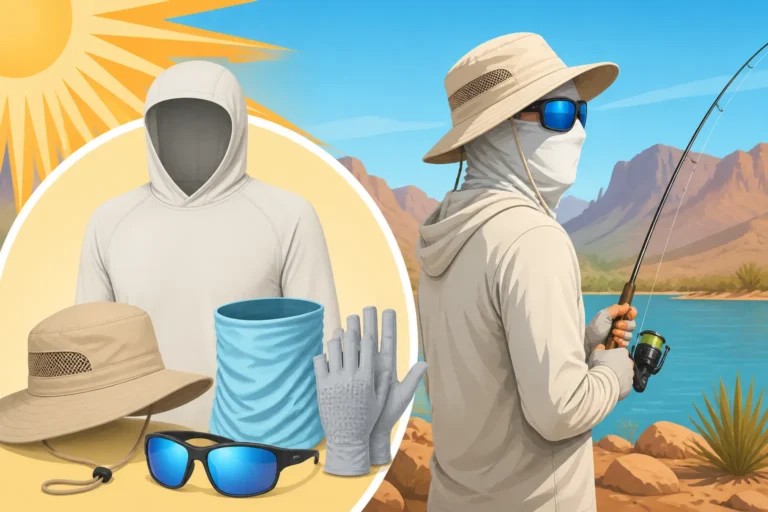
Nevada's desert environment can be tough on fishing gear. Sun, dust, and temperature extremes can take their toll.
- Rinse After Use: If you've been fishing in alkaline or salty waters (though most Nevada trout waters are fresh), or if your gear has gotten wet, give your lures, reels, and rods a quick rinse with fresh water. Dry them thoroughly before storing to prevent rust and corrosion.
- Check Hooks: Regularly inspect your hooks for sharpness and rust. Dull hooks lead to missed fish. Use a small hook sharpener to hone points, and replace any rusted hooks immediately. Rust can quickly spread to other tackle.
- Lubricate Reels: Your spinning reels need occasional lubrication and cleaning. Consult your reel's manual for specific instructions on where and how to apply reel oil and grease. This keeps the drag smooth and the gears turning freely.
- Inspect Line: Before each trip, run a few feet of your fishing line through your fingers, checking for nicks, abrasions, or kinks. Re-spool your line regularly, especially monofilament, as it can develop memory and degrade over time, particularly in sun exposure.
- Rod Care: Check rod guides for cracks or damage, which can fray your line. Clean cork or EVA foam handles with a mild soap solution. Store rods upright or in rod cases to prevent warping or damage.
Proper maintenance not only prolongs the life of your tackle but also ensures it performs flawlessly when you have that trophy trout on the line.
Where to Find Your Trout Tackle
Now that you know what you need, where do you go to get it? Nevada has options ranging from local mom-and-pop shops to big box stores and the convenience of online shopping.
Local Bait and Tackle Shops
These are invaluable resources. Local shops often carry tackle specifically tailored to the local fisheries, and the owners and staff usually have up-to-the-minute information on what's biting, where, and on what.
- Expert Advice: The biggest advantage here is the local knowledge. They can tell you which color PowerBait is hot at Sunset Park this week, or what size spinner is working on the Truckee River. This kind of nuanced, real-time advice is priceless and something you can't get from a generic online store.
- Specialized Stock: They often stock niche items that might be hard to find elsewhere, like custom-tied flies for a specific hatch or unique local baits.
- Community Hub: These shops are often community hubs where anglers share stories, tips, and build connections. Supporting them helps keep the local fishing culture alive.
Large Retailers and Sporting Goods Stores
For sheer variety and competitive pricing, large retailers offer a fantastic selection of trout tackle.
- Broad Selection: Stores like Bass Pro Shops offer an immense selection of rods, reels, lines, and lures from all the major brands. You can compare different models side-by-side, feel the rods, and speak to sales associates who are often experienced anglers themselves. It's a great place to pick up your Nevada Fishing Gear Essentials or a Best Rod and Reel Combo for Beginners.
- Convenience: These stores are often one-stop shops where you can also get camping gear, outdoor clothing, and sometimes even your How to Get a Fishing License in Nevada all in one trip.
- Price Matching/Sales: They often have sales and loyalty programs that can save you money, especially when stocking up on staples.
Online Retailers
For convenience and sometimes the best prices, online shopping is a powerful tool for anglers.
- Accessibility: Websites like Amazon offer an endless aisle of tackle, available 24/7 from the comfort of your home. This is especially useful for those who live far from a physical tackle shop.
- Bulk Purchases: If you know exactly what you need (e.g., a specific hook size or a particular brand of swivels), online retailers often offer better pricing for bulk purchases.
- Reviews: You can read countless reviews from other anglers, which can be helpful when deciding between similar products. However, remember that what works for one angler in another state might not be the best for Nevada's unique conditions.
- Shipping: Just remember to factor in shipping times, especially if you need something urgently for a weekend trip!
Combining these resources—using local shops for advice and niche items, big retailers for major purchases, and online stores for convenience—will ensure you're always well-equipped for your Nevada trout fishing adventures.
Disclaimer
This article is for general informational purposes only and does not constitute professional advice. Laws, prices and regulations vary by location and change over time. Consult a qualified professional for guidance on your specific situation.