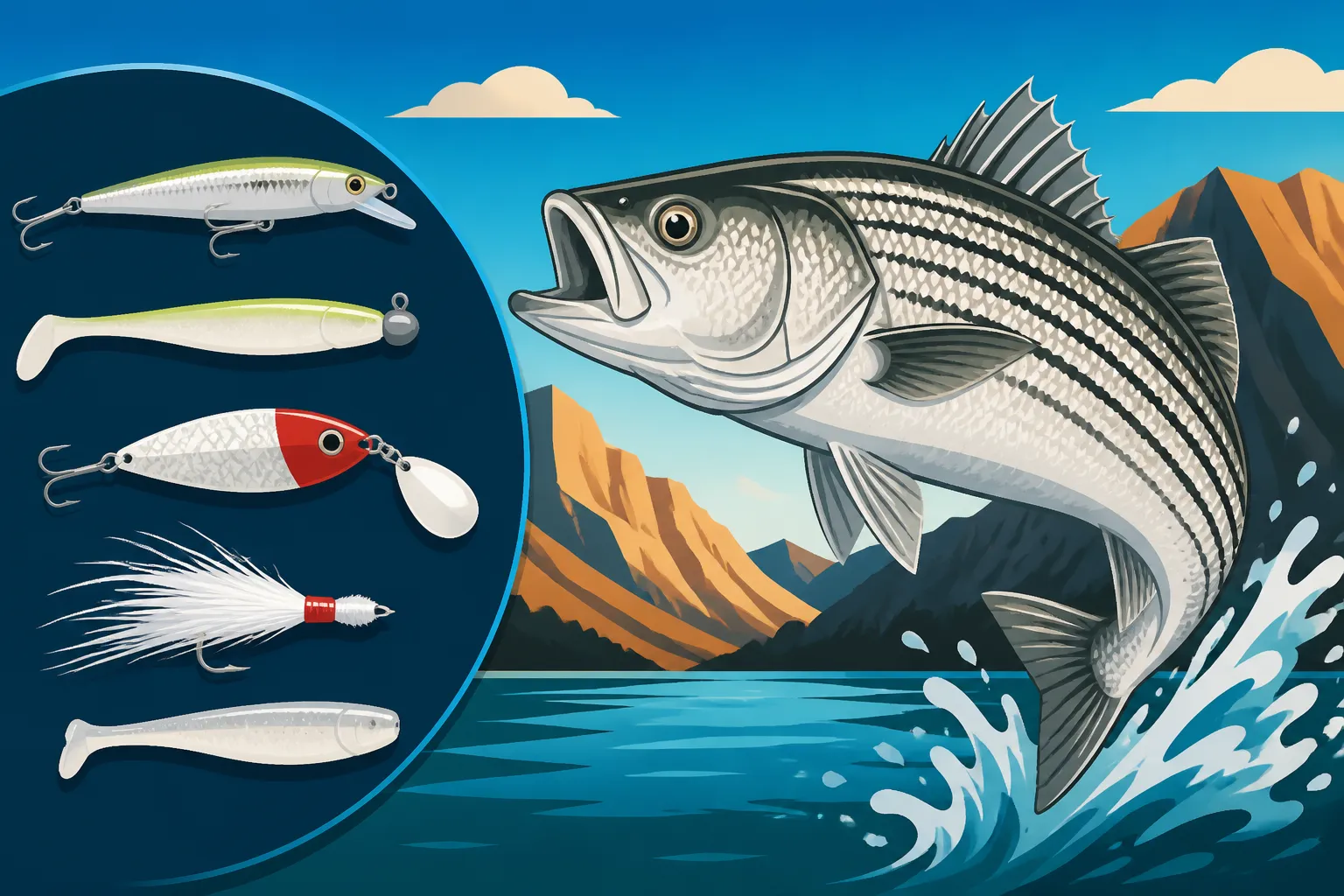
Best Lures for Striped Bass
If you've ever spent hours casting into the vast, shimmering waters of Lake Mead or the Colorado River, hoping to tempt a hard-hitting striped bass, only to come up empty-handed, you know the frustration. Stripers can be incredibly elusive, moving in massive schools and feeding aggressively one moment, then vanishing the next. The key to turning those frustrating days into epic fishing tales often lies in one critical element: your lure selection. This guide is dedicated to helping you decipher the secrets of striped bass preferences and choose the absolute best lures to entice them in Nevada's unique and challenging aquatic environments.
Understanding Striped Bass Behavior in Nevada Waters
Before we even dive into specific lures, it's absolutely crucial to understand the fish you're targeting. Striped bass, or "stripers" as they're affectionately known, aren't just any fish. They're powerful, migratory predators that react strongly to environmental changes and forage availability. In Nevada, our primary striper fisheries are Lake Mead and Lake Mohave, vast desert impoundments that present their own unique challenges compared to coastal or riverine striper habitats. Their behavior dictates what lures will be most effective.
Seasonal Movements and Feeding Habits
Striped bass in Nevada exhibit distinct seasonal patterns. In the cooler months of spring and fall, they tend to be more active throughout the day, often moving into shallower coves and points to chase baitfish, especially threadfin shad and sometimes even smaller panfish. This is when you might see those exciting topwater blow-ups or feel aggressive strikes closer to the surface. As the scorching Nevada summer arrives, stripers typically retreat to deeper, cooler waters during the day. Their activity shifts dramatically to dawn, dusk, and even nighttime, when they venture shallower to feed. Understanding these Striped Bass Seasonal Patterns is your first step to choosing the right lure at the right time.
Their feeding habits are largely dictated by the abundance and movement of baitfish. When shad are schooling on the surface, stripers will be in a frenzied hunt, busting through the bait balls. During these times, lures that imitate a wounded or fleeing shad are highly effective. When baitfish are scattered or deeper, stripers might be more inclined to ambush from structure or forage along the bottom. This calls for lures that can be worked precisely at different depths and mimic slower-moving prey. It's a constant game of observation and adaptation. For more on what these fish are chasing, check out Striped Bass Feeding Patterns.
Preferred Habitats and Water Conditions
Lake Mead and Lake Mohave are immense bodies of water, and stripers utilize a variety of habitats within them. You'll find them lurking around submerged points, ledges, humps, and channel breaks, especially where there's a good current or deep water nearby. During certain times, they might push up into washes or coves, particularly when water levels allow for baitfish to congregate in these areas. Structure, whether natural rock formations or artificial brush piles, is always a prime location for stripers to hold and ambush.
Water conditions also play a huge role. Clarity, temperature, and even wind can influence where stripers are and how willing they are to strike. In clearer water, more natural-looking lures and subtle presentations often work best. In stained or choppy water, lures with more vibration, flash, or brighter colors can cut through the murk and get noticed. Pay attention to your fish finder for schools of bait and actively feeding stripers, but also trust your instincts about where these powerful predators might be hiding. The nuances of these vast reservoirs are covered in guides like Lake Mead Nevada Fishing Guide and Lake Mohave Nevada Fishing Guide.
Top Lure Categories for Striped Bass
Now that we've covered the "why," let's get into the "what." Striped bass are aggressive, but they can also be picky. Having a diverse tackle box is key to adapting to their moods and the changing conditions of Nevada's lakes. We'll break down the most effective lure types you should consider.
Hard Baits: Jerkbaits, Crankbaits, and Topwaters
Hard baits are a staple for any serious striper angler, offering a wide range of actions and diving depths. They're particularly effective when stripers are actively chasing baitfish.
Jerkbaits for Subsurface Strikes
Jerkbaits are fantastic for imitating a struggling baitfish just below the surface. They have a slender profile and, when retrieved with a "twitch, twitch, pause" action, dart erratically, creating a lifelike illusion. This stop-and-go motion often triggers aggressive reaction strikes from stripers that might be hesitant to commit to a steady retrieve. Look for jerkbaits in shad patterns or chrome finishes. They work exceptionally well around submerged points and along drop-offs, especially in clearer water. Many anglers find them indispensable in spring and fall when stripers are more likely to be cruising shallower zones. Consider having a few different sizes and diving depths to cover various situations.
Crankbaits for Varying Depths
Crankbaits are designed to dive to specific depths, making them incredibly versatile for targeting stripers wherever they're holding in the water column. Shallow-diving crankbaits are great for working over submerged grass or rocky flats, while deep-diving models can reach stripers holding in 15-30 feet of water or more. The key with crankbaits is to "match the hatch" in terms of size and color to the prevailing baitfish. A steady retrieve is often all it takes, as the lure's bill provides a wobbling, fish-attracting action. When you locate a school of stripers on your electronics, a crankbait that runs at that specific depth can be deadly. You can find a huge selection of these at places like Bass Pro Shops or online through Amazon, ensuring you have the right dive curve for your needs.
Topwater Lures for Explosive Action
There's nothing quite like the heart-stopping thrill of a striped bass exploding on a topwater lure. These lures sit on the surface and are designed to imitate struggling baitfish, frogs, or even small rodents that have fallen into the water. Walk-the-dog style baits, poppers, and prop baits are all excellent choices. Topwater action is usually best during low light conditions – dawn, dusk, or even throughout the night, especially in warmer months when stripers push up shallow to feed under the cover of darkness. When you see baitfish scattering on the surface, or if you're fishing along rocky shorelines early in the morning, tie on a topwater and get ready for a fight! This is a fantastic technique for those early morning trips to Lake Mead Striped Bass Hotspots.
Soft Plastics: Swimbaits and Grubs
Soft plastics offer unparalleled versatility and a natural feel that can be irresistible to striped bass. Their supple bodies allow for incredibly lifelike action, mimicking baitfish with uncanny accuracy.
Realistic Swimbaits for Imitating Shad
Paddle-tail swimbaits are absolute killers for striped bass in Nevada. They perfectly imitate the profile and swimming action of shad, the primary forage for stripers in Lake Mead and Lake Mohave. Rig them on a weighted swimbait hook or a jig head, and retrieve them with a steady, moderate pace. The paddle tail creates a thumping vibration that stripers can detect from a distance. These lures can be fished at virtually any depth by adjusting your jig head weight and counting down your retrieve. Larger swimbaits (5-8 inches) are often preferred for bigger stripers, especially when fishing for trophy-sized fish. Brands that offer realistic shad imitations in various sizes and colors are always a good addition to your tackle box.
Grubs for Jigging and Trolling
Curly-tail grubs, typically rigged on a lead head jig, are incredibly effective and perhaps one of the most underrated striper lures. Their simple design produces a mesmerizing tail action with even the slightest movement, making them ideal for jigging vertically over deep schools of fish or casting and retrieving. The beauty of grubs is their versatility; you can cast them, bounce them along the bottom, or even troll them behind the boat. White, chartreuse, and clear with glitter are popular colors. When stripers are holding tight to structure or deep in the water column, a grub jigged patiently can often tempt bites when other lures fail. For detailed strategies on working these deeper, vertical presentations, consider our guide on Jigging Techniques for Lake Mead Stripers.
Metal Lures: Jigs, Spoons, and Blade Baits
Metal lures are all about flash, vibration, and getting down deep quickly. They are essential for deep-water striper fishing and can trigger aggressive strikes, particularly during active feeding periods.
Heavy Jigs for Vertical Presentations
Lead head jigs, especially heavier ones (1/2 oz to 2 oz or more), are indispensable for targeting deep-holding stripers. Whether you're vertical jigging directly over a school of fish marked on your sonar or casting and hopping them along the bottom, jigs get down fast. Dress them with soft plastic grubs, swimbaits, or even a piece of cut bait for added scent. The key is to impart an erratic, up-and-down motion that mimics a dying baitfish. When stripers are suspended at a specific depth, a jig is often the most efficient way to get your presentation right in front of them. The weight of the jig allows for precise depth control, which is critical when fish are finicky.
Casting and Trolling Spoons
Spoons are classic striper lures, offering flash and wobble that can be seen from a distance. Casting spoons, often with a shimmering chrome or gold finish, can be incredibly effective when stripers are busting bait on the surface or chasing schools in open water. Simply cast them out and retrieve with a steady pace, allowing the spoon to flutter. Trolling spoons are heavier and designed to be pulled behind the boat at various depths, often with a downrigger or weighted line. Their erratic swimming action mimics a frantic baitfish. These are particularly useful for covering large areas of water in search of scattered schools. For specific color considerations, you might want to read Best Lure color for Lake Mead striped bass.
Blade Baits for Vibration and Sound
Blade baits are compact, vibratory metal lures that generate a lot of commotion underwater. When retrieved, they vibrate intensely, sending out irresistible pulses that stripers can feel with their lateral lines. They can be cast and retrieved, vertically jigged, or even ripped off the bottom. The tight, high-frequency vibration of a blade bait can often trigger a reaction strike from stripers that are less active or holding tight to cover. They are excellent for probing deeper areas or when you need to quickly locate active fish. Their small profile but intense action makes them a surprisingly versatile tool in the striper angler's arsenal.
Matching Lures to Nevada's Striped Bass Hotspots
Nevada's striper fishing is primarily concentrated in two magnificent, sprawling reservoirs: Lake Mead and Lake Mohave. While both hold healthy populations of striped bass, their unique characteristics often call for slightly different lure strategies.
Lake Mead Strategies: Trolling and Jigging
Lake Mead is enormous, known for its vast open waters, deep canyons, and numerous coves. Striped bass here can range from smaller "keepers" to true monsters, and finding them often involves covering a lot of water.
Trolling for Roaming Schools
Trolling is a highly effective way to locate and catch striped bass in Lake Mead, especially when they are spread out across large areas or suspended in the water column. Using crankbaits, swimbaits, or even lipless crankbaits behind the boat allows you to cover vast stretches of water and present your lure at a consistent depth. Many anglers utilize multiple rods with different lures and depths to determine what the fish are keying in on that day. Look for long points, main lake humps, and the edges of old creek channels. When you hook up, mark the spot and make another pass – where there's one striper, there's usually more! Remember to check your local regulations on the number of lines you can legally use.
Jigging Over Deep Structure and Schools
When stripers are congregated in deep water, perhaps marked clearly on your fish finder, vertical jigging becomes your most potent weapon. Heavy spoons, lead head jigs dressed with plastics, and even a robust blade bait can be dropped directly into the school. The technique involves lifting and dropping the lure, imparting an erratic, injured baitfish action. This is particularly effective during the summer months when stripers seek the cooler, deeper zones. Areas like Hemenway Bay, Government Wash, and the mouths of deeper canyons are prime spots for deep-water jigging. For more specific location details, delve into Lake Mead Striped Bass Hotspots.
Lake Mohave Tactics: Current and Structure
Lake Mohave, downstream from Hoover Dam, is characterized by its narrower, river-like sections, strong currents, and clearer water, particularly around the Willow Beach area. These conditions dictate a more refined approach to lure selection and presentation.
Working the Current with Jerkbaits and Grubs
The consistent current in much of Lake Mohave, especially in the northern stretches, can be a game-changer. Striped bass often sit in ambush positions along current seams, behind submerged boulders, or in eddies, waiting for baitfish to be swept past them. Jerkbaits retrieved with a current-assisted twitch, twitch, pause can be incredibly deadly, mimicking a disoriented shad. Grubs on lighter jig heads, allowed to drift and bounce along the bottom with the current, are also highly effective. Focus your casts upstream and allow the current to carry your lure naturally into suspected striper holding areas.
Targeting Rocky Banks and Drop-offs
Lake Mohave's clear waters and rocky terrain make it ideal for targeting stripers holding close to structure. Crankbaits that dive to the specific depth of rocky ledges or deep drop-offs can be very productive. Cast them parallel to the bank and retrieve, allowing the crankbait to occasionally "tick" off the rocks, which can often provoke a reaction strike. Swimbaits are also excellent for covering these areas, retrieved just above the submerged rocks. Look for areas with current breaks or deeper pockets near the shore. Lake Mohave Willow Beach Fishing is a prime example of an area where these techniques shine, with its abundant structure and steady flows.
Essential Lure Presentation and Retrieval Techniques
Having the best lures is only half the battle. Knowing how to present them effectively is what truly unlocks their potential. Stripers can be finicky, and the subtle differences in your retrieve can be the difference between a frustrating day and a successful one.
Varying Your Retrieve for Strikes
One of the biggest mistakes anglers make is sticking to a single, monotonous retrieve. Striped bass are predators, and they react to changes in speed, direction, and action.
Speeding Up and Slowing Down
Start with a moderate retrieve and pay close attention to how the lure feels and whether you're getting any follows or subtle bumps. If you're not getting bites, experiment! Try a faster retrieve to trigger a reaction strike, mimicking a fleeing baitfish. Or, slow it down considerably, especially if the water is cold or the fish are sluggish, making the lure an easy meal. Sometimes, a slow crawl with a soft plastic swimbait or grub is exactly what's needed. The fish will tell you what they prefer, so be observant.
Incorporating Pauses and Twitches
Many lures, especially jerkbaits and some crankbaits, are designed to be worked with pauses and twitches. A sudden stop can make a lure appear like a stunned or dying baitfish, a prime target for a hungry striper. Similarly, a quick twitch of the rod tip can make a soft plastic dart erratically, drawing attention. These erratic movements often trigger the predatory instinct of a striper, prompting them to strike. Don't be afraid to experiment with the duration of your pauses – sometimes a longer pause is what it takes. This technique is often critical, as discussed in How to Fish for Striped Bass in Nevada.
Reading the Water and Adjusting Your Lure
Successful striper fishing is as much about understanding the environment as it is about knowing your tackle. The water itself provides countless clues.
Observing Baitfish and Bird Activity
The most obvious sign of active stripers is often visual. Look for schools of baitfish, especially shad, dimpling the surface or scattering in panic. Even better, watch for diving birds, like gulls or cormorants, which are often indicators of stripers pushing baitfish to the surface. When you see this kind of activity, it's time to switch to a topwater lure or a fast-moving casting spoon or swimbait that can imitate the frantic bait. Cast beyond the boils and work your lure through the commotion.
Adjusting to Water Clarity and Light Conditions
Water clarity and light levels greatly influence lure choice. In crystal clear water, stripers can be very visual, often preferring natural colors and more subtle presentations. Chrome, silver, or translucent lures often excel. Conversely, in stained or murky water, stripers rely more on vibration and flash. Chartreuse, white, or bright orange lures, along with lures that displace a lot of water or have rattles, can be more effective. On bright, sunny days, stripers may go deeper, requiring sinking lures. On cloudy days or during low light, they might come shallower, making topwater or shallow-running baits excellent choices. Keep a diverse range of colors and lure types in your tackle bag, like those readily available from stores such as Bass Pro Shops, to be prepared. This is part of having a well-equipped Nevada Fishing Gear Essentials setup.
Selecting the Right Lure Color and Size
It might seem like a small detail, but getting the color and size of your lure right can drastically impact your success rate. Striped bass are highly attuned to their environment and their primary food sources.
Color Theory for Different Water Conditions
Lure color isn't just about what looks good to you; it's about what looks appealing and visible to the fish under prevailing conditions.
Natural Tones for Clear Water
In clear water, where stripers have excellent visibility, natural colors tend to outperform bright, artificial ones. Think shad patterns (silvers, whites, light blues with black backs), pearl, clear with silver flakes, or even some subtle greens. These colors blend in naturally and accurately mimic the baitfish stripers are accustomed to seeing. The goal here is to be realistic and not alarm the fish with overly gaudy presentations. If the water is gin-clear, even a dark pattern like black can be effective during low-light conditions, creating a strong silhouette against the sky.
Bright and Contrasting for Stained Water or Low Light
When the water is murky, stained, or during low light conditions (dawn, dusk, cloudy days, or at night), stripers rely more on their lateral line to detect vibrations and less on sight. However, a contrasting or bright color can significantly improve visibility. Chartreuse, bright orange, hot pink, or lures with UV properties can stand out in poor visibility. Sometimes, a lure with a black back and a bright belly (like chartreuse or orange) creates excellent contrast. The goal is to make your lure as conspicuous as possible, encouraging the striper to investigate and strike. For more insight, refer to Best Lure color for Lake Mead striped bass.
Matching the Hatch: Size Matters
Just as important as color is the size of your lure. Stripers are opportunists, but they often prefer prey that matches the size of what they're regularly feeding on.
Mimicking Local Baitfish Sizes
The primary forage for striped bass in Lake Mead and Lake Mohave is often threadfin shad. These baitfish typically range from 2 to 5 inches long. Therefore, having a selection of lures in this size range is critical. If the stripers are keying in on smaller shad, a 3-inch swimbait or crankbait will be more effective than a 7-inch lure. Conversely, if you're targeting larger, trophy-sized stripers, don't be afraid to throw bigger baits, as these fish often prefer a larger meal that offers more energy. Observe any baitfish you see – their size will give you a huge clue as to what your lure should mimic.
Adjusting for Water Temperature and Fish Activity
Water temperature can influence a striper's metabolism and, consequently, its preference for meal size. In colder water, stripers are often less active and prefer a smaller, easier-to-catch meal. As water temperatures warm up, their metabolism increases, and they may aggressively pursue larger baits. Similarly, if the stripers are in a frenzied feeding spree, busting bait on the surface, they might strike at almost anything, but still, a lure that closely matches the size of the agitated baitfish will get more consistent hook-ups. Having a range of sizes in your Best Tackle Box Setup for a Day on the Water is key to adapting.
Advanced Tips and Troubleshooting Your Lure Selection
Even with the best lures and techniques, there will be days when the stripers seem to have locked jaws. That's when it's time to get creative, troubleshoot your approach, and consider some advanced tactics.
When to Change Lures and Why
Knowing when to switch lures is an art form developed through experience, but there are some clear indicators that it's time for a change.
No Bites After Multiple Casts or Passes
If you've made numerous casts to a promising spot with no action, or trolled through an area where you expect stripers, and nothing's hitting, it's a strong sign your current lure isn't working. Don't be stubborn! Change something – first, try a different retrieve, then a different color, then a different size, and finally, a completely different lure type. Sometimes, just switching from a crankbait to a swimbait can make all the difference. The goal is to present something new and enticing.
Changes in Water Conditions or Fish Behavior
Always be alert to environmental shifts. A sudden change in cloud cover, increased wind, or a noticeable shift in water clarity should prompt you to reconsider your lure choice. If the sun comes out strong, stripers might dive deeper, requiring a heavier jig or a deep-diving crankbait. If the wind picks up, creating chop, a louder, more vibrant lure might be needed to cut through the surface disturbance. Similarly, if you see stripers suddenly busting bait on the surface after being deep all morning, switch immediately to a topwater or a fast-retrieving surface lure. Adaptability is the hallmark of a successful striper angler.
Essential Lure Modifiers and Accessories
Sometimes, the perfect lure just needs a little something extra to seal the deal. These small additions can make a significant difference.
Adding Scent to Soft Plastics
Stripers, like many predators, have a keen sense of smell. Adding a scent attractant to your soft plastics, especially grubs and swimbaits, can increase your hook-up ratio. These scents come in various forms, from gels to sprays, and can mask human odors while adding an irresistible aroma that encourages fish to hold onto the bait longer, giving you more time to set the hook. This is particularly effective when fish are sluggish or in clear water where they might inspect a lure closely.
Utilizing Blade Attachments and Rattles
For some lures, especially soft plastics on jig heads, adding a small spinner blade (like a 'trailer hook' spinner) or an internal rattle can enhance their appeal. The blade adds extra flash and vibration, making the lure more visible and enticing. Rattles emit sound, which can be crucial in stained water or low-light conditions, helping stripers locate your lure by sound rather than sight alone. These small modifications can turn an ordinary lure into a striper magnet, helping you put more fish in the boat when the bite is tough. For techniques that involve adding these enhancements or even chumming for an extra edge, look into Chumming and Anchovy Techniques for Stripers.
| Lure Type | Best Conditions | Target Depth | Key Action | Pros | Cons |
|---|---|---|---|---|---|
| Jerkbaits | Clear water, active fish, spring/fall | Subsurface | Erratic dart, twitch-pause | Mimics wounded bait, triggers reaction strikes | Requires active retrieve, can get tangled |
| Crankbaits | Varying depths, covering water, moderate activity | Varies (0-30+ft) | Wobble, dive | Consistent depth, covers large areas | Can get snagged easily in structure |
| Topwater Lures | Low light, surface feeding, active boils | Surface | Walk-the-dog, popping, splashing | Exciting visual strikes, highly effective in specific scenarios | Limited to surface activity, often missed strikes |
| Paddle-tail Swimbaits | All conditions, mimicking shad | Varies | Tail kick, steady retrieve | Realistic, versatile, natural presentation | Can be prone to snagging with exposed hooks |
| Curly-tail Grubs | Deep water, jigging, vertical presentations | Varies | Tail wiggle, subtle action | Highly versatile, effective on less active fish | Less flash than metal, can be subtle |
| Heavy Jigs | Deep schools, vertical presentations, bottom fishing | Deep | Lift-drop, erratic fall | Gets deep fast, good for precise targeting | Requires good boat positioning or vertical presentation |
| Casting Spoons | Open water, surface boils, long casts | Mid-to-Deep | Flutter, flash | Long casting distance, highly visible | Can twist line, less action on slow retrieve |
| Blade Baits | Deep water, stained water, reaction bites | Mid-to-Deep | Intense vibration, tight wiggle | High vibration, triggers reaction, good for locating fish | Can be expensive, prone to snagging |
Disclaimer
This article is for general informational purposes only and does not constitute professional advice. Laws, prices and regulations vary by location and change over time. Consult a qualified professional for guidance on your specific situation.