Best Fly Rod for High Mountain Streams
There's nothing quite like the solitude and pristine beauty of a high mountain stream in Nevada, but fishing these unique environments presents its own set of challenges. From tight casting quarters amidst dense willows to presenting a delicate dry fly over crystal-clear, shallow water where trout are spooky, the wrong fly rod can turn a dream day into a frustrating ordeal. This comprehensive guide is here to help you navigate the specific considerations for choosing the best fly rod to conquer Nevada's high mountain streams, ensuring you're perfectly equipped for success and enjoyment in these stunning, secluded waters.
Understanding High Mountain Stream Challenges
Fly fishing in Nevada's high mountain streams is a truly distinct experience, far removed from the wide-open spaces of a large reservoir or the broad casting lanes of a major river. These aren't your typical fishing spots; they demand a specific approach and, by extension, specialized gear. The environment itself dictates much about what kind of rod will perform best.
Tight Quarters and Overhanging Vegetation
Picture this: you've hiked into a breathtaking alpine meadow, only to find the stream hemmed in by thick willows, aspens, or jagged granite outcroppings. The water often winds through narrow channels, under cut banks, or past boulders that create prime holding lies for trout. This rugged terrain leaves little room for expansive backcasts. Anglers frequently find themselves needing to make short, accurate casts, often using roll casts, bow-and-arrow casts, or other specialized techniques to get their fly to the target. A long, stiff rod built for powerful distance casting on wide rivers will feel incredibly cumbersome, snagging every branch and frustrating your efforts. The challenge here isn't about reaching the middle of a massive lake; it's about delicate placement in confined spaces.
Variable Water Flows and Structure
Nevada's high mountain streams are highly dynamic. Their flows can fluctuate significantly depending on snowmelt, recent rainfall, and the time of year. Early season, they might be rushing torrents, while late summer often sees them dwindle to mere trickles. This variability means the type of structure you're fishing changes constantly. You might be targeting fast-moving riffles and plunge pools one day, and then delicately presenting to trout holding in slow, clear pockets and eddies the next. The best rod needs to be versatile enough to handle both the power required to mend line in swifter currents and the finesse for light presentations in glass-smooth water. Furthermore, these streams are often littered with natural structure—fallen logs, submerged rocks, and overhanging banks—all of which can hide eager trout but also pose snagging hazards. A rod that allows for precise control and quick line pickup is invaluable. For more on general trout tactics, see our guide on How to Fish for Trout in Nevada.
Key Characteristics of an Ideal Fly Rod for High Mountain Streams
When you're out there, miles from the nearest road, battling a feisty trout in a pristine mountain stream, you want a rod that feels like an extension of your arm. It needs to be responsive, comfortable, and reliable. There are a few core characteristics that truly define a great high mountain stream fly rod.
Rod Action: Fast, Medium, or Slow?
The "action" of a fly rod refers to where it bends when pressure is applied.
- Fast Action rods bend mostly in the tip. They are powerful and excel at casting long distances, punching through wind, and delivering heavy flies. However, they can be less forgiving for delicate presentations and make short, accurate casts more challenging for beginners.
- Slow Action rods, often called "full flex," bend deep into the butt section. They are fantastic for short, delicate casts and protecting light tippets, offering a more traditional, "feel" oriented casting stroke. They can, however, struggle with wind or heavier flies.
- Medium Action (or Moderate-Fast) rods are often the sweet spot for high mountain streams. They bend in the upper half of the blank, offering a good balance of power for moderate distances and line control, with enough flex for delicate presentations. This versatility is crucial in streams where conditions and casting situations change frequently. A medium-fast action allows for sufficient power to handle an unexpected larger fish in a swift current, yet still provides the touch needed to lay a small dry fly softly onto a calm pool. Many anglers find this action less fatiguing over a long day of casting too.
For most high mountain stream scenarios, a medium or moderate-fast action rod will give you the versatility you need. It's often the most forgiving option, allowing for both precise roll casts under tight cover and enough backbone to handle a surprise trout.
Durability and Portability
Let's face it, getting to those tucked-away mountain streams isn't always a walk in the park. You might be scrambling over rocks, pushing through brush, or hiking several miles with your gear. Your fly rod needs to withstand some abuse.
- Durability: Look for rods made from high-quality graphite with robust ferrules (the joints where rod sections connect). While no rod is indestructible, a well-constructed rod from a reputable brand like Orvis, Sage, or Bass Pro Shops's house brands will offer better peace of mind. Check the warranty too, as some manufacturers offer excellent repair or replacement programs, which can be a lifesaver if you accidentally step on your rod or ding it against a rock.
- Portability: Multi-piece rods (4-piece or even 6-piece) are absolutely essential for high mountain travel. A 2-piece rod might be fine for a short walk from the car, but trying to navigate dense timber or strap a long rod to a backpack for a serious hike is a recipe for broken tips. A 4-piece rod breaks down into manageable sections that fit easily into a backpack or a dedicated rod tube, protecting it during transit. For anglers who often combine fishing with extensive hiking or backpacking, the extra breakdown points of a 6-piece rod can make a noticeable difference in packability.
Choosing the Right Rod Length and Weight
The right rod length and line weight are paramount for success on high mountain streams. These two factors dictate how well you can cast in tight spots and how delicately you can present your fly to often finicky trout. It's about finding that perfect balance that complements the intimate nature of these waters.
Short Rods for Precision and Control
When you're faced with overhanging branches, steep banks, and narrow casting lanes, a long rod quickly becomes a liability. Imagine trying to make a tight loop cast with an 8.5-foot or 9-foot rod when there's a dense wall of willows directly behind you. It's nearly impossible without snagging. This is where shorter rods shine.
- Ideal Lengths: For most high mountain streams, a rod in the 7 to 8-foot range is generally ideal. A 7.5-foot rod is often considered the sweet spot by many seasoned mountain anglers. These shorter lengths allow for much tighter casting arcs, easier roll casts, and better maneuvering in brushy areas. You gain significant precision in your presentations, allowing you to drop a fly into that small, clear pocket under a log without spooking every fish in the run.
- Enhanced Control: Beyond just casting, a shorter rod offers superior line control at close range. Mending line, making subtle drifts, and fighting fish in swift, snag-filled water all become more manageable. You have better leverage over the fish and more immediate control over your fly line, crucial when working small seams and eddies. While you might sacrifice a little bit of casting distance, the trade-off for improved accuracy and reduced frustration in these environments is more than worth it. For details on getting your license, check out How to Get a Fishing License in Nevada.
Lighter Weights for Delicate Presentations
The fish in high mountain streams, especially the wild trout, can be incredibly wary. They often live in crystal-clear water where they have ample time to scrutinize your fly, leader, and even your casting shadow. Heavy lines and clunky presentations are almost guaranteed to send them darting for cover.
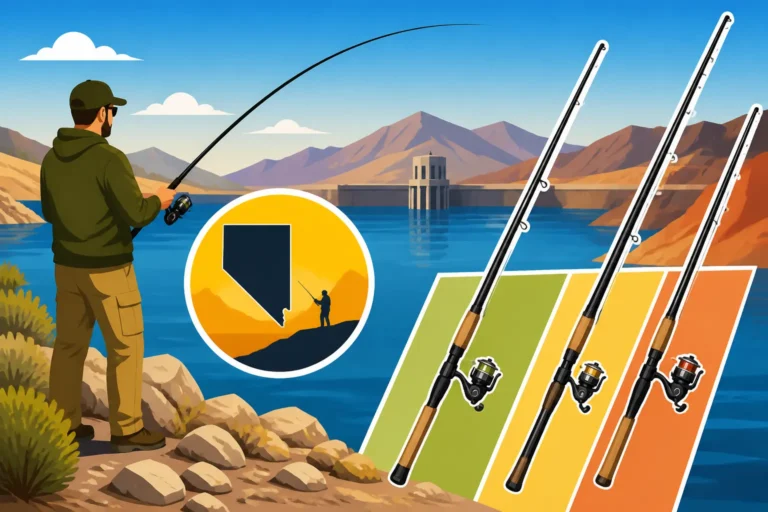
- Ideal Line Weights: This is why lighter line weights are preferred. A 2-weight, 3-weight, or 4-weight fly rod is perfect for these conditions.
- 2-weight and 3-weight rods are exceptionally delicate, perfect for casting tiny dry flies, emergers, or small nymphs on fine tippets. They offer the ultimate in stealth and feel. While they might struggle a bit more with wind or larger fish in heavy current, their finesse is unmatched for typical mountain stream trout.
- 4-weight rods provide a bit more versatility. They still offer excellent delicate presentation capabilities but have a little more backbone to handle slightly larger flies, moderate wind, and larger trout if encountered. This is often the most popular choice for general high mountain stream fishing, providing a good balance between delicacy and capability.
- Protecting Tippets: Lighter rods also protect fine tippets better. When a fish makes a sudden run, the softer action of a lighter rod acts as a shock absorber, preventing your fine 6x or 7x leader from snapping. This is critical when battling surprisingly strong wild trout on light tackle. The goal isn't to muscle the fish in, but to enjoy the fight while keeping your gear intact. You can find a wide selection of these lighter rods and lines at specialty fly shops or online retailers like Amazon.
Here's a quick comparison of rod weights suitable for high mountain streams:
| Rod Weight | Typical Length (feet) | Best Use Case | Pros | Cons |
|---|---|---|---|---|
| 2-Weight | 6'6" – 7'6" | Small streams, tiny dry flies, ultra-delicate | Ultimate delicacy, stealth, maximum feel | Struggles with wind, larger flies/fish, limited range |
| 3-Weight | 7'0" – 8'0" | Most high mountain streams, small-medium flies | Excellent balance of delicacy and power, fun to cast | Can be underpowered for strong winds or very large fish |
| 4-Weight | 7'6" – 8'6" | Versatile for varied conditions, larger flies | Good all-around power, handles wind better, more forgiving | Less delicate than 2/3-weight for tiny flies, less "feel" |
Matching Your Rod to Common Nevada High Mountain Species
Nevada's high mountain streams are home to a delightful variety of trout, each offering a unique challenge and rewarding experience. Understanding the common species you'll encounter helps fine-tune your rod choice.
Targeting Small Trout: Rainbows, Browns, Brookies
The vast majority of trout you'll encounter in Nevada's high mountain streams are typically on the smaller side, often ranging from 6 to 12 inches. These spirited fish, though small, are incredibly feisty for their size and provide fantastic sport on light tackle.
- Rainbow Trout: Known for their acrobatic jumps and strong runs, rainbows are a favorite. They often respond well to a variety of presentations, from dry flies to nymphs. A 3-weight or 4-weight rod is perfectly matched to their size and fighting style.
- Brown Trout: More elusive and often found holding in cover, brown trout can grow larger but are frequently in the smaller size range in mountain streams. They're often opportunistic feeders. The sensitivity of a lighter rod helps detect their subtle takes.
- Brook Trout: With their distinctive speckled patterns, brook trout are typically the smallest of the three, but what they lack in size, they make up for in beauty and eagerness. They're often found in the highest, coldest headwaters and are incredibly fun to catch on a 2-weight or 3-weight rod. Their quick strikes make a sensitive, fast-recovering rod a joy to fish.
For all these species, the delicate presentation offered by a lighter weight rod is key. You'll be using smaller flies (size 16-22), and the shorter, softer rod action will prevent you from overpowering these smaller, more delicate offerings. It also makes the fight more engaging, allowing even a 10-inch trout to put a good bend in your rod. Many of these waters are part of the Nevada Trout Stocking Schedule, but plenty hold wild, naturally reproducing populations.
Occasional Larger Surprises
While the average catch might be modest in size, there's always the chance of hooking into a truly surprising fish, especially in systems connected to larger lakes or rivers, or in streams with strong nutrient bases. Some high mountain streams can hold larger, more elusive fish that have grown fat on the abundant insect life or occasional baitfish.
- Unexpected Growth: Think of a deep pool fed by a waterfall, or a large undercut bank where a solitary, older brown or rainbow might reside. These fish can be a foot or even more, pushing the limits of lighter tackle.
- The Adrenaline Rush: Hooking a 15-inch wild trout on a 3-weight rod in a small stream is an exhilarating experience. The rod needs enough backbone to apply pressure and steer the fish away from snags, yet enough flex to protect your light tippet. This is where a moderate-fast 3-weight or a versatile 4-weight truly shines. It allows you to confidently fight a larger fish without fear of snapping your rod or breaking off your line, while still enjoying the sport of smaller fish. It's a testament to the balance these rods offer—delicate enough for the everyday, but capable when the unexpected strikes. For more on the joy of fly fishing, check out our Fly Fishing in Nevada guide.
Essential Components and Features
Beyond just the rod's length, weight, and action, the quality of its individual components can significantly impact performance, durability, and your overall fishing experience on those rugged mountain streams.
Reel Seats and Guides
These seemingly small details are crucial for both function and longevity.
- Reel Seat: The reel seat is where your fly reel attaches to the rod. For high mountain streams, look for a reel seat that is lightweight, durable, and corrosion-resistant. Aluminum is a common and excellent choice. A "downlocking" reel seat, where the locking ring tightens towards the butt of the rod, is often preferred on lighter rods as it helps balance the setup and keeps the reel securely in place without needing constant re-tightening. Some higher-end rods feature exotic wood inserts in their reel seats, which add a touch of classic aesthetics without compromising function. Make sure the locking mechanism is robust and easy to use, especially if your hands might be cold or wet. A wobbly reel is not only annoying but can also affect the balance and feel of your rod.
- Guides: The guides are the rings that the fly line passes through. On high mountain streams, guides need to be smooth to allow the line to shoot freely, yet tough enough to withstand accidental knocks against rocks or branches.
- Stripping Guides: These are the larger guides closest to the reel, often with ceramic or hard chrome inserts. Ceramic inserts are generally smoother, reducing friction and extending line life.
- Running Guides: These are the smaller guides along the rest of the rod, typically made from chrome-plated stainless steel (snake guides) or single-foot wire. Snake guides are robust and less prone to icing up in colder conditions, while single-foot guides can be lighter and reduce overall rod weight. The key is that they are well-wrapped and epoxied, ensuring they won't pull out or develop sharp edges that can fray your line. Corrosion resistance is key, as these rods will often be wet, dirty, and exposed to varying temperatures.
Handle Design and Comfort
You'll be holding this rod for hours, so comfort is not a luxury, it's a necessity. The handle, usually made of cork, plays a significant role.
- Cork Quality: Look for handles made of high-quality, dense cork with minimal fillers. Good cork provides a comfortable, grippy surface, even when wet, and transmits vibrations from the line and fish effectively. Handles with large amounts of putty filler tend to break down faster and become uncomfortable over time.
- Handle Shape: The most common handle shape for lighter fly rods is a "reverse half-wells" grip. This shape flares out slightly at the top and bottom, providing a comfortable and secure hold without being too bulky. It allows for a relaxed grip, reducing hand fatigue during long casting sessions or while hiking with the rod in hand. Some anglers prefer a "cigar" grip on very light rods for maximum feel. The choice is personal, but ensuring the grip fits your hand comfortably is paramount.
- Fighting Butt (or lack thereof): Most high mountain stream rods in the 2-4 weight range will not have a fighting butt (a small extension at the very end of the handle). This is because you rarely need the extra leverage for smaller trout, and its absence keeps the rod lighter and more balanced for delicate work. If a rod in this weight class does have a fighting butt, ensure it's small and unobtrusive, adding minimal weight. These details can seem minor, but they significantly contribute to the overall feel and balance of the rod, making a huge difference on a full day of How to Fly Fish a High Mountain Stream.
Care and Maintenance for Longevity
Investing in a quality fly rod for high mountain streams is just the first step. To ensure it serves you faithfully for years to come, especially given the rugged environments it will encounter, proper care and maintenance are absolutely essential. Neglecting your gear can lead to premature wear, reduced performance, and costly repairs.
Post-Fishing Cleaning Routine
After a rewarding day on the water, whether you've been in a secluded canyon or along Is Lamoille Canyon good for trout fishing?, taking a few minutes to clean your rod can prevent a lot of headaches down the line.
- Rinse Off Dirt and Grime: High mountain streams, while pristine, can still leave your rod covered in fine silt, algae, or even mud if you've been bushwhacking. As soon as you get home, take your rod out of its tube and gently rinse it with clean, cool water. Pay close attention to the ferrules (the joints), guides, and reel seat. Fine grit in the ferrules can wear down the graphite over time, leading to loose connections or even breakage.
- Wipe Down and Dry Thoroughly: After rinsing, use a soft cloth to gently wipe down each section of the rod. Ensure all moisture is removed, particularly from the guide feet and reel seat area, where water can promote corrosion. Allow the rod to air dry completely, ideally disassembled, for several hours before storing it in its tube. Trapping moisture in the rod tube is a surefire way to encourage mold growth on cork and corrosion on metal components.
- Inspect Components: While cleaning, take a moment to inspect your rod for any signs of wear or damage. Check the guide wraps for cracks or fraying, look for bent or chipped guide inserts, and ensure the reel seat is still firm. Catching small issues early can prevent them from becoming major problems later. If you notice any issues, address them promptly. You can often find replacement guides or cork sealer at outdoor retailers like Bass Pro Shops or online.
Storage and Transport Tips
How you store and transport your rod between fishing trips is just as important as post-fishing care.
- Use a Rod Tube: Always store your fly rod in a rigid rod tube when not in use. This protects it from accidental impacts, dust, and UV exposure. Many rods come with a soft fabric rod sock that then slips inside a hard tube. This combination offers excellent protection. Make sure the rod sections are aligned and not forced into the tube.
- Avoid Extreme Temperatures: Do not store your rod in places with extreme temperature fluctuations, such as a hot car trunk in the Nevada summer or an unheated shed in winter. High heat can weaken the epoxy on guide wraps and even the rod blank itself, while extreme cold can make the graphite brittle and more prone to damage. Store it in a stable, temperate environment like a closet or dedicated gear room.
- Safe Transport in Vehicles: When traveling, especially over rough roads to remote trailheads, secure your rod tube properly. Don't just toss it in the back of your truck where it can bounce around and potentially get damaged. Use bungee cords or straps to keep it from moving. If transporting inside the vehicle, ensure it's not jammed against anything that could stress the tube. For those venturing far into the backcountry, consider a dedicated rod case that can be securely strapped to a backpack. A broken rod on the way to a pristine mountain stream is a gut-wrenching start to any trip. Before heading out, make sure you know the local regulations by reviewing Nevada Fishing Regulations Explained.
Specialized Considerations for Remote Backcountry
Getting to those truly wild, untouched high mountain streams often means leaving the paved roads far behind. These trips, whether a day hike or an overnight backpacking excursion, demand an even more meticulous approach to your fly rod setup. The further you go, the more critical every ounce of gear becomes, and the more rugged the environment.
Ultra-Light Setup for Backpacking
When every ounce counts, your fly rod becomes part of a larger, integrated system. This isn't just about fishing; it's about efficient travel through challenging terrain.
- Multi-Piece Rods are Non-Negotiable: For backpacking, a 4-piece rod is good, but a 5-piece or even 6-piece rod becomes an absolute game-changer. These rods break down into incredibly short sections, often under 2 feet, which fit perfectly inside or vertically along the side of a hiking backpack without protruding. This protects the rod from snags on brush and prevents it from throwing off your balance on steep trails.
- Minimalist Reel: Pair your ultra-light rod with the smallest, lightest reel you can find that still balances the rod effectively. For these smaller line weights (2-4 wt), an expensive, machined reel isn't strictly necessary. A lightweight, simple click-and-pawl reel or a basic disc drag reel will suffice, as the primary function is line storage, not heavy-duty fish fighting. Every gram saved makes a difference when you're carrying water, food, and camping gear for miles. Many anglers even consider the "Micro-Trout" rods which are even shorter (under 7 feet) and lighter (0-2 weight) for the smallest streams, though these require very specific casting skills.
Protecting Your Rod in Transit
The journey to the stream can be tougher on your gear than the fishing itself.
- Integrated Protection: When backpacking, a hard rod tube is essential. Some anglers opt for custom-fit PVC tubes, while others invest in premium, lightweight carbon fiber tubes that offer excellent protection without adding excessive weight. Ensure the tube is sealed to keep out dust and moisture, which are common in backcountry environments.
- Secure Attachment: How you attach the rod tube to your pack is crucial. Avoid strapping it horizontally across the top, where it can catch on overhead branches. Vertical attachment, either inside a pack's main compartment or securely cinched to external compression straps, is best. Consider adding extra padding around the tube if it's external, especially if traversing rocky areas where falls are possible.
- Contingency for Damage: While proper care minimizes risk, accidents happen. For multi-day trips deep into the backcountry, some seasoned anglers carry a small roll of electrical tape or even a short section of a similar diameter rod blank (known as a "ferrule plug") to make emergency repairs on a broken tip or ferrule. This allows you to finish your trip, even if it means a less-than-perfect cast. The ability to improvise can save an entire trip when you're far from any help. Exploring deep into wilderness areas, you'll want to review Nevada Western Region Fishing Regulations to ensure you're compliant.
Pairing the Right Line and Leader
Having the best fly rod in hand means little if it's not paired with the appropriate fly line and leader. For high mountain streams, where delicate presentations and wary fish are the norm, this becomes an even more critical component of your setup. The goal is to create a seamless connection that transfers energy efficiently while remaining virtually invisible to the fish.
Weight-Forward vs. Double-Taper Lines
The profile of your fly line has a significant impact on casting performance and presentation.
- Weight-Forward (WF) Lines: These lines have a heavier, more concentrated weight section towards the front, followed by a thinner running line. They excel at casting longer distances, punching through wind, and turning over larger flies. While popular for general-purpose fishing, the more aggressive taper can sometimes create a less delicate presentation, which might be a disadvantage in the super clear and shallow water of many high mountain streams.
- Double-Taper (DT) Lines: These lines have a gradual taper on both ends, with a consistent belly in the middle. They are celebrated for their delicate presentations, ease of mending, and gentle roll casts. The evenly distributed weight and subtle taper allow for a very soft landing of the fly, crucial for spooky trout. Because both ends are tapered, you can reverse the line on your reel once one end wears out, effectively extending its life. For the typical short-to-medium range casting and delicate approach needed on high mountain streams, a DT line is often the superior choice, especially for the dry fly purist. The gentle taper makes controlled drifts and precise placements much easier to achieve. You can find these specialized lines at quality tackle stores or on Amazon.
Long Leaders for Stealth
The leader is the transparent section of monofilament or fluorocarbon that connects your fly line to your fly. Its primary purpose is to present the fly naturally while remaining invisible.
- Length is Key: For the clear, calm waters of high mountain streams, a longer leader is almost always better. Standard leaders are typically 7.5 or 9 feet, but for ultimate stealth, extending your leader to 10, 12, or even 15 feet can make a significant difference. The longer leader allows the fly line to land further away from the fish, minimizing disturbance and giving the fly a more natural drift before any heavier line can touch the water. This also provides a crucial buffer zone between your often brightly colored fly line and the wary fish.
- Tippet Size: The very end of your leader, the tippet, is where your fly is tied. For small mountain stream flies (size 16-22), you'll typically be using fine tippets, ranging from 5X to 7X. The "X" rating indicates diameter, with higher numbers meaning finer tippet. 5X is a good general purpose tippet for average small trout, while 6X or 7X is essential for the smallest flies and the most skittish fish.
- Fluorocarbon vs. Monofilament:
- Fluorocarbon is less visible underwater due to its refractive index being closer to water, and it's denser, sinking faster. It's often preferred for nymphing rigs.
- Monofilament is more supple and floats better, making it ideal for dry fly presentations where you want your leader to remain on the surface or in the film. A good strategy is to use a monofilament leader with a short section of fluorocarbon tippet if you're nymphing, or an all-monofilament leader/tippet for dry fly fishing. Mastering leader construction is a vital part of Fly Fishing Gear for Nevada Waters.
Disclaimer
This article is for general informational purposes only and does not constitute professional advice. Laws, prices and regulations vary by location and change over time. Consult a qualified professional for guidance on your specific situation.