Is a California fishing license valid on the Nevada side of Lake Tahoe?
Navigating the fishing regulations across state lines can feel like trying to untangle a bird's nest of fishing line, especially when you're casting on a magnificent body of water like Lake Tahoe. It’s a common frustration for anglers who just want to enjoy their day on the water without worrying about inadvertently breaking a law. This guide is here to untangle that mess, specifically addressing whether your California fishing license will grant you legal access to the Nevada side of Lake Tahoe's stunning waters.
The Cross-State Lake Tahoe Dilemma Explained
Lake Tahoe is a gem, a true wonder of the world, but its unique position straddling the California and Nevada state lines creates a bit of a head-scratcher for fishermen. You're out there, the sun is shining, the water is crystal clear, and suddenly you realize you've drifted a bit. Are you still in California? Have you crossed into Nevada? What does that mean for your fishing license?
Why the Confusion Exists
The sheer beauty and vastness of Lake Tahoe make it easy to forget that you’re actually fishing in two different states at once. There aren't any giant buoys marking the state line in the middle of the lake, nor are there flashing lights telling you when you've moved from California waters to Nevada's jurisdiction. One minute you're casting near Zephyr Cove, which is firmly in Nevada, and the next you might find yourself closer to Emerald Bay, which is distinctly California. The transition is seamless on the water, but the legal boundaries are as rigid as concrete.
Many anglers naturally assume that because it’s one lake, one fishing license should cover the entire body of water. After all, fish don't carry passports, right? This seemingly logical assumption is where a lot of the confusion stems from. You might have friends who swear they've fished the whole lake with just one license, or you might hear conflicting stories at the bait shop. The reality is that federal and state laws dictate jurisdiction, and those don't magically dissolve just because a lake spans a border. The convenience of a single license is a nice thought, but sadly, it's not the case for Lake Tahoe.
The Simple Answer: No, Not Exactly
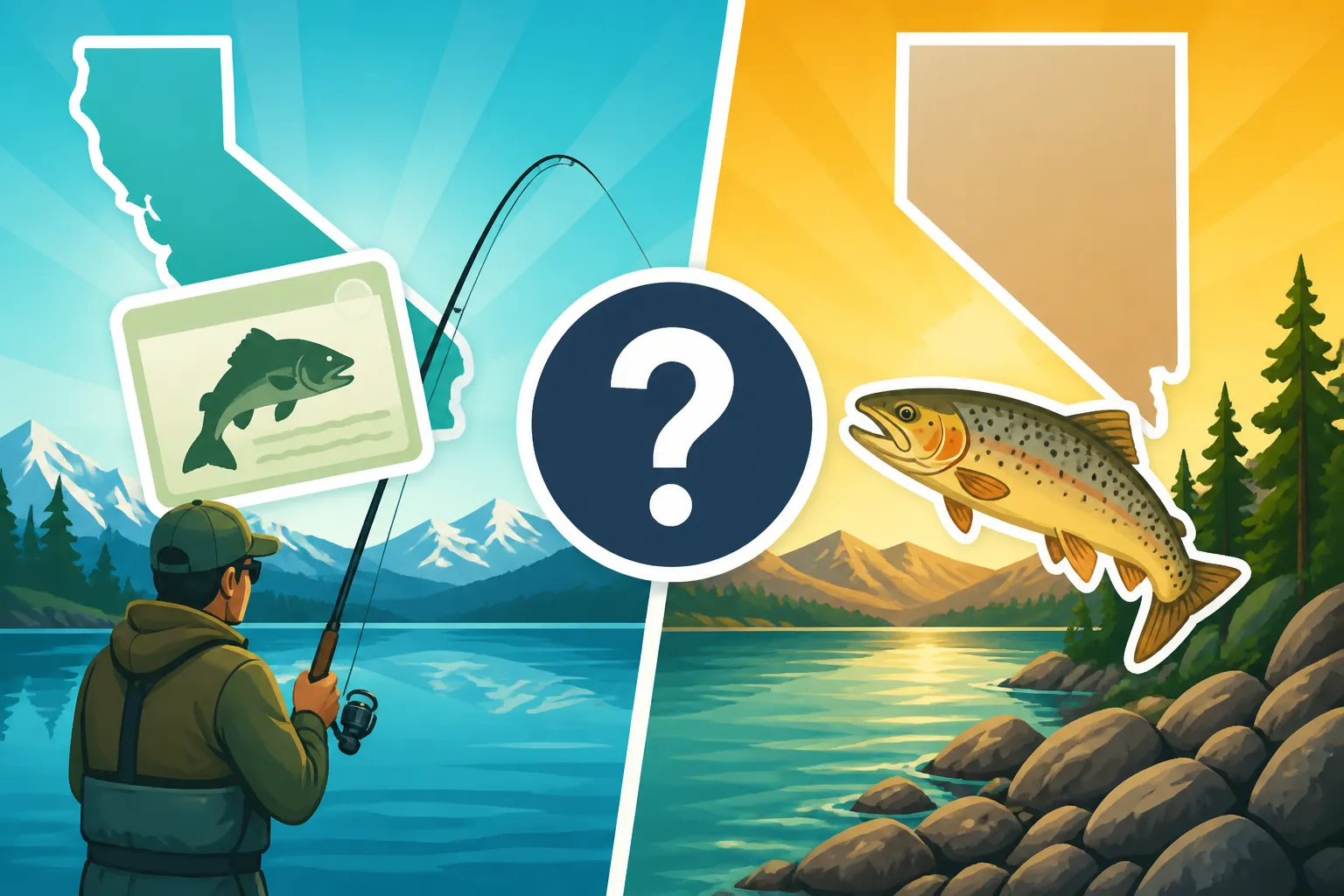
So, let's cut straight to the chase: no, a California fishing license is not valid on the Nevada side of Lake Tahoe. Conversely, a Nevada fishing license won't cover you if you decide to fish the California portions of the lake. Each state maintains its own regulations, licensing requirements, and enforcement for the waters within its defined boundaries.
This means if you launch your boat from South Lake Tahoe (California side) with only a California fishing license and motor over to a promising spot near Incline Village (Nevada side), you could be cited for fishing without a license in Nevada waters. The implications are serious, potentially leading to fines, confiscation of your catch, and even your gear. It’s a bitter pill to swallow when all you wanted was to enjoy a peaceful day, but ignorance of the law is rarely an excuse in the eyes of game wardens. To truly enjoy all of Lake Tahoe's incredible fishing opportunities, you need to be prepared for both jurisdictions.
Understanding Jurisdictional Waters on Lake Tahoe
It’s crucial to understand where one state ends and the other begins, not just for licenses but for all regulations. This isn't just about drawing lines on a map; it's about understanding how those lines affect your fishing experience.
The Invisible Line: Where Nevada and California Waters Meet
The state line that carves through Lake Tahoe is a defined longitude line, running roughly north-south through the center of the lake. While you can't see it, it's very real in the eyes of the law. Imagine a giant, invisible fence running down the middle of the lake. Everything to the east of that line is Nevada, and everything to the west is California. This boundary often runs right through popular fishing grounds.
For example, many fantastic deep-water fishing spots for Mackinaw trout are located right on or near this invisible border. You might be trolling a specific depth contour and seamlessly glide from one state's jurisdiction to another without even realizing it. This is why having both licenses, or at least being acutely aware of your GPS coordinates, is paramount. Relying solely on visual landmarks can be misleading, especially on a large body of water where distances can be deceiving. Game wardens from both the California Department of Fish and Wildlife (CDFW) and the Nevada Department of Wildlife (NDOW) actively patrol these waters, and they're very familiar with the invisible line.
Dual Licensing for True Lake Tahoe Freedom
If your plan is to fish anywhere and everywhere on Lake Tahoe without stress, then getting both a California and a Nevada fishing license is the only real solution. This might seem like an extra hassle and expense, but it provides you with complete peace of mind. Think of it as an all-access pass to one of the most beautiful fisheries in the world.
Consider a scenario where you're targeting Lahontan cutthroat trout, which are found on both sides, or chasing the elusive Mackinaw. If the bite is hot on the Nevada side one day, and then switches to a Californian cove the next, having both licenses means you can pursue the fish wherever they are without worrying about crossing an invisible legal threshold. This is especially true for boaters who have the mobility to move freely across the lake. If you’re planning a longer trip or multiple visits, investing in both annual licenses will give you the ultimate flexibility. It’s always better to be over-prepared than to have your fishing trip cut short by a citation.
Specific Rules for Lake Tahoe
Unlike some other border waters in the United States where reciprocal agreements allow a single license to be valid on both sides (like certain stretches of the Colorado River between Nevada and Arizona), Lake Tahoe does not have such an agreement. This means there's no special Lake Tahoe license that covers both states. You need distinct, valid licenses for each state you intend to fish in.
Beyond the license itself, remember that specific regulations regarding bag limits, size limits, bait restrictions, and even seasonal closures can vary drastically between California and Nevada waters on Lake Tahoe. For instance, the daily limit for Mackinaw trout might be different depending on which side of the state line you are fishing. It's not enough to just have the license; you also need to be aware of the particular rules that apply to the waters you're in. Always check the current regulations published by NDOW and CDFW before heading out.
Practicalities for Fishing Lake Tahoe
Knowing you need two licenses is one thing, but actually getting them and understanding how to apply the rules is another. Let's talk about the nitty-gritty details to make your Lake Tahoe fishing trip smooth and enjoyable.
Getting Your Nevada Fishing License
Acquiring a Nevada fishing license is relatively straightforward. You have a few convenient options, whether you're a Nevada resident or an out-of-state visitor. You can purchase your license online through the Nevada Department of Wildlife (NDOW) website, which is probably the easiest route for many. Just head to their licensing portal, fill out your information, pay the fee, and often you can print a temporary license right then and there. This makes planning your trip, even last-minute, much simpler. For a complete walkthrough, check out our guide on How to Get a Fishing License in Nevada.
Alternatively, you can visit any authorized license agent in Nevada, which often includes sporting goods stores like Cabela's or Bass Pro Shops, or even smaller bait and tackle shops throughout the state. These agents can issue your license on the spot. Make sure to have a valid ID with you. For those shorter trips, a Nevada 1-Day Fishing Permit Details might be a cost-effective solution if you plan to spend most of your time on one side or only fish Nevada waters for a limited period. Remember, even if you buy a short-term license, you still need to adhere to all Nevada specific regulations.
Carrying Both Licenses and Being Prepared
Once you've got both your California and Nevada fishing licenses, it's essential to carry them with you while you're fishing. Many states, including Nevada, offer digital versions that you can store on your phone. However, it's always a good idea to have a physical copy as well, especially on the water where phone batteries die or signals can be spotty. A simple waterproof wallet or a clear plastic pouch (easily found on Amazon) can keep your licenses and any other important documents safe and dry.
Beyond just carrying the licenses, true preparedness means having a good understanding of the current regulations for both states. Before each trip, take a few minutes to review the latest fishing guides from NDOW and CDFW. These guides outline everything from catch limits to specific gear restrictions. Knowing the rules in advance helps you avoid honest mistakes and ensures you don't run into trouble with game wardens. Being able to clearly articulate which state's regulations you are following, and having the corresponding license ready, shows diligence and respect for the rules.
Potential Consequences of Ignoring State Lines
Fishing without a valid license in any state's waters is a serious offense, and the consequences can range from a minor inconvenience to a significant headache. If a game warden stops you in Nevada waters and you only possess a California license, you'll likely be issued a citation for fishing without a license. This can result in hefty fines, often hundreds of dollars, and could even lead to the confiscation of your catch, fishing gear, or boat. For a deeper dive into what can happen, read about Nevada Fishing Violation Penalties.
The legal repercussions can extend beyond just a fine. Depending on the severity and any previous offenses, it could potentially impact your ability to get future fishing licenses. It's a risk that simply isn't worth taking, especially when the solution—obtaining both licenses—is so readily available. Save yourself the stress and potential financial burden by ensuring you're fully compliant with both California and Nevada regulations whenever you venture onto the vast waters of Lake Tahoe.
Planning Your Lake Tahoe Fishing Trip
Successfully fishing Lake Tahoe involves more than just casting a line; it requires thoughtful planning, especially concerning the dual-state nature of its waters. Let's make sure you're set up for success, no matter which side of the lake you find yourself on.
Choosing Your Fishing Grounds
When planning your trip, consider where you want to focus your efforts. If you only have a Nevada fishing license, make sure you stick to the Nevada side of Lake Tahoe. This includes popular areas like Zephyr Cove, Incline Village, and the waters off of Crystal Bay. These areas offer fantastic opportunities for species like Mackinaw trout and some very impressive rainbow and brown trout. Our guide on Lake Tahoe Nevada Fishing License Rules delves deeper into what you need to know for the Nevada portion.
Similarly, if you only have a California license, you'll need to confine your fishing to the western and southern portions of the lake, including iconic spots like Emerald Bay, Camp Richardson, and the waters around Tahoe City. Many anglers enjoy the diverse opportunities here, whether it’s shoreline fishing for smaller trout or targeting kokanee salmon in certain seasons. If you're a shore angler, understanding Lake Tahoe Nevada Shoreline Fishing will be vital to ensure you don't accidentally wander across the state line. If you're committed to fishing the entire lake, securing both licenses gives you unparalleled freedom to chase the bite wherever it may lead.
Gear Considerations for Lake Tahoe
Lake Tahoe is known for its deep, clear, and often cold waters, which means your gear needs to be up to the task. Mackinaw trout, a prime target, often live in depths of 100 feet or more, so stout rods, powerful reels, and appropriate downrigging or jigging setups are essential. Medium-heavy to heavy action rods with reels spooled with braided line are common choices for this deep-water game. Consider robust spinning or baitcasting reels that can handle the fight of a trophy lake trout. You can find a fantastic array of suitable rods, reels, and specialized tackle on Amazon for all types of Lake Tahoe fishing.
For general trout fishing closer to shore or in shallower depths, a medium-light to medium action spinning setup with 6-8 pound test line will often suffice. Don’t forget essentials like a good pair of polarized sunglasses to cut through the glare of the incredibly clear water, a sturdy net for landing bigger fish, and a cooler to keep your catch fresh. Remember, the sun at Tahoe's elevation is intense, so sun protection like wide-brimmed hats, long-sleeved shirts, and high SPF sunscreen is crucial. Our Nevada Fishing Gear Essentials article has more tips for what to pack.
Understanding Local Regulations and Bag Limits
Having the correct licenses is only half the battle; knowing the specific fishing regulations for both California and Nevada waters on Lake Tahoe is equally critical. Even if you have both licenses, the daily bag limits and size restrictions can differ significantly between the two states. For example, Nevada might have a different daily limit or minimum size for Mackinaw trout than California does. Our article on Daily limit for Mackinaw trout at Lake Tahoe provides specific details for the Nevada side.
This means you need to be mindful of not just where you’re fishing, but also whose rules you are currently under. Always consult the most current fishing proclamations from both the NDOW and CDFW. These are typically available online or in physical booklets at license vendors. Familiarize yourself with slot limits, bait restrictions, and any seasonal closures that might apply to your target species. It might seem like a lot to keep track of, but staying informed prevents violations and ensures a smooth, enjoyable, and successful fishing trip. For general statewide rules, our Nevada Statewide Bag Limits Explained provides a good starting point.
| Feature | California Fishing License (Lake Tahoe) | Nevada Fishing License (Lake Tahoe) |
|---|---|---|
| Validity | California waters of Lake Tahoe only | Nevada waters of Lake Tahoe only |
| Reciprocity | No | No |
| Where to Purchase | CDFW online, authorized vendors | NDOW online, authorized vendors |
| Common Types | Annual, 1-Day, 2-Day, 10-Day | Annual, 1-Day, Combination |
| Residency Rates | CA Resident, Non-Resident | NV Resident, Non-Resident |
| Bag/Size Limits | Defined by CDFW regulations | Defined by NDOW regulations |
| Enforcement | CDFW Wardens | NDOW Wardens |
| Required for | Anglers 16 years and older | Anglers 12 years and older |
Disclaimer
The information provided in this guide is for general informational purposes only and is not intended as legal advice. Fishing regulations and licensing requirements can change, and it is the angler's sole responsibility to consult the most current official regulations from the Nevada Department of Wildlife (NDOW) and the California Department of Fish and Wildlife (CDFW) before fishing.