Best desert reservoir for winter fishing in Nevada
You know that feeling when the crisp winter air makes you crave a peaceful day out on the water, but then you remember it's Nevada, and many lakes either slow to a crawl or freeze over completely? It’s a real challenge finding productive fishing when the mercury drops, especially in our vast desert landscape. But don't you worry! This guide is here to dive deep into the best desert reservoirs Nevada has to offer for winter fishing, ensuring your cold-weather angling trips are anything but a bust.
Why Winter Fishing in Nevada's Desert Reservoirs?
Winter fishing in Nevada often gets overlooked, with many anglers stowing their gear until spring. But that's a mistake, especially when it comes to our desert reservoirs. While the high-elevation lakes might be iced over and inaccessible, the larger, deeper reservoirs in the lower elevations of southern Nevada offer some fantastic, often uncrowded, fishing opportunities. The thought of cold hands and numb toes can be a deterrent, but with the right approach and a bit of preparation, these cooler months can yield some of the most memorable catches of the year.
Understanding Winter Fish Behavior
Fish are cold-blooded creatures, which means their metabolism slows down significantly when water temperatures drop. They don't disappear, but their behavior changes drastically. Instead of actively chasing bait across vast areas, they tend to become more lethargic, conserving energy and often holding in deeper water or near specific structures that offer warmth or ambush points.
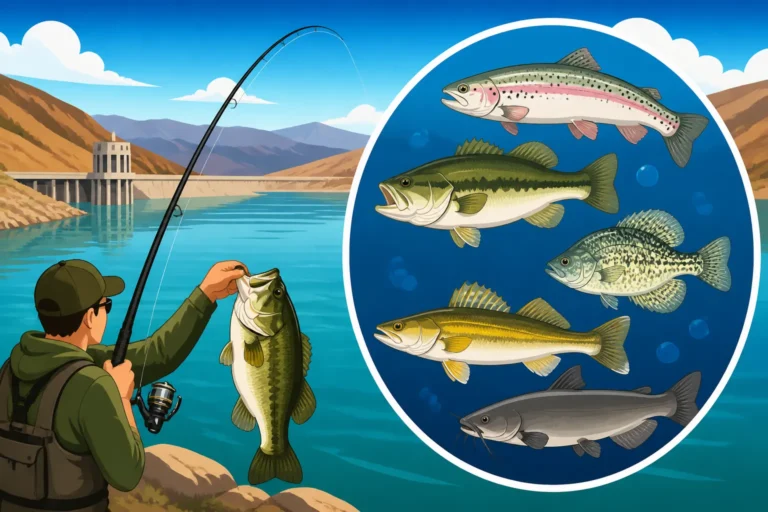
For species like bass, you'll find them schooling up tighter and often suspending over submerged brush piles, rock ledges, or deep points. Trout, on the other hand, might stay a bit shallower if there’s a consistent food source or a warm spring, but generally, they'll also seek deeper, more stable water. Striped bass are notorious for forming massive schools in winter, moving up and down the water column, often relating to baitfish concentrations in open water. Understanding these subtle shifts in behavior is absolutely key to success. You can't just throw the same lures with the same retrieve you use in summer and expect results; you have to adapt to their slower pace and deeper haunts.
The Benefits of Targeting Desert Reservoirs in Winter
There's a certain magic to winter fishing in Nevada's desert reservoirs. For starters, you'll often have the water practically to yourself. The summer crowds are gone, and the peaceful solitude is a welcome change. This means less boat traffic to spook the fish and more prime spots all to yourself. The water in many of these reservoirs also tends to be clearer in winter, as there's less algae growth and recreational activity stirring up sediment. Clearer water can sometimes make fish a bit warier, but it also allows for more precise presentations and can make spotting structure with your electronics much easier.
Furthermore, the "winter" in southern Nevada isn't always frigid. We often get beautiful, sunny days with mild temperatures that are perfectly comfortable for a day on the water, especially if you're bundled up. These periods of stable weather can be incredibly productive. Plus, while fish are slower, they can be much less picky once you find them. When you hit a school of stripers in Lake Mead, for instance, the action can be non-stop. And let's not forget the potential for trophy fish. Cooler water often means bigger, healthier fish are more willing to bite, especially bass that are focused on fattening up before the leanest parts of winter. It’s a fantastic time to pursue that personal best.
Top Desert Reservoirs for Winter Fishing in Nevada
When it comes to choosing a desert reservoir for winter fishing in Nevada, the southern part of the state shines. Its lower elevation and generally milder climate mean these large bodies of water rarely freeze over completely, offering consistent access and some truly incredible fishing. The immense size of these reservoirs also means there's always a new corner to explore, even when the fish are concentrated.
Lake Mead: A Winter Striper and Bass Haven
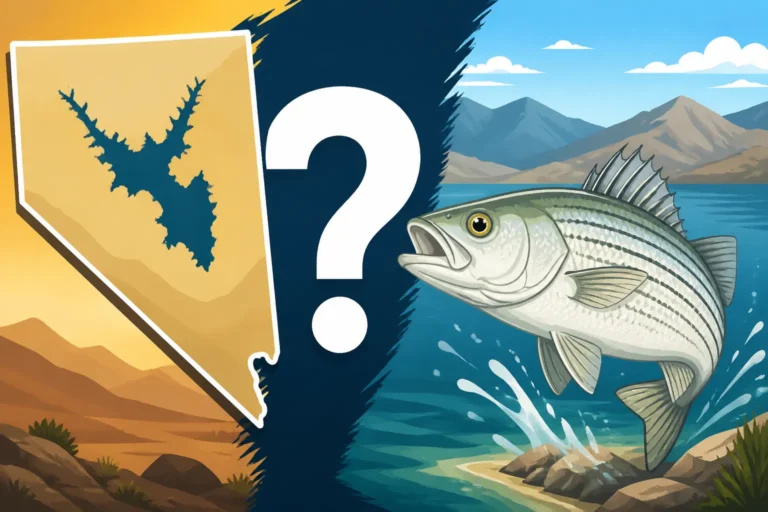
Lake Mead, straddling the Nevada-Arizona border, is a true gem for winter anglers. Its vast expanse of water holds impressive populations of striped bass, largemouth bass, and smallmouth bass, all of which can be caught in good numbers during the colder months. What makes Lake Mead so special in winter is how the fish tend to concentrate. Instead of being spread out across its countless coves and points, baitfish (primarily shad) school up, and the predatory game fish follow suit.
For striped bass, winter is prime time for deep jigging or trolling. You'll often find massive schools of stripers suspended anywhere from 40 to 100 feet deep in the main lake channels or larger coves like Hemenway Bay. Using heavy spoons, jigging lures, or even large swimbaits can be incredibly effective. Keep an eye on your fish finder; once you locate a school, you can often drop jigs right into the middle of them for some fast and furious action. For more in-depth knowledge, check out our Lake Mead Nevada Fishing Guide and specifically our tips on Lake Mead Striped Bass Hotspots. They're a fantastic resource for targeting these hard-fighting fish.
Largemouth and smallmouth bass also become more predictable in winter. They'll pull off the shallow banks and hold tight to structure in deeper water—think submerged rock piles, ledges, and creek channels. Slow-rolling spinnerbaits, dragging jigs, or working deep-diving crankbaits can entice bites. Look for areas with a mix of rock and brush, especially those that drop off quickly into deeper water. These fish are conserving energy, so a slow, methodical retrieve is often much more effective than fast, erratic movements.
Lake Mohave: Clear Waters and Trout Opportunities
Just downstream from Lake Mead, Lake Mohave offers a slightly different, but equally rewarding, winter fishing experience. Known for its crystal-clear water and impressive depths, Lake Mohave is a fantastic destination for rainbow trout and trophy smallmouth bass, particularly around the Willow Beach area. The clear water demands a more stealthy approach, but it also means you can often spot fish on your electronics even in deeper water.
The Nevada Department of Wildlife (NDOW) regularly stocks rainbow trout in the cooler waters around Willow Beach, making it a hotspot for winter trout fishing. These stocked trout are often eager to bite power bait, salmon eggs, or small spinners fished from shore or trolled from a boat. The best part is that the deeper, cooler water ensures these trout stay active and healthy throughout the winter. For more specifics on this location, our Lake Mohave Rainbow Trout Water guide is a must-read.
Beyond trout, Lake Mohave is also renowned for its robust population of smallmouth bass. In winter, these bronze beauties move to deep rock piles, ledges, and sheer cliff walls. Vertical jigging with small spoons or blade baits, or slowly dragging football jigs, can produce some excellent smallmouth catches. The colder water can even tempt out some of the lake's larger smallmouth, which tend to be more active and less pressured in the winter months. If you're planning a trip, our comprehensive Lake Mohave Nevada Fishing Guide offers plenty of additional insights into tackling this stunning reservoir.
Other Notable Winter Options in the Desert
While Lake Mead and Lake Mohave are the undisputed champions for consistent winter fishing in southern Nevada's desert, a few other spots can offer pleasant surprises, especially for those willing to explore or who live closer to central Nevada. These smaller reservoirs might not have the same vastness or year-round reputation as their southern counterparts, but they can still provide winter angling enjoyment under the right conditions.
For example, places like Echo Canyon Reservoir near Pioche or Eagle Valley Reservoir further south are also stocked with trout and can offer decent ice-free fishing during milder winter spells. These smaller bodies of water often warm up slightly faster on sunny winter days, making the fish a bit more active. However, always double-check current conditions and access before heading out, as they are more susceptible to freezing than the colossal Lakes Mead and Mohave. The key with these smaller desert reservoirs is to look for those sunny, calm days and target the same deep structure and slow presentations you would use in the larger lakes. They might require a bit more local intel, but the reward can be peaceful solitude and good trout action.
Essential Winter Fishing Techniques and Gear
Winter fishing isn't just about finding the right spot; it's about adapting your entire approach. Fish are less active, water temperatures are lower, and you, the angler, need to be prepared for the elements. Success in these conditions often boils down to patience, precise technique, and making sure you're comfortable enough to stay out there.
Mastering Slow Presentations
This cannot be stressed enough: slow down. In cold water, fish have a slower metabolism and are much less likely to chase down a fast-moving lure. Your presentations need to be subtle, deliberate, and often very close to the fish.
- Jigging: For striped bass and even deep-holding bass, vertical jigging is incredibly effective. Use heavy spoons, blade baits, or soft plastics rigged on jig heads. The key is to drop your lure to the depth where fish are holding (use your fish finder!) and impart very subtle lifts and drops. Sometimes, just letting it sit perfectly still after a short hop is what triggers a bite. Our guide on Jigging Techniques for Lake Mead Stripers offers specific advice on this effective method.
- Dragging and Slow Rolling: For largemouth and smallmouth bass, dragging jigs, Texas-rigged worms, or slow-rolling spinnerbaits along the bottom or over structure can be deadly. Keep contact with the bottom and feel for any subtle tap or increased weight. A slower gear ratio reel can help you maintain that painstaking retrieve speed.
- Trolling: For trout and stripers in open water, slow trolling small crankbaits, spoons, or even live bait (where allowed) can cover a lot of water. Experiment with depths until you find where the fish are holding, then try to keep your lure in that zone.
Remember, a "strike" in winter might feel less like a violent yank and more like a soft tick or just added weight on your line. Pay close attention to your rod tip and line.
Cold Weather Gear and Safety
Staying warm and safe is paramount for enjoying winter fishing. There’s nothing worse than having to cut a trip short because you're freezing or unprepared for an emergency.
- Layering is Key: Dress in layers. Start with a moisture-wicking base layer, add insulating layers (fleece, down), and top it off with a waterproof and windproof outer shell. This allows you to adjust to changing temperatures throughout the day.
- Extremities: Your hands and feet lose heat quickly. Invest in good insulated, waterproof boots and warm gloves (fingerless gloves with convertible mitts can be great for dexterity while fishing). Hand warmers are your best friend!
- Sun Protection: Even in winter, the Nevada sun can be intense, especially with reflection off the water. Don't forget sunscreen, a wide-brimmed hat, and polarized sunglasses. Our Desert Fishing Gear and Sun Protection guide has more tips on beating the desert glare.
- Hydration: Cold weather can mask dehydration. Bring plenty of water, and perhaps a thermos of hot coffee or tea.
- Boat Safety: If you're boating, ensure all your safety equipment is in good working order. Cold water immersion is extremely dangerous. Always wear your life jacket, or at the very least, have it easily accessible. Let someone know where you're going and when you expect to return. For comprehensive boat safety, check out our Essential Safety Gear for Boating on Lake Mead. Don't take chances on big water in cold weather.
- Check Conditions: Always check the weather forecast before you go, including wind advisories. Wind chill can make a mild day feel brutally cold, and strong winds can make boating on large reservoirs very dangerous.
Planning Your Winter Fishing Trip to Nevada
A successful winter fishing trip isn't just about what happens on the water; it's also about meticulous planning beforehand. Making sure you're legally compliant and have all the necessary information can save you headaches and ensure a smooth, enjoyable outing.
Regulations, Licenses, and Permits
Nevada has specific fishing regulations that apply year-round, regardless of the season. It's crucial to be familiar with the latest rules, including bag limits, size restrictions, and specific regulations for certain waters. The Nevada Department of Wildlife (NDOW) publishes an annual fishing guide that's available online and at license vendors. You can get a thorough breakdown of all the rules in our Nevada Fishing Regulations Explained post.
Everyone 12 years of age and older needs a fishing license to fish in Nevada. You have several options depending on how long you plan to fish:
- Annual License: Best value if you plan multiple trips throughout the year. Our Nevada Fishing License Cost Breakdown goes into detail on pricing.
- 1-Day or 5-Day License: Perfect for a short winter getaway. You can find more specific information on the Nevada 1-Day Fishing Permit Details.
- Combination Hunting and Fishing License: If you're also a hunter, this might be a more cost-effective option.
The easiest way to obtain your license is often online through the NDOW website. Check out our guide on Buying a Nevada Fishing License Online for a step-by-step process. Make sure to purchase your license well in advance to avoid any last-minute rushes, especially if you're traveling from out of state.
Local Knowledge and Resources
Before you head out, tapping into local knowledge can make a huge difference. Local tackle shops are invaluable resources. They'll have the most up-to-date information on recent catches, hot spots, preferred baits, and current water conditions. Don't be shy about asking for advice – most shop owners and employees are passionate anglers eager to share their insights. Stores like Sportsman's Warehouse or Cabela's often have knowledgeable staff, but also look for smaller, independent shops near your chosen reservoir.
Consider hiring a local fishing guide, especially if it's your first time fishing a particular desert reservoir in winter. Guides spend countless hours on the water and know exactly where the fish are holding and what they're biting on. Services like FishingBooker can help you find experienced, licensed guides for Lake Mead or Lake Mohave who specialize in winter techniques. A few hours with a guide can teach you more than days of trial and error, making your trip far more productive and enjoyable. It's also a great way to learn specific techniques for a particular species or water body.
| Feature | Lake Mead | Lake Mohave |
|---|---|---|
| Primary Winter Fish | Striped Bass, Largemouth Bass, Smallmouth Bass | Rainbow Trout, Smallmouth Bass |
| Typical Winter Depths | 40-100+ feet for stripers, 20-60 feet for bass | 20-80 feet for trout, 30-100+ feet for bass |
| Best Winter Techniques | Deep jigging, trolling, slow-rolling jigs | Shore fishing for trout, vertical jigging, trolling |
| Water Clarity | Moderate to Good | Excellent (very clear) |
| Winter Access | Excellent (multiple boat ramps, shore access) | Excellent (Willow Beach, Cottonwood Cove) |
| Key Lures/Baits | Heavy spoons, blade baits, jigs, swimbaits | Power bait, salmon eggs, small spinners, jigs |
Finally, keep an eye on the NDOW stocking schedule if trout are your target. They regularly stock urban ponds and accessible reservoirs like those around Willow Beach, and fishing can be fantastic right after a fresh plant. While this article focuses on winter, knowing the Best Time of Year to Fish in Nevada in general can help you plan your future trips too. With a little planning and the right mindset, your winter fishing adventure in Nevada's desert reservoirs can be incredibly rewarding.
Disclaimer
Please remember that fishing conditions, regulations, and access can change. Always consult the latest Nevada Department of Wildlife (NDOW) regulations before you head out, and prioritize your safety on the water. This guide provides general information and recommendations, but local conditions should always be verified.