Nevada lakes that freeze over in winter
Navigating the winter fishing scene in Nevada can be a real head-scratcher. Many anglers, especially those new to the Silver State, wonder if their ice fishing gear will ever see the light of day, or if our often mild winters mean a season lost. The truth is, while some of Nevada's most famous bodies of water rarely skim over, there are indeed several fantastic high-elevation lakes and smaller reservoirs that reliably freeze solid, offering incredible opportunities for hardwater enthusiasts. This guide will walk you through which Nevada lakes turn into winter wonderlands, what to expect, and how to stay safe while chasing those cold-water bites.
Understanding Winter's Grip on Nevada Lakes
Nevada's diverse landscape, from arid desert valleys to towering mountain ranges, means that winter conditions vary dramatically across the state. While Las Vegas might see only a dusting of snow, areas in the Ruby Mountains or the Toiyabe Range will be buried in feet of it, and their associated lakes will likely be locked under ice. It's crucial to understand the factors that influence ice formation before you even think about drilling a hole.
Factors Influencing Ice Formation
Several key elements determine whether a body of water in Nevada will develop safe, fishable ice. It's not just about how cold it gets in a general sense; local geography plays a massive role.
First and foremost is elevation. The higher you go, the colder the average temperatures, which naturally leads to earlier and thicker ice. Lakes nestled in mountain ranges, often above 6,000 feet, are prime candidates for consistent freezing. Conversely, lower-elevation lakes, even if they experience a few freezing nights, may not sustain ice due to warmer daytime temperatures or strong winds.
Next, consider the size and depth of the lake. Larger, deeper lakes hold a tremendous amount of heat energy, making them much harder to cool down to freezing point, let alone form substantial ice. Lake Tahoe, for instance, with its immense depth and volume, only freezes partially in its shallower coves during exceptionally severe winters, and even then, it's rare and unpredictable for safe ice fishing. Smaller, shallower reservoirs or ponds, however, lose heat much more quickly and are the first to develop a solid cover.
Wind exposure is another significant factor. A lake that's exposed to consistent strong winds will have its surface constantly agitated, preventing a stable ice sheet from forming. Even if ice does start to build, wind can break it up or push it around, creating hazardous conditions. Lakes sheltered by surrounding hills or forests tend to form more stable ice.
Finally, water flow can prevent ice formation. Rivers and streams, even in very cold temperatures, often keep moving water from freezing solid. While some slow-moving sections or oxbows might freeze, the main current typically remains open. For still bodies of water, if there's a strong current or an underground spring feeding into it, this can also disrupt ice growth in localized areas, creating dangerous thin spots.
Safety First: Assessing Ice Conditions
Let's be real: ice fishing is a blast, but it's only fun if you're safe. Nevada's winters can be fickle, and a seemingly solid sheet of ice can hide treacherous thin spots. Never, ever assume ice is safe without verifying it. Local conditions can change rapidly due to temperature fluctuations, snow cover acting as insulation, or even underground springs.
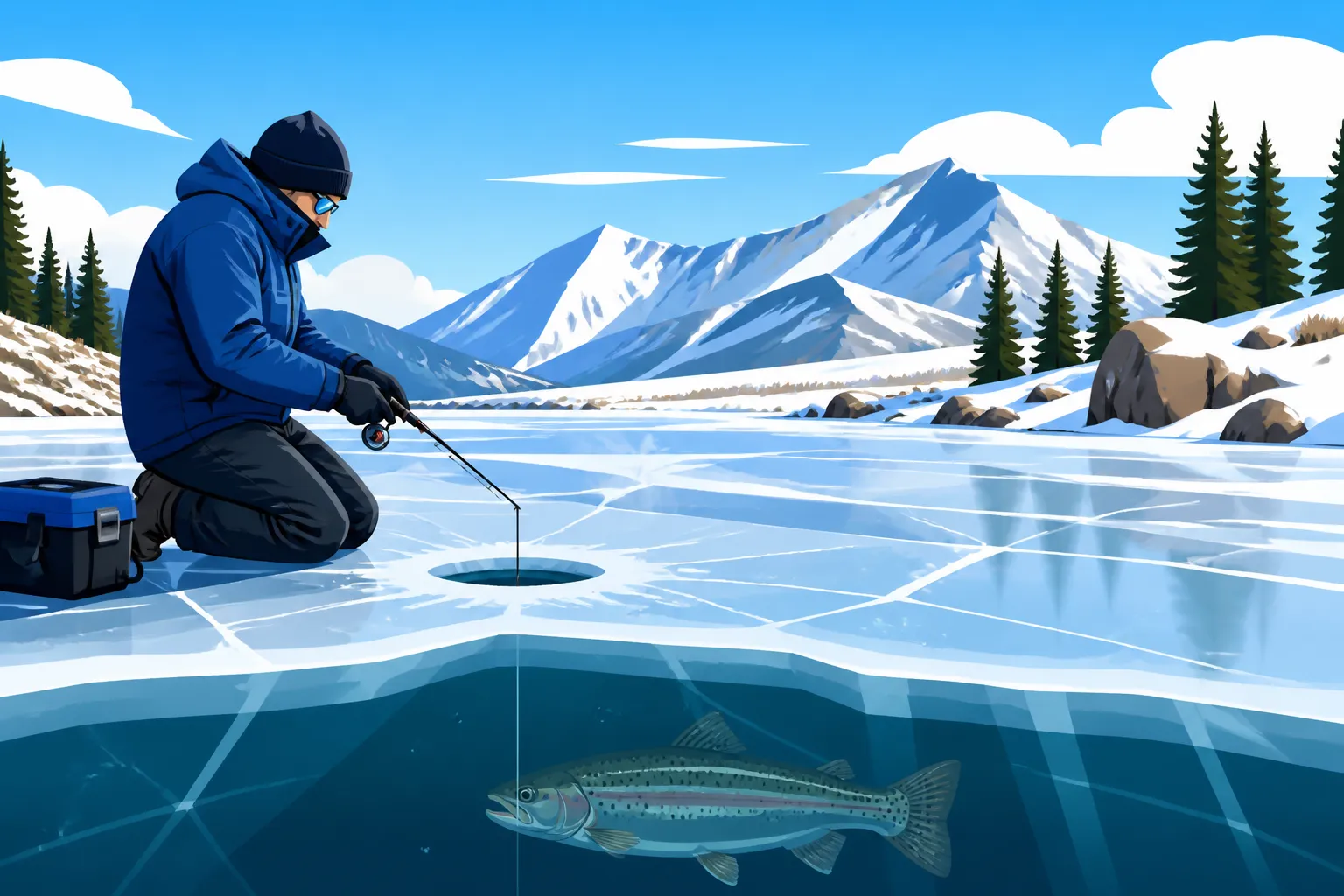
The golden rule for ice thickness is often cited as a minimum of 4 inches for ice fishing on foot. However, this is a bare minimum. For peace of mind and shared weight, 5-7 inches is much better. If you plan on taking snowmobiles or ATVs, you're looking at 8-12 inches, and a small car would require 12-15 inches. Always check multiple spots as you venture out, especially near shorelines, inlets, or outlets, which are notorious for thinner ice. A spud bar or an ice auger is your best friend for checking thickness every few steps.
Beyond thickness, look at the color and texture of the ice. Clear, blue ice is generally the strongest. White or opaque ice, often called "snow ice," is weaker because it's formed from refrozen snow and air pockets. Gray or dark ice indicates rotting ice or the presence of water underneath, making it extremely dangerous. If you see cracks, avoid them. Carrying ice picks, a throw rope, and having a buddy are non-negotiable safety precautions. Remember, no fish is worth risking your life. Always check with local resources like the Nevada Department of Wildlife (NDOW) or reputable bait shops for current ice conditions. You can also sometimes find up-to-date reports from other anglers on platforms like FishingBooker, which can connect you with local guides who are intimately familiar with a lake's current state.
Notable Nevada Lakes That Freeze for Ice Fishing
While Nevada isn't Minnesota, we absolutely have our share of frozen playgrounds where the fish are biting under the ice. These spots are typically found at higher elevations and often in the northern and eastern parts of the state, away from the more temperate southern regions.
Northern Nevada's Ice Fishing Havens
When winter sets in over northern Nevada, a few lakes consistently offer excellent ice fishing opportunities, drawing anglers from across the state and beyond. These tend to be smaller, higher-elevation bodies of water that cool down quickly and stay cold.
One of the undisputed kings of Nevada ice fishing is Wildhorse Reservoir Nevada Fishing Guide. Located northeast of Elko, at an elevation of about 6,200 feet, Wildhorse reliably freezes over, often by late December and usually holding ice well into March. This reservoir is renowned for its trophy-sized rainbow trout, brown trout, and yellow perch. Anglers often set up shelters and use tip-ups, jigging with small spoons or plastics tipped with a mealworm or piece of raw shrimp. The sheer volume of fish and the potential for a lunker make Wildhorse a premier destination. The ice here can get quite thick, sometimes over a foot, allowing for easier access, but always verify conditions yourself.
Another popular, though sometimes less predictable, spot is Marlette Lake in the Carson Range. Access can be challenging in winter, often requiring snowmobile or cross-country ski access after significant snowfall closes the roads. However, for the adventurous, Marlette offers a unique, high-alpine experience. It's managed as a wild trout fishery, so expectations should be for smaller, but feisty, Lahontan cutthroat and rainbow trout. Because of its remote nature and high elevation (around 7,800 feet), Marlette typically sees solid ice formation, but again, accessibility is the main hurdle.
Smaller, less-known high mountain lakes in areas like the Ruby Mountains or the Jarbidge Wilderness might also offer ice fishing, but these are often remote, require significant backcountry travel, and are generally for experienced, self-sufficient ice anglers. Always check current NDOW regulations for these specific, often more sensitive, fisheries, as seasons and limits can vary.
Eastern Nevada's Frozen Gems
Heading east into the White Pine County area and beyond, you'll find a cluster of smaller reservoirs and state park lakes that are fantastic for ice fishing. These areas experience colder, more consistent winter temperatures than the state's western and southern regions, making for reliable hardwater fishing.
Cave Lake State Park Fishing, located near Ely, is a perennial favorite for ice anglers. Sitting at an elevation of nearly 7,300 feet, Cave Lake freezes solid for a good portion of the winter. It's regularly stocked with rainbow trout and also holds brown trout, creating exciting opportunities for both beginners and seasoned pros. The convenience of a state park setting, with amenities often accessible even in winter, makes it an attractive choice. Jigging small ice spoons, tungsten jigs, or using traditional bait under a bobber are popular and effective methods here. The ice can often reach depths of 10-15 inches, providing a comfortable and safe platform for fishing.
Not far from Cave Lake is Comins Lake near Ely, another excellent choice for winter fishing. While perhaps not as scenic as Cave Lake, Comins is known for its productive rainbow trout fishing through the ice. It's shallower in many areas, meaning it often freezes earlier and thaws later, extending the ice fishing season. It's often less crowded than Cave Lake, offering a more tranquil experience.
Further south, but still within the "freezing zone," is Echo Canyon Reservoir Fishing, also located in Echo Canyon State Park. This reservoir also offers good ice fishing for rainbow trout, and sometimes even smallmouth bass or crappie if conditions align. Its elevation around 5,200 feet means it might not freeze as early or as consistently as Cave Lake or Wildhorse, but it's certainly a contender during colder stretches of winter. Always check current conditions before making the drive.
These eastern Nevada lakes, while often requiring a longer drive for many, reward the persistent angler with solitude, beautiful scenery, and often very active fish beneath the ice. They are well worth the effort for a dedicated winter fishing excursion.
Lakes Less Likely to Freeze or Partially Freeze
While the previous sections highlighted Nevada's prime ice fishing destinations, it's just as important to understand which lakes typically don't freeze over in a manner suitable for ice fishing. Setting your sights on these spots for hardwater action will likely lead to disappointment or, worse, dangerous situations.
Nevada's "big three" – Lake Mead, Lake Mohave, and Lake Tahoe – are almost entirely off-limits for safe ice fishing. Lake Tahoe Nevada Fishing Guide, as mentioned, is an incredibly deep and vast body of water. Its immense thermal mass means it retains heat throughout the winter, and only under the most extreme, prolonged cold snaps might some very shallow, protected coves develop a thin, short-lived skim of ice, which is almost never safe for walking on. Anglers targeting Mackinaw trout at Lake Tahoe will be using boats, even in winter. Similarly, Lake Mead and Lake Mohave, part of the Colorado River system, are vast desert reservoirs. Their lower elevations, warmer ambient temperatures, and sheer size prevent them from freezing. These lakes, in fact, offer fantastic open-water fishing opportunities year-round, especially for striped bass and largemouth bass, providing a great alternative if the ice isn't biting elsewhere.
Pyramid Lake Nevada Fishing Guide, while in northern Nevada, is also generally too large and deep to freeze solid for safe ice fishing. Its unique ecosystem, fed by the Truckee River, and its substantial size mean it typically remains open water throughout the winter, offering world-class Lahontan cutthroat trout fishing from shore or boat.
Even some urban ponds, like those found in the Las Vegas Valley (e.g., Sunset Park Pond or Floyd Lamb Park), might develop a thin layer of ice during a particularly cold week. However, these rarely, if ever, become thick enough to safely support an angler. The ice on urban ponds can be especially unpredictable due to various factors like aeration, fluctuating temperatures, and hidden structures. It's always best to err on the side of caution and assume these smaller, easily accessible ponds are not safe for ice fishing, focusing instead on bank fishing or catch-and-release during these colder periods.
Preparing for a Nevada Ice Fishing Adventure
So, you've identified a promising frozen lake and checked the ice conditions – fantastic! Now it's time to gear up and get ready for a memorable day on the ice. Being prepared is key to both safety and success, especially when temperatures drop.
Essential Gear for Hardwater Anglers
Venturing out onto the ice requires a different set of tools and attire than your typical open-water fishing trip. Safety and comfort should be your top priorities, followed closely by fishing effectiveness.
First, let's talk about personal safety gear. This is non-negotiable. You must have ice picks around your neck or easily accessible in an outer pocket. If you happen to break through, these can be lifesavers for pulling yourself back onto solid ice. A length of rope, easily thrown to a struggling partner, is also crucial. Dress in layers, avoiding cotton, which loses its insulating properties when wet. Thermal underwear, a fleece layer, a waterproof/windproof outer shell, and insulated boots are essential. Don't forget a warm hat, gloves, and perhaps hand warmers. For a comprehensive overview, check out this Nevada Ice Fishing Gear Checklist.
For accessing the fish, an ice auger is paramount. Manual augers are great for portability and cost-effectiveness on thinner ice, while gas-powered or electric augers are indispensable for thicker ice and drilling many holes. A portable shelter (shanty or pop-up tent) can be a game-changer, protecting you from wind and keeping you warm, allowing you to fish longer and more comfortably.
Your fishing tackle for ice fishing typically includes shorter, stiffer rods specifically designed for hardwater. These rods offer better sensitivity to detect subtle bites and have the backbone to fight fish in tight quarters. Combine them with small spinning reels spooled with sensitive line, such as fluorocarbon or braided line with a fluorocarbon leader, which is less prone to freezing. When it comes to lures, small jigging spoons, tungsten jigs tipped with wax worms, mealworms, or PowerBait, are highly effective for trout and perch. A portable fish finder (flasher) can dramatically increase your success by showing you fish below, your lure, and the water depth.
Don't forget the creature comforts: a sturdy bucket to sit on (which can also hold your catch), a small cooler for drinks and snacks, and a thermos of hot coffee or cocoa can make all the difference on a chilly day.
Best Practices and Regulations for Ice Fishing
Once you have your gear sorted, it's time to consider the best practices for a successful and legal ice fishing trip in Nevada. Adhering to regulations and being mindful of your impact ensures a positive experience for everyone and preserves our fisheries.
Before you even step on the ice, make sure you have your current Nevada Fishing License Guide and any necessary stamps. Ignorance of the law is not an excuse, and game wardens do patrol frozen lakes. Always familiarize yourself with the specific regulations for the body of water you're visiting. This includes daily bag limits, size restrictions, and any bait restrictions. Some lakes, for example, might have limits on the number of rods you can use, or specific regulations regarding live bait. The Nevada Fishing Regulations Explained guide is an invaluable resource.
Ice safety remains paramount. As mentioned, continuously check ice thickness with a spud bar or auger as you move across the lake. Avoid areas of moving water (inlets/outlets), pressure ridges, and discolored ice. Always fish with a buddy, or at least let someone know where you're going and when you expect to return. If you're using a portable shelter, ensure it's well-ventilated, especially if you're using a propane heater, to prevent carbon monoxide poisoning.
When drilling holes, space them out sufficiently to avoid weakening the ice for others. A good rule of thumb is at least 10-15 feet between holes. When you're done fishing for the day, be a responsible angler and pack out everything you pack in, including any trash, broken line, or bait containers. This keeps our lakes clean and enjoyable for future generations. For more in-depth information on techniques and best times, you can consult specific resources like Ice Fishing in Nevada and Winter Fishing Techniques for Nevada Trout. These guides provide detailed advice on how to maximize your chances of success during the colder months.
Beyond the Ice: Winter Open Water Fishing Opportunities
Just because some lakes freeze over doesn't mean all of Nevada's fishing opportunities are under lock and key. In fact, many popular destinations remain open and highly productive throughout the winter, offering unique challenges and rewards for anglers who prefer open water.
Large Lakes and Reservoirs in Winter
For those who don't venture into the high country or prefer not to deal with ice, Nevada's larger, lower-elevation lakes like Lake Mead and Lake Mohave continue to offer excellent fishing year-round. While the air temperatures might be chilly, the water temperatures in these vast desert reservoirs remain above freezing, creating active fisheries.
During winter, fish often move deeper to find more stable water temperatures and to follow baitfish. This means techniques like deep jigging, trolling, or even casting swimbaits and spoons for striped bass can be highly effective. The cooler water temperatures can also make the fight more spirited. For anglers looking for a guided trip or to explore new areas on these large bodies of water, resources like FishingBooker can help connect you with local captains who know the winter patterns and best spots. They can help you target those elusive big stripers or the plentiful largemouth bass that often congregate in deeper coves.
Trout fishing also remains strong in many open waters. Reservoirs like Topaz Lake, for example, are typically ice-free and continue to be stocked by NDOW, providing great action for rainbow and brown trout throughout the colder months. Check the Nevada Trout Stocking Schedule to see when and where fresh fish are being planted. These lakes often fish exceptionally well in winter, with trout becoming more active in the cooler water, cruising shallower coves for food.
River Fishing in the Colder Months
Nevada isn't just about lakes; we also have some fantastic rivers that offer unique winter fishing experiences, especially for trout. While these require careful navigation due to cold water and potentially icy banks, they can be incredibly rewarding.
The Truckee River, which flows from Lake Tahoe through Reno and into Pyramid Lake, remains largely ice-free through most of its course, especially in the larger sections near urban areas. It's a renowned trout fishery, and winter can be a prime time for targeting big brown and rainbow trout. Fish tend to congregate in deeper pools and slower runs during the colder months. Fly anglers will often use nymphing techniques, dead-drifting stoneflies, midges, or worms, while spin anglers might find success with small spinners or drifted bait. The Truckee can be a challenging river, but its winter fishing is legendary among those who brave the cold.
The East Walker River, originating in California but flowing into Nevada, is another excellent winter trout fishery. Like the Truckee, it's known for producing large brown and rainbow trout. Access can sometimes be limited by snow, but for those who make the effort, the solitude and the chance at a trophy fish are well worth it. Again, deeper holes and slow-moving water are key during winter. Always wear appropriate wading gear and be extremely cautious of slippery banks and submerged ice formations.
For a broader understanding of fishing opportunities throughout the year, anglers can refer to resources like the Nevada Fishing Seasons by Month or the comprehensive Best Places to Fish in Nevada guide, which covers all seasons and types of water.
Nevada Winter Fishing Spot Comparison
To help you plan your winter angling adventures, here's a quick comparison of some notable Nevada fishing spots, highlighting their typical winter conditions and target species. Remember, always verify current conditions before heading out, as weather can be unpredictable.
| Lake/Reservoir | Typical Winter Condition | Elevation (approx.) | Primary Target Species (Winter) | Notes |
|---|---|---|---|---|
| Wildhorse Reservoir | Reliably freezes for ice fishing | 6,200 ft | Rainbow Trout, Brown Trout, Yellow Perch | Premier ice fishing destination, often thick ice. |
| Cave Lake | Reliably freezes for ice fishing | 7,300 ft | Rainbow Trout, Brown Trout | Accessible state park, great for families. |
| Comins Lake | Reliably freezes for ice fishing | 6,000 ft | Rainbow Trout | Often freezes early, less crowded than Cave Lake. |
| Echo Canyon Res. | Often freezes for ice fishing | 5,200 ft | Rainbow Trout, Smallmouth Bass, Crappie | Lower elevation, check conditions carefully. |
| Marlette Lake | Reliably freezes for ice fishing | 7,800 ft | Lahontan Cutthroat Trout, Rainbow Trout | Challenging winter access, remote experience. |
| Lake Tahoe | Rarely freezes completely | 6,225 ft | Mackinaw Trout, Kokanee Salmon, Rainbow Trout | Open water fishing from boat, extreme depth. |
| Lake Mead | Never freezes | 1,200 ft (avg) | Striped Bass, Largemouth Bass, Catfish | Open water year-round, popular for boat fishing. |
| Lake Mohave | Never freezes | 640 ft (avg) | Striped Bass, Rainbow Trout, Largemouth Bass | Open water year-round, especially good for trout at Willow Beach. |
| Pyramid Lake | Rarely freezes | 3,800 ft | Lahontan Cutthroat Trout | Open water year-round, world-class shore fishing. |
| Truckee River | Remains open water | Varies | Brown Trout, Rainbow Trout | Excellent river fishing, often best for nymphing. |
Disclaimer
Fishing, especially in winter conditions or from a boat, carries inherent risks. Always prioritize your safety and be aware of your surroundings. The information provided in this guide is for general informational purposes only and should not be considered a substitute for local regulations, professional advice, or personal judgment. Always check current weather conditions, ice thickness, water levels, and fishing regulations with the Nevada Department of Wildlife (NDOW) or other official sources before planning your trip.