Nevada trout season end date
It's incredibly frustrating when you're itching to hit the water, but you're not entirely sure if the trout season is still open, or if you've missed your window entirely. Navigating the myriad of fishing regulations can feel like trying to untangle a bird's nest of fishing line, especially when it comes to specific dates for different species and locations. This guide aims to clear up the confusion surrounding Nevada's trout season end dates, breaking down the statewide rules, regional variations, and those golden opportunities for year-round angling.
Understanding Nevada's Trout Season Structure
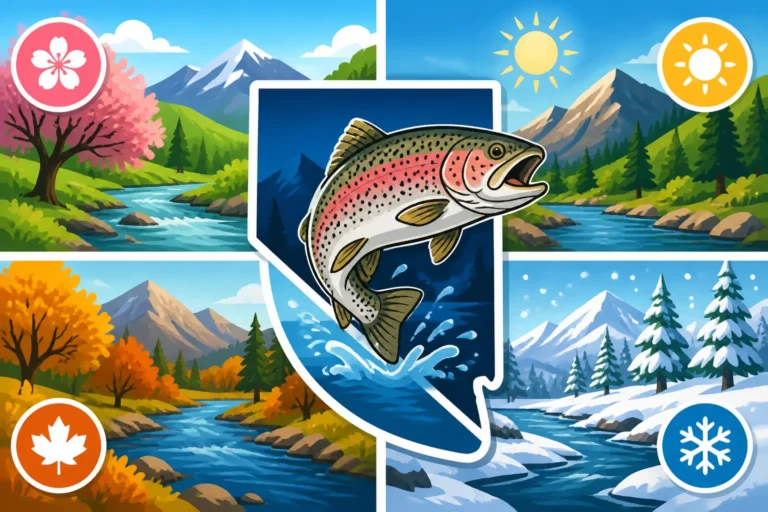
When you first start looking into Nevada's fishing regulations, one of the biggest surprises for many anglers is that there isn't just one universal "trout season end date" that applies to every single body of water across the Silver State. Nevada's diverse landscapes, from high alpine lakes to vast desert reservoirs and urban ponds, mean that fishing seasons are often tailored to protect specific fish populations, manage spawning cycles, and ensure sustainable angling opportunities. This nuanced approach, while sometimes a bit complex to grasp at first, is ultimately designed to keep our trout fisheries healthy and thriving for years to come.
Think about it: a cold, deep alpine lake in the Ruby Mountains is going to have a vastly different ecosystem and fish behavior than a warmer, lower-elevation reservoir like Wildhorse, or one of the urban ponds in the Las Vegas valley. The Nevada Department of Wildlife (NDOW) takes these ecological differences into account, which is why a simple "statewide end date" isn't practical or beneficial for the fish or the fishermen. It’s all about protecting the resource while maximizing fishing enjoyment.
The General Statewide Rules for Trout
While a single end date doesn't exist, NDOW does provide general guidelines and overarching principles for trout fishing throughout the state. Many of Nevada's most popular trout fisheries operate under year-round open seasons. This is fantastic news for anglers who want to cast a line no matter the month, assuming the weather and ice conditions cooperate. These year-round opportunities often come with specific bag and possession limits, as detailed in the official Nevada Fishing Regulations Explained. It’s absolutely crucial to consult the current year's NDOW fishing regulations booklet, available online or at most tackle shops and sporting goods stores (you might even find a digital copy or physical print on a platform like Amazon), because these rules can change annually.
However, even within these "year-round" waters, there can be subtle variations. For instance, some lakes might have specific closures during spawning periods, or particular gear restrictions that become more prevalent at certain times of the year. The general rule of thumb for trout in Nevada is that if a specific closure isn't listed for a particular water body, it's typically open year-round. But, and this is a big but, you can never assume. Always, always verify the specific regulations for the exact lake, reservoir, or stream you plan to fish before you head out. A quick check can save you a lot of hassle and potential fines.
Why Specific Water Bodies Have Different Dates
The reason for these varying season dates boils down to a few key biological and management factors. Trout species like rainbow, brown, and cutthroat have different spawning cycles, which can also be influenced by the specific climate and elevation of a water body. For example, Lahontan cutthroat trout in certain high-desert lakes might spawn in the spring, requiring a temporary closure to protect them, whereas rainbow trout in a different system might spawn at a different time. NDOW's mission is to ensure that these crucial reproductive periods are undisturbed, allowing the fish to successfully reproduce and maintain healthy populations.
Furthermore, some waters are heavily stocked, particularly the urban ponds and popular smaller reservoirs, which often maintain a "put-and-take" fishery where the goal is to provide consistent angling opportunities. These waters are often open year-round, with continuous stocking throughout the cooler months. In contrast, sensitive wild trout populations in remote streams or unique fisheries like those holding the native Lahontan cutthroat trout often have more restrictive seasons, or even special catch-and-release rules, to ensure their long-term survival. Understanding these differences is key to becoming a responsible and successful angler in Nevada.
Regional and Lake-Specific Trout Season End Dates
As we've discussed, drilling down to specific locations is essential to truly understand Nevada's trout season end dates. The state is broadly divided into regions for regulatory purposes, and within those regions, individual lakes, reservoirs, and streams often have their own unique set of rules. This section will help you navigate those specific details, focusing on some of the more popular trout fishing destinations.
Trout Season in Northern Nevada Waters
Northern Nevada, with its higher elevations and colder climates, offers some phenomenal trout fishing. Many of these waters, particularly the larger reservoirs and some of the more accessible rivers, are open to trout fishing year-round. Take the Truckee River, for example, which is a fantastic fishery for both wild and stocked trout. While it's largely open year-round, specific sections might have special regulations regarding gear, catch-and-release only, or even seasonal closures to protect spawning fish. Anglers often find success here using fly fishing techniques, especially during spring and fall.
Then you have iconic lakes like Lake Tahoe, which straddles the Nevada-California border. The Nevada side of Lake Tahoe is generally open year-round for species like Mackinaw (lake trout) and rainbow trout, but it’s critical to be aware of the daily limits and size restrictions, as well as distinct rules for deep-water trolling versus shore fishing. For detailed information on specific limits, check out the Nevada Trout Daily Limit Rules guide. Wildhorse Reservoir, another popular northern Nevada spot, is also typically open year-round for trout, offering great opportunities for both shore anglers and boaters. However, certain areas within these large bodies of water might have localized, temporary closures for research or management, so always check the latest NDOW bulletin.
Trout Season in Southern Nevada Waters
Southern Nevada’s trout fisheries, while less numerous than in the north, still provide excellent opportunities, especially in the cooler months. The primary trout fishing in this region revolves around Lake Mohave and various urban ponds. Lake Mohave, part of the Lake Mead National Recreation Area, offers rainbow trout fishing, particularly in areas like Willow Beach, where the water is fed by the cold outflow from Hoover Dam. This section of the lake is essentially a tailwater fishery, and trout fishing here is generally open year-round, with regular stockings by NDOW.
The urban ponds in the Las Vegas area, such as those at Floyd Lamb Park, Lorenzi Park, and Sunset Park, are a lifeline for local anglers, especially families and beginners. These ponds are heavily stocked with rainbow trout during the cooler months, typically from fall through spring, and are generally open year-round for fishing. The "trout season end date" here is less about a hard closure and more about when the water gets too warm in early summer for trout to survive, at which point NDOW shifts stocking to warm-water species like catfish. For more specific details on these local spots, you can refer to the Nevada urban pond fishing rules for Las Vegas and see How often NDOW restocks Las Vegas urban ponds.
Special Regulations for High Mountain Lakes
Nevada's high mountain lakes, often requiring a hike or off-road vehicle to access, frequently have different and sometimes more restrictive regulations due to their fragile ecosystems and unique fish populations. Many of these lakes, especially those in areas like the Ruby Mountains or the Toiyabe Range, are remote and pristine, hosting wild trout populations. These waters often have seasons that open later in the spring or early summer, once the ice has melted and access is clear, and might close earlier in the fall before heavy snows set in.
The exact opening and closing dates for these high-elevation waters can vary significantly from year to year depending on snowpack and ice-out conditions. For instance, a lake that is typically ice-free by late May might remain frozen into June after a heavy snow year. NDOW's regulations for these areas often include specific bag limits, slot limits, or even require artificial lures and single barbless hooks to promote catch-and-release, safeguarding these precious fisheries. Always consult the Nevada Western Region Fishing Regulations or Nevada Southern Region Fishing Regulations summary to pinpoint the specific dates and rules for the high mountain lake you're targeting.
Exemptions and Year-Round Trout Fishing Opportunities
Despite the variations in season dates across Nevada, the good news is that many places offer excellent trout fishing opportunities all year long. This means that even if a particular high mountain lake closes in the fall, there are usually plenty of other options available to keep your line wet throughout the colder months. These year-round opportunities are often a blend of NDOW’s stocking programs and natural fisheries that can sustain angling pressure year-round.
Many anglers appreciate the consistency and accessibility of these waters, particularly those looking to introduce friends or family to fishing. It takes some of the guesswork out of planning a trip, knowing that you can typically find a place to fish for trout regardless of the calendar date. Of course, always remember that "year-round" doesn't mean "no rules," so a quick check of the current regulations is always a good idea. Having a reliable setup, like a versatile spinning rod and reel combo that you can easily find on Amazon, will prepare you for these diverse fishing opportunities.
Urban Ponds and Stocked Waters
As mentioned earlier, Nevada's urban ponds and many smaller, accessible reservoirs are fantastic examples of year-round trout fisheries, albeit with a seasonal focus. While trout stocking in these ponds typically slows or ceases during the hottest summer months due to water temperatures, they are generally open for fishing year-round. During the peak stocking season (fall through spring), these ponds are regularly replenished by NDOW, providing ample opportunities to catch rainbow trout. This makes them ideal spots for beginners, children, or anyone looking for a convenient fishing experience close to home.
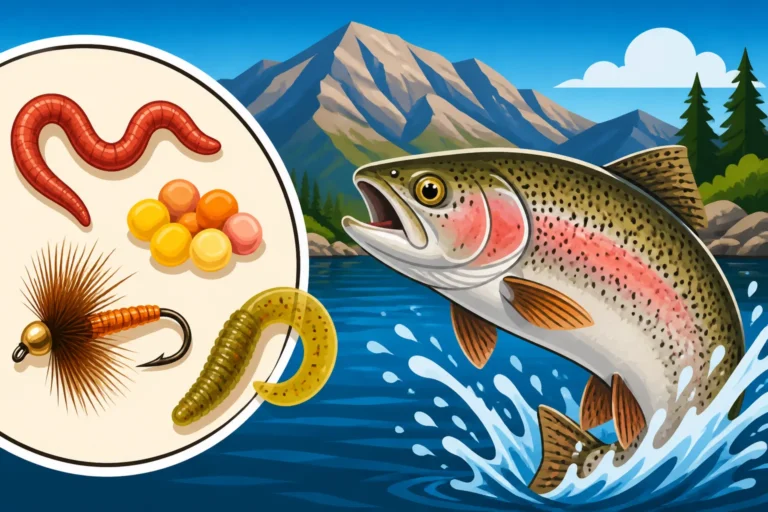
When targeting these stocked waters, it's less about a strict "season end date" and more about understanding the stocking schedule and the trout's behavior in different water temperatures. Once the water warms up, the trout become stressed, and fishing success can drop off dramatically. However, when the water cools down again in the fall, the trout bite picks right back up, signaling the informal start of "trout season" in these specific locations. Many anglers will find that using simple baits like PowerBait or worms works wonders in these high-traffic areas, and you can stock up on these essentials and other gear easily through retailers like Amazon.
Catch-and-Release Only Zones
Some of Nevada's most prized trout fisheries, particularly certain sections of rivers like the Truckee or specific smaller streams known for their wild trout, operate under perpetual catch-and-release regulations. In these areas, the "season end date" is irrelevant because fishing is allowed year-round, but with the strict mandate that all trout caught must be immediately and carefully returned to the water. This management strategy protects delicate wild populations, allows fish to grow to trophy sizes, and provides a challenging yet rewarding experience for anglers who prioritize conservation.
Catch-and-release only zones are often indicated in the regulations, and they typically come with additional rules, such as requiring artificial lures only and single barbless hooks. This minimizes harm to the fish, increasing their chances of survival after being caught. For fly anglers, these areas are often considered prime destinations, offering a chance to test their skills against wary, wild trout. If you're wondering, Can you catch trout year-round in Nevada?, the answer is a resounding yes, especially in these designated catch-and-release areas where the focus is on sport and conservation. Always make sure you understand the specific rules for each section of water, as mixing up a catch-and-release zone with a harvest zone can lead to serious penalties.
To help visualize the varied trout season end dates and year-round opportunities across Nevada, here's a handy table summarizing some key locations and their general trout season status. Remember, this is a general guide, and detailed regulations should always be confirmed with the latest NDOW fishing guide.
| Water Body/Region | General Trout Season Status | Common Target Species | Special Considerations |
|---|---|---|---|
| Statewide General Rule | Year-round | Rainbow, Brown, Cutthroat | Specific water bodies may have closures or restrictions. |
| Lake Tahoe (Nevada Side) | Year-round | Mackinaw, Rainbow | Specific daily limits, size limits. |
| Truckee River (certain sections) | Year-round | Rainbow, Brown, Cutthroat | Many sections are catch-and-release, artificial lures only. |
| Pyramid Lake | Open Oct 1 – June 30 | Lahontan Cutthroat Trout | Special tribal permit required, unique regulations. Check Pyramid Lake Fishing Permit Guide. |
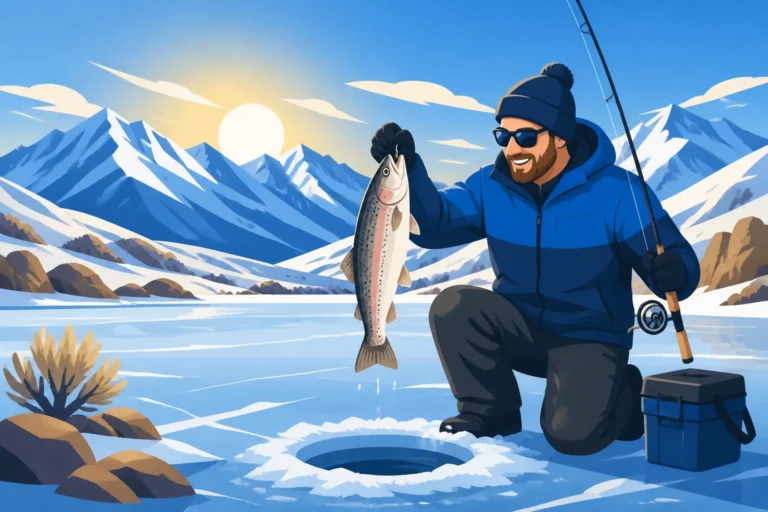
| Wildhorse Reservoir | Year-round | Rainbow, Brown, Tiger Trout | Popular for ice fishing in winter. |
| Lake Mohave (Willow Beach) | Year-round | Rainbow Trout | Heavily stocked, colder water year-round. |
| Las Vegas Urban Ponds | Year-round (seasonal trout) | Rainbow Trout, Catfish | Trout stocked Oct-Apr, Catfish May-Sep. See Nevada Trout Stocking Schedule. |
| High Mountain Lakes (e.g., Ruby Mts) | Seasonal (approx. June-Oct) | Rainbow, Brook, Cutthroat | Ice-out dependent, often restricted access. Verify specific dates. |
For those eager to dive deeper into the tactics for these different waters, our guide on How to Fish for Trout in Nevada offers invaluable tips and tricks to maximize your success, no matter the season. Also, exploring Best Nevada Trout Lakes can help you pinpoint your next fishing adventure. Always carry your current Nevada Fishing License Guide with you, whether it's a digital copy on your phone or a printed one.
Disclaimer
The information provided in this guide is for general informational purposes only and is subject to change. Fishing regulations in Nevada are complex and can vary significantly by water body, species, and time of year. Always consult the most current Nevada Department of Wildlife (NDOW) fishing regulations booklet or their official website before planning any fishing trip to ensure compliance with all applicable laws and regulations. Failure to do so may result in fines or penalties.