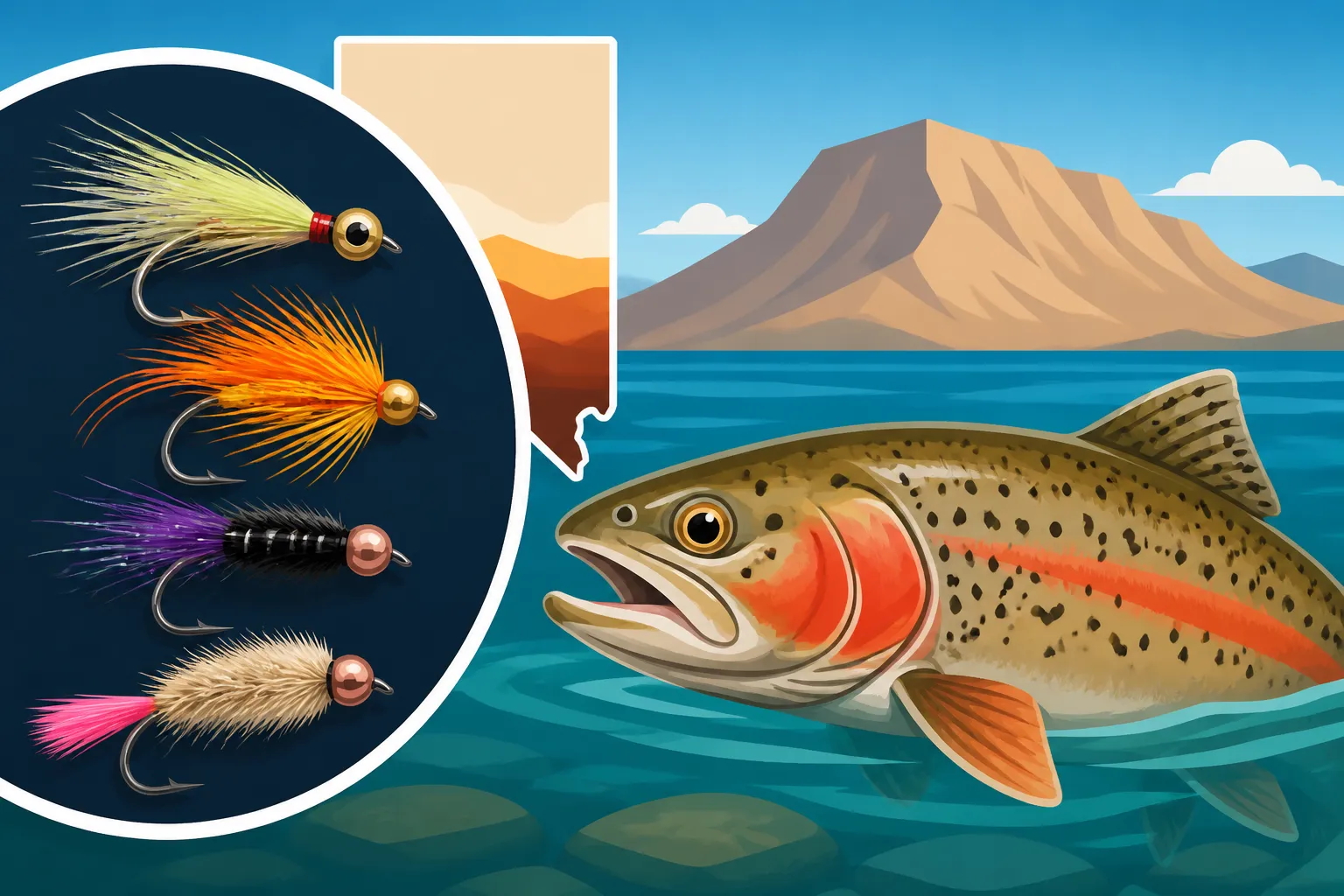
Best fly patterns for Pyramid Lake cutthroat
Fishing for Lahontan Cutthroat Trout at Pyramid Lake can be an incredibly rewarding, yet equally frustrating, experience. These massive, prehistoric-looking trout are notoriously selective, and showing up with a generic fly box filled with everyday trout patterns often leads to a day of disappointment. This guide is here to unravel the mystery of what flies actually tempt these giants, offering insights into their diet and behavior so you can make informed choices and, hopefully, land that trophy cutthroat.
The Allure of Lahontan Cutthroat Trout at Pyramid Lake
Pyramid Lake is truly a world-class fishery, home to the immense Lahontan Cutthroat Trout that can grow to staggering sizes. But their size isn't the only thing that makes them special; it's their unique environment and history that shape their feeding habits and make fly selection such a critical part of success here. It's not just about tossing a fly out; it's about understanding the entire ecosystem.
Understanding Their Unique Diet and Behavior
The Lahontan Cutthroat Trout in Pyramid Lake are distinct from most other trout. They're an ancient subspecies, and they've evolved in this unique, terminal desert lake. Their diet is primarily driven by the abundance of a few key prey items: the Tui Chub, the Cui-ui (a suckerfish native only to Pyramid Lake), and a variety of aquatic invertebrates, especially midges and Chironomids. Unlike stream trout that might key in on a diverse insect hatch, the Pyramid Lake cutthroat often focus on these specific, abundant food sources. They can be ambush predators, cruising the ledges and drop-offs for schools of baitfish, or they can be subtle feeders, sipping tiny midges just below the surface. This dual nature means your fly box needs versatility. You're not just fishing for trout; you're fishing for a specialized predator in a unique environment. Learning more about their unique home can be found in our comprehensive guide, delving into the specifics of fishing this incredible body of water.
Why Standard Trout Flies Don't Always Cut It
Many anglers, especially those new to Pyramid Lake, show up with their trusty pheasant tails, woolly buggers, and elk hair caddis, only to be met with disinterest from the resident cutthroat. While a woolly bugger might occasionally fool a smaller fish, these patterns often don't accurately mimic the primary food sources. The chubs and cui-ui fry are often larger than typical stream baitfish, and the midges are prevalent year-round, sometimes requiring incredibly small imitations. Furthermore, the sheer size of the lake and its often windy conditions mean that delicate presentations, common in river fishing, are often impractical or ineffective. You need flies that are robust, can be cast long distances, and accurately represent the cutthroat's preferred meals, both in size and movement. It's a different game entirely from your typical river or small lake trout fishing, demanding a more specialized approach to your fly selection.
Essential Fly Patterns for Pyramid Lake Success
When you're gearing up for a trip to Pyramid Lake, you'll want to ensure your fly box is stocked with patterns specifically designed or adapted for these unique fish. These aren't just pretty flies; they're proven producers that mimic the most common prey items and have garnered a reputation for enticing the big ones. Remember, presentation is key, but having the right fly is the first step.
The Iconic "Balanced Leech" and Its Variations
If there's one fly pattern that has truly become synonymous with Pyramid Lake, it's the Balanced Leech. This pattern, typically tied on a jig hook with a tungsten bead eye and often suspended under an indicator, revolutionized stillwater fly fishing and is incredibly effective at mimicking Tui Chub or even leeches that the cutthroat actively feed on. Its unique design allows it to hang perfectly horizontally in the water column, even when jigged or slowly retrieved, giving it an incredibly lifelike action that predatory trout find irresistible.
Popular variations include black, olive, purple, wine, and chartreuse. Many anglers will tie them with varying amounts of flash, either Krystal Flash or Ice Dub, to imitate the scales of baitfish. Sizes typically range from #8 to #2, with the larger sizes often drawing bigger fish. Experiment with different colors and sizes throughout the day, as the fish's preference can change rapidly based on light conditions, water clarity, and their current feeding mood. Having a diverse selection of Balanced Leeches in your Best Fly Box Setup for Pyramid Lake is an absolute must for any serious Pyramid Lake angler. You can find a fantastic array of pre-tied Balanced Leeches and tying materials on Amazon, making it easy to stock up before your trip.
Streamers for Imitating Baitfish and Cui-ui Fry
While Balanced Leeches are often fished under an indicator, streamers are your go-to when the cutthroat are aggressively chasing baitfish or when you want to cover a lot of water with a stripped retrieve. These patterns are designed to imitate the larger Tui Chub and Cui-ui fry, especially during their spawning cycles when they become readily available prey. The aggressive retrieve often triggers a reaction strike from the lake's apex predators.
Key streamer patterns include the Pyramid Lake Beetle (often tied with rubber legs and a bulky body), various Marabou Jigs (in olive, black, or white), and larger Woolly Bugger variations. Consider patterns with plenty of flash and movement, like the Midnight Cowboy or Popcorn Beetle, which have a jigging action and flash that mimics struggling bait. Using a fast-sinking Best Fly Line for Stripping Streamers at Pyramid Lake will get these flies down to where the big fish are cruising the drop-offs and shelves. When the baitfish are active near the surface, a lighter line and a quicker retrieve can also be highly effective, making these flies incredibly versatile.
Midges and Nymphs for Subtle Presentations
Despite their large size and predatory nature, Lahontan Cutthroat Trout frequently feed on the abundant midges (Chironomids) that populate Pyramid Lake. Often, especially on calm days or when fish are cruising just under the surface, a subtle midge or nymph presentation can be the key to success. This is where you switch from aggressive stripping to a more delicate, often indicator-based, approach.
Popular midge patterns include the Copper John, Zebra Midge, and various blood worm patterns. Colors like black, red, olive, and grey are standard. Sizes can range from #16 all the way up to #8, depending on the current hatch. You'll typically fish these under an indicator, often in a "醫院" rig (three flies suspended at different depths) to cover the water column. Dead drifting these tiny offerings or giving them a very slow, almost imperceptible retrieve can imitate the natural movement of these invertebrates perfectly. Don't underestimate the effectiveness of these smaller patterns, especially when the fish seem to be ignoring everything else. Sometimes, a subtle approach is exactly what's needed to unlock the bite, even for these large fish.
Mastering Presentation Techniques for Pyramid Lake Flies
Having the right fly patterns is only half the battle at Pyramid Lake. The other, equally crucial part is knowing how to present those flies in a way that truly entices a Lahontan Cutthroat. These fish are smart, and their environment is vast, meaning your technique needs to be as refined as your fly selection.
Stripping Retrieves for Aggressive Takes
When you're fishing streamers, baitfish imitations, or even larger Balanced Leeches without an indicator, a stripping retrieve is often your most effective strategy. This technique is designed to imitate a fleeing baitfish or a struggling invertebrate, triggering the cutthroat's predatory instincts. The key is to vary your retrieve speed and length of strips. Sometimes a slow, steady strip is best, other times a quick, erratic strip-pause-strip motion will draw a strike.
A common and highly effective retrieve involves making a long cast, letting your fly sink to the desired depth (especially with heavier Best Fly Rod Weight for Pyramid Lake Cutthroat setups), and then beginning a series of short, quick strips followed by a brief pause. Many strikes occur during the pause, as the fly "dies" and begins to sink, mimicking an injured prey item. Pay close attention to your line, as these powerful fish can hit hard, often feeling like you've snagged a log. It’s a technique that requires practice but can be incredibly rewarding when a monster cutthroat engulfs your fly.
Indicator Nymphing for Deeper Water
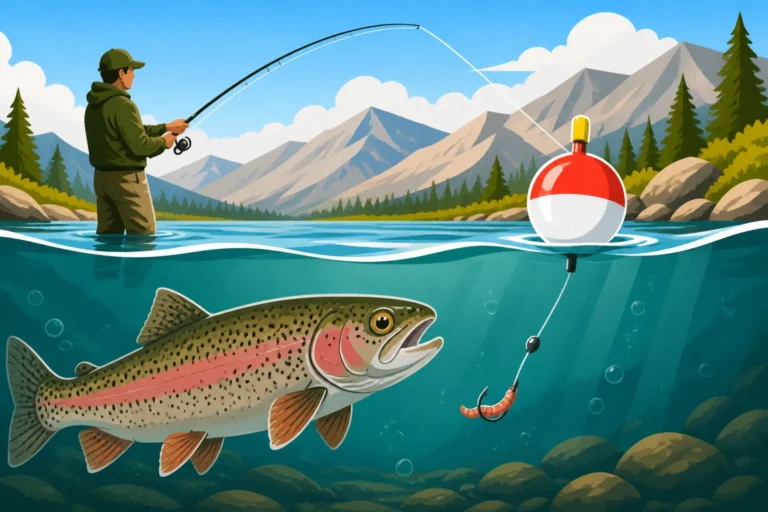
Indicator nymphing is a powerful technique for presenting flies at specific depths, especially when the fish are holding deep or feeding on more subtle prey like midges and Balanced Leeches. This method involves suspending your flies below a strike indicator (a fancy bobber) at a predetermined depth, allowing them to drift naturally with any subtle currents or remain suspended in the feeding zone.
The setup usually involves tying a leader to your fly line, then attaching your strike indicator, and finally your flies on dropper tags at various intervals below the indicator. The depth settings are critical; if fish are suspended at 15 feet, you want your flies there. Adjust your indicator frequently based on observation, water depth, and where you're seeing fish on your fish finder if you're boating. The beauty of indicator nymphing is its ability to keep your fly in the strike zone for extended periods, and it's a fantastic way to fish the Balanced Leech patterns effectively. It's a more passive approach than stripping, but don't let that fool you; the takes can still be sudden and aggressive, pulling the indicator completely under.
Understanding Depth and Current
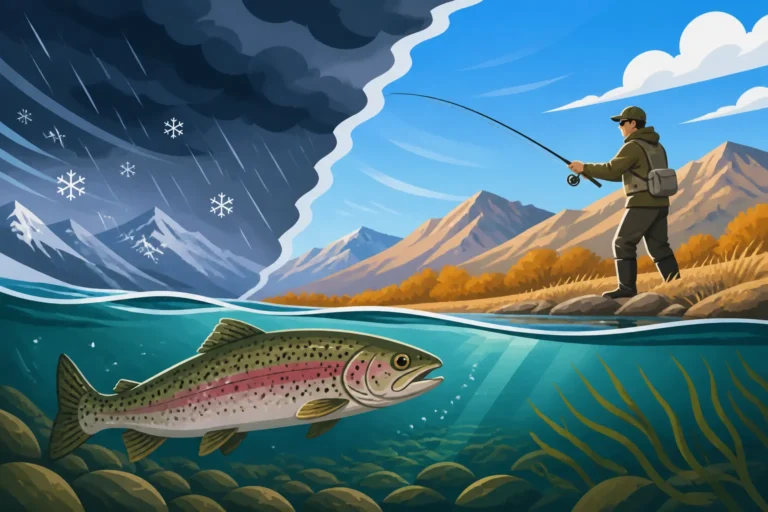
Pyramid Lake is a large, deep body of water, and understanding how depth and even subtle currents (often wind-driven) affect your presentation is paramount. Lahontan Cutthroat Trout will suspend at different depths depending on water temperature, light conditions, and the location of their prey. Early mornings, they might be shallower; mid-day, they often retreat to deeper, cooler water.
Always be observing the water. Are fish jumping? Cruising the shallows? Are there any baitfish visible? This will give you clues about where the fish are holding and what they might be eating. Wind-driven currents can also create "drift lanes" where food accumulates, and fish will often patrol these areas. When bank fishing, look for structure like ledges and drop-offs where fish might ambush prey. If you're using an indicator, regularly adjust your leader length to explore different depths until you find where the fish are actively feeding. Being flexible and adaptive with your depth and presentation is a hallmark of successful Pyramid Lake anglers.
Seasonal Fly Selection and Gear Considerations
Pyramid Lake fishing isn't a one-size-fits-all endeavor throughout the year. The behavior of the Lahontan Cutthroat Trout and their primary food sources change with the seasons, meaning your fly selection needs to adapt accordingly. Beyond the flies themselves, having the right gear is crucial for tackling the often challenging conditions of this unique high desert lake.
Adapting Your Flies to Seasonal Changes
- Fall (October – November): This is often considered prime time. The water cools, and the cutthroat become very active. Larger baitfish patterns like Pyramid Lake Beetles and large Balanced Leeches (black, olive, purple) are incredibly effective as fish feed heavily before winter. This is also a great time for Best Time of Year to Fish in Nevada as the weather is generally pleasant.
- Winter (December – February): While cold, winter can be excellent, especially for big fish. Midges (red, black) and blood worm patterns become more critical, often fished deep under an indicator. Smaller Balanced Leeches can also be productive. Pyramid Lake fishing season dates allow for year-round fishing, but be prepared for cold weather.
- Spring (March – May): Another peak season, especially as the Tui Chub and Cui-ui begin to spawn. This means aggressive retrieves with larger streamers and Balanced Leeches in white, grey, and chartreuse. The fish are actively chasing bait. Midges are still relevant, particularly on calmer days. This is also when you might encounter some truly massive fish.
- Summer (June – September): Fishing slows down significantly as water temperatures rise, pushing fish deep. It's generally not the preferred season for fly fishing, but early mornings or late evenings with deep-fished midges or weighted streamers can sometimes produce. Most anglers focus on other Nevada waters during these warmer months.
Essential Gear Beyond the Flies
Beyond your meticulously chosen fly patterns, having the right equipment is non-negotiable for a successful and comfortable trip to Pyramid Lake. The conditions can be harsh, with strong winds, intense sun, and vast expanses of water.
- Rods & Reels: You'll want a strong rod, typically an 8 or 9-weight, 9 to 10 feet long, capable of casting heavy lines and large flies into the wind. A reliable reel with a smooth drag and ample backing is crucial, as these fish can make powerful runs. Finding a Best Fly Rod Weight for Pyramid Lake Cutthroat that suits your style and the conditions is important.
- Lines: A good weight-forward floating line for indicator fishing and an assortment of fast-sinking lines (like Teeny Nymph lines or various sink-tip lines) are essential for getting your streamers down to depth. Don't skimp on your Best Fly Line for Stripping Streamers at Pyramid Lake, it makes a huge difference.
- Leaders & Tippet: Strong, abrasion-resistant leaders and fluorocarbon tippet (1X-3X) are recommended to withstand the cutthroat's sharp teeth and the often abrasive underwater structure.
- Waders & Boots: While you can fish from a boat, many prefer to fish from shore. Quality chest waders and sturdy wading boots are a must for comfort and safety, especially when wading out to find deeper water. Make sure to check our Fly Fishing Gear for Pyramid Lake guide for a comprehensive breakdown of all the essential equipment you'll need. You can find excellent deals on durable waders and boots on Amazon from brands like Simms or Orvis, ensuring you're prepared for the elements.
- Sun Protection: The Nevada sun is no joke. Wide-brimmed hats, polarized sunglasses, long-sleeved UPF shirts, and plenty of sunscreen are absolutely necessary.
- Accessories: A stripping basket is invaluable for managing your fly line in windy conditions and preventing tangles. A large net, suitable for landing sizable fish, is also a critical piece of gear, along with a pair of forceps for quick and safe hook removal. Remember to always prioritize Handling and Releasing Lahontan Cutthroat Trout responsibly to ensure the health of this incredible fishery.
- Licenses & Permits: Don't forget that Pyramid Lake operates under tribal regulations, meaning you'll need a specific Pyramid Lake Tribal Fishing Permit in addition to your regular Nevada Fishing License Guide. These can often be purchased online or at local tackle shops near the lake. Always check the current Nevada Fishing Regulations Explained and Nevada Trout Stamp Requirements before you head out.
| Fly Pattern | Primary Prey Imitated | Typical Season(s) | Retrieve Style Recommended | Key Colors |
|---|---|---|---|---|
| Balanced Leech | Tui Chub, Leeches | All Seasons (esp. Fall, Spring) | Indicator, Slow Strip | Black, Olive, Purple, Wine, Chartreuse |
| Pyramid Lake Beetle | Tui Chub, Cui-ui Fry | Fall, Spring | Aggressive Strip | Black, Olive, White, Grey |
| Marabou Jig | Cui-ui Fry, Baitfish | Fall, Spring, Winter | Jigging, Erratic Strip | Olive, Black, White, Chartreuse |
| Zebra Midge | Midges (Chironomids) | All Seasons (esp. Winter, Calm Days) | Indicator, Dead Drift | Black, Red, Olive |
| Copper John | Midges, Various Nymphs | All Seasons | Indicator, Slow Retrieve | Copper, Red, Black, Chartreuse |
| Blood Worm | Chironomid Larvae | Winter, Early Spring | Indicator, Dead Drift | Red, Wine |
Disclaimer
The information provided in this article is for general guidance only and is based on current understanding and common practices in Nevada fishing. Fishing regulations, license requirements, and local conditions can change frequently. Always consult the most recent official regulations published by the Nevada Department of Wildlife (NDOW) and the Pyramid Lake Paiute Tribe before planning any fishing trip. Adherence to all rules and ethical angling practices is the angler's sole responsibility.