Is it legal to fish during the bass spawn in Nevada?
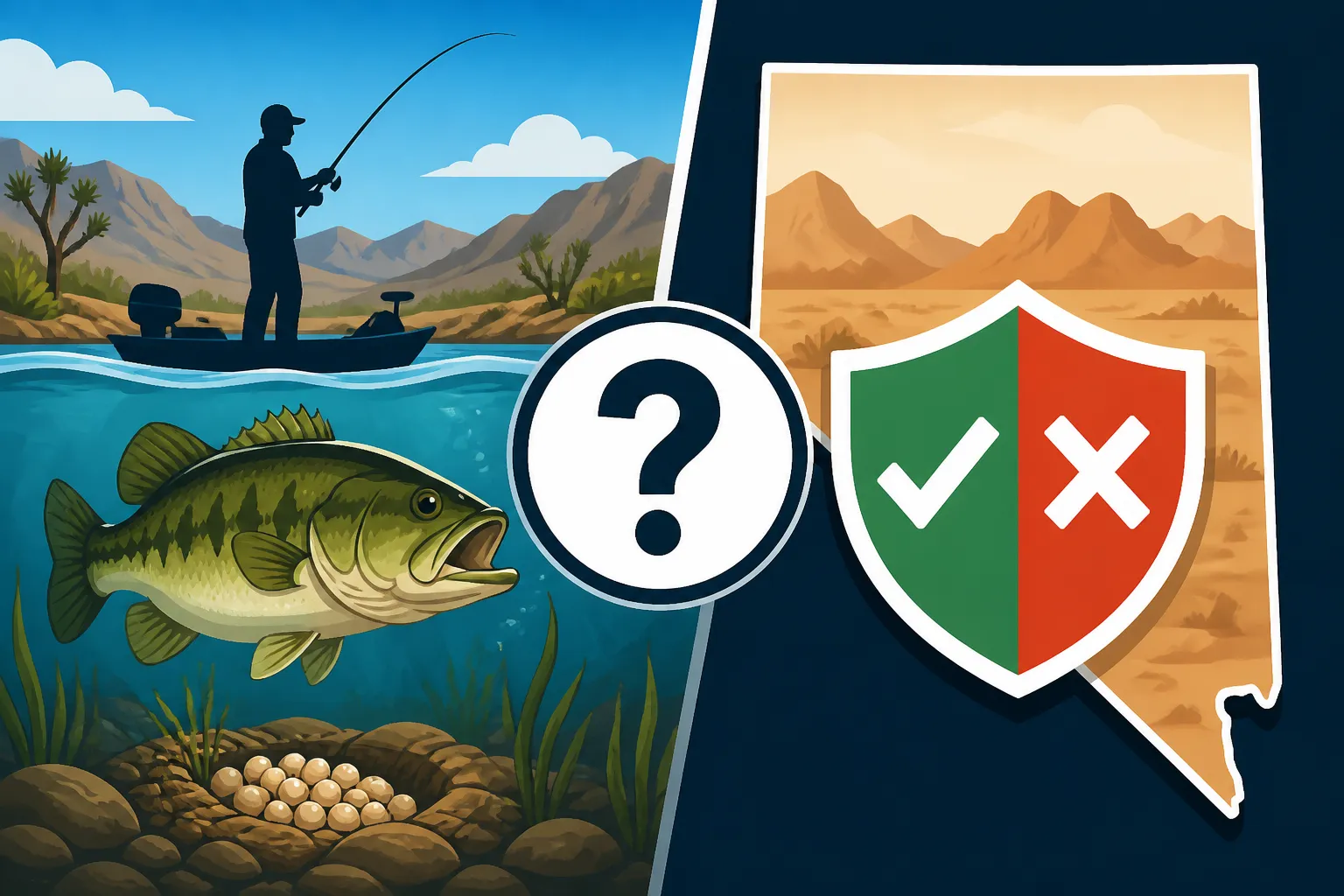
It’s a question that weighs on the minds of many anglers who truly care about the health of our Nevada fisheries: Is it okay to fish for bass when they're on their beds, trying to reproduce? It's a completely valid concern, rooted in a desire to be responsible and ensure great fishing for years to come. The short answer in Nevada is that it's generally legal, as there isn't a specific closed season for bass during their spawn. However, "legal" doesn't always tell the whole story, and understanding the nuances and practicing ethical angling are crucial. This guide will dive deep into Nevada's regulations, the biology of the bass spawn, and how you can approach fishing during this sensitive time with a clear conscience.
Understanding Nevada's Bass Fishing Regulations
When you're out on the water, you want to be sure you're following the rules, right? Nevada's approach to bass fishing during the spawn might be different from what anglers accustomed to other states expect. Let’s break down the legal landscape.
No Closed Season for Bass
This is often the first point that surprises people. Unlike some states that implement specific closed seasons for certain fish species during their spawning periods, Nevada does not have a statewide closed season for either largemouth or smallmouth bass. This means you won't find specific dates in the regulation booklet where bass fishing is completely off-limits because of spawning activity. From a purely legal standpoint, you can fish for bass year-round, which naturally includes the spring spawning season. The Nevada Department of Wildlife (NDOW) manages bass populations through other regulatory mechanisms, focusing more on daily take and size restrictions rather than seasonal closures for bass. This policy reflects the understanding of bass resilience and population dynamics in Nevada's diverse aquatic environments.
Daily Limits and Size Restrictions
Even though there's no closed season, it is absolutely critical to adhere to the daily bag limits and size restrictions that are in place for bass in Nevada. These rules are designed to protect the overall bass population by regulating how many fish can be harvested and ensuring that enough fish of different sizes survive to maintain a healthy breeding stock. For example, many waters will have a limit on the number of bass you can keep in a single day, and often a minimum size limit to protect juvenile fish, or even a slot limit to encourage the release of larger, productive breeders. These limits are in effect throughout the year, including during the spawn. Always consult the most current regulations for the specific body of water you plan to fish, as rules can sometimes vary. Ignoring these regulations isn't just unethical; it can result in significant penalties. You can find more specific details by checking out Nevada Statewide Bag Limits Explained or Nevada Bass Daily Limit and Size Rules.
The Ethical Angler's Dilemma
Here’s where the conversation often shifts from legality to ethics. Just because something is permitted by law doesn't automatically mean it's the most responsible choice. Many passionate bass anglers grapple with the question of whether targeting spawning bass, especially when they're visible on beds, is truly "right." During the spawn, male bass are incredibly aggressive as they guard their nests, making them easier to catch. Some argue that repeatedly pulling these fish off their beds, even for a quick catch-and-release, can stress the fish and leave the eggs or newly hatched fry vulnerable to predators. It's a debate that highlights the deep respect anglers have for the fish they pursue. For many, choosing not to actively target bedding bass is a personal decision, a way of giving back to the fishery and ensuring its health for future generations. It’s about being a conservationist as much as it is being a fisherman.
The Biology and Impact of Fishing During the Spawn
To truly understand the concerns around fishing during the bass spawn, it helps to know a bit about what's actually happening under the water. This biological process is vital for the continuation of bass populations.
The Bass Spawning Process
Bass spawning is one of nature’s marvels, typically kicking off in the spring when water temperatures consistently reach that sweet spot of 55-70°F. In Nevada, this can happen at different times depending on the lake's elevation and typical weather patterns. Southern Nevada reservoirs like Lake Mead usually see the spawn begin earlier than cooler, higher-altitude lakes. The male bass is the homebuilder, diligently clearing out a shallow, protected area—often near submerged logs, rocks, or aquatic vegetation—to create a circular "bed" where the female will deposit her eggs. After the eggs are laid and fertilized, the male takes on the role of guardian, fanning the eggs to keep them oxygenated and fiercely defending the nest from any perceived threat. This protective instinct is why they become so aggressive and are often willing to strike at anything that comes too close, which is precisely why they can be easier to catch during this time. For more on timing, check out Nevada Bass Season and Spawn Timing.
Potential Impacts on Bass Populations
When a male bass is caught and temporarily removed from its nest, even for just a few minutes, that nest becomes defenseless. Opportunistic predators like sunfish, crayfish, and even other bass can quickly move in and devour the eggs or newly hatched fry. While bass are remarkably resilient, repeated disturbances on multiple beds across a fishery could potentially lead to reduced spawning success for that year's class of fish. The actual impact is a subject of ongoing research and debate among fisheries biologists and anglers. Factors like the intensity of fishing pressure, the abundance of natural predators, and the overall health of the bass population in a specific body of water all play a role. Some studies suggest that in well-managed fisheries with healthy populations, the impact might be minimal in the long term, while others advise caution to avoid stressing the fish during this critical reproductive period.
Reading the Water for Spawning Activity
Becoming adept at "reading the water" for signs of spawning activity is a skill every ethical angler should develop. Look for bass in shallow, clear areas, usually less than 5 feet deep, that receive plenty of sunlight to warm the water. Flats, protected coves, and points near drop-offs are prime locations. You might spot circular depressions on the bottom, appearing as lighter, cleaner patches of gravel or sand—these are bass beds. Sometimes, you can even see the male bass hovering directly over the bed, fanning its fins to circulate water. High-quality polarized sunglasses (many excellent options are available on Amazon) are invaluable for cutting glare and allowing you to spot these beds and fish. Keep an eye on your fish finder's water temperature gauge or carry a simple thermometer; once temperatures hit that 55-70°F range, you know the spawn is either starting or in full swing. Being observant allows you to make informed decisions about where and how you fish.
Responsible Fishing Practices During the Spawn
If you choose to fish during the spring when bass are spawning, there are many ways to do so responsibly, minimizing your impact and ensuring the health of the fishery. It’s all about mindful angling.
Targeting Prespawn Bass
One popular strategy for ethical anglers is to focus on prespawn bass. These fish are often staging in slightly deeper water adjacent to the spawning flats and are typically feeding very aggressively, gorging themselves to build up energy for the upcoming spawning ritual. Targeting prespawn bass allows for fantastic fishing without the ethical concerns of disturbing active nests. Look for them on deeper points, along channel swings, or on ledges that transition into shallower spawning grounds. Lures like crankbaits, jerkbaits, chatterbaits, or even deeper-running swimbaits can be highly effective for these actively feeding fish. This approach provides an exciting fishing experience while giving the actively spawning bass the space they need to reproduce successfully. It’s a win-win for angler and fish.
Catch-and-Release Best Practices
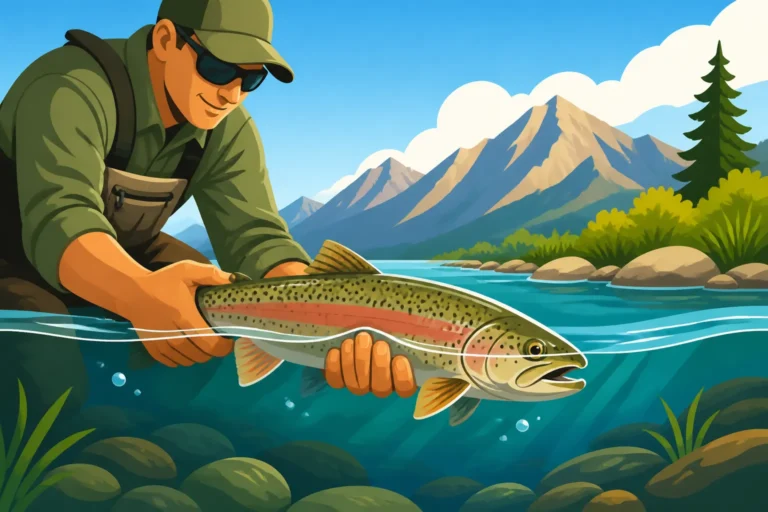
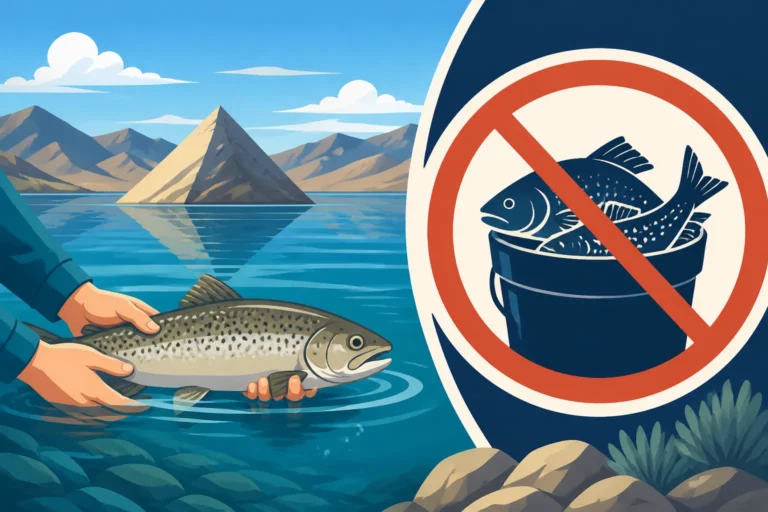
Should you find yourself catching bass that are clearly on beds, or if you simply practice catch-and-release, it's absolutely crucial to do so with the utmost care. Minimize the fight time to reduce stress on the fish. Consider using barbless hooks or pinching down the barbs on your treble hooks to facilitate quick and easy removal with less damage to the fish’s mouth. Always wet your hands thoroughly before handling a bass to protect its vital slime coat, and try to keep the fish in the water as much as possible, especially during warmer days. A soft, rubberized landing net or a fish gripper can help minimize direct contact. A good pair of long-nosed pliers, which you can easily order from Amazon for quick delivery, is an essential tool for careful hook extraction. When releasing, gently place the fish headfirst back into the water, allowing water to flow through its gills, which helps it recover faster and return to its nest. These practices significantly increase a fish's survival rate. Many of these principles are outlined in Catch and Release Techniques for Trout, and they apply perfectly to bass.
Minimizing Disturbance to Spawning Beds
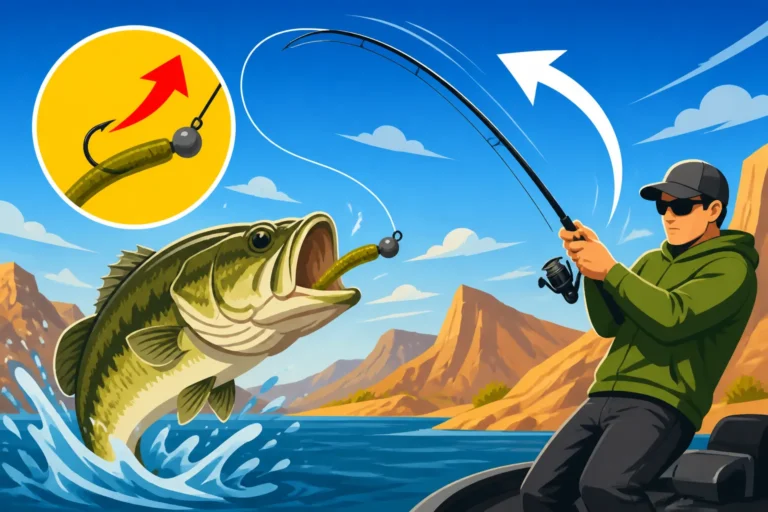
If you accidentally hook a bass that's guarding a nest, the most responsible action is to land it quickly, unhook it, and release it gently back to its bed as swiftly as possible. The goal is to minimize its time away from the nest. Avoid repeatedly casting to the same bed, even if you keep catching the fish guarding it. Each removal, no matter how quick, momentarily leaves the nest vulnerable. If you find yourself consistently pulling fish off beds, consider moving to a different area of the lake or reservoir, or switching your tactics to target fish that are not actively spawning. By making conscious choices, we contribute to a healthier, more sustainable bass population. It's about being a steward of the fishery, rather than just a harvester.
Bass Spawning Water Temperature & Behavior Table
| Water Temperature Range | Bass Behavior | Fishing Strategy | Ethical Considerations |
|---|---|---|---|
| Below 50°F | Deep water, slow metabolism, winter dormancy | Vertical jigs, slow-rolled deep crankbaits | Low impact on reproduction |
| 50-55°F | Prespawn staging, moving to secondary points, feeding heavily | Deeper crankbaits, jerkbaits, jigs on ledges and structure | Excellent feeding windows, low impact on active spawn |
| 55-62°F | Males begin bed building, females move to spawning grounds | Sight fishing beds, slower soft plastics, jigs, creature baits | High ethical debate, potential for nest abandonment, focus on quick release |
| 62-70°F | Peak spawning, active nesting and guarding, aggressive | Sight fishing beds with soft plastics, jigs, weightless worms | Highest ethical debate, maximum nest vulnerability, consider alternative targets |
| 70°F and above | Postspawn recovery, moving to deeper cover, some active feeding | Topwaters, faster presentations, targeting cover or deeper points | Lower impact than peak spawn, fish are recovering, still practice careful handling |
Alternative Fishing Opportunities
If you'd rather sidestep the ethical considerations of fishing the bass spawn entirely, or if the bass just aren't cooperating, Nevada offers a plethora of other fantastic fishing adventures throughout the spring and into summer.
Other Species and Techniques
Nevada's aquatic ecosystems are incredibly diverse, hosting a wide array of other game fish that might be more active or less sensitive during the bass spawn. Consider redirecting your efforts toward trout in cooler, higher-elevation lakes or rivers. Many urban ponds across the state are regularly stocked by NDOW, providing excellent opportunities for trout fishing. You can easily find information on these stocking efforts by checking the Nevada Trout Stocking Schedule. If you're looking for a different kind of fight, the aggressive striped bass in Lake Mead or Lake Mohave offer thrilling action; they have different spawning patterns and are often targeted with techniques like jigging, trolling, or casting large swimbaits. Channel catfish, which become quite active in warmer waters, also provide a strong pull and make for excellent table fare. Exploring these alternative species and techniques can lead to equally rewarding experiences without any ethical concerns about disturbing spawning bass.
Exploring Different Waters
Given Nevada's vast and varied landscape, water conditions and fish behavior can differ dramatically from one region to another. While bass might be in full-on spawning mode in the warmer southern reservoirs, they might still be in a prespawn or even postspawn phase in cooler, higher-elevation lakes further north or east. If your goal is to avoid the spawn altogether, take some time to research different fishing spots. Our comprehensive Best Places to Fish in Nevada guide can serve as an excellent starting point for exploring various lakes, reservoirs, and rivers across the state. Sometimes, a relatively short drive can transport you to a body of water where fish are in a completely different stage of their annual cycle, allowing you to enjoy a productive day on the water tailored to your preferences. Just remember to always consult the specific regulations for the particular water body you intend to fish, as rules regarding limits and seasons can vary significantly from one location to another.
Disclaimer
This article is for general informational purposes only and does not constitute professional advice. Laws, prices and regulations vary by location and change over time. Consult a qualified professional for guidance on your specific situation.