How to fish a finesse worm for pressured bass
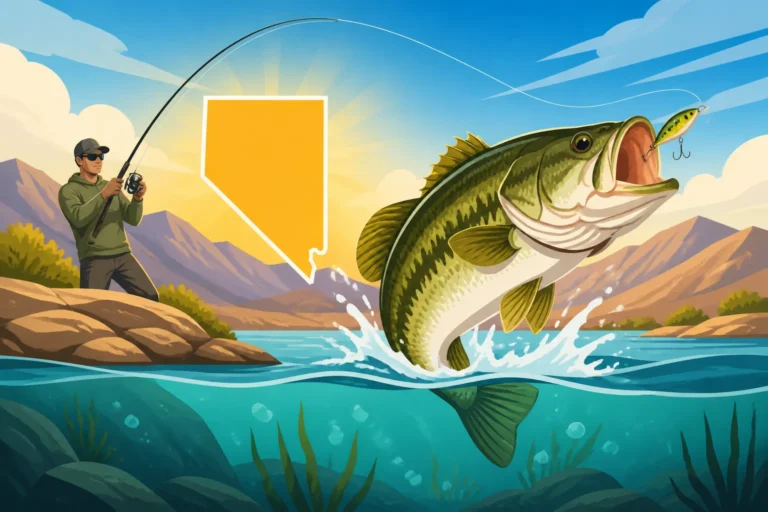
It's a common story in Nevada: you're out on a beautiful reservoir, the sun is shining, and you know there are bass around, but for some reason, they just won't commit. This frustration often comes from fishing for pressured bass – fish that have seen every lure in the book and are incredibly wary. This guide will walk you through the art of fishing a finesse worm, a subtle yet deadly technique, to help you coax bites out of even the most finicky bass in our Nevada waters.
Understanding Pressured Bass Behavior in Nevada
Before you can outsmart a pressured bass, you need to understand what makes them so wary in the first place. It's not just a matter of them being "smart"; it's a combination of environmental factors and constant angling pressure that changes their behavior.
Why Bass Get Pressured Here
Nevada's popular fishing spots, like Lake Mead, Lake Mohave, and even many of our well-stocked urban ponds, see a lot of angler traffic. This constant parade of boats, lures, and lines creates an environment where bass become highly educated. Imagine if you saw the same thing dangled in front of you day in and day out – you'd learn to be suspicious, right? Bass are no different. They become accustomed to certain presentations and learn to avoid anything that seems unnatural or threatening.
Beyond just human activity, the clear waters prevalent in many Nevada reservoirs also play a huge role. When the water is crystal clear, bass have excellent visibility and can easily spot a lure's imperfections, heavy line, or even the shadow of your boat from a distance. This visual acuity forces them to be more cautious. Furthermore, Nevada's sometimes extreme weather, from scorching summer heat to sudden cold fronts, can make bass even more finicky. A drastic temperature change can send them into a state of lethargy, making them reluctant to chase or aggressively strike. You'll find that these conditions often coincide with tougher bites, requiring a more subtle approach. Best Time of Year to Fish in Nevada
Signs You're Fishing Pressured Bass
How do you know if you're dealing with pressured bass? The signs are usually pretty clear once you know what to look for. The most obvious indicator is a general lack of aggressive strikes. Instead of smashing your bait, you might feel a very light "tick," a spongy weight, or nothing at all, only to reel in and find your bait has been messed with or even subtly pulled off the hook. This is often a bass "mouthing" the bait – picking it up to investigate before spitting it out.
Another common sign is seeing fish scatter quickly when your boat approaches or even when you cast too close to them from shore. These fish are on high alert, and any sudden movement or unnatural disturbance sends them fleeing. Visible bass that appear to ignore your common presentations, even when you drop a tempting lure right in front of their nose, are also classic examples of pressured fish. They might look at it, flare a fin, and then slowly swim away. When you encounter these behaviors, it's a strong signal that it's time to put away the loud, flashy baits and reach for a finesse worm.
The Finesse Worm: Your Secret Weapon
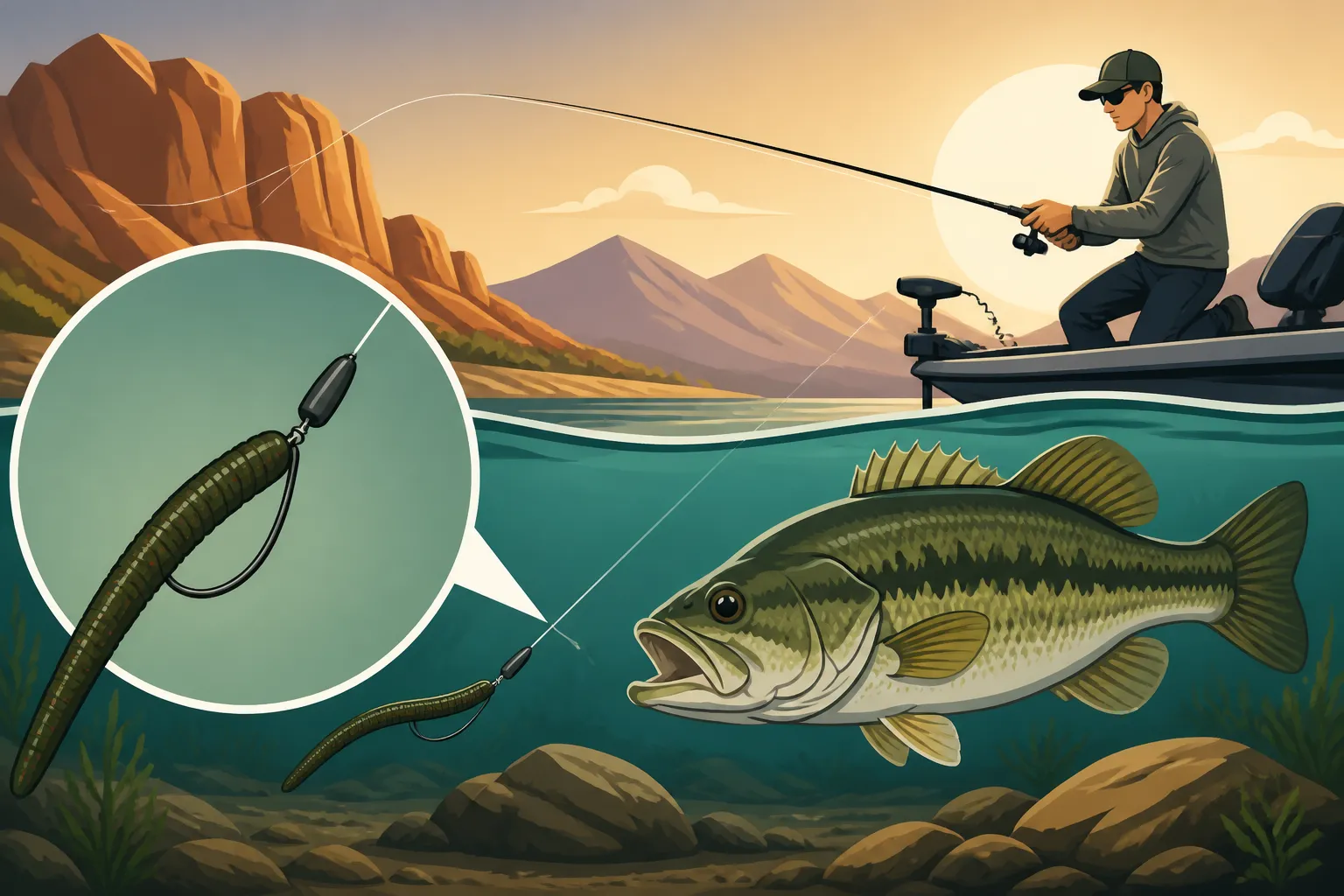
When bass are playing hard to get, a finesse worm is often the key to unlocking those stubborn bites. It's not about overpowering the fish; it's about tricking them with subtlety.
What Makes a Finesse Worm Effective?
The magic of a finesse worm lies in its unassuming nature. Unlike big, bulky jigs or loud crankbaits, a finesse worm offers a natural profile with incredibly subtle action. This smaller, more slender presentation is far less intimidating to a wary bass. It doesn't look like a threat; instead, it mimics something natural that a bass might encounter every day – a small baitfish, an aquatic worm, or a tiny crawfish. The soft plastic material and delicate movements of a finesse worm, even with minimal angler input, can be enough to trigger an investigative bite from a bass that wouldn't touch anything else.
Finesse worms come in a vast array of colors and sizes, making them highly versatile for different water clarities and forage bases. Whether you're fishing gin-clear Lake Tahoe or a slightly stained urban pond, there's a finesse worm designed to blend in and tempt those cautious fish. Their simplicity is their strength, allowing you to present a bait that looks and moves like real prey, without alerting the bass to any potential danger.
Choosing the Right Finesse Worm for Nevada Waters
Selecting the right finesse worm is crucial for success, and it often comes down to matching the conditions you're fishing in here in Nevada.
Colors: When fishing in Nevada's typically clear waters, natural tones are often your best bet. Think green pumpkin, watermelon, ghost pro blue, or various shades of brown. These colors mimic the natural forage like small sunfish, crawfish, or leeches. However, if you're fishing a slightly stained pond or a section of a reservoir with a bit more turbidity, don't be afraid to experiment with darker colors like junebug, black and blue, or even a plum. Sometimes, a subtle contrast is all it takes.
Sizes: For highly pressured fish or when bass are feeding on exceptionally small bait, downsizing your worm is often key. A 4 to 6-inch finesse worm is perfect for these situations. While longer worms can work, the smaller profile typically generates more bites from wary fish. Remember, it's about offering something easy and non-threatening.
Brands and Styles: There's a huge variety out there, and personal preference plays a big role. Straight-tail worms, like the classic Roboworm Straight Tail Worm or Zoom Trick Worm, are fantastic for drop shot and shaky head rigs due to their subtle quiver. Wacky worms, often a bit thicker and designed to be hooked in the middle, create a unique "wobble" that bass find irresistible. Worms with slightly ribbed or segmented bodies can also add to the illusion of natural movement. Many anglers find their go-to brands and styles, stocking up on their favorites. You can find a wide variety of these finesse worms and related gear conveniently on "Amazon," allowing you to compare options and build your tackle box.
Essential Finesse Worm Rigging Techniques
The beauty of the finesse worm isn't just the bait itself, but the myriad of ways you can rig it to present it perfectly to those finicky bass. Each rig has its own unique action and is best suited for specific situations. Best Lures for Nevada Bass
The Wacky Rig and Neko Rig
These two rigs are kings of subtle, natural presentations, perfect for enticing bass that are looking for an easy meal in shallow or open water.
The Wacky Rig: The wacky rig is deceivingly simple yet incredibly effective. You literally hook the finesse worm directly through its center, or a little off-center, allowing both ends to wiggle freely as it falls through the water. Many anglers use a small O-ring on the worm, then hook through the O-ring, which saves worms and provides a better action. The action is a mesmerizing, undulating fall that mimics a dying worm or an injured baitfish. It's fantastic for targeting bass that are suspended under docks, along weed lines, or even just cruising open flats. The subtle side-to-side flutter is often too much for a curious bass to resist. When fishing shallow coves in Lake Mead or around the edges of an urban pond, a wacky rig is a fantastic choice, especially when you need to land your bait quietly.
The Neko Rig: Think of the Neko rig as a weighted wacky rig, but with a twist. Instead of just hooking through the middle, you insert a small nail weight into one end of the worm. The hook is then typically placed closer to the weighted end, either through the worm directly or with an O-ring. This weighting causes the worm to sink vertically, with the weighted end touching bottom first, and the unweighted tail standing up and quivering with the slightest movement. The Neko rig excels when bass are holding slightly deeper or need a more vertical presentation. It's also incredibly effective for skipping under docks or overhanging brush, allowing the worm to get into tight spots where bass might be hiding. The subtle, upright presentation on the bottom is a perfect imitation of a feeding worm or a crawfish digging in the mud.
Drop Shot and Shaky Head Rigs
When bass are glued to the bottom, suspended in deeper water, or just plain lethargic, the drop shot and shaky head rigs become indispensable tools in your finesse arsenal.
The Drop Shot Rig: The drop shot is a powerhouse for tempting deep or suspended bass. It involves tying your hook directly to the main line, leaving a tag end below it where you attach a weight. This setup allows your soft plastic bait, like a finesse worm, to suspend horizontally at a chosen depth, completely off the bottom, even when the weight is resting on it. This suspended presentation is incredibly natural and gives the worm a lifelike action with minimal rod movement. It's absolutely deadly for bass relating to offshore humps, deep ledges, or suspended in open water columns, particularly common scenarios in large Nevada reservoirs like Lake Mohave or Lake Mead. The beauty is that you can impart tiny twitches to the worm without moving the weight from the strike zone. You'll find many anglers relying on this rig. How to fish a drop shot rig for bass
The Shaky Head Rig: The shaky head is another stellar bottom-contact finesse rig. It's essentially a small jig head with a screw-lock keeper, designed specifically for rigging soft plastic worms. You simply thread your finesse worm onto the screw lock, ensuring it's straight, and the hook rides exposed. The primary action comes from "shaking" your rod tip, which makes the worm stand up on the bottom, quiver, and subtly crawl. This imitates a crawfish or worm rooting around in the substrate. It's exceptionally effective when bass are hugging the bottom in rocky areas, around light brush, or on hard-bottom points. The shaky head allows you to maintain constant contact with the bottom and detect even the lightest bites from inactive fish. This is a go-to for many when trying to entice a neutral bass into biting.
Here's a quick comparison of these popular finesse worm rigs:
| Rig Name | Primary Action | Ideal Depth/Situation | Best for Bass Behavior | Common Worm Type |
|---|---|---|---|---|
| Wacky Rig | Slow, natural fall with wiggling ends | Shallow water, under docks, weed lines, open flats | Neutral to slightly active, suspended fish | Straight-tail, Fat Worm |
| Neko Rig | Vertical fall, tail quivers on bottom | Deeper water, skipping under cover, vertical drops | Neutral, bottom-oriented, or hiding fish | Straight-tail, Finesse |
| Drop Shot Rig | Suspended bait at specific depth, subtle quiver | Deep water, vertical structure, suspended fish | Finicky, suspended, or extremely inactive | Straight-tail, Finesse |
| Shaky Head Rig | Worm stands up and quivers on bottom | Rocky bottoms, light cover, hard-bottom points | Neutral to inactive, bottom-oriented fish | Straight-tail, Finesse |
Presenting the Finesse Worm to Wary Bass
Using the right rig is only half the battle; knowing how to present it effectively to pressured bass is where true finesse fishing shines. It requires patience, feel, and a keen understanding of fish behavior.
Subtle Retrieves and Patience
When you're dealing with pressured bass in Nevada, the name of the game is subtlety and patience. Forget aggressive jerks and fast retrieves; those are more likely to spook wary fish than entice them. Instead, focus on slow, deliberate movements. With a shaky head, this means tiny, almost imperceptible shakes of the rod tip, just enough to make the worm quiver on the bottom. For a wacky rig or Neko rig, let the bait fall naturally on a slack line, allowing its inherent action to do the work. The retrieve should be more about maintaining contact and feeling for bites than actively moving the bait.
Long pauses are often the secret sauce. A bass might follow a lure for a long time before deciding to strike, and often, it's during a pause that they commit. Count to three, five, or even ten seconds between movements. Sometimes, the current or the natural buoyancy of the worm in the water is all the action you need. Developing a good "feel" for your line and bait is paramount, as bites from pressured bass can be incredibly light – sometimes just a slight tightening of the line, a spongy resistance, or even a sideward movement of your line. It takes practice, but once you start to recognize these subtle takes, your catch rate will dramatically improve.
Target Zones and Cover for Pressured Bass
Pressured bass don't usually sit in the most obvious places. They'll gravitate towards areas that offer them more security and less exposure, which means you need to adjust your target zones. Think about what offers them refuge. Shady areas, whether from overhanging trees, deep rock formations, or man-made structures like boat docks, are prime real estate. Bass will often hold tight to these shadows, waiting for an ambush opportunity. Deeper brush piles, rocky transitions where different bottom types meet, and subtle ledges can also be fantastic spots, as they provide both cover and access to deeper, cooler water. How to read a reservoir for bass structure
Instead of focusing on heavy, impenetrable cover, try to fish slower around sparser cover. A single isolated stump, a small patch of submerged grass, or a cluster of rocks can often hold a wary bass that's avoiding the more obvious, heavily fished spots. Pay close attention to points, pockets, and creek channels, working your finesse worm meticulously through these areas. In urban ponds, which are almost universally pressured, targeting aerators, small clumps of reeds, or even the shadows cast by bridge pilings can be highly effective. Nevada Urban Pond Fishing Guide The key is to present your finesse worm quietly and precisely to these less-obvious hideouts.
Rod, Reel, and Line Setup for Finesse Fishing
The right equipment can make all the difference in detecting those light bites and successfully landing pressured bass. For finesse worm fishing, spinning gear is almost always the preferred choice.
You'll want a light to medium-light power spinning rod, typically between 6'6" and 7'2" in length. Look for a rod with a fast action, meaning the top third or quarter of the rod bends easily, which provides excellent sensitivity for feeling subtle bites and enough backbone to set the hook. This type of rod also allows for soft, accurate casting of lightweight finesse rigs. When browsing for the Best Fishing Rods for Nevada Lakes, keep these characteristics in mind.
Pair your rod with a smaller spinning reel, generally a 2000 or 2500 series. These reels are lightweight and provide a smooth drag, which is essential when fighting a feisty bass on light line. A good quality reel will ensure your line lays nicely and allows for effortless casting.
For line, light is right. Many anglers opt for 6-8 pound test fluorocarbon main line, which is nearly invisible underwater and has very low stretch, increasing your sensitivity. Another popular setup is to use a braided main line (10-15 pound test) for its superior casting distance and zero stretch, then tie on a 6-8 pound test fluorocarbon leader. This combination gives you the best of both worlds – casting performance and stealth. Making sure you have good quality line is paramount, and you can find a wide selection of braided and fluorocarbon lines on "Amazon" to suit your needs. Remember, the goal is to make your presentation as natural and undetectable as possible, and your line choice is a huge part of that. This entire setup, from rod to line, is an essential part of your Nevada Fishing Gear Essentials for tackling pressured bass.
Disclaimer
This article is for general informational purposes only and does not constitute professional advice. Laws, prices and regulations vary by location and change over time. Consult a qualified professional for guidance on your specific situation.